


Antique Giltwood Table
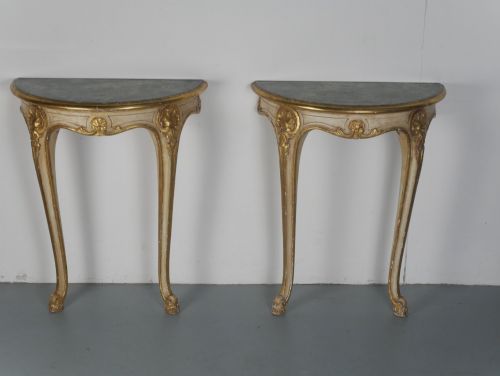
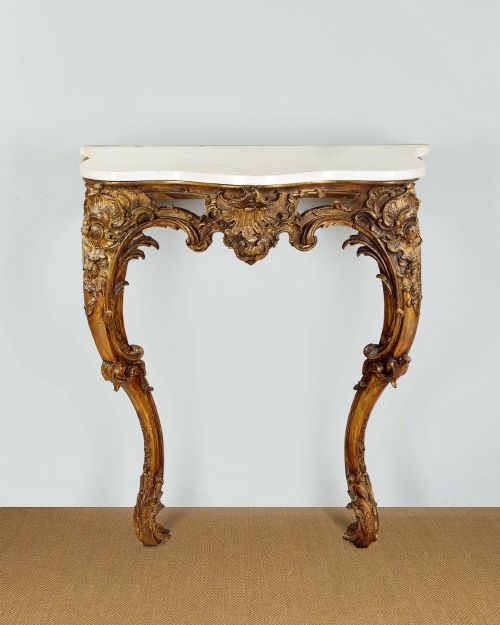
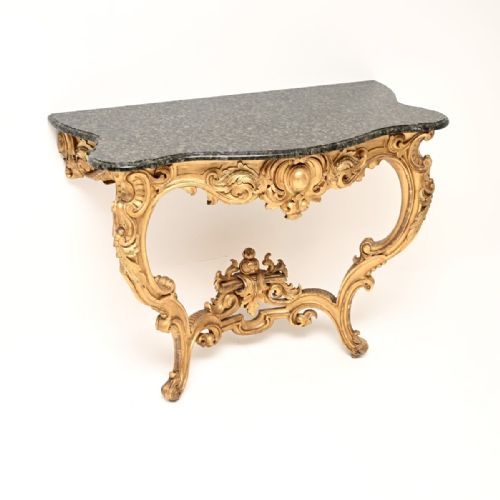
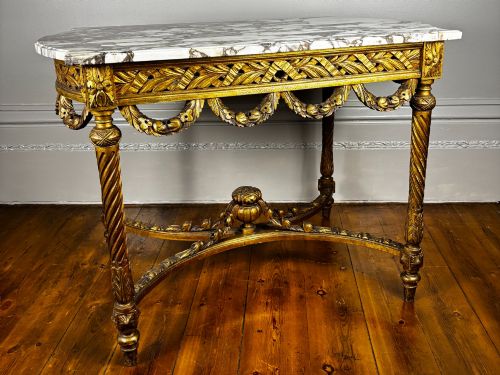
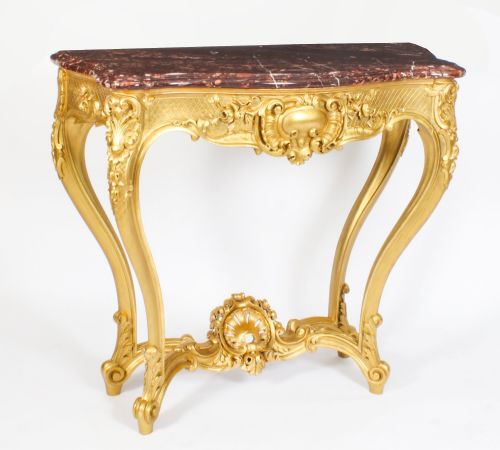
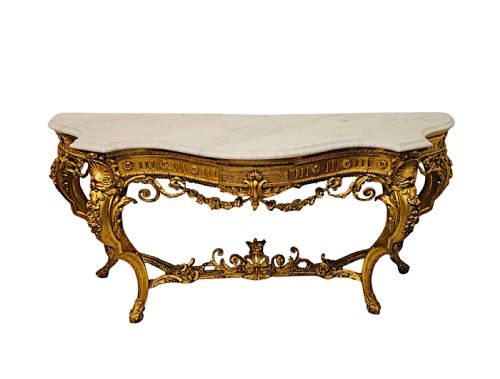
An antique giltwood table brings the bright presence of gilded carved timber and marble into a room, most often seen in nineteenth-century French and Italian console formats.
Antique Giltwood Table
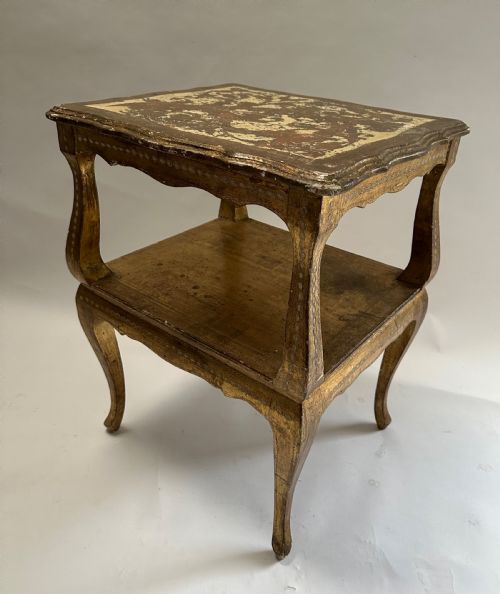
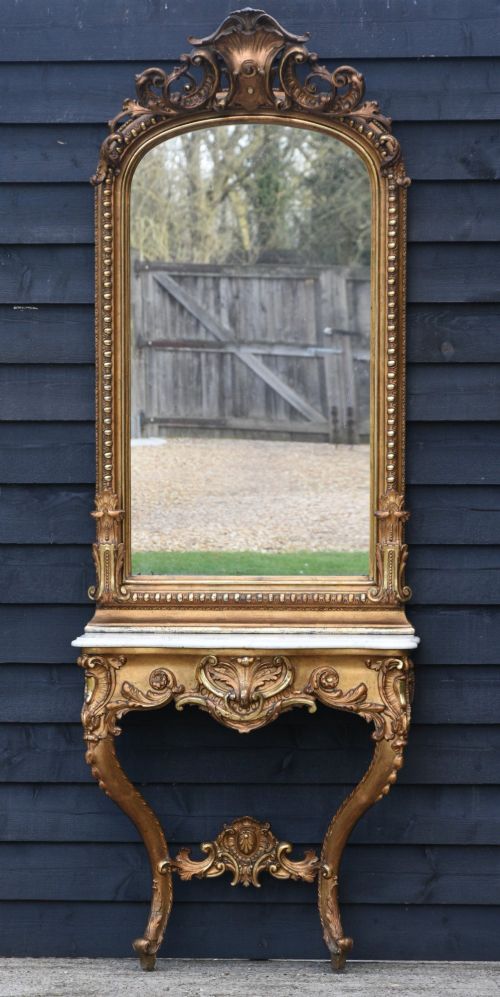
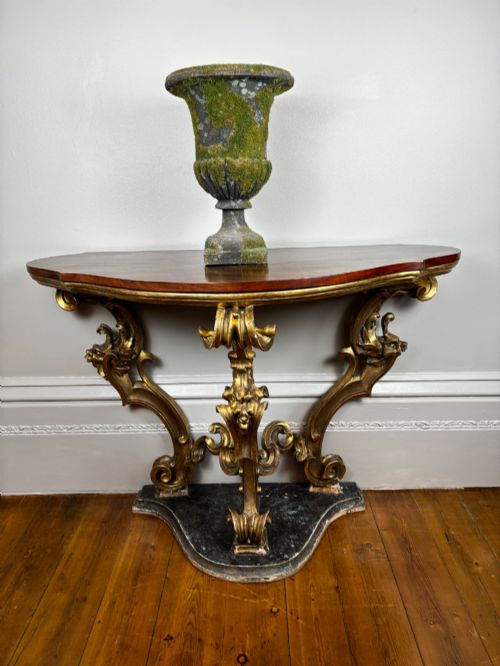
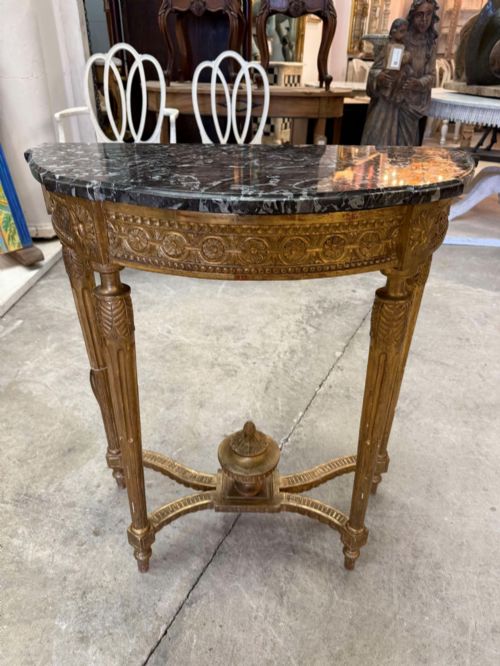
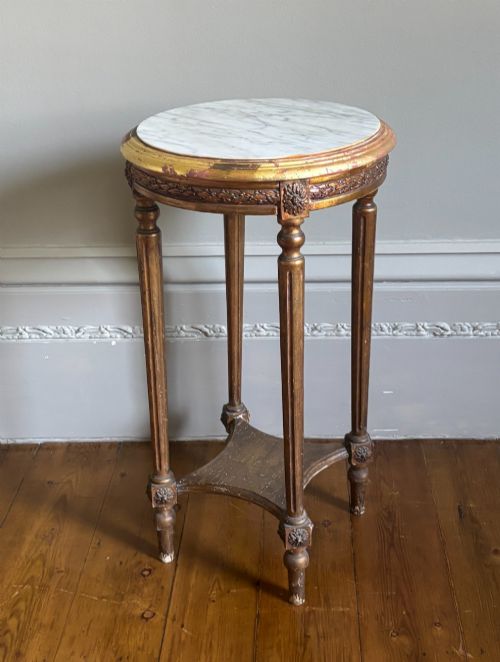
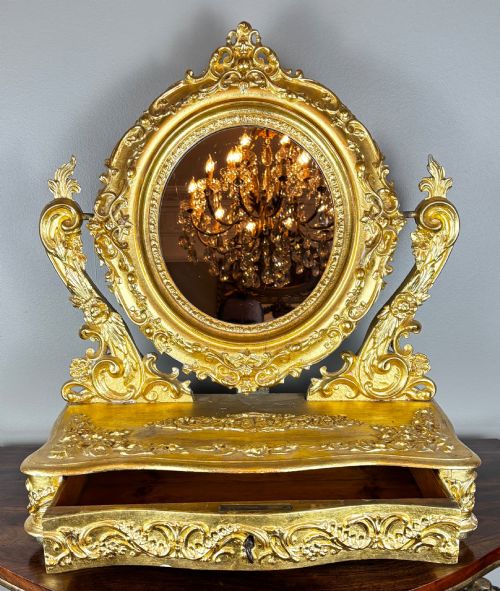
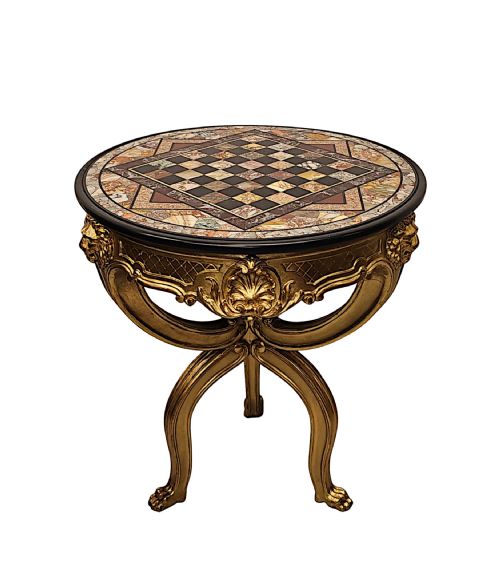
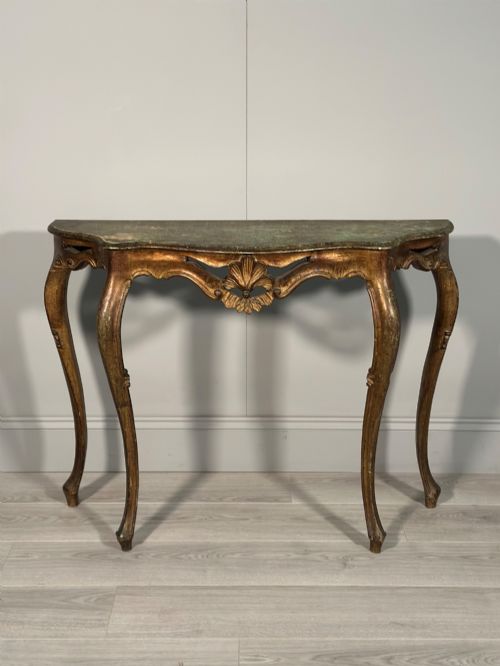
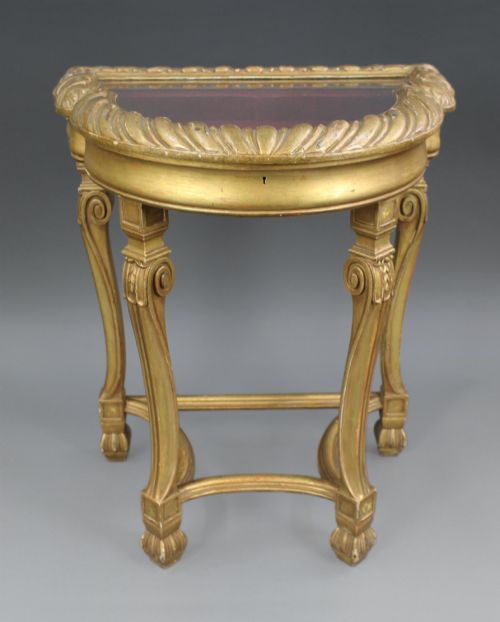
When you search for an antique giltwood table, you encounter a distinct category of decorative furniture designed to anchor a reception room, hallway, or salon. The selection on this page centres predominantly upon console tables intended to stand against a wall, frequently paired with matching pier mirrors, alongside occasional, centre, and coffee tables.
The material lineage spans the eighteenth century through to the early twentieth century, drawing heavily on French Rococo, Italian Baroque, and Neoclassical vocabularies. Console tables with heavy marble slabs and carved bases dominate the listings, reflecting formal European interiors where such pieces served both display and architectural balance.
How they were made
The construction relies on timber frameworks, often pine or hardwood, coated in gesso to receive intricate hand-carved detailing before the application of gold leaf or paint. Artisans built up the surface layers so that the metallic leaf caught the light, frequently paired with heavy inset marble, onyx, or breche d'alep tops.
Joinery methods reflect the period of origin, from eighteenth-century Italian workshops to nineteenth-century French revivals, where structural stability under heavy stone tops required robust framing and secure dowelling.
Antique Giltwood Table Retail Price Guide 2026
Typical asking prices for giltwood table among the pieces listed under this phrase on Sellingantiques today, from the lower quarter to the upper quarter. They describe what is for sale here now, not the wider market.
Several tables manage to look entirely serious while standing on carved dolphins.
What varies in quality
The distinction between tiers rests upon the depth and vigour of the wood carving beneath the gilding, where crisp, undercut foliage and figures signal superior workshop output. Mass-produced or later revival interpretations often display softer, moulded gesso relief rather than hand-chiselled depth.
The integrity of the surface finish and the selection of the stone top also dictate standing, with natural figured marble or polished green marble slabs commanding greater visual weight than simpler wooden or painted alternatives.
Felix-Alfred Ternisien
The Antique Giltwood Table Glossary
- Giltwood
- Timber coated with gold leaf over a prepared gesso ground. This finish provides the characteristic metallic brilliance seen across these tables.
- Console table
- A wall-mounted or heavily front-supported table designed for display. These pieces usually feature decorative legs and sit flat against a wall.
- Gesso
- A plaster-like mixture applied to wood surfaces to create a smooth base for carving and gilding. It allows for sharp decorative relief.
- Pier mirror
- A large wall mirror designed to hang directly above a console table. They frequently share the same decorative motifs and gilt finish.
- Gueridon
- A small French round table supported by a central pillar or tripod base. They serve as occasional or candle tables in period interiors.
Antique Giltwood Table: Frequently Asked Questions
Where should a console table go?
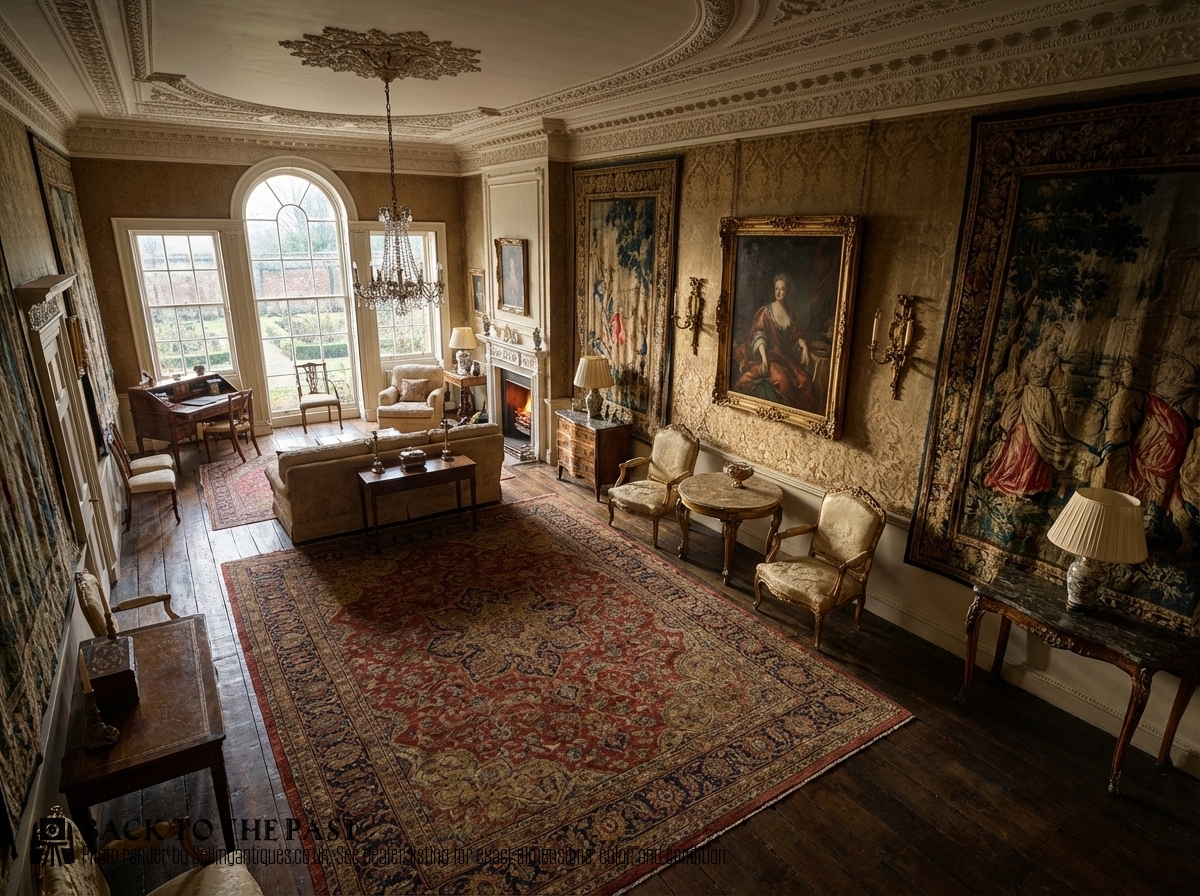
Console tables traditionally stand against a flat wall in a hallway, drawing room, or dining space. They work particularly well beneath a large mirror or painting to anchor the vertical space of a room.
Because their depth is often shallow compared to a standard dining table, they occupy minimal floor space while offering a solid surface for lamps or decorative objects.
Are marble tops original?
Many period console and coffee tables retain their original inset marble, onyx, or breche d'alep stone tops. The weight of the stone helps stabilize the carved wooden base underneath.
When evaluating a piece, check how the marble sits within the wooden rebate and whether the edges show the appropriate wear and patination expected from the period.
How do I clean giltwood?
Giltwood requires delicate maintenance because water and modern chemical cleaners can dissolve the historical gesso and gold leaf layers. Dusting should be done strictly with a dry, soft brush.
Avoid rubbing the surface vigorously, as the thin metallic leaf is prone to thinning or flaking off the underlying preparation layers over time.
What defines the Neoclassical style?
Neoclassical pieces draw inspiration from classical Greek and Roman architecture, featuring straight lines, symmetry, and restrained ornamentation such as fluted legs or ribbon twists. This aesthetic contrasts sharply with the asymmetrical curves of earlier Rococo designs.
Tables from this movement often incorporate architectural motifs like columns, paterae, and formal drapery carvings.