
George I Lowboy
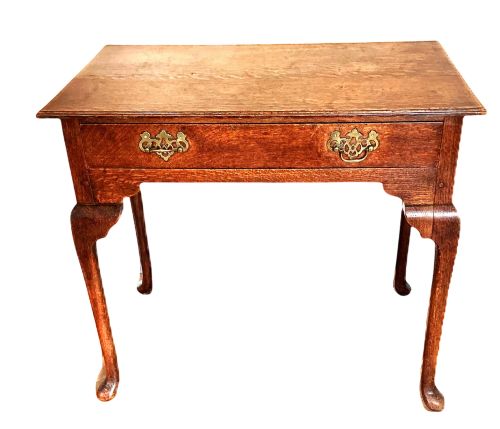
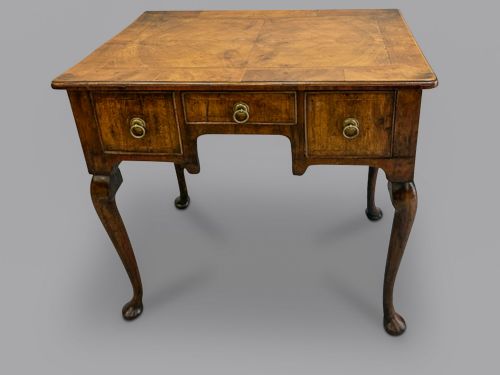
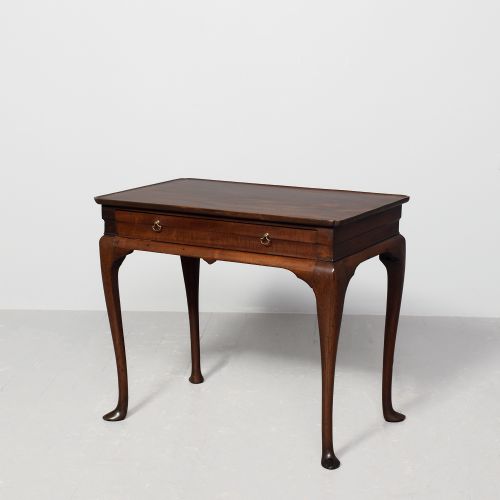
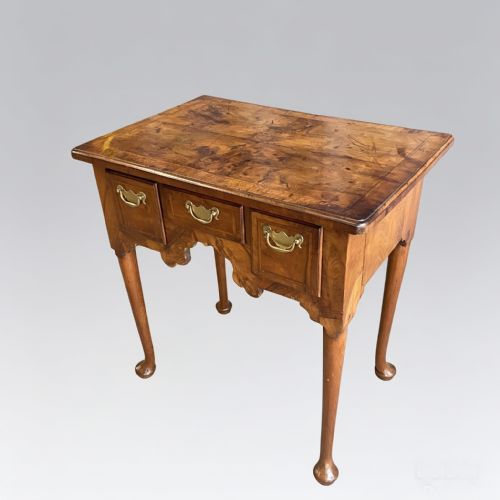
A george i lowboy offers a low dressing table or side table with drawers, prized for compact proportions and fine cabinet timber.
George I Lowboy
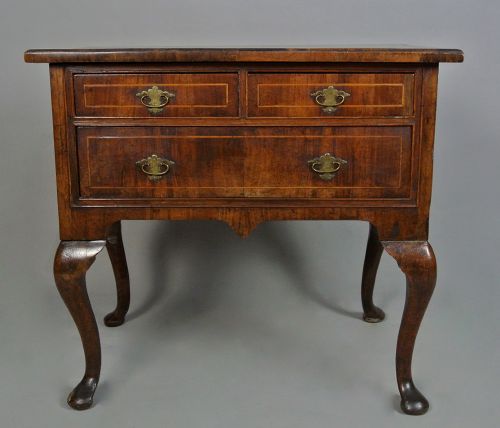
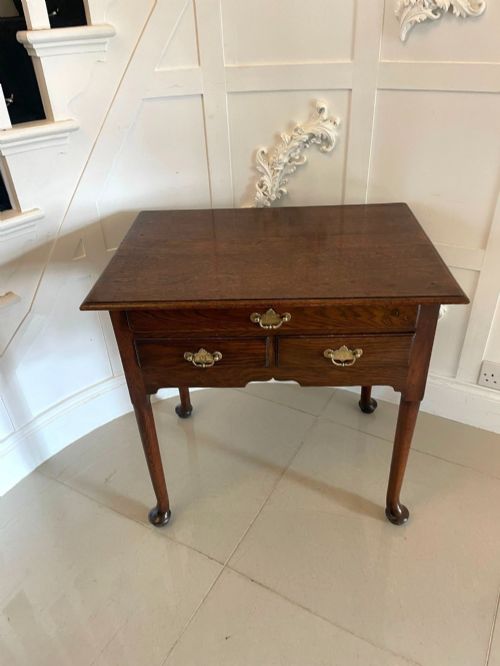
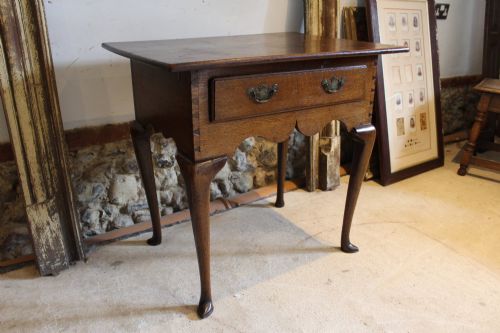
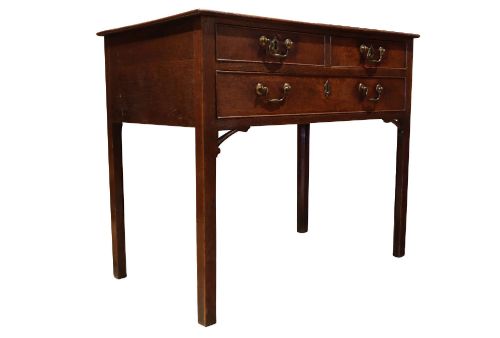
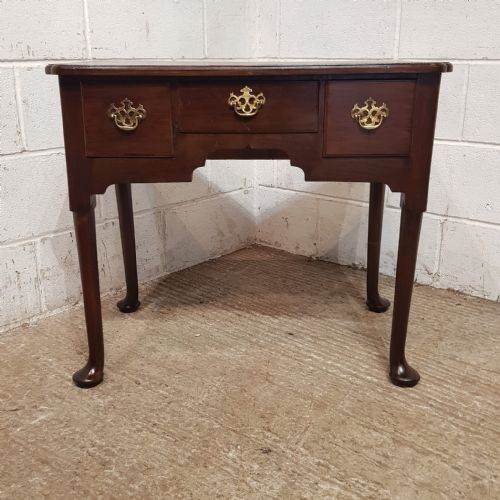
A george i lowboy serves as a low side table or dressing table equipped with one to three drawers, standing on slender legs. These small tables sit comfortably in halls, bedrooms or reception spaces as versatile surfaces.
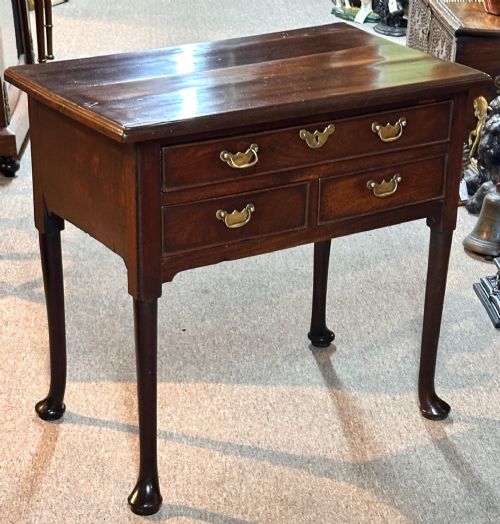
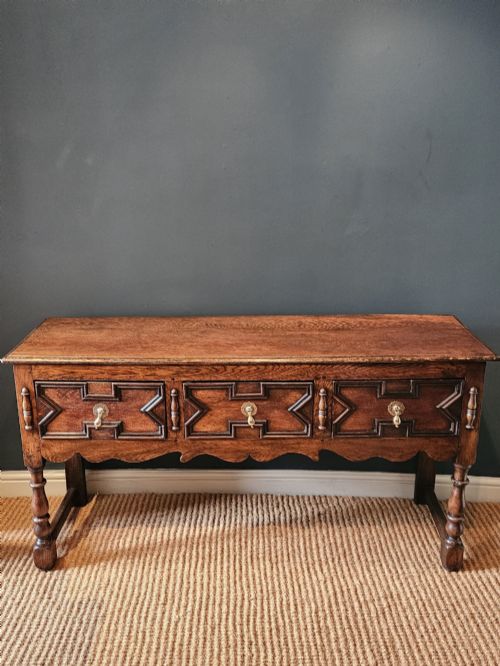
The pieces appearing here span the early eighteenth century into the reign of George III, with later revival examples also represented. Oak and walnut form the core of what you encounter, alongside mahogany and occasional fruitwoods like cherry or yew.
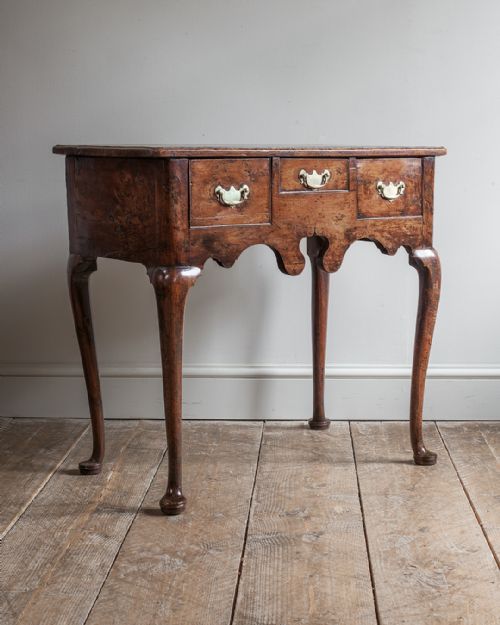
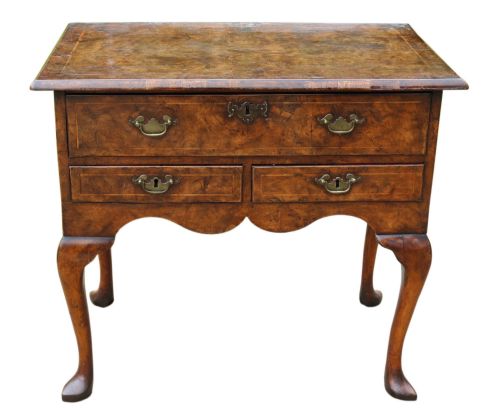
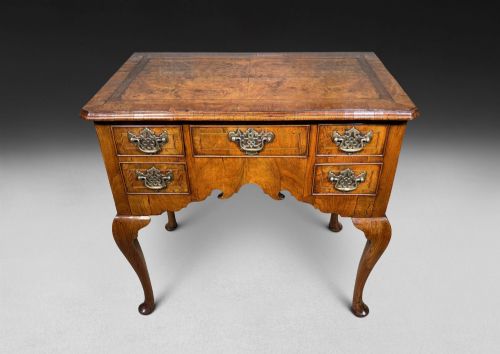
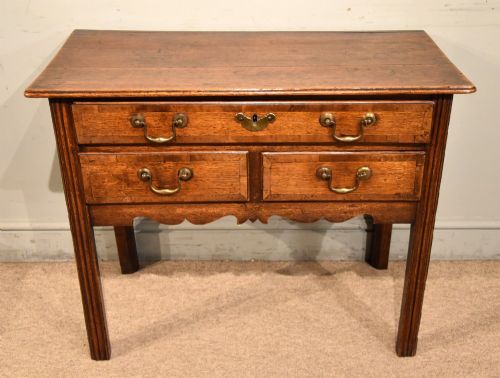
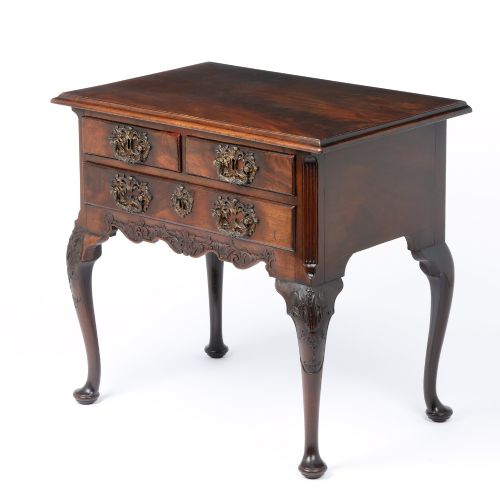
Most examples present a rectangular top above a frieze arrangement of drawers, often supported by cabriole legs. Variations range from simple country oak versions to highly figured walnut pieces featuring feather banding and cross-banding.
Materials and Construction
Cabinet makers built these low tables using native oak for sturdy country pieces, while walnut and mahogany served finer urban commissions. Walnut veneers frequently decorated drawer fronts, secured with herringbone inlay or feather banding.
Joinery relied on dovetailed drawer construction and pegged mortise and tenon frames. Early pieces integrate softwoods like pine for internal drawer linings and backboards while primary show woods display careful selection for grain and figure.
Some country lowboys bear their original owners' initials and construction dates carved directly into the underside woodwork.
What Varies in Quality
Quality rests on the choice of timber and the crispness of the cabinet work. Highly figured burr walnut or quarter-veneered surfaces denote higher status pieces made for affluent households, whereas plain oak serves simpler domestic settings.
Proportion and leg profile dictate visual success. Slender cabriole legs with well-defined knees command greater attention than heavy or plain uprights, while surviving original brass handles elevate the integrity of a piece.
The George I Lowboy Glossary
- Lowboy
- A small pedestal-free table with drawers, typically used as a dressing table or side table during the eighteenth century. They sit lower than standard writing tables.
- Cabriole leg
- A furniture leg that curves out at the knee and tapers inward to an ankle, often ending in a pad or foot. This form derives from animal limbs.
- Feather banding
- A decorative inlay technique where thin strips of veneer are laid in a V-shaped pattern around drawer edges or tabletops. It requires high precision from the woodworker.
- Cross-banding
- A narrow border of veneer laid perpendicular to the grain of the main surface. This frames the primary wood panel of a drawer front.
- Quarter-veneered
- A method of arranging four matching slices of veneer cut from the same log section to create a symmetrical pattern. Cabinet makers used this on walnut surfaces.
George I Lowboy: Frequently Asked Questions
What is a lowboy used for today?
These low tables function well as hallway console tables, compact dressing desks, or bedside surfaces. Their modest depth allows them to fit narrow spaces where standard furniture fails.
The drawer space also provides practical storage for keys, stationery, or small personal items while maintaining a light visual footprint in a room.
How do I tell George I from George III pieces?
Early eighteenth-century pieces under George I frequently feature walnut timber, feather banding, and elegant cabriole legs. Proportions tend to be slightly squatter with arched aprons.
By the later George III period, mahogany becomes dominant, lines straighten toward square tapered legs, and decorative stringing replaces intricate banding.
Are all lowboys made of walnut?
Walnut appears frequently in early examples, but oak forms a large portion of surviving lowboys, particularly those made for provincial homes. Mahogany becomes common later in the century.
Regional pieces also utilise fruitwoods such as cherry, elm, yew, and plum, reflecting local timber availability rather than metropolitan fashions.
How do I care for an eighteenth-century lowboy?
Keep wooden tables away from direct heat sources and dramatic humidity shifts to prevent timber splitting and veneer lifting. Regular dusting with a dry cloth suffices for routine maintenance.
Occasional application of traditional wax helps nourish older finishes without building up heavy chemical residues that obscure the natural grain.