




Box Stretcher Table
A box stretcher table brings robust stability and period character to any room, anchoring centuries of domestic life in solid timber.
Box Stretcher Table
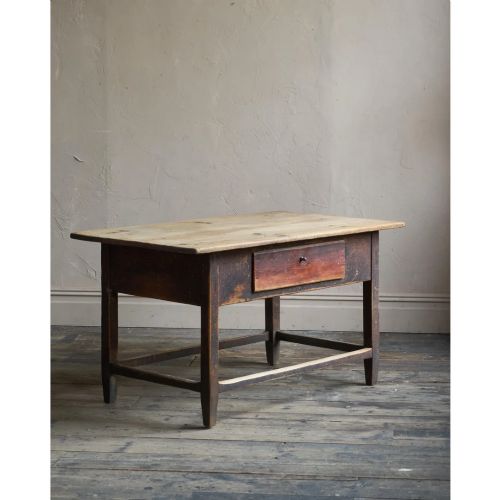
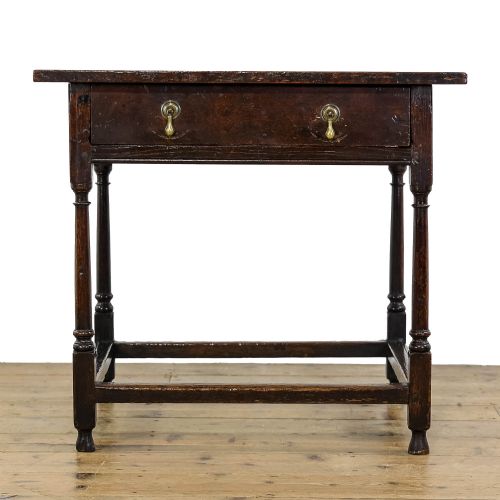
When you search for a box stretcher table, you encounter sturdy timber furniture designed with horizontal stretchers running between all four legs near the base. These pieces primarily date from the 17th century through to the 19th century, drawing on Jacobean, William and Mary, and Georgian traditions. The form provides a firm foundation, originally conceived to keep feet off damp floors and to brace heavy frames.
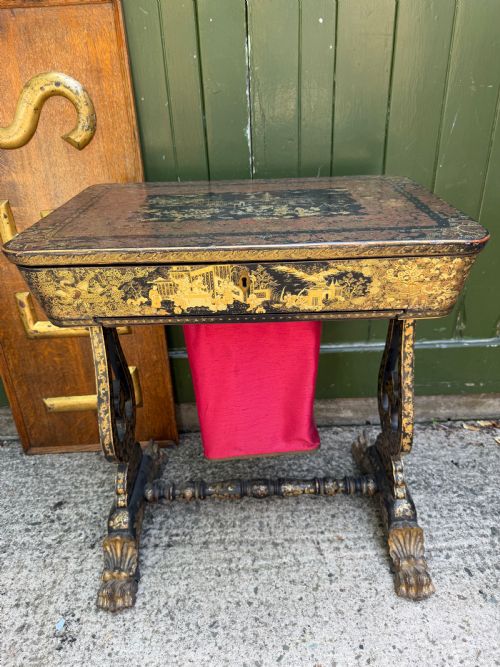
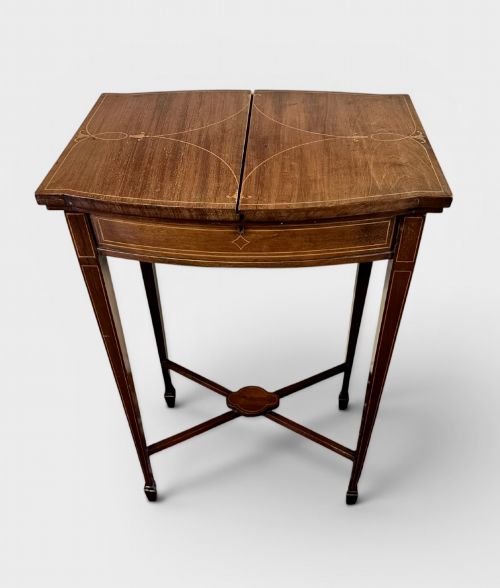
On this page, side tables, lowboys, work tables, and occasional tables dominate the selection, alongside joint stools that share the same architectural bracing. Oak and mahogany serve as the primary timbers, while painted finishes and Scandinavian country pieces appear alongside refined walnut examples. The examples span centuries of domestic use, reflecting how cabinet makers adapted the stretcher frame from heavy dining tables down to smaller occasional furniture.
Materials and construction methods
Carpenters built these frames predominantly using solid oak, walnut, and mahogany, shaped with hand tools and pegged joinery. Stretchers were tenoned directly into the legs to lock the base rigidly in place, preventing the timber from twisting over decades of daily use. Some iterations incorporate turned supports and brass hardware, while others receive a painted finish or delicate satinwood inlay.
Work tables and sewing tables introduced internal fitted compartments and fabric bags alongside the structural timber frame. In country workshops, pine and local hardwoods supplemented the primary woods, leaving tool marks visible beneath painted surfaces or waxed patinas.
Listings feature oak, mahogany, walnut, and pine, stretching from 17th-century joint stools to 19th-century work tables.
Assessing quality in construction and material
Quality rests in the weight of the timber and the tightness of the joinery where the stretchers meet the legs. Superior pieces retain their original pegged joints without excessive movement in the frame, whereas lesser examples show structural fatigue or replaced stretchers from later repairs. The selection of wood grain, whether figured mahogany or quarter-sawn oak, signals the ambition of the original workshop.
Surface preservation dictates the visual appeal, distinguishing untouched waxed patinas from heavy modern refinishing. Finer iterations display crisp turning on the legs and carefully dovetailed drawers, while simpler vernacular versions rely on robust utility rather than decorative flourish.
The Box Stretcher Table Glossary
- Box stretcher
- A system of horizontal wooden bars connecting all four legs of a table near the base. This arrangement adds rigidity to the frame and provides a traditional footrest.
- Lowboy
- A small oak, walnut, or mahogany table with one or more rows of drawers beneath the top. They function as side tables or dressing tables.
- Joint stool
- A sturdy wooden stool constructed with mortise and tenon joints, sharing structural ties with early tables. These pieces often doubled as small stands or seating.
- Quarter-sawn
- A method of cutting logs that exposes the medullary rays in oak, producing a distinctive flecked grain pattern. This cut offers greater dimensional stability to the timber.
- Work table
- A small functional table equipped with drawers, compartments, or suspended fabric bags for needlework and sewing implements. They became popular during the Georgian and Victorian periods.
Box Stretcher Table: Frequently Asked Questions
What is a box stretcher table?
A box stretcher table is a piece of furniture featuring horizontal rails connecting all four legs near the floor. This design provides structural reinforcement to the base.
Such tables range from 17th-century oak side tables to 19th-century work tables. The frame design prevents the legs from bowing outward under heavy loads.
How old are these tables?
The pieces span from the 17th century through the 19th century, encompassing Jacobean, William and Mary, and Georgian periods. Construction methods and wood choices shift across these eras.
Early examples utilise heavy oak with pegged joinery, while later 18th and 19th-century versions favour mahogany, walnut, or painted finishes with lighter proportions.
Where were they used?
These tables served various domestic functions throughout the house, acting as side tables, lamp tables, or dedicated work stations for sewing and needlework. Smaller formats suited hallways and parlours.
Sturdier oak variants originated in utilitarian spaces, whereas walnut and mahogany iterations stood in formal reception rooms and bedchambers.
How do I care for antique timber?
Maintain antique timber by keeping it away from direct heat sources and sudden humidity changes. Apply a neutral beeswax periodically to nourish the dry wood.
Avoid excessive polishing with modern silicone sprays, which can build up on the surface and dull the original patina over time.