

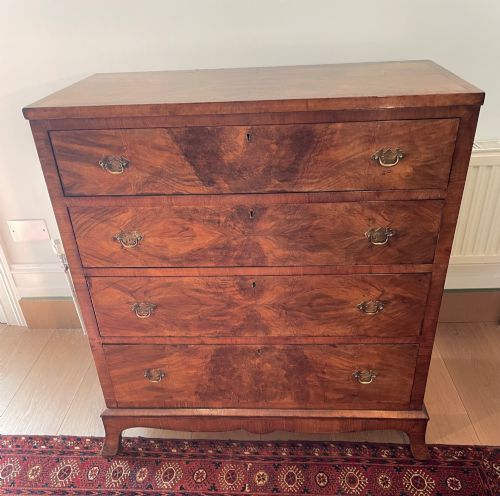
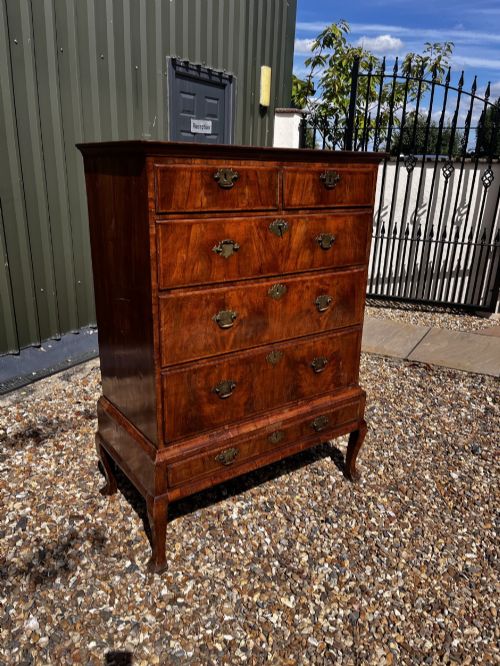
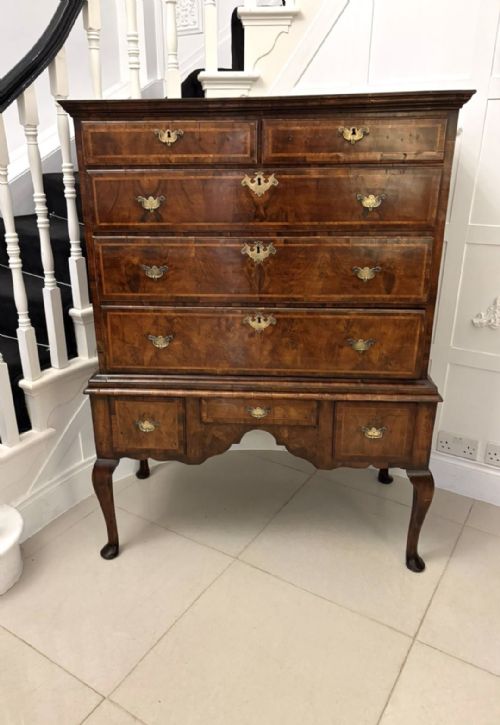
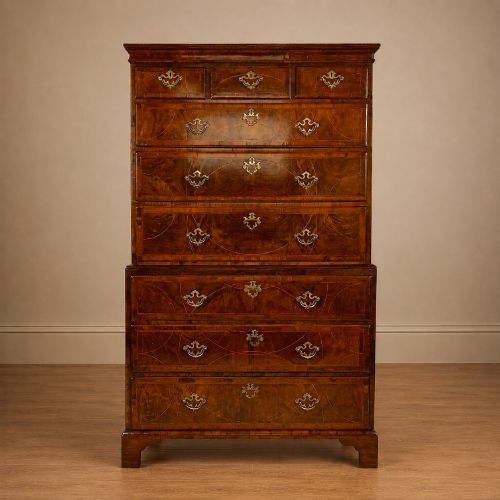
George I Burr Walnut
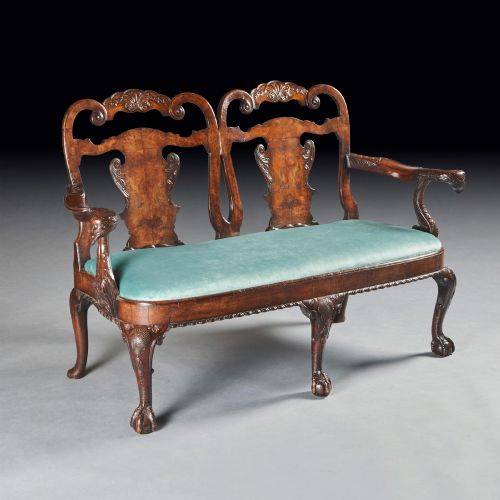
When you search for george i burr walnut, you encounter high-status English furniture built from richly figured timber during the early eighteenth century and its later revivals.
George I Burr Walnut
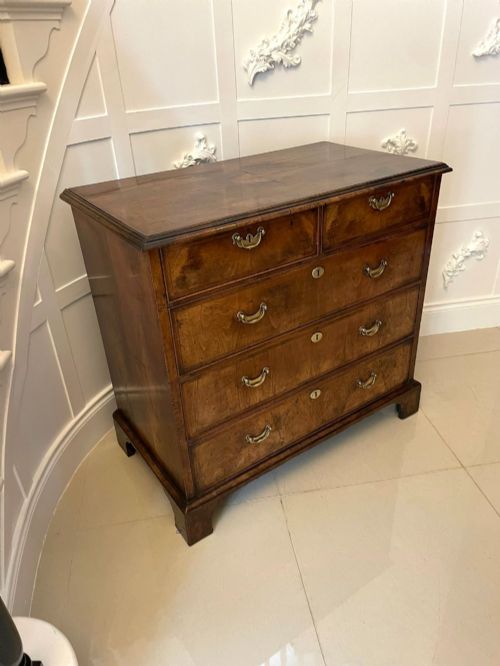
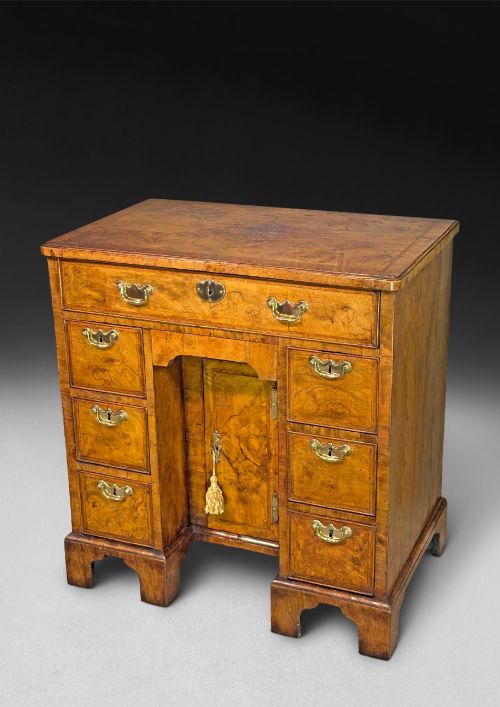
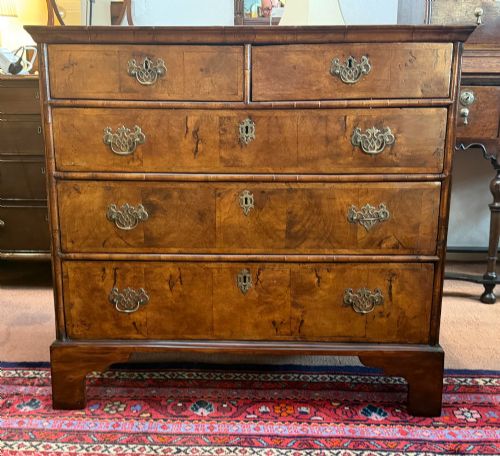
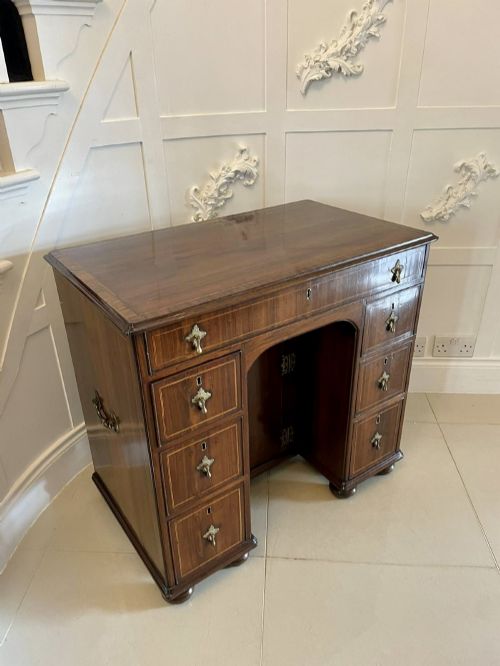
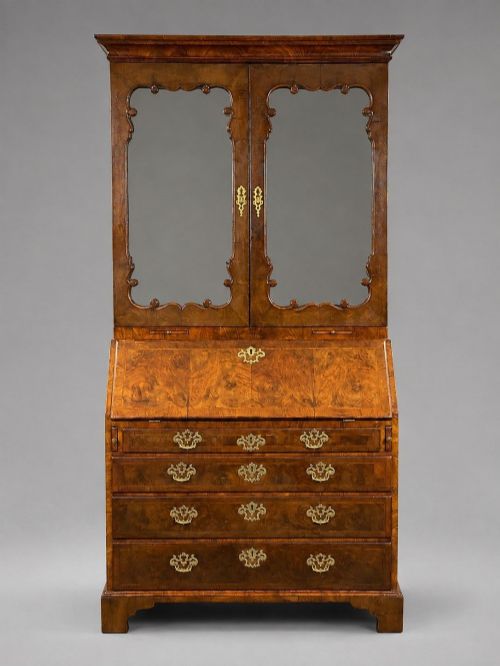
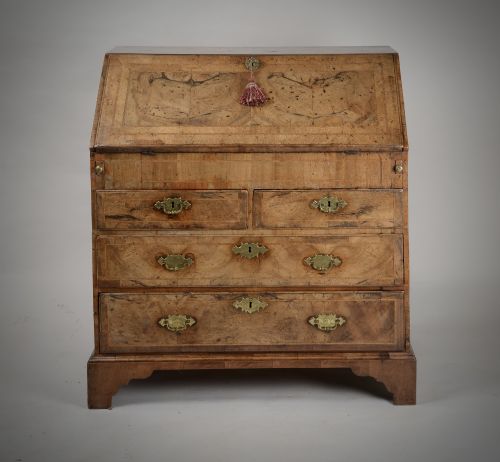
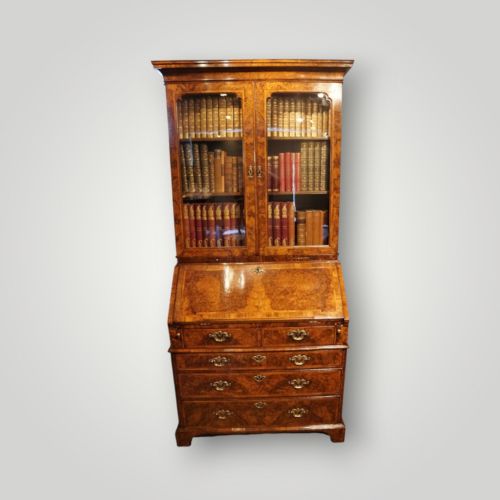
The dominant forms are case furniture designed for storage and writing, ranging from compact kneehole desks to monumental bureau bookcases arranged in sections with fitted interiors.
Buyers frequently encounter both authentic 18th-century examples dating from the reigns of the early Georges and later revival pieces constructed in the George I style during the Victorian and Edwardian periods.
How george i burr walnut items were made
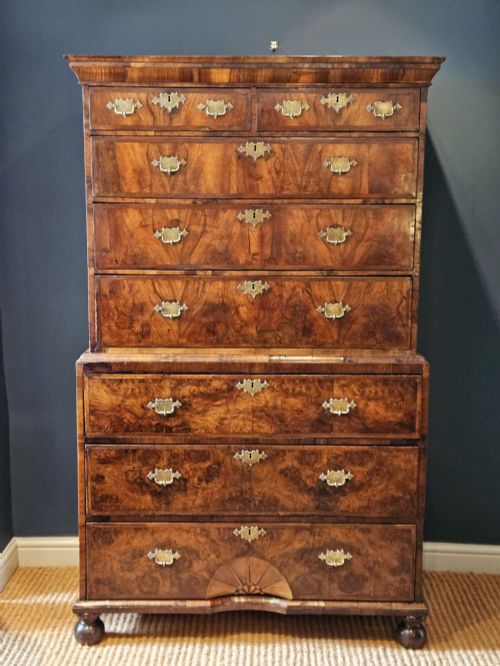
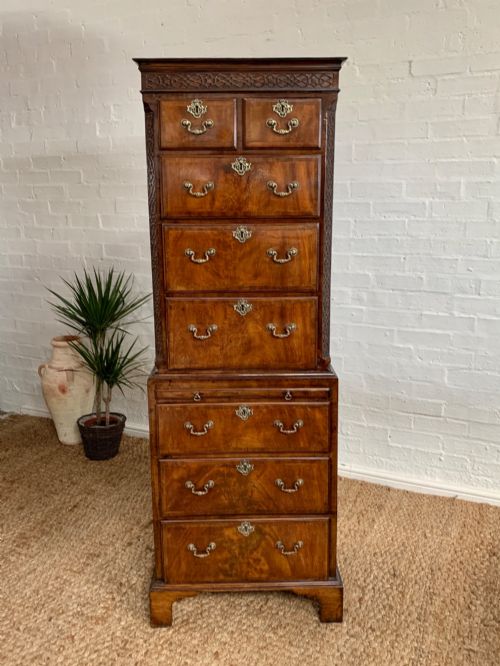
Cabinetmakers constructed these pieces by applying thin veneers of figured burr walnut onto stable secondary woods such as oak and pine, securing the decorative grain patterns across primary surfaces.
Craftsmen enhanced the timber using techniques like crossbanding and line inlay, framing the distinct burl patterns with contrasting borders of grain.
Essential structural and decorative elements incorporated cast brass hardware, mirrored glass panels, and dedicated fittings such as candle slides within bureau compartments.
A solitary wine table records a playful walnut marquetry detail celebrating the George and Dragon.
What varies in quality across these examples
The grade of the furniture depends fundamentally on the selection and matching of the burr walnut veneer, where tighter, more symmetrical knot formations command greater appreciation than plain timber.
Construction methods dictate durability and distinction, separating workshops that utilised meticulous secondary framing in oak from those employing simpler pine or later manufacturing shortcuts.
Proportion and surviving original hardware define the integrity of a piece, distinguishing items that retain their initial surface patination from those altered by extensive restoration.
Windmills and Wightman·Thomas Vernon·George Tyler
The George I Burr Walnut Glossary
- Burr walnut
- A figured wood veneer harvested from the irregular growths on walnut trees, prized for its swirling, highly decorative grain patterns. Cabinetmakers sliced this timber thinly to cover the primary drawer fronts and tabletops of fine case furniture.
- Lowboy
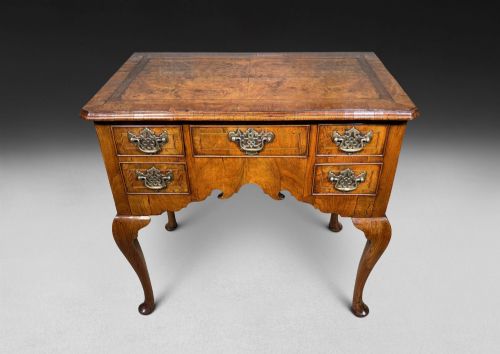
- A small, low dressing table or side table typically featuring one or more rows of drawers supported on slender legs. These domestic pieces frequently showcase detailed walnut veneers and elegant cabriole supports.
- Kneehole desk
- A compact writing table designed with a central recessed opening flanked by pedestals of small drawers. This form allows the user to sit comfortably while utilising the surface for correspondence.
- Crossbanding
- A decorative border technique where narrow strips of veneer are laid perpendicular to the main grain of the furniture. This method frames panels of burr walnut to create a neat, finished edge.
George I Burr Walnut: Frequently Asked Questions
What is george i burr walnut?
Furniture described as george i burr walnut encompasses case pieces like chests, desks, and bookcases featuring decorative burr veneer from the early 18th century or later revival periods.
These items are defined by their warm timber tones and intricate grain patterns applied to practical domestic forms.
How do I care for burr walnut?
Burr walnut surfaces require protection from direct sunlight and steady indoor humidity to prevent the thin historical veneers from drying or lifting.
Regular dusting with a dry cloth maintains the finish without risking moisture damage to the antique timber.
Are all these pieces from the 18th century?
The selection includes authentic pieces from the 18th century alongside revival items produced during the late 19th and early 20th centuries.
Examining the construction methods, secondary woods, and hardware helps distinguish original Georgian pieces from later interpretations.
Where were these pieces used?
Original pieces served as functional furnishings in private parlours, bedrooms, and studies of wealthy Georgian households for writing and storage.
Today, collectors place these versatile case items in similar domestic settings as practical focal points.