
Antique Desk on Legs
An antique desk on legs offers a dedicated writing surface raised off the floor, spanning Georgian to Edwardian periods in mahogany, oak and walnut.
Antique Desk on Legs
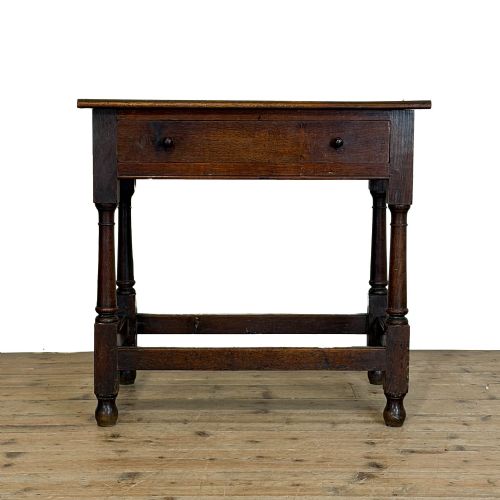
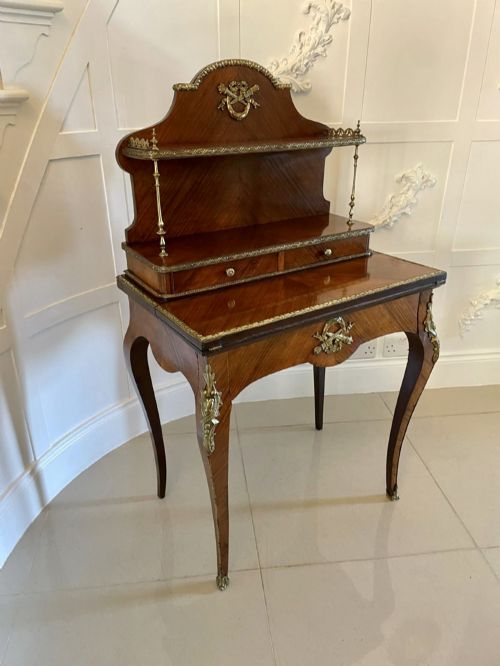
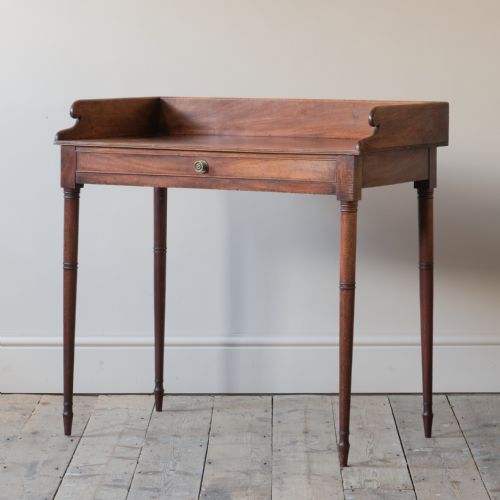
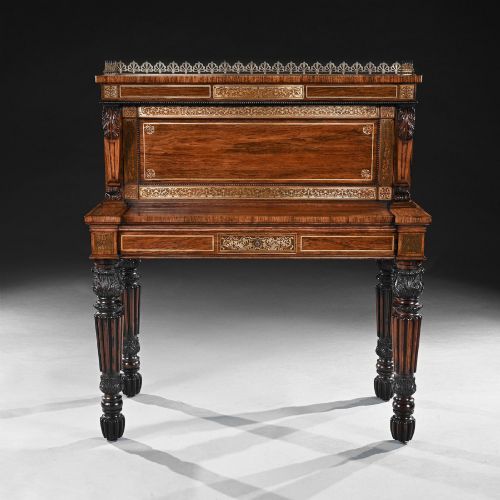
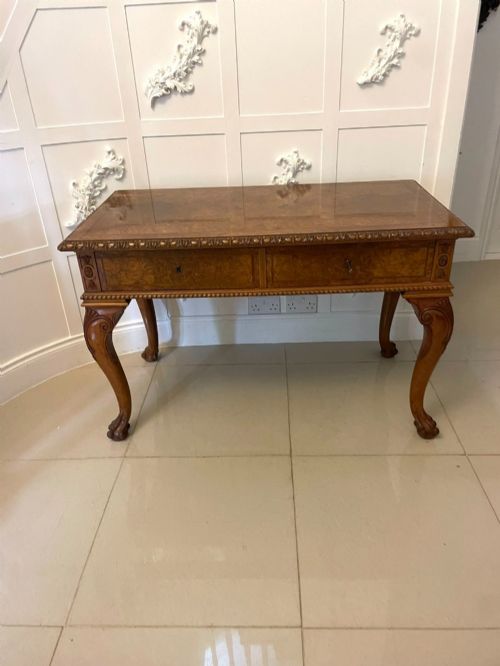
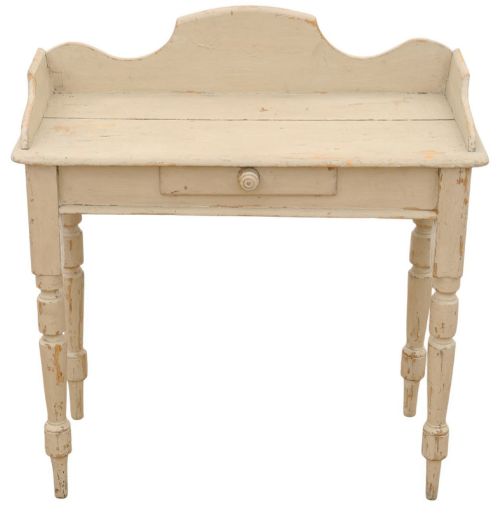
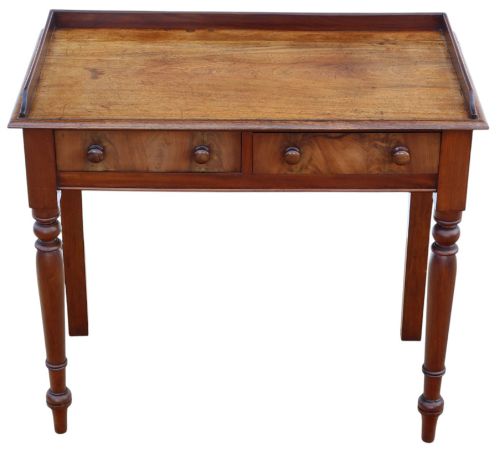
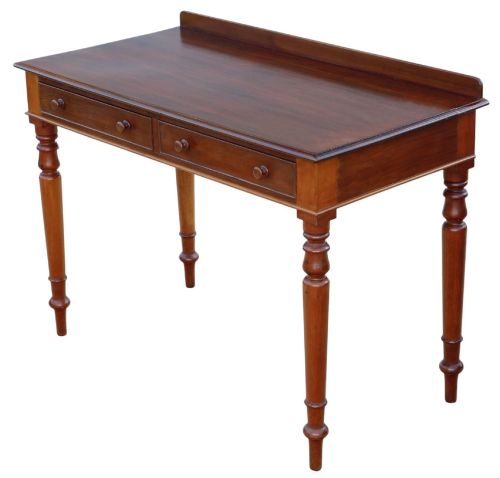
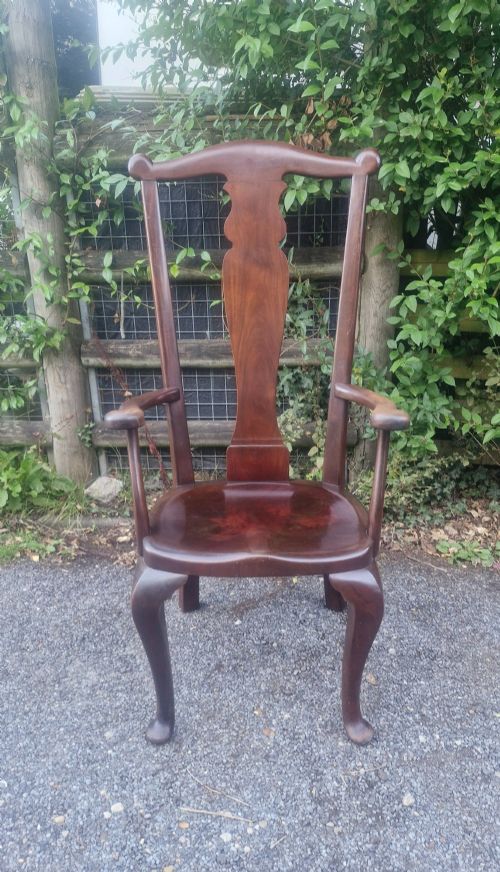
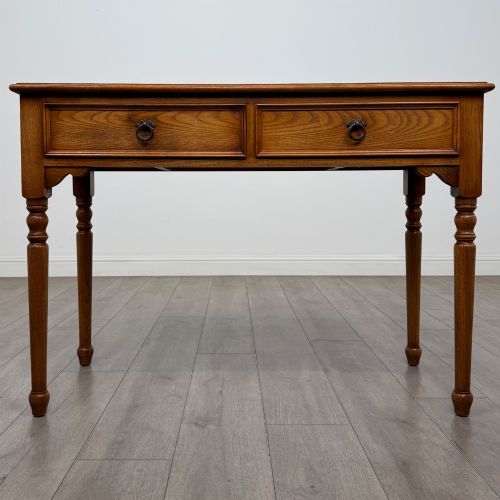
When searching for an antique desk on legs, you encounter freestanding writing tables, bureaus on stands and pedestals raised on various leg forms. These pieces serve as functional writing surfaces and display furniture for studies, libraries and living spaces.
The pieces on this page span the 18th century, Regency, Victorian and Edwardian periods. Mahogany, oak and walnut form the primary timber framework of these tables and desks.
Desks and writing tables appear alongside bureaus on stands, lowboys and occasional tables adapted for writing. Makers utilised timber frames supported by turned, tapered or cabriole legs.
How they were made
Cabinet makers constructed these desks using solid timbers like mahogany, oak, walnut and elm, frequently applying veneers such as burr walnut, rosewood and satinwood to primary surfaces. Brass mounts, handles and inlay work provided decorative contrast against the polished wood.
Joinery techniques included mortise and tenon frames for stability, dovetailed drawer construction and turned or carved leg supports. Secondary woods lined drawer interiors and backing panels.
Listings feature pieces from the 18th century, Regency, Victorian and Edwardian periods, constructed in mahogany, oak, walnut and satinwood.
What varies in quality
The grade of timber selection dictates visual merit, particularly in figured mahogany, burr walnut and satinwood veneers where grain patterns display deliberate symmetry. Construction depth appears in the weight of the timber, secondary wood choices and the precision of dovetailing within drawer boxes.
Decorative detailing separates standard production from superior workshops, visible in brass inlay, carved leg motifs and hand-polished finishes. The integration of functional elements, such as smoothly operating drawers and well-fitted leather writing inserts, marks the distinction between ordinary and exceptional examples.
Gillows Oxford Street Workshop·Heal and Son·Charles Tozer
The Antique Desk on Legs Glossary
- Bureau on stand
- A sloping-front desk placed on a separate frame with legs. This form lifts the writing cabinet off the floor, often featuring drawers beneath the main body.
- Lowboy
- A small kneehole dressing table or side table with drawers, dating from the 18th century. These pieces stand on four legs and function as compact writing surfaces.
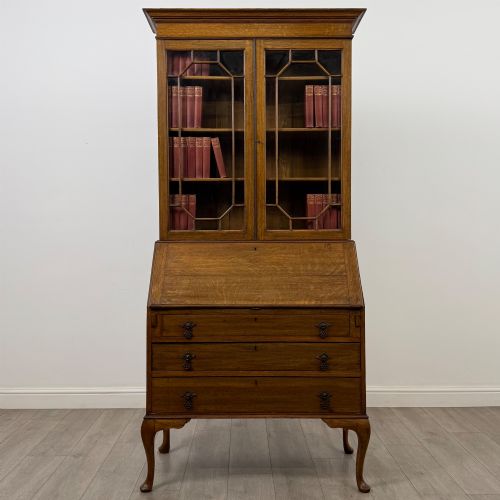
- Bureau bookcase
- A writing cabinet with a sloping desk section positioned beneath enclosed shelving. Glazed or panelled doors enclose the upper bookcase portion.
- Marquetry
- Decorative veneer work forming pictorial patterns using various coloured woods. Craftsmen cut thin pieces of wood and fitted them together into a surface design.
Antique Desk on Legs: Frequently Asked Questions
What is an antique desk on legs?
An antique desk on legs is a raised writing surface resting on a framed support rather than a built-in pedestal base. These pieces range from compact tables to bureaus on stands.
Craftsmen built them during the Georgian, Victorian and Edwardian eras using woods like mahogany, oak and walnut. They provide functional workspace while maintaining an open floor appearance.
Where should I place a desk in a room?
Freestanding writing tables and desks with finished backs sit effectively in the centre of a room. Pedestal and bureau models usually align against walls or within study spaces.
Consider natural light sources relative to the writing surface and allow sufficient clearance behind the desk for a chair.
How do I care for antique wood?
Maintain antique timber surfaces by keeping them away from direct heat sources and strong sunlight, which cause wood and veneer to dry out.
Apply traditional wax polish occasionally to nourish the grain and clean gently with a dry, soft cloth. Avoid using modern liquid sprays containing silicone.