

18th Century Cabinet Stand
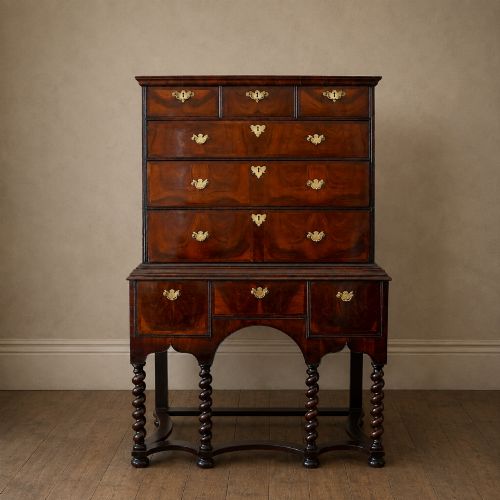
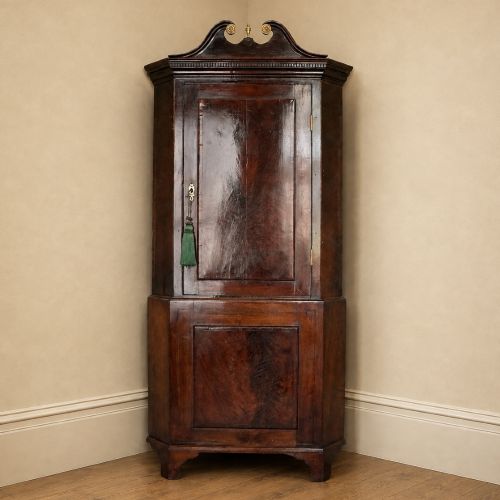
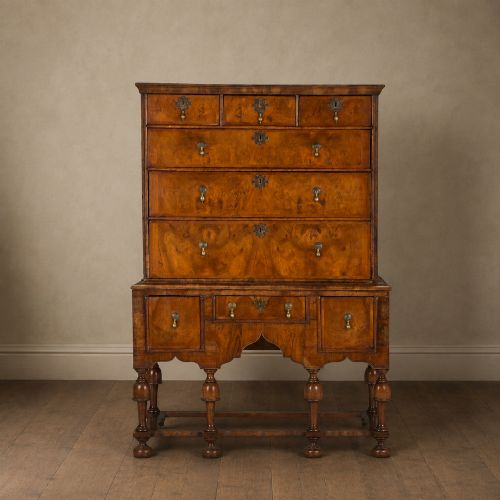
These pieces for an 18th century cabinet stand offer raised storage and display surface rooted in Georgian design.
18th Century Cabinet Stand
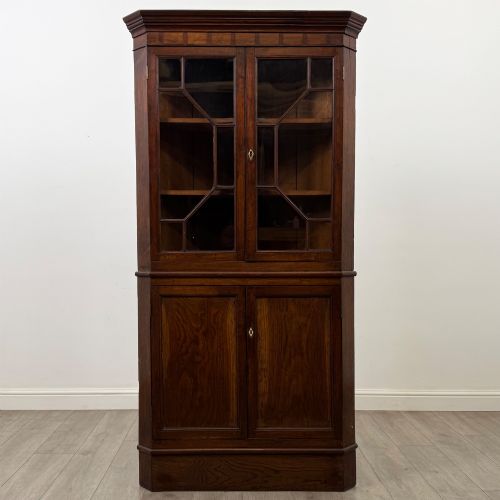
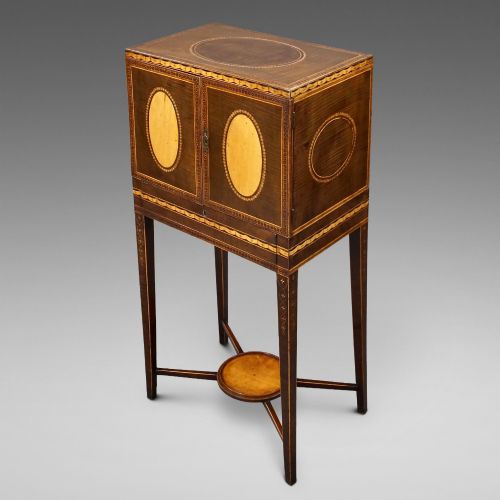
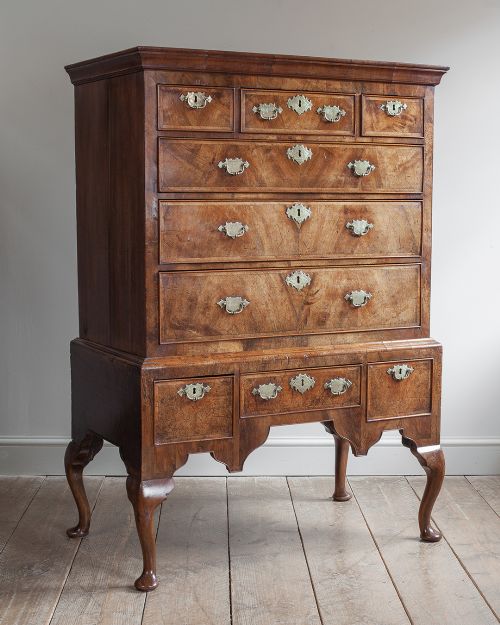
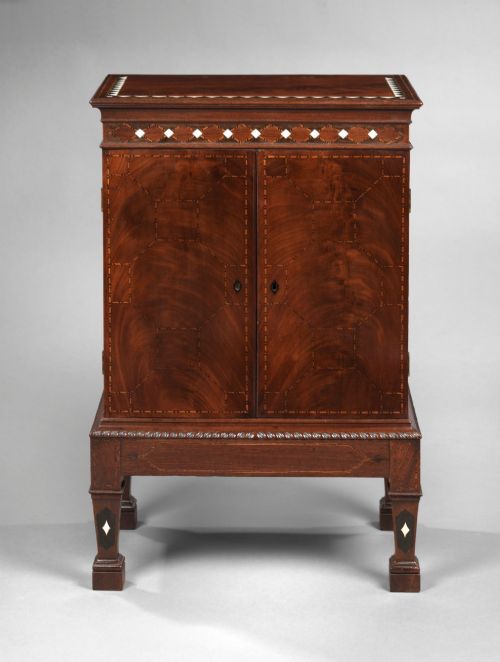
An 18th century cabinet stand comprises a raised upper storage section supported by a distinct lower frame or legs, spanning forms from diminutive chests to grand collector's pieces. Buyers browsing this page encounter walnut, oak, mahogany, and lacquered surfaces built during the Georgian, Queen Anne, and George III periods.
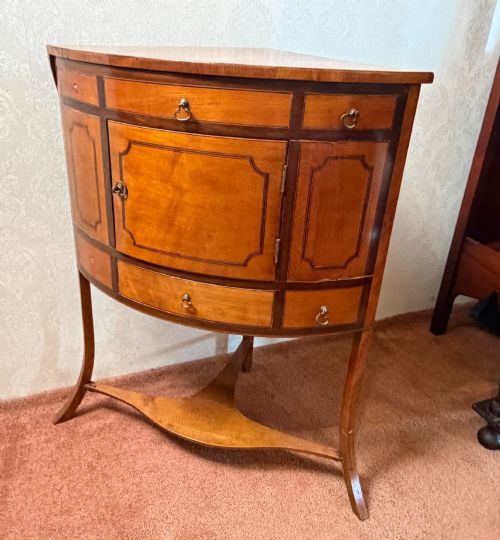
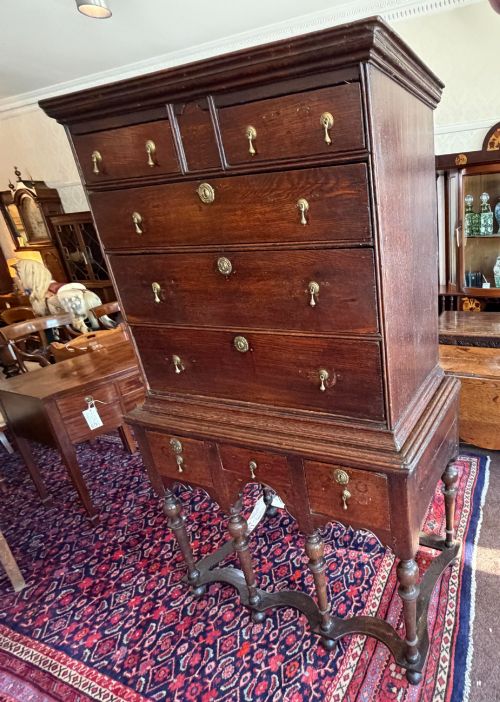
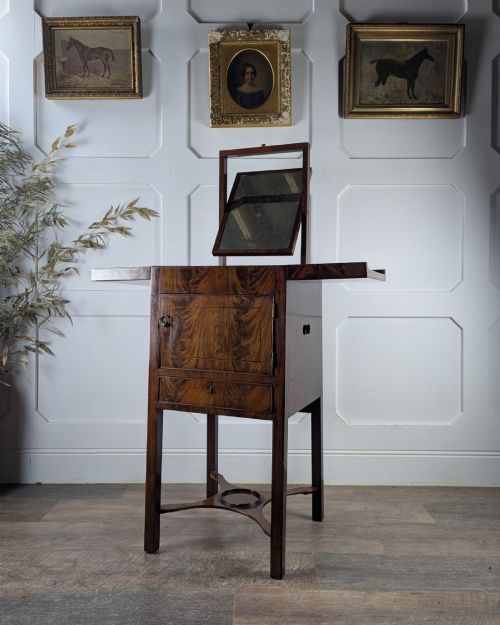
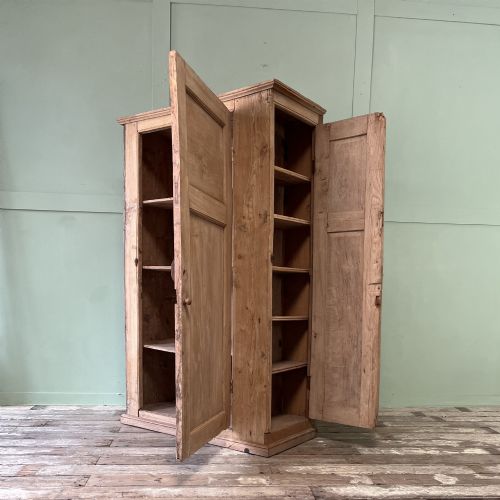
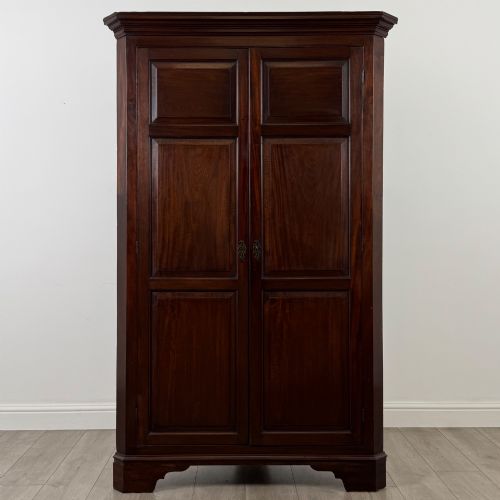
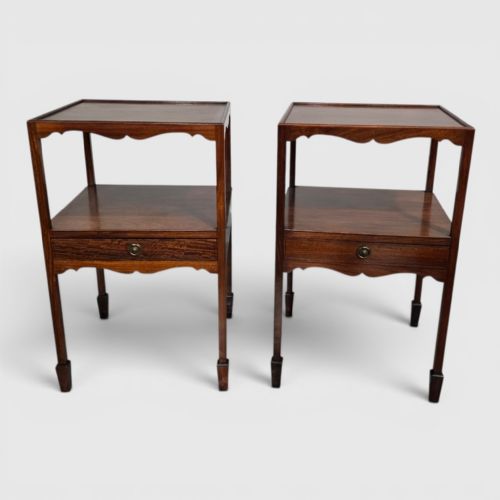
The dominant forms recorded in the evidence are chests on stands and specialised cabinets, frequently accompanied by related vernacular pieces such as corner cupboards, food cupboards, and washstands. These items reflect the domestic storage needs of period households, combining elevated drawers or cupboards with accessible open stands.
Materials and construction
Cabinet makers utilised dense hardwoods including mahogany, walnut, and oak, often applying decorative veneers like harewood, flame mahogany, or crossbanding to prominent exterior surfaces. Secondary timbers such as pine appeared in internal framing and drawer construction.
Surface treatments varied from clear wax polishes highlighting natural grain figures to japanning, lacquering, and original paint finishes. Joinery methods relied on traditional mortise and tenon frames alongside dovetailed drawer boxes fitted to the stands.
Design influences range across Queen Anne, Georgian, George III, Chippendale, Sheraton, and Welsh vernacular traditions.
Variations in quality
Quality rests upon the selection of timber figures, the precision of crossbanding or veneer matching, and the integrity of the original stand structure relative to the upper cabinet. Pieces retaining their original paint, japanning, or lacquer surfaces command particular attention.
Finer examples demonstrate subtle architectural mouldings, refined brass hardware, and harmonious proportions between the upper storage volume and the supporting legs.
The 18th Century Cabinet Stand Glossary
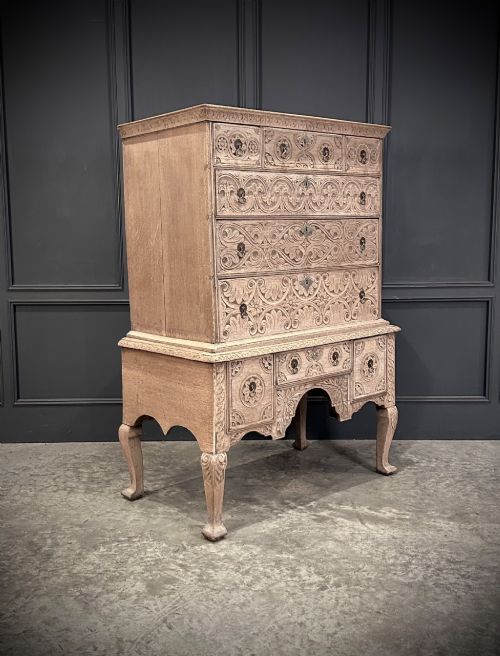
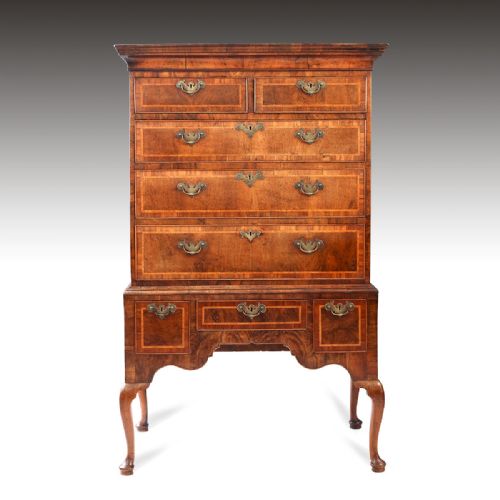
- Chest on stand
- A two-part form consisting of a drawer-fitted upper chest elevated on a distinct base with legs. This form lifted storage off damp floors.
- Japanning
- A European imitation of East Asian lacquerwork built up in layers of varnish and resin. It often featured raised gilt motifs on dark grounds.
- Crossbanding
- A border veneer technique where grain runs perpendicular to the main panel. This method framed drawer fronts and tabletops.
- Padouk
- A heavy tropical hardwood with a distinctive reddish hue used in colonial furniture production. It provided exceptional durability.
18th Century Cabinet Stand: Frequently Asked Questions
What is an 18th century cabinet stand?
An 18th century cabinet stand is a raised storage unit featuring an upper cabinet or chest supported by a distinct base of legs. These pieces combined display and secure storage in Georgian interiors.
They appear in walnut, mahogany, and oak, reflecting the prevailing furniture styles of the Queen Anne and George III eras.
How do you date walnut pieces?
Walnut furniture in these listings predominantly points to the early 18th century, particularly the Queen Anne and George I periods around 1710 to 1720. Makers favored burl and veneered walnut during this timeframe before mahogany gained dominance.
Examining the construction of the carcase and drawer linings helps distinguish these early examples from later revivals.
Were these cabinets used in bedrooms?
Period interiors utilised these cabinets across various rooms depending on their specific form, from collector's pieces in studies to washstands and bedside tables in sleeping quarters. Tall chests on stands provided substantial linen and personal storage.
Standing corner cupboards and smaller bedside cabinets maximised awkward wall spaces in domestic chambers.
What is japanned furniture?
Japanning is a European technique mimicking Asian lacquerwork through layered varnishes and raised decorative motifs. Examples in the evidence include specialised collector's cabinets finished in this detailed manner.
This finish created glossy, dark surfaces adorned with gilt Chinoiserie scenes popular among elite collectors.