





Georgian Giltwood Furniture
Georgian giltwood furniture brings brilliant reflective light and carved luxury into a room, spanning consoles, tables and mirrors.
Georgian Giltwood Furniture
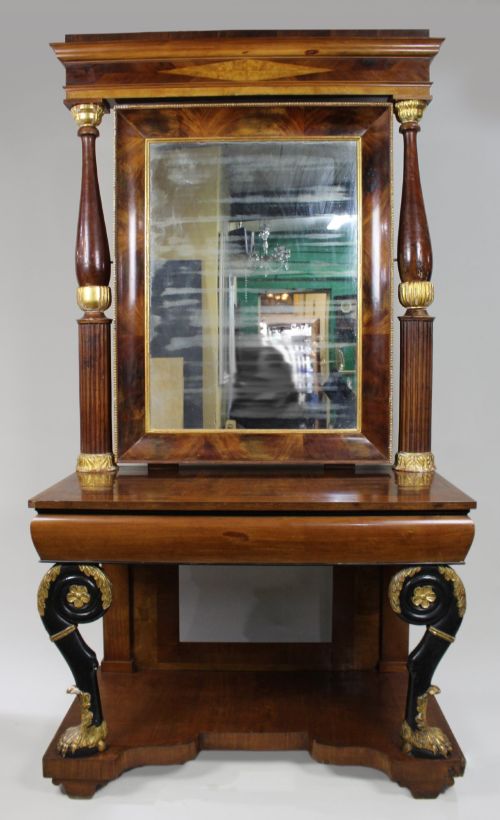
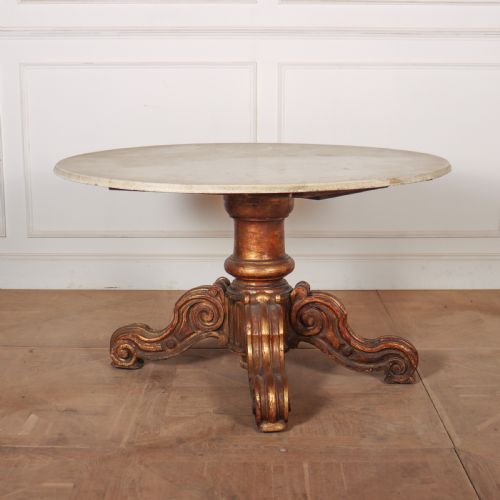
Georgian giltwood furniture encompasses striking decorative items created across the eighteenth and nineteenth centuries, alongside later twentieth-century interpretations in established styles. The examples on this page cover a broad functional range, including console tables, centre tables, fire screens, side chairs, wall shelves, breakfast tables, cabinets on stand, and torcheres.
The aesthetic crosses multiple distinct regional idioms and periods, taking in English George I, George II, and George III output, alongside Irish pieces, Regency designs, and Italian neoclassical and rococo creations. Buyers encountering this selection will find both primary period works and later twentieth-century revival pieces modelled on earlier forms.
How they were made
These items rely on timber and wood foundations, frequently enhanced with gesso layers prepared to receive delicate surface gilding. Master craftsmen shaped these structural substrates through carving, building complex ornamental profiles before applying gold leaf.
Many forms incorporate contrasting materials to accent the giltwood framework, utilising marble, brass, glass, and velvet. Selected pieces combine giltwood enrichment with distinct cabinet timbers such as pollard oak, mulberry wood, and rosewood.
Georgian Giltwood Furniture Retail Price Guide 2026
Typical asking prices for georgian giltwood furniture among the pieces listed under this phrase on Sellingantiques today, from the lower quarter to the upper quarter. They describe what is for sale here now, not the wider market.
Listings incorporate items spanning the Georgian, Regency, and 19th Century periods, alongside pieces dated to 1920.
What varies in quality
Quality in these objects rests upon the depth, crispness, and vitality of the carved ornament applied to the wood and gesso. Superior examples display confident, fluid hand-carving that retains sharp undercut details, whereas lesser pieces show softer, shallower execution.
The integration of secondary materials such as figured timbers, marble tops, or specialised glass plates dictates the standing of an individual piece. The integrity of the original gilded surface and the sophistication of the regional design, whether English, Irish, or Italian, further separate standard works from exceptional ones.
Strahan of Dublin
The Georgian Giltwood Furniture Glossary
- Giltwood
- Wood that has been coated with gold leaf or powder over a prepared ground. This technique creates a luminous, reflective metallic finish characteristic of high-status furnishings.
- Console table
- A table designed to stand against a wall, frequently supported by ornate brackets or legs at the front. These pieces often feature decorative marble tops.
- Torchere
- A tall stand or pedestal originally intended to hold a candle or light source. They are frequently carved and gilded in neoclassical taste.
- Gesso
- A plaster mixture applied to wood surfaces as a smooth base for gilding. It allows craftsmen to model crisp relief details before applying gold leaf.
- Pole screen
- A fireside furnishing featuring an adjustable screen panel mounted on a vertical pole. It protected faces from the intense heat of an open hearth.
Georgian Giltwood Furniture: Frequently Asked Questions
What is a giltwood fire screen?
A giltwood fire screen is a decorative standing frame fitted with a panel, historically positioned near a fireplace to shield occupants from radiant heat. These pieces combined functional hearth protection with elaborate carved and gilded woodwork.
Examples range from pole screens with adjustable reflectors to large stationary screens incorporating glass elements. They served as prominent decorative accents within wealthy Georgian interiors.
How do I identify Regency style?
Regency style furniture draws heavily upon neoclassical architectural motifs, Roman, Greek, and Egyptian influences, and clean, balanced proportions. Pieces from this period frequently integrate parcel gilt details with dark exotic timbers like rosewood.
Items associated with this design vocabulary often feature bold carved supports, brass mounts, and restrained classical ornamentation rather than heavy rococo curves.
Where were console tables placed?
Console tables were traditionally positioned against walls in principal reception rooms, often situated beneath large wall mirrors or between windows. Their architectural placement made them focal points for displaying decorative objects.
Because they were designed to be viewed primarily from the front and sides, the front legs and aprons received the most intricate carving and gilding.
What distinguishes Italian giltwood pieces?
Italian giltwood items from the eighteenth century often reflect exuberant rococo or refined neoclassical movements with deep sculptural carving. These works frequently incorporate painted elements alongside extensive gilding on complex wooden frames.
Such pieces demonstrate distinctive continental regional aesthetics, differing substantially in contour and ornament from contemporary English workshops.