




Burr Wood Liquor Cabinet
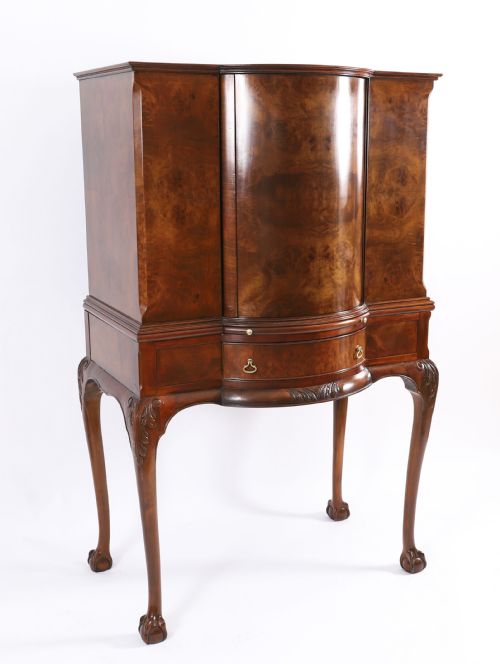
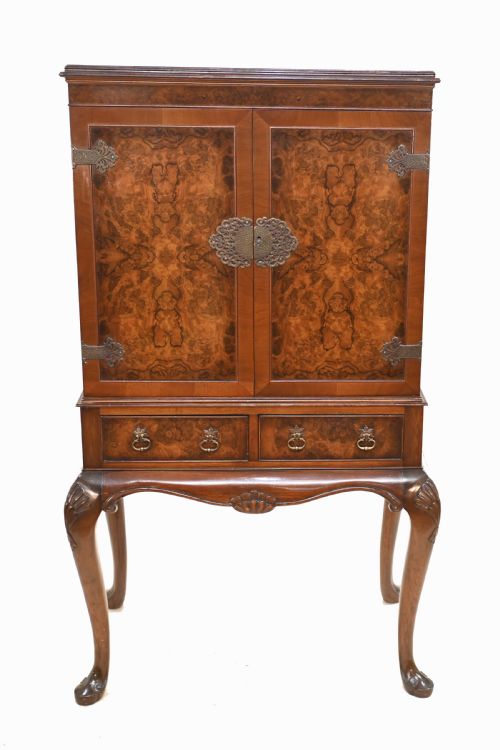
These burr wood liquor cabinet examples offer striking figuring and practical storage, serving as the ultimate centrepiece for any formal entertaining space.
Burr Wood Liquor Cabinet
A burr wood liquor cabinet brings together remarkable cabinet-making traditions and practical hosting spaces for bottles and glassware. When you search for this phrase, you encounter forms that range from Georgian cellarettes and George II mulberry wood cabinets to Art Deco cocktail chests and revolving dry bars from the 1920s and 1930s.
The versions you meet most frequently on this page date from the 1920s and 1930s, constructed predominantly in burr walnut with dedicated internal fittings for drinks service. Alongside these twentieth-century designs appear earlier nineteenth-century burr elm pieces and important eighteenth-century examples in mulberry wood.
Makers such as Epstein and Co feature among the selections, alongside unattributed pieces that showcase the considerable skill of period workshops. Each variation provides distinct storage solutions, whether through drop-down serving flaps, revolving mechanisms, or standing cabinet formats.
How they were made
Makers utilised burr walnut and burr elm veneers applied to solid carcases of oak and walnut to achieve dramatic, swirling grain patterns across the exterior surfaces. This technique requires exceptional skill in selecting and matching timber slices so the natural growths of the tree create symmetrical patterns.
Internal compartments often integrate glass, mirror panels, and specialised shelving alongside structural mounts in brass and bakelite for opening mechanisms and handles. George II pieces incorporate giltwood details, whilst later Art Deco examples rely on the purity of the wood grain and polished finishes to define the aesthetic.
Burr Wood Liquor Cabinet Retail Price Guide 2026
Typical asking prices for burr wood liquor cabinet among the pieces listed under this phrase on Sellingantiques today, from the lower quarter to the upper quarter. They describe what is for sale here now, not the wider market.
What varies in quality
The quality of a burr wood liquor cabinet rests primarily on the choice and placement of the burr veneer, where tighter and more symmetrical cluster patterns command greater visual presence. Finer examples display continuous grain wrapping smoothly around the edges and corners of the structure rather than irregular piecing.
Internal joinery and the survival of original mirror glass, brass fittings, and functional hardware elevate the standing of a piece. Maker attribution, such as work by Epstein, further distinguishes standard production items from exceptional cabinet-making of the period.
Epstein and Co
The Burr Wood Liquor Cabinet Glossary
- Burr wood
- A growth on a tree where the grain has grown in a deformed, swirling manner, producing highly decorative patterns when sliced into veneer.
- Cellarette
- A lockable container or cabinet traditionally used for storing bottles of wine and spirits near the dining table.
- Veneer
- A thin slice of superior wood applied over a secondary timber carcase to provide a decorative surface without structural instability.
- Bakelite
- An early synthetic plastic utilised for handles, fittings, and decorative details particularly on pieces from the 1920s and 1930s.
- Giltwood
- Wood that has been coated with gold leaf or gold paint to provide a rich decorative accent, often seen on eighteenth-century furniture.
Burr Wood Liquor Cabinet: Frequently Asked Questions
How were these cabinets originally used?
They were designed for the secure storage and serving of alcoholic beverages, often incorporating specialised interior fittings for glasses and bottles.
Drop-down flaps and revolving mechanisms allowed hosts to prepare drinks efficiently during social gatherings.
What materials are typically found?
Construction relies heavily on burr walnut and burr elm veneers applied over solid timber carcases such as oak and walnut.
Interiors frequently incorporate mirror glass, brass hardware, and occasionally bakelite details depending on the manufacturing date.
How do I distinguish Art Deco examples?
Art Deco pieces from the 1930s often feature streamlined geometric forms and polished burr walnut surfaces without historical revival ornamentation.
Maker signatures or distinctive internal layouts by firms like Epstein help identify these twentieth-century pieces.