


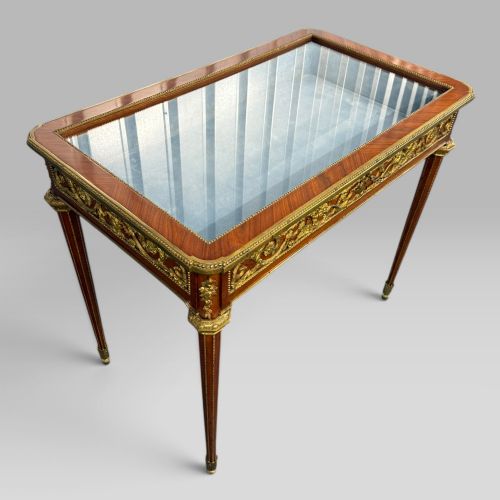
French Style Display Cabinet
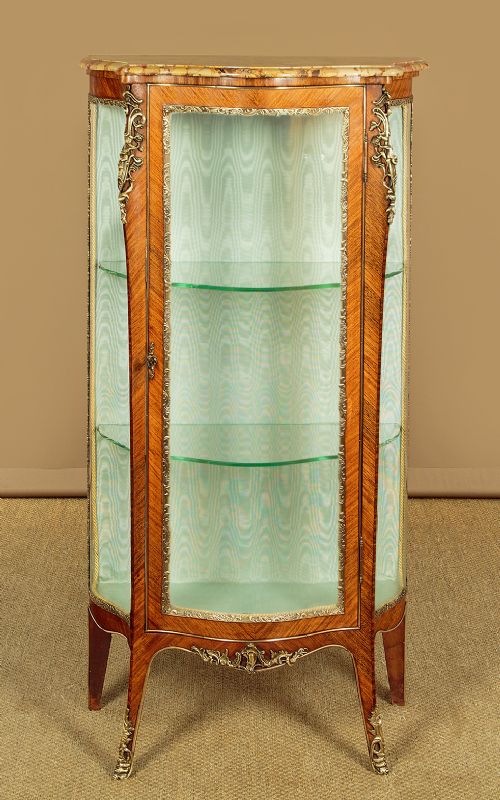
A french style display cabinet turns visible storage into an art form, holding porcelain and curios behind curved glass.
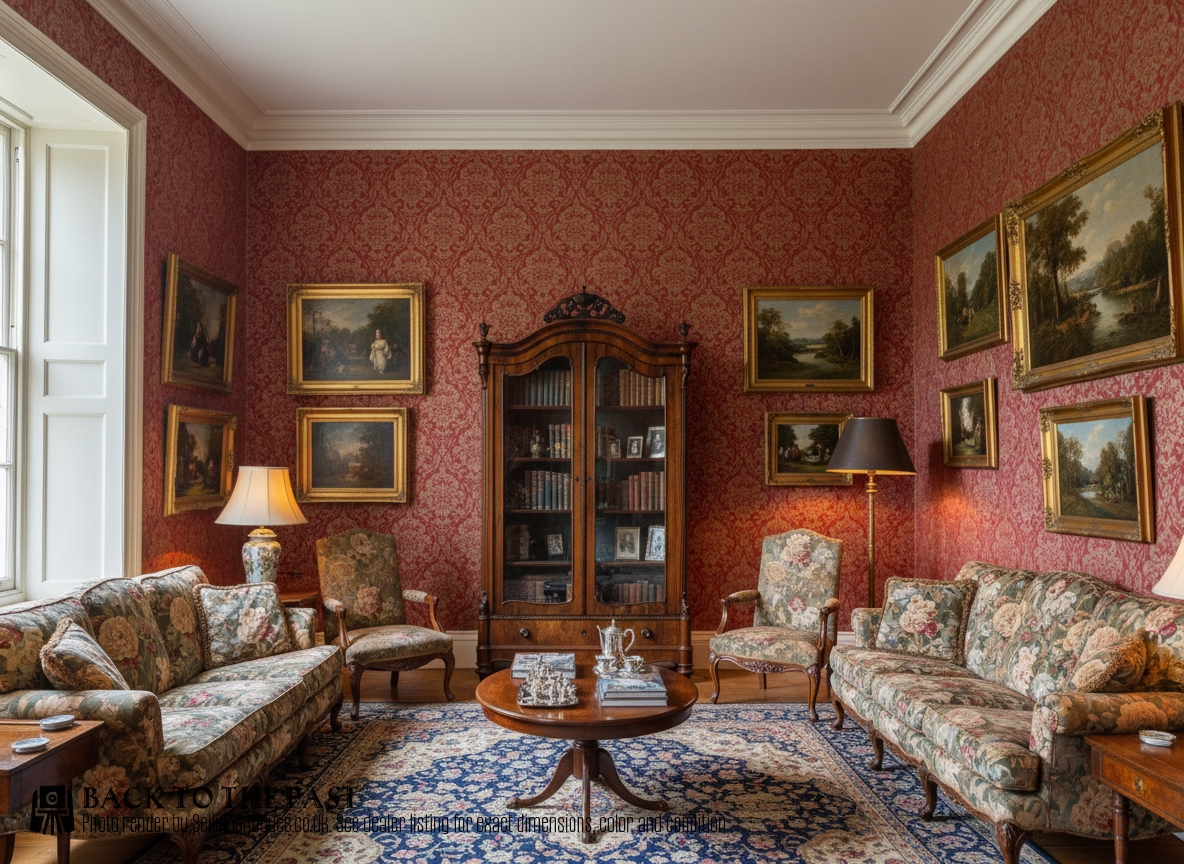
French Style Display Cabinet
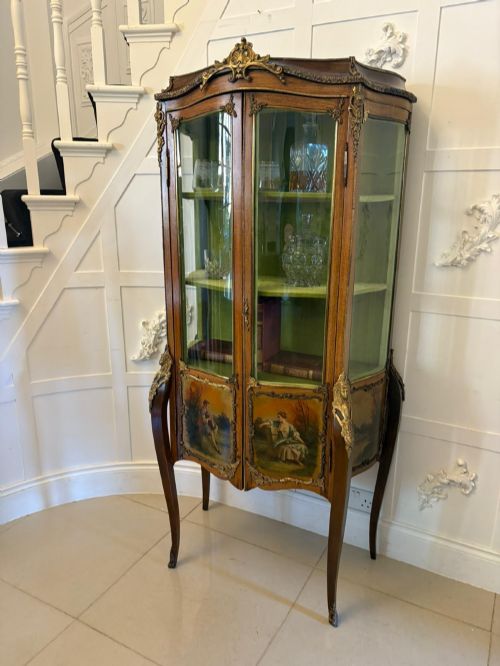
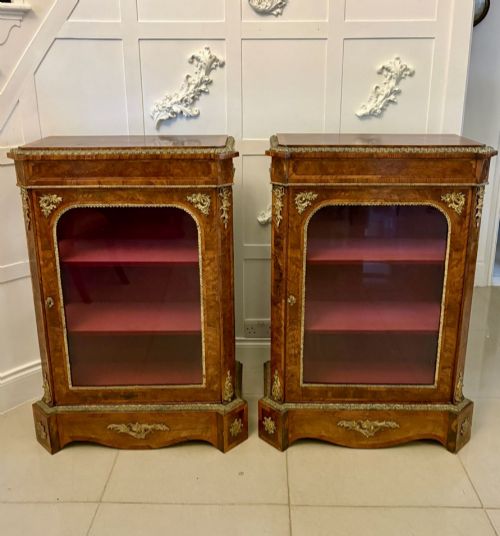
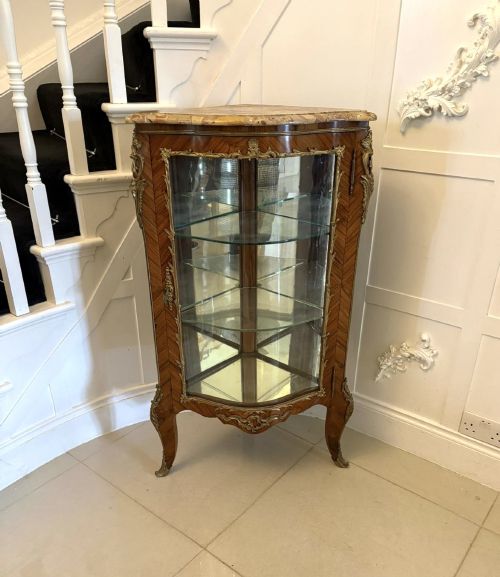
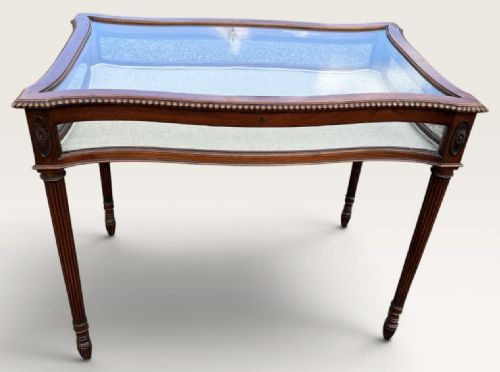
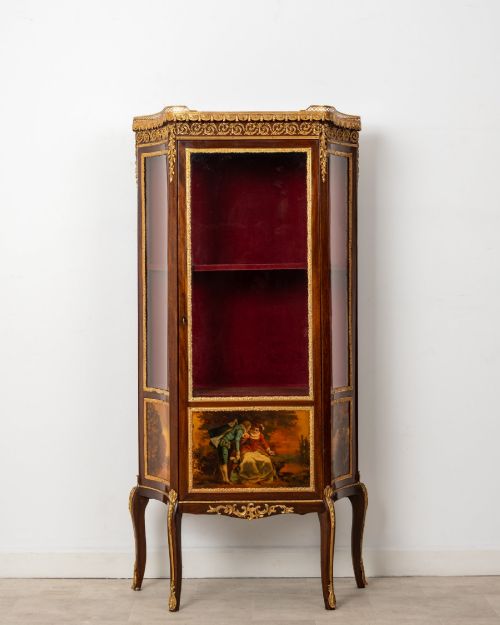
A french style display cabinet encompasses vitrines, credenzas, and bijouterie tables designed to showcase fine objects. These pieces trace lineage through Victorian, Edwardian, and nineteenth century revivals of Louis XV and Louis XVI aesthetics.
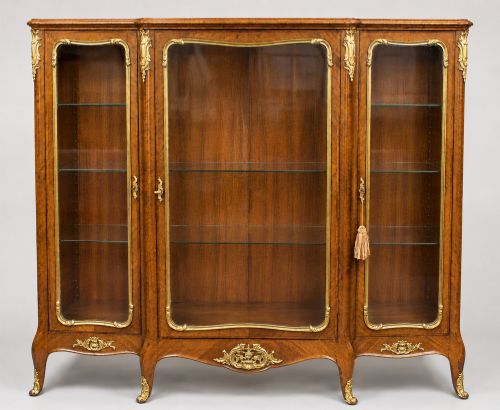
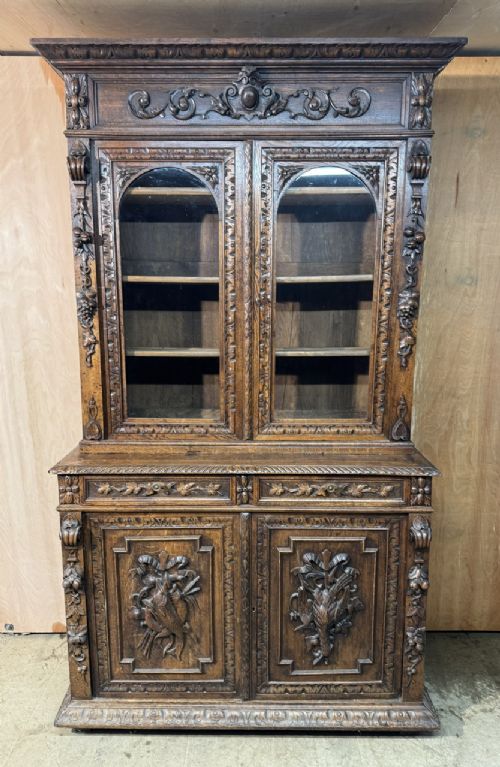
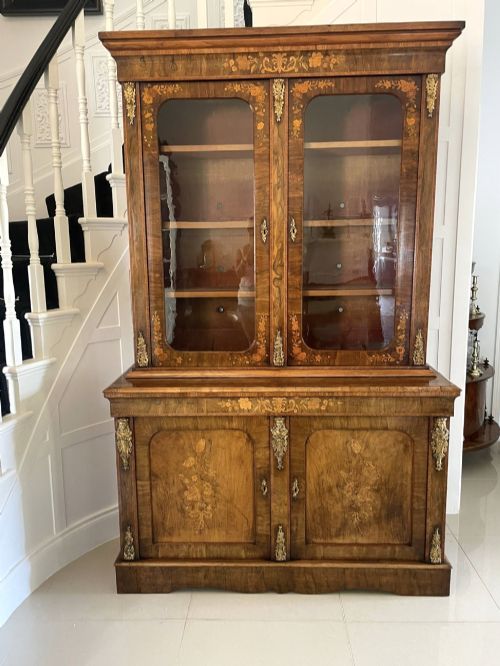
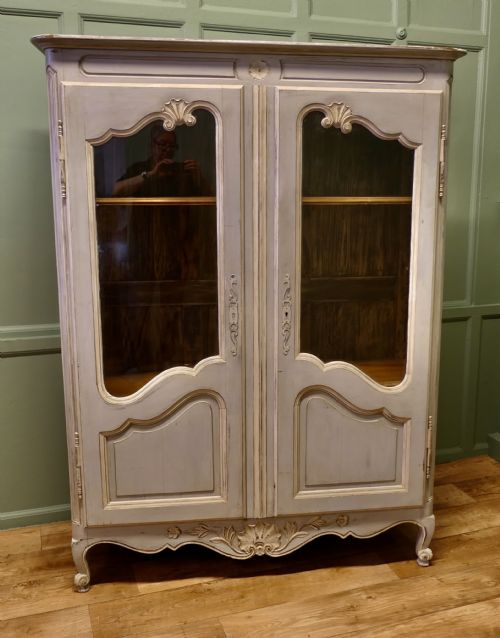
The format ranges from tall, serpentine glass-fronted vitrines to low credenzas and glazed bookcases. Walnut, mahogany, and kingwood carcasses frequently support elaborate displays of imported porcelain and books.
Many examples lean into specific continental revivals, incorporating French Rococo curves or Empire classical lines. They serve the traditional domestic purpose of protecting precious items while keeping them entirely visible.
Materials and construction methods
Cabinet makers built these frames using dense hardwoods like mahogany, walnut, and kingwood, often overlaid with intricate burr walnut or satinwood marquetry. Ormolu mounts in cast gilt-bronze or brass punctuate the corners, feet, and friezes.
Glazing relies on clear bevelled glass panels secured within tightly mitred timber doors, while marble slabs frequently form heavy, durable top surfaces. Vernis Martin painted panels appear on select doors, introducing layered decorative lacquer finishes.
Cabinetry joinery combined traditional dovetails for internal carcase work with precision brass hardware to seat hinges and locks securely. Metal mounts were chased and gilded by hand before being screwed onto the timber frame.
French Style Display Cabinet Retail Price Guide 2026
Typical asking prices for french style display cabinet among the pieces listed under this phrase on Sellingantiques today, from the lower quarter to the upper quarter. They describe what is for sale here now, not the wider market.
The available furniture spans nineteenth-century revivals, Victorian marquetry cabinets, and Edwardian glazed vitrines.
Assessing construction and decorative standard
Quality rests on the crispness of the cast ormolu mounts and the precision of the underlying wood veneers. Superior pieces feature hand-chased bronze details and dense, highly figured kingwood or burr walnut rather than flat, printed veneers.
The ambition of the silhouette dictates standard, with serpentine fronts and bombé curves demanding far more joinery skill than flat-sided carcases. Interior linings of velvet or silk, alongside thick bevelled glass panes, indicate higher workshops.
Attribution to documented makers elevates a piece through superior structural integrity and refined marquetry patterns. Finer examples display meticulous attention to interior shelving supports and seamless door alignment.
Gabriel Viardot·H. J. Hatfield And Sons·Maison Gagneau·François Linke·Edward Holmes Baldock·Mercier Frères
The French Style Display Cabinet Glossary
- Ormolu
- Gilded bronze mounts used extensively to decorate the corners, feet, and pediments of fine cabinets. The technique involves applying a gold amalgam to cast bronze before heating.
- Vitrine
- A glass-fronted cabinet specifically built for displaying porcelain, figures, and curiosities. These structures feature transparent sides to maximise light penetration.
- Marquetry
- The art of applying decorative veneer pieces of different woods, metals, or shells to a structural panel. Master artisans cut these intricate patterns by hand to form floral or geometric scenes.
- Bijouterie table
- A shallow display table with a glazed top and hinged lid designed for jewellery and small ornaments. These pieces stand on slender legs and often feature silk-lined interiors.
- Vernis Martin
- A simulated Japanese lacquer finish developed by the Martin brothers in eighteenth-century France. Cabinet makers reproduced this luminous, layered varnish on revival furniture.
- Credenza
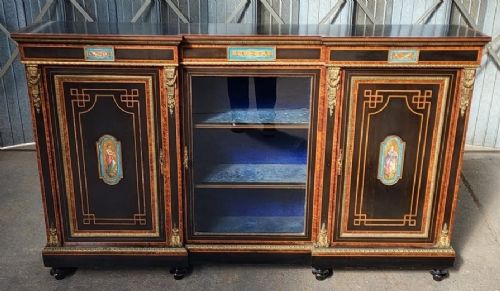
- A sideboard cabinet originally used for serving food and displaying plate. Nineteenth-century iterations frequently incorporate central glazed display sections flanked by cupboards.
French Style Display Cabinet: Frequently Asked Questions
How do I clean ormolu mounts?
Gilded bronze requires gentle dusting with a soft, dry brush to prevent the accumulation of grit in the chased recesses. Moisture and harsh metal polishes strip the historic gold layer from the bronze underneath.
Maintaining the surface simply involves occasional light wiping with a dry microfiber cloth. Professional conservation is necessary if the gilding shows active flaking or heavy tarnishing.
Where should I place a display cabinet?
Positioning these cabinets away from direct sunlight protects both the timber veneers and any interior fabric linings from fading. Stable indoor humidity prevents the kiln-dried hardwoods from warping or cracking over time.
Rooms with consistent temperature control preserve the integrity of glued joints and ormolu attachments. Placing the piece on a level floor ensures the heavy glass doors hang true on their original hinges.
How do I tell nineteenth century pieces apart?
Nineteenth-century revivals draw heavily on Louis XV and Louis XVI idioms, identifiable through distinct carving styles and wood choices. Kingwood and burr walnut dominate this era, alongside cast ormolu mounts that mimic eighteenth-century prototypes.
Examining internal carcase timbers, screw types, and backboards clarifies the exact period of manufacture. Workshops often stamped or signed their bronze mounts and drawer linings with maker marks.