

French Ormolu Table
A French ormolu table combines gilt bronze mounts with rich timbers to anchor a nineteenth-century interior.
French Ormolu Table
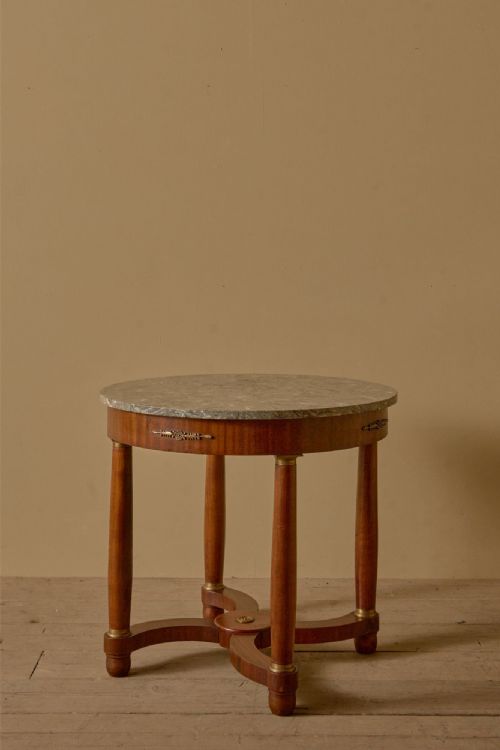
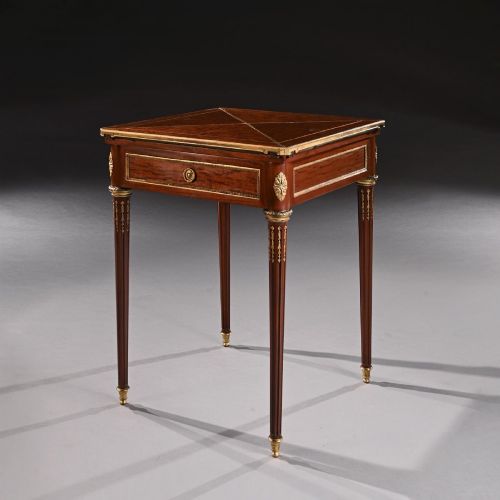
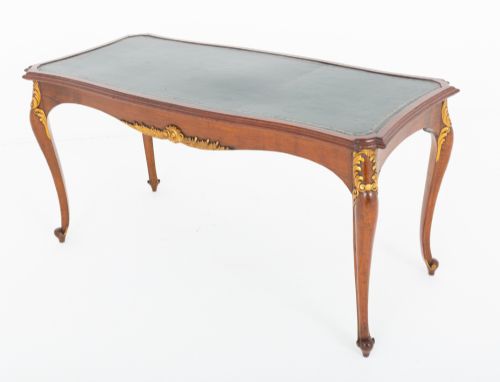
When searching for a French ormolu table, collectors encounter freestanding centre tables, occasional pieces, and writing desks produced during the nineteenth century. These forms display the influence of Louis XV and Louis XVI revivals, integrating classical symmetry or curving rococo lines.
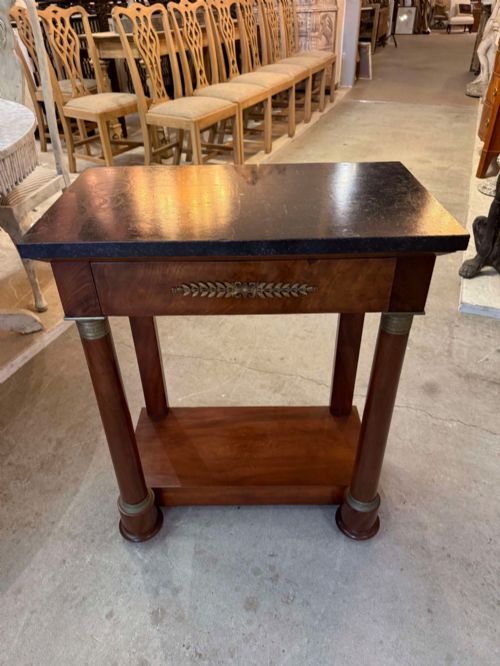
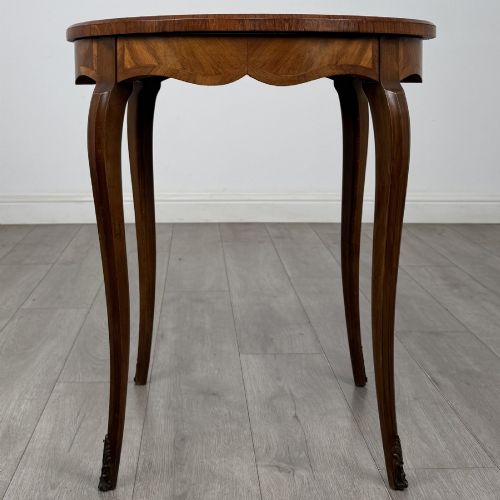
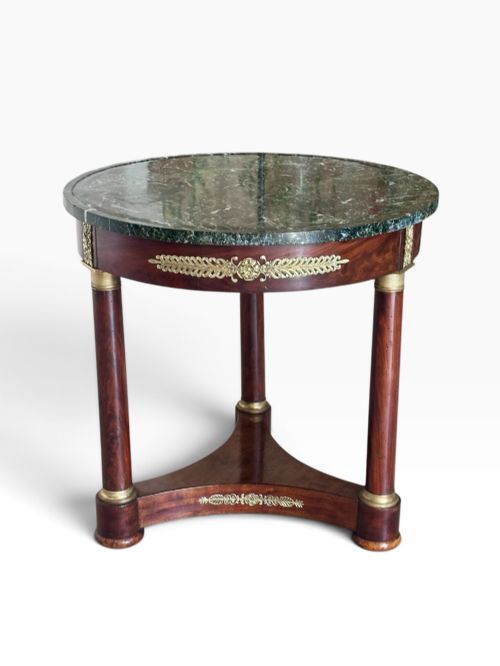
Freestanding centre tables and side tables dominate the selection, frequently featuring kidney or rectangular tops designed to be viewed from all sides. Cabinetmakers utilised rich ground woods to support intricate gilt bronze decorations along the legs and apron.
How they were made
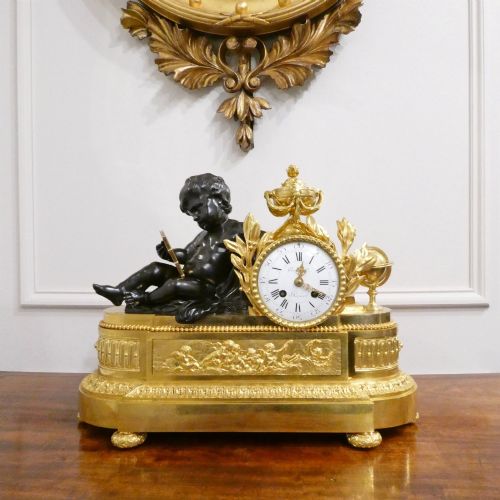
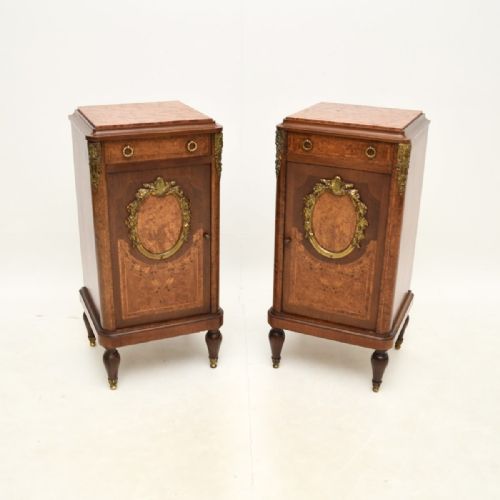
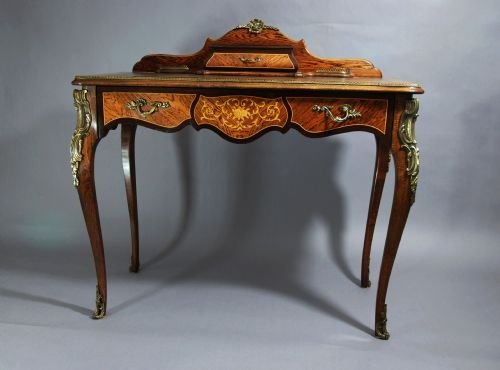
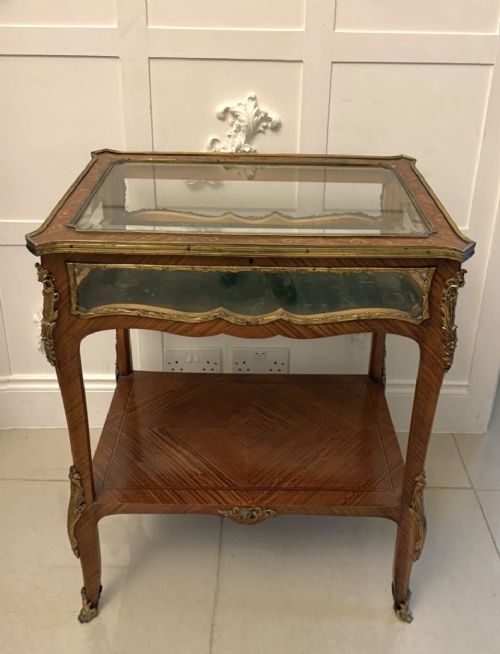
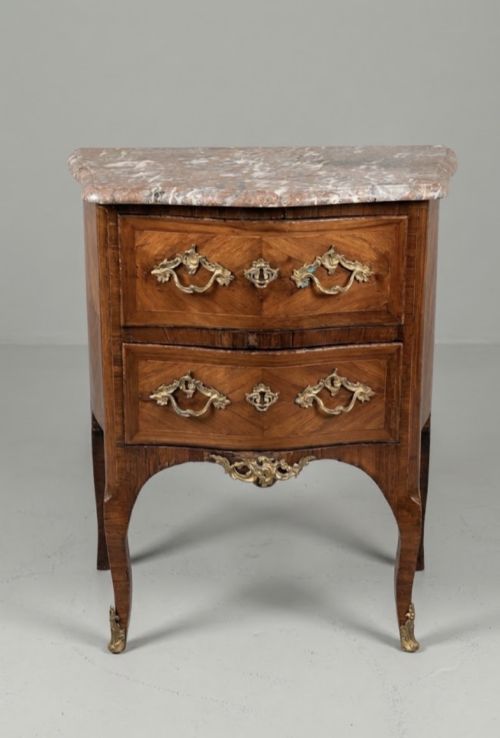
Maker workshops built the structural carcasses using native and exotic hardwoods such as mahogany, walnut, and kingwood, often applying marquetry and parquetry patterns in satinwood or rosewood. Ormolu, or gilded bronze, was cast, chased by hand, and secured to the corners, friezes, and feet to highlight the structural contours.
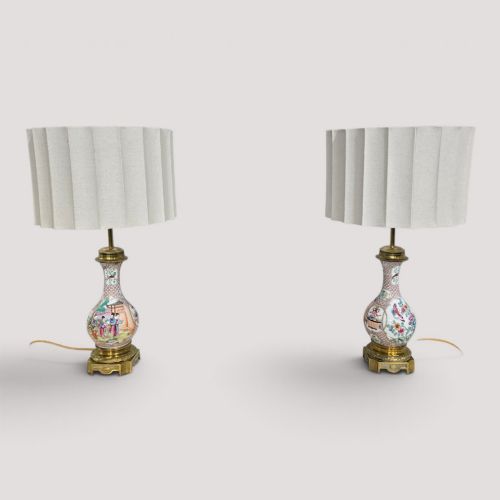
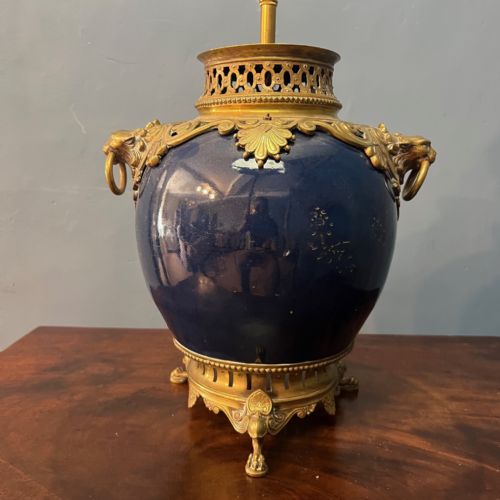
Surface ornamentation frequently incorporated Sèvres porcelain plaques or hand-painted panels alongside marble tops fitted with grooved brass or ormolu galleries. Joinery techniques combined traditional framing with precise mount fitting to ensure the metalwork integrated seamlessly with the wood.
French Ormolu Table Retail Price Guide 2026
Typical asking prices for french ormolu table among the pieces listed under this phrase on Sellingantiques today, from the lower quarter to the upper quarter. They describe what is for sale here now, not the wider market.
Several bureau desks conceal secret spring-loaded compartments once reserved for love letters and smuggled chocolate.
What varies in quality
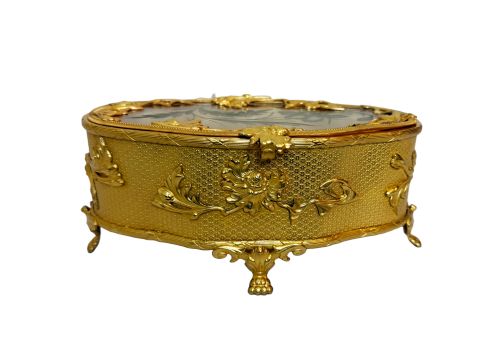
The standard of a piece depends heavily on the crispness of the bronze chasing and the depth of the gilding on the mounts. Superior examples exhibit sharp botanical or figurative detail in the metalwork, where individual leaf veins and feather strokes remain distinct rather than smooth or blurred from secondary casting.
Cabinetwork complexity separates workshop tiers, visible in the precision of multi-wood parquetry, the thickness of selected veneers, and the harmonious integration of porcelain plaques. Maker attribution, through stamps or documented signatures on the bronze or timber frame, further distinguishes high-ranking furniture.
François Linke·JAS Shoolbred·Edward Holmes Baldock·Maison Millet·Edwards and Roberts
The French Ormolu Table Glossary
- Ormolu
- Gilded bronze used for decorative mounts on furniture and clocks. The technique involves applying a mercury and gold amalgam to cast bronze before heating.
- Kingwood
- A dense Brazilian timber featuring rich dark brown and violet-black grain patterns. Cabinetmakers favoured it for contrasting geometric veneers.
- Marquetry
- The art of applying thin decorative veneers of various woods, shells, or ivory to form pictorial or geometric designs. Craftsmen cut these elements together to ensure tight joints.
- Parquetry
- A geometric mosaic of wood pieces used for floor surfaces or furniture tops. Squares, triangles, and lozenges create repeating patterns across the timber ground.
- Chasing
- The manual refinement of cast metal using small hammers and punches. This process sharpens details and textures on ormolu mounts before gilding.
French Ormolu Table: Frequently Asked Questions
Can these tables be used daily?
These tables function well for everyday domestic use provided they avoid direct sunlight and extreme temperature shifts. Protect polished wood and marble surfaces with coasters or pads to prevent moisture rings and scratches.
Maintain stable indoor humidity levels to stop the underlying timber or veneer from shrinking and cracking. Regular gentle waxing preserves the finish without building up heavy residues.
How are periods identified?
Distinguish nineteenth-century pieces by examining carcass construction, fastener types, and the composition of the bronze mounts. Earlier pieces exhibit hand-cut screws and fire gilding, while later revival works often employ machine-cast components and electroplating.
Style revivals frequently overlap, making wood species and secondary structural timbers key indicators of origin. Comparing construction traits with documented workshop standards clarifies the precise era of manufacture.
Where were they placed originally?
Centre tables stood prominently in nineteenth-century salons and drawing rooms, designed to display decorative objects or lamps. Side tables and writing desks occupied perimeter walls, boudoirs, or studies to serve specialised domestic tasks.
Freestanding formats indicated affluent ownership, as finishing all four sides allowed placement anywhere in a room. Their layouts reflected formal entertaining habits and the display of personal taste.