
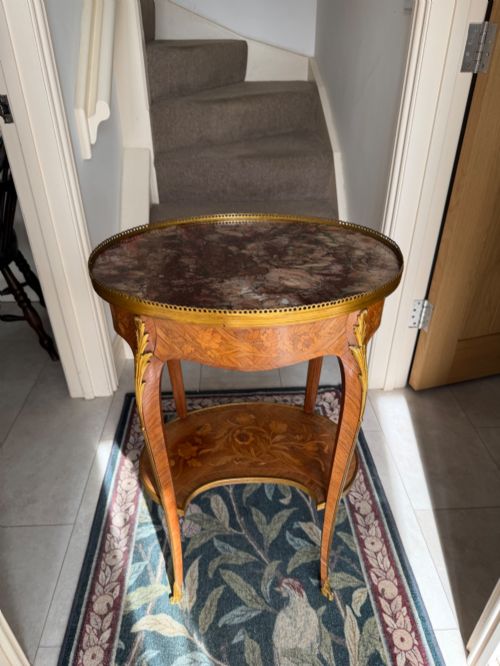
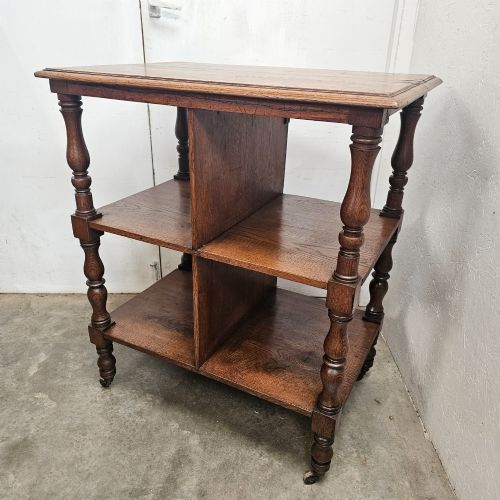
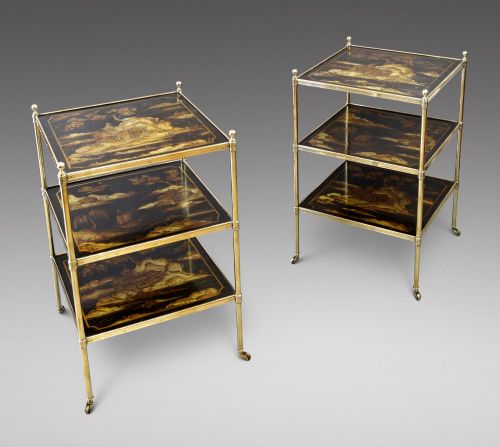
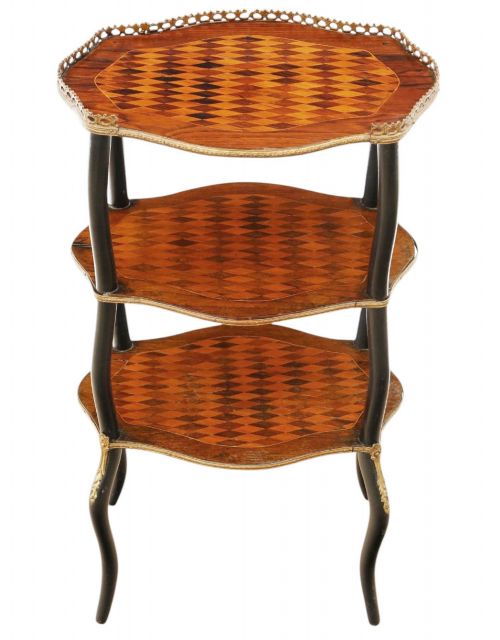

French Tier Side Table
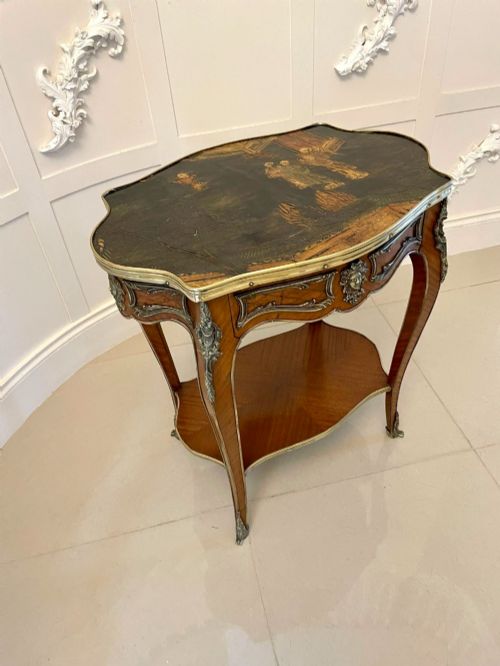
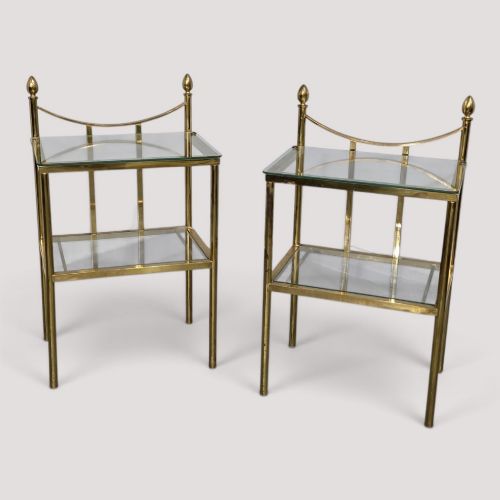
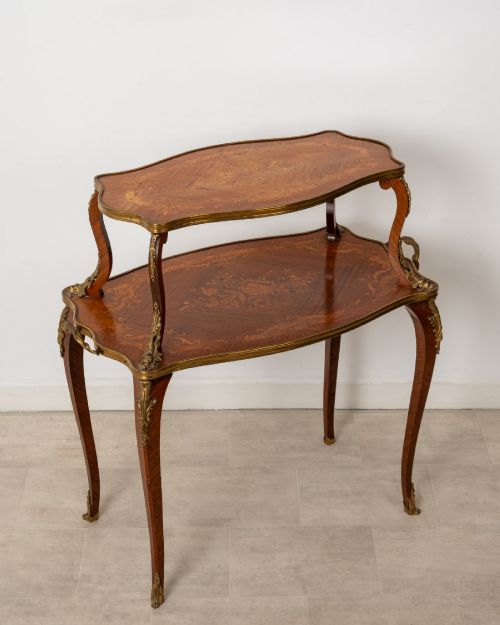
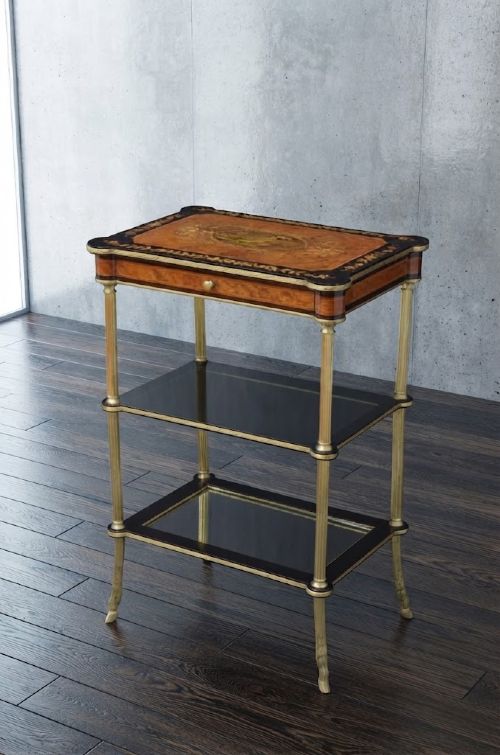
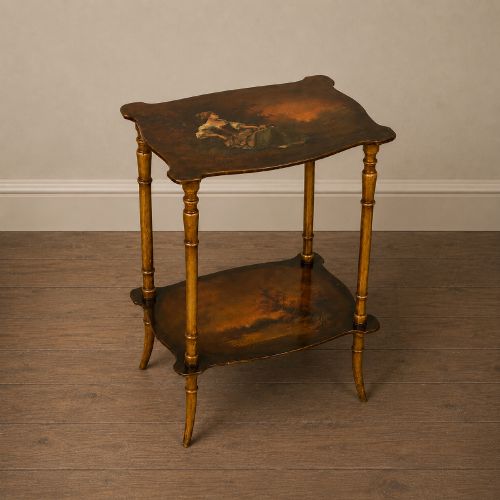
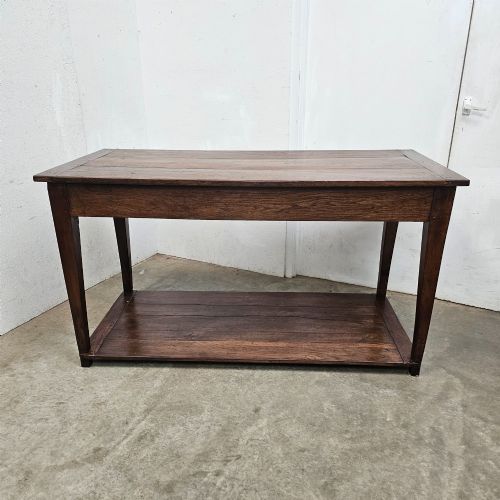
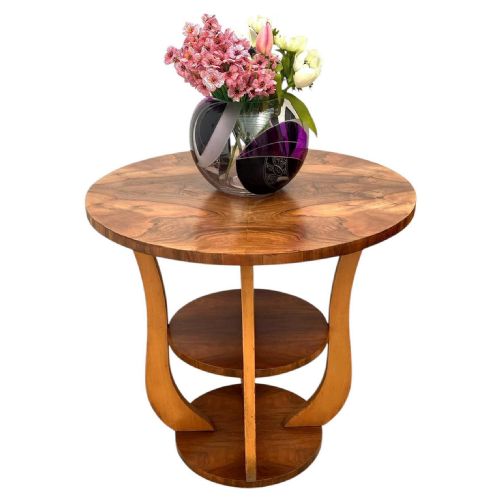
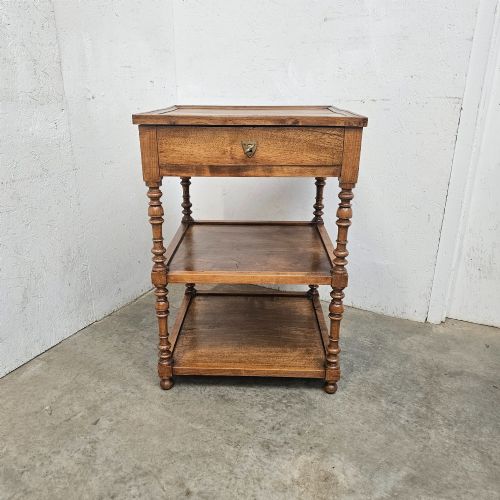
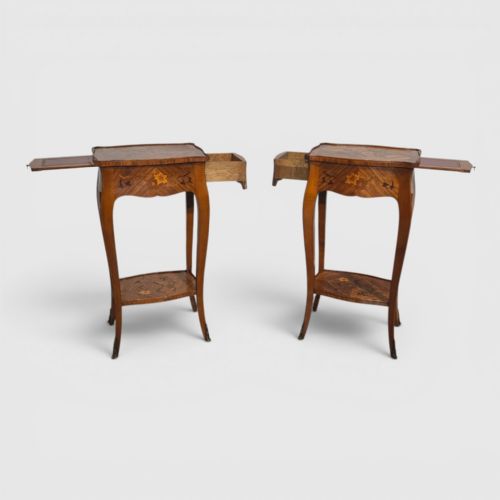
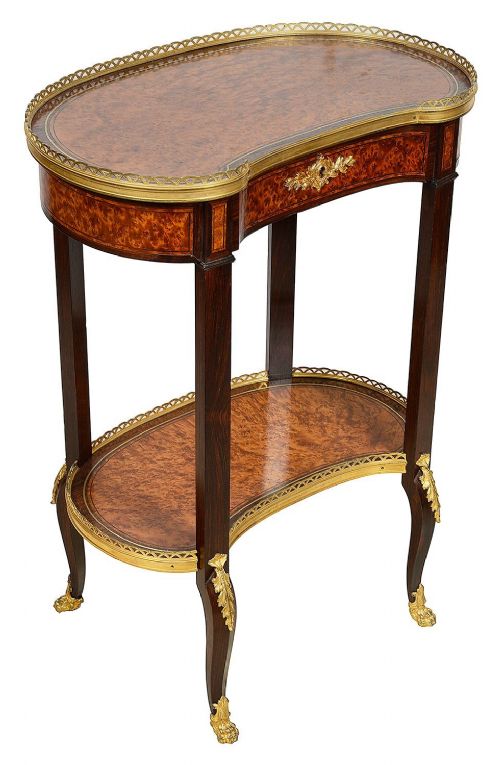
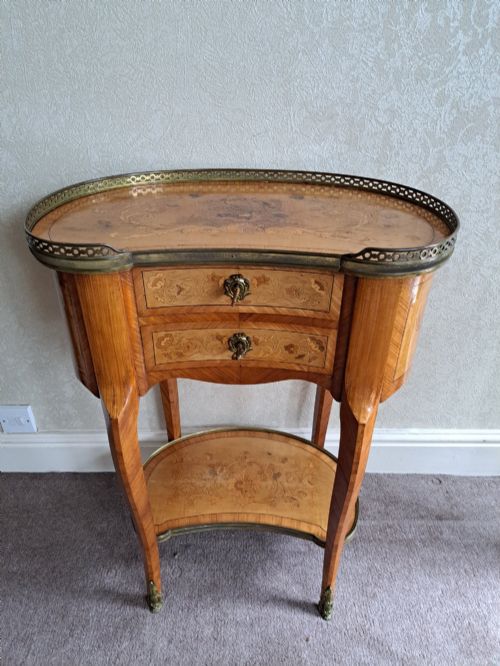
These French tier side table pieces bring decorative French styling and tiered display space to a room.
What a french tier side table is
A french tier side table brings multi-level display surfaces to a room, frequently taking the form of side tables, occasional tables, side cabinets, etageres, gueridons, or work tables. The versions met on this page date predominantly from the nineteenth century, including specific years like 1880 and 1890, reflecting nineteenth-century manufacturing.
These pieces draw upon historical design idioms, appearing in styles such as Louis XV Style, French Louis XVI, Louis XV Revival, Napoleon III, Louis XVI Style, and Louis XVI Revival. Forms range from compact bedside tables to larger lampstands, cabinets, and multi-tiered etageres designed for domestic utility and display.
How they were made
Construction relies upon a selection of fine timbers, utilising kingwood, mahogany, rosewood, walnut, and birch, often enhanced by decorative marquetry and intricate inlay work. These wooden structures provide the foundational framework for tables, cabinets, and etageres.
Metal mounts and stone surfaces elevate the construction, incorporating ormolu, brass, and gilt bronze mounts alongside polished marble tops. The combination of cast metal mounts with figured woods defines the physical composition of these pieces.
Retail Price Guide 2026
Typical UK retail prices for french tier side table, calculated from the Sellingantiques database of over a million retail prices indexed since 2003. This retail price guide relies exclusively on Sellingantiques data; no external sources or auction records are used, so the figures do not describe the wider market.
Listings feature nineteenth-century pieces utilising mahogany, kingwood, rosewood, and birch, complemented by marble and ormolu.
What varies in quality
The refinement of the ormolu and gilt bronze mounts dictates the visual hierarchy at the upper end of the range, separating standard decorative work from pieces bearing attribution to noted makers like François Linke or Henry Dasson. Castings show varying degrees of chiselling and crispness in the applied metalwork.
The complexity of the timber work and marquetry creates distinction across examples, where disciplined veneer matching and detailed inlay distinguish finer tables from simpler utilitarian pieces. The inclusion of integrated marble tops and multiple tiers adds structural and material complexity.
François Linke·Henry Dasson
The French Tier Side Table Glossary
- Ormolu
- Gilt bronze mounts applied to furniture. This technique involves coating bronze with gold amalgam to create decorative ornaments.
- Marquetry
- Veneering technique creating decorative patterns. Pieces use contrasting wood cuts to form pictorial or geometric designs.
- Etagere
- A set of open shelves for displaying small objects. This tiered furniture form provides multiple levels of surface area.
- Gueridon
- A small round table supported by one or more columns. The form originated in seventeenth-century France and persisted through revival periods.
Frequently Asked Questions
What is a french tier side table?
A french tier side table is a multi-surface occasional piece originating from nineteenth-century France. These items incorporate materials like kingwood, mahogany, marble, and ormolu mounts.
They appear in revival aesthetics such as Louis XV and Louis XVI, functioning as side tables, etageres, and lampstands.
How were these tables used?
Nineteenth-century households utilised these tiered tables for displaying decorative objects, lamps, or small personal items. The multiple levels provided compact surface area in salons and bedrooms.
Specific forms like the poudreuse or work table also served practical domestic functions alongside display.
How do I style a tier table?
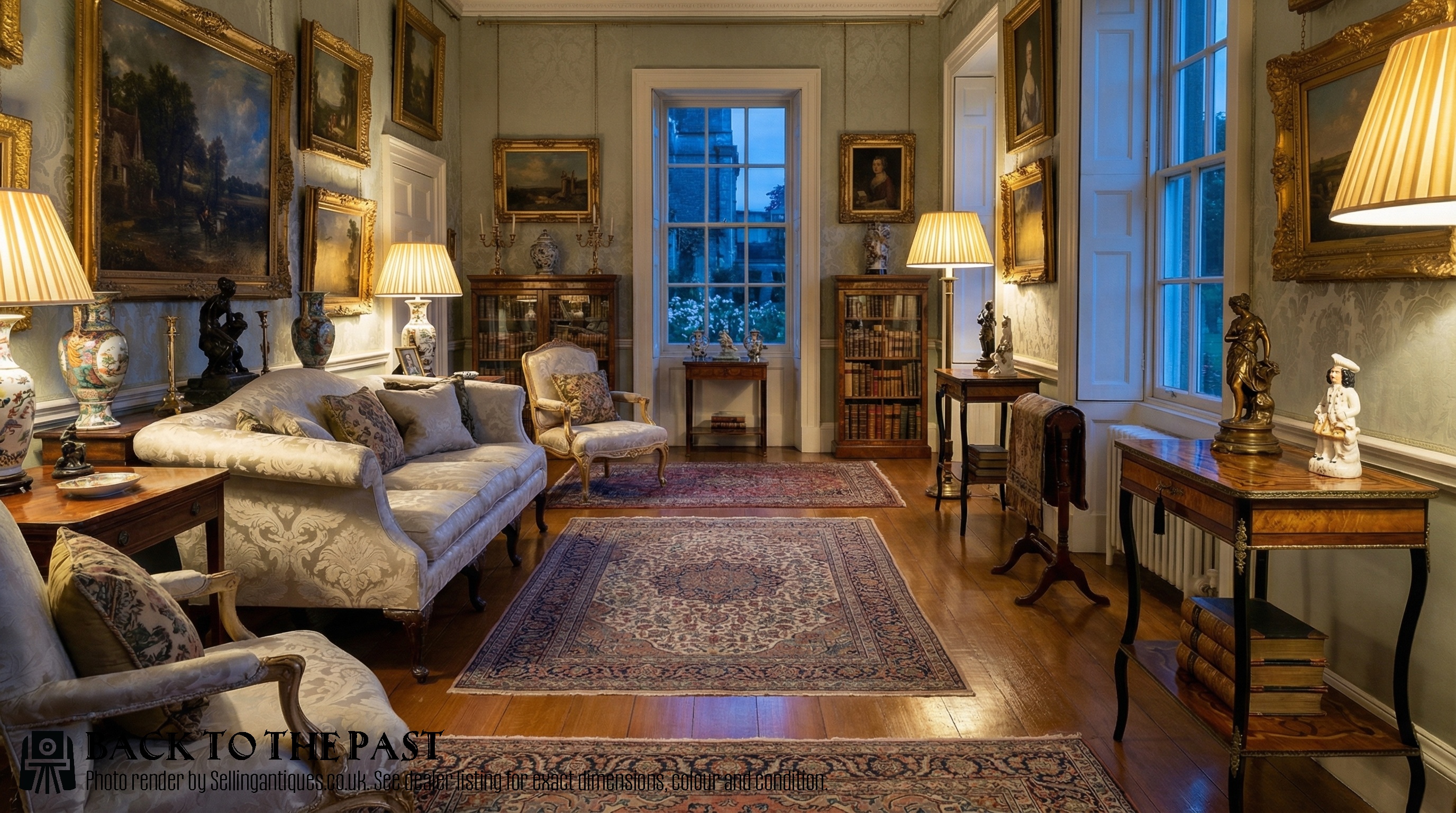
Placing a tier table beside seating or in a corner allows the multi-level design to hold decorative items without dominating the floor space. The mixed materials of wood, marble, and ormolu pair well with traditional interiors.
Allowing the piece room to display objects on its various tiers highlights its construction.
How do I identify the period?
Identifying the period involves examining the timber selection, such as kingwood or mahogany, alongside the presence of nineteenth-century revival styles like Napoleon III or Louis XVI. Cast bronze and ormolu mounts also point to nineteenth-century manufacturing techniques.
Attributions to makers like Henry Dasson or François Linke further anchor pieces to this era.