



Vintage French Tea Table
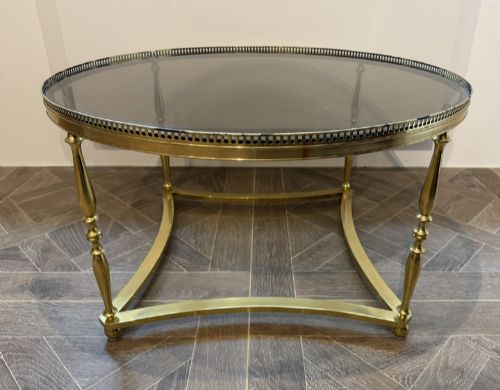
A vintage french tea table brings continental elegance to a room, offering a low surface shaped for serving or display.
Vintage French Tea Table
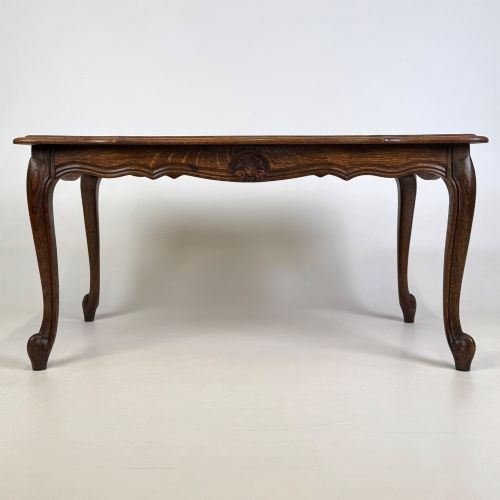
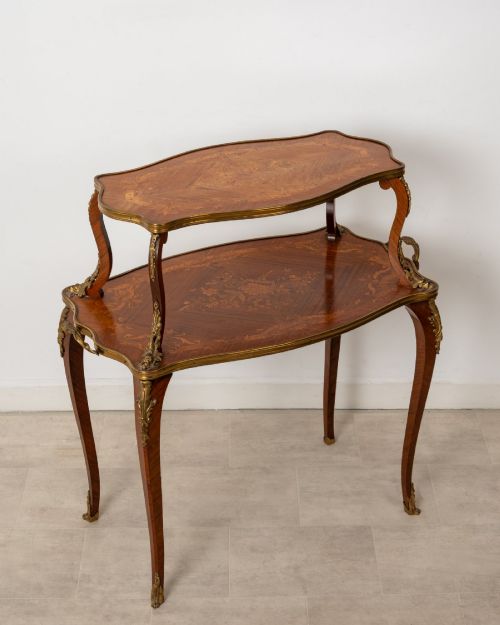
A vintage french tea table encompasses low tables, occasional pieces, and tray stands designed for entertaining and domestic use. Buyers exploring this category encounter pieces dating from the nineteenth century through the art deco era, featuring diverse woods and ornamental mounts.
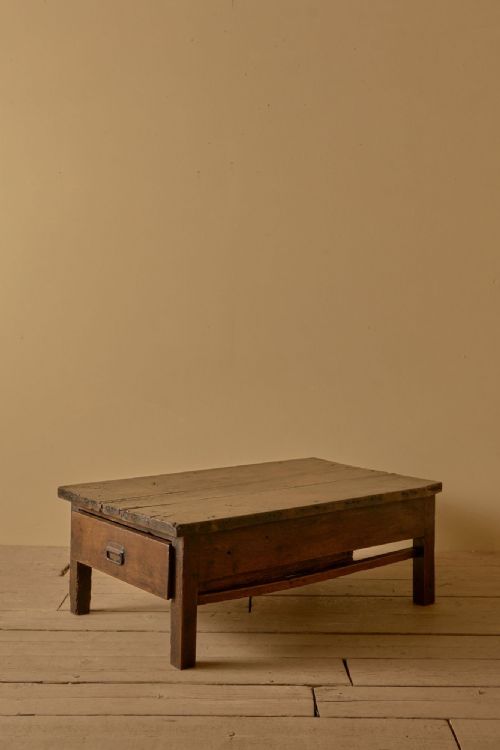
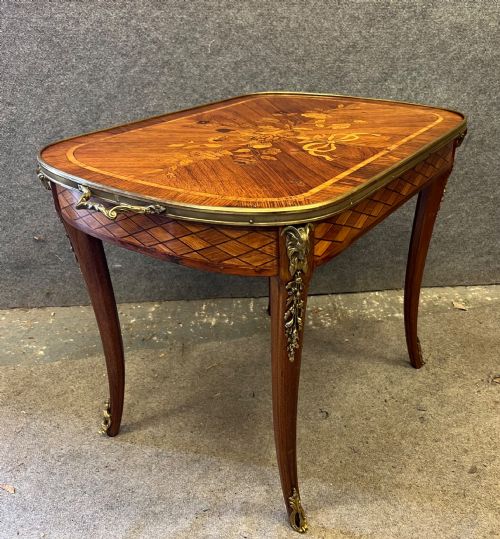
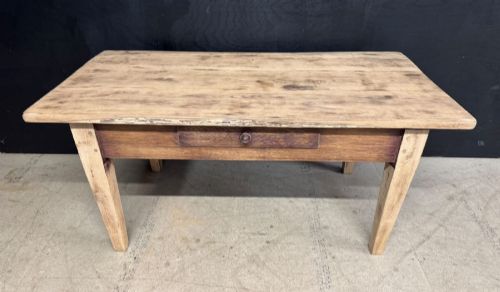
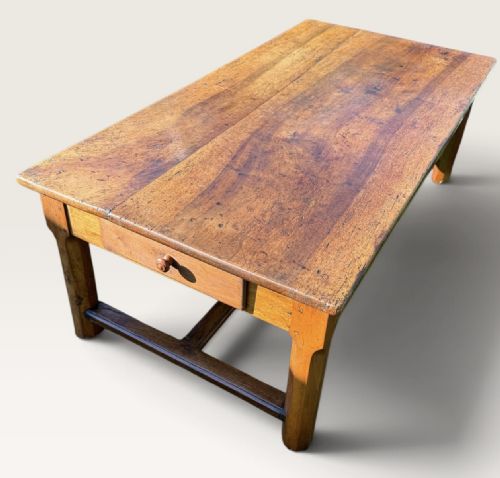
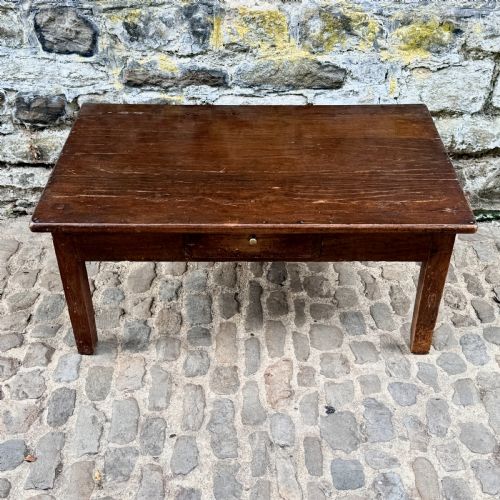
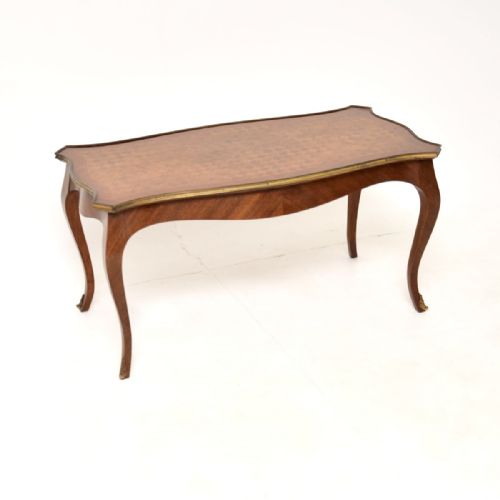
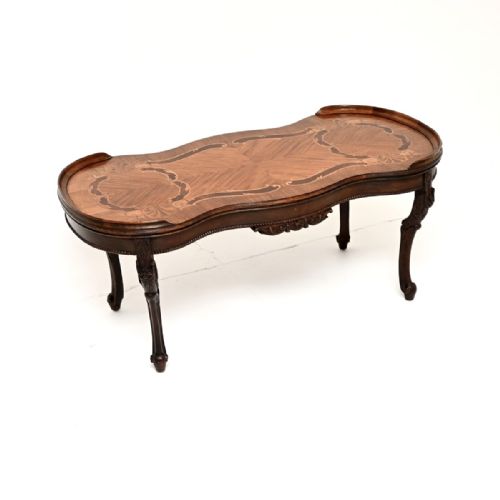
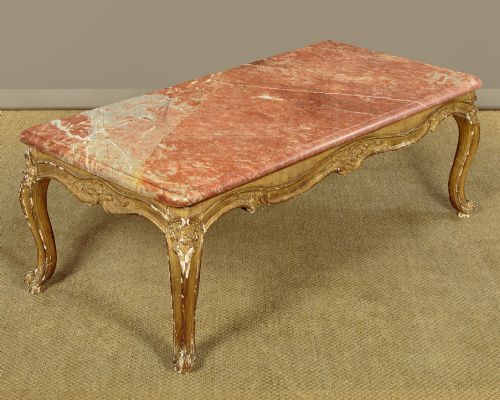
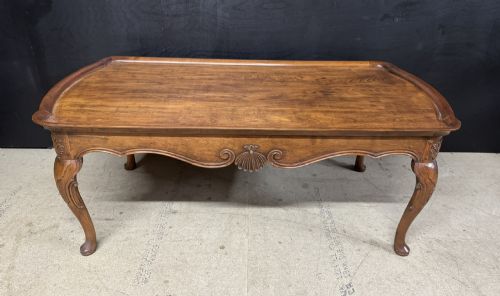
The selection ranges from elaborate marquetry étagères and ormolu-mounted kingwood designs to simpler rustic fruitwood and oak farmhouse tables. Round walnut models with marble tops and two-tier occasional forms appear frequently across the collection.
Origins span formal revival styles, such as louis xv and rococo, alongside cleaner art deco lines and country chestnut construction. This variety allows collectors to select pieces suiting both formal reception rooms and casual interiors.
How they were made
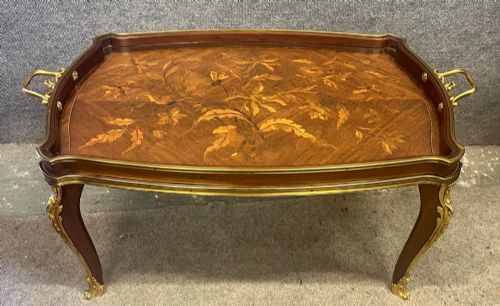
Craftsmen built these tables using a foundation of hardwoods like walnut, mahogany, oak, and cherry, often enhanced by decorative veneers including kingwood, satinwood, and burr walnut. Marquetry and parquetry patterns create intricate geometric or floral surface designs across the timber tops.
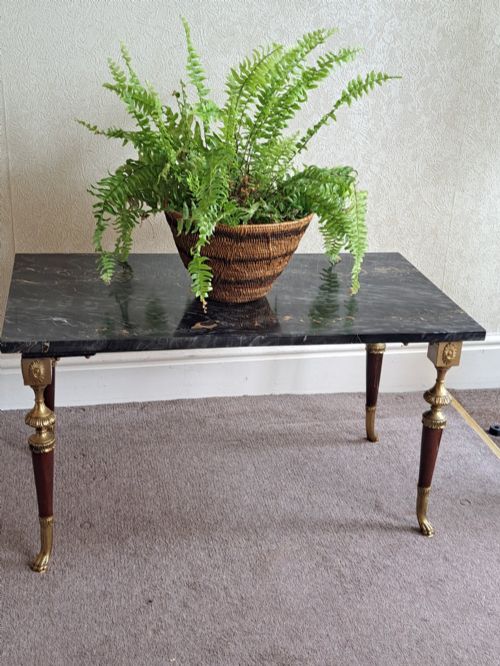
Metalwork plays a defining structural and decorative role, with cast ormolu mounts and solid brass detailing accentuating the curves of the frame. Selected pieces incorporate inset marble slabs, providing a durable and cool surface distinct from the polished wood.
Vintage French Tea Table Retail Price Guide 2026
Typical asking prices for vintage french tea table among the pieces listed under this phrase on Sellingantiques today, from the lower quarter to the upper quarter. They describe what is for sale here now, not the wider market.
Materials documented across the inventory include walnut, mahogany, oak, brass, and marble, spanning the nineteenth century to the 1930s.
What varies in quality
The sophistication of the timber work and the precision of the parquetry or marquetry inlay distinguish finer examples from simpler provincial pieces. Hand-cut veneers and complex grain selection in walnut or kingwood elevate a piece significantly.
The quality of the cast ormolu mounts and brass fittings determines the overall refinement of the construction. Crisp chasing on metal details and heavy, integrated mounts indicate superior workshop production compared to plain cast alternatives.
The Vintage French Tea Table Glossary
- Ormolu
- Gilded bronze mounts applied to furniture for decorative effect. This technique was widely utilised in fine french cabinet making during the nineteenth century.
- Marquetry
- Decorative veneer patterns formed from pieces of wood, shell, or ivory fitted into a backing. It creates elaborate pictorial or floral designs on table tops.
- Parquetry
- Geometric patterns formed by small pieces of wood fitted together. This technique is often seen on the surface of revival and art deco tables.
- Étagère
- A set of open shelves or a tiered stand used for small objects or serving. These multi-level pieces provide versatile display space.
Vintage French Tea Table: Frequently Asked Questions
What is a vintage french tea table used for?
These pieces function primarily as low coffee tables, occasional surfaces, or side tables in modern living spaces. Their compact dimensions make them suitable for holding drinks, books, or decorative items.
Historically, specific variations accommodated afternoon tea service or games, while tray-top versions allowed the serving surface to be lifted off the stand entirely.
How do I identify a louis xv style table?
Louis xv revival pieces typically feature characteristic cabriole legs that curve outward and taper to subtle feet. The framework often incorporates flowing asymmetrical scrolls and naturalistic floral motifs.
Makers working in this tradition favored serpentine edges and applied ormolu mounts to highlight the sweeping contours of the wooden structure.
Are marble top tables original?
Marble inserts and full stone tops were commonly fitted to nineteenth-century and early twentieth-century french tables, particularly those intended for salons or boudoirs. These heavy stone surfaces provided a practical, heat-resistant top for cups and glassware.
Matching the stone type and the rebate within the wooden frame helps confirm whether a marble top belongs to the period of the base.
How do I care for inlaid wood?
Inlaid surfaces require protection from direct sunlight and excessive moisture to prevent the delicate veneers from lifting or warping. Regular dusting with a soft, dry cloth maintains the finish without risking the timber.
Applying a traditional beeswax polish occasionally helps nourish the wood and preserves the contrast between the various timbers used in the marquetry.