



French Ormolu Plant Stand
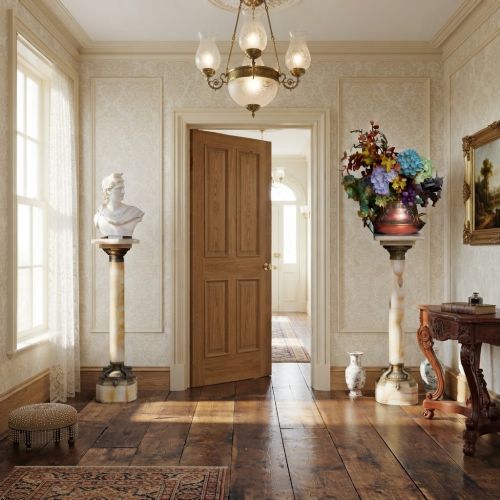
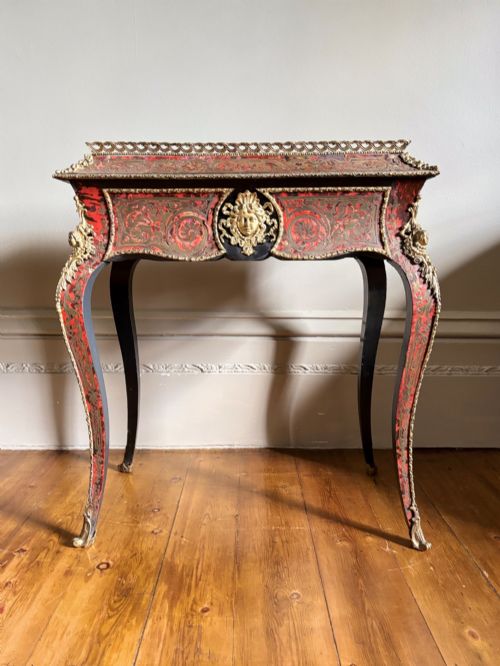
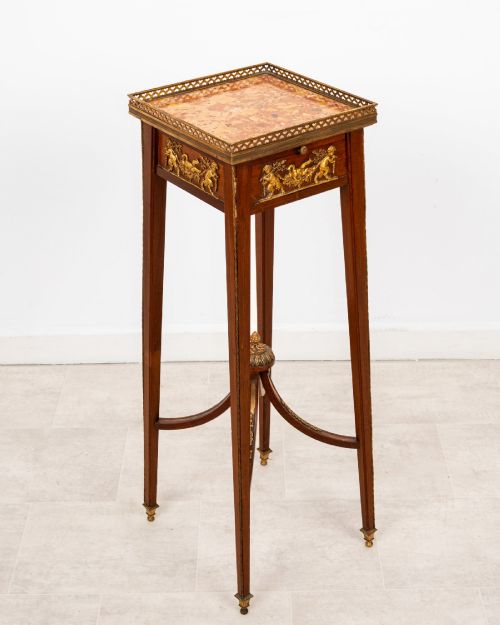
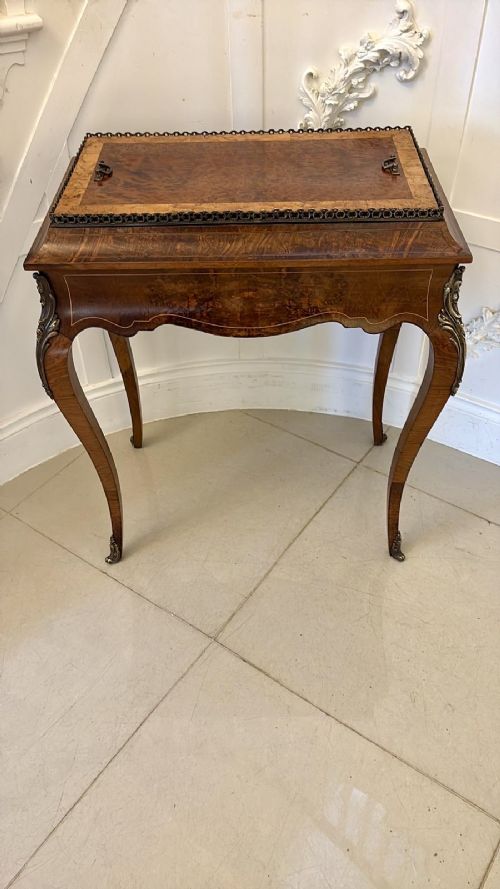
These french ormolu plant stand examples combine heavy cast mounts with fine timbers and marble to elevate domestic greenery.
French Ormolu Plant Stand
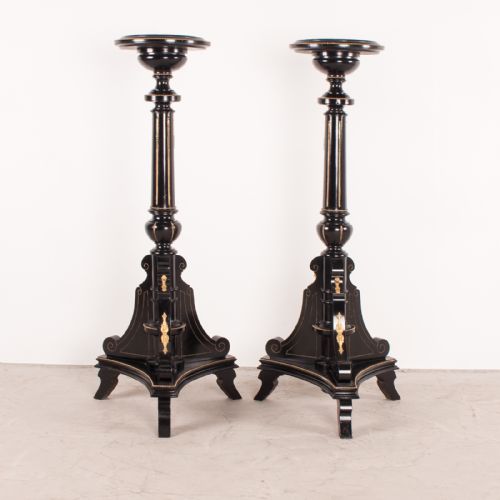
A french ormolu plant stand primarily takes the form of a jardiniere, a pedestal, or an occasional side table designed to hold plants and flowers. Buyers encounter these pieces spanning the nineteenth century, often reflecting Louis XV, Louis XVI, or Empire revival aesthetics.
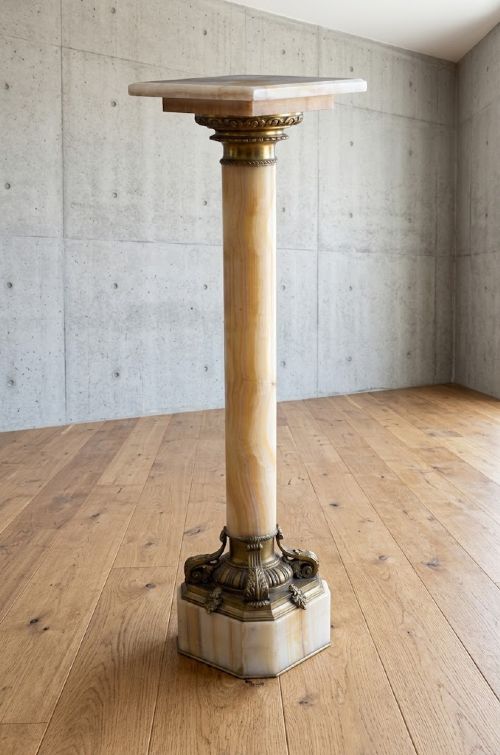
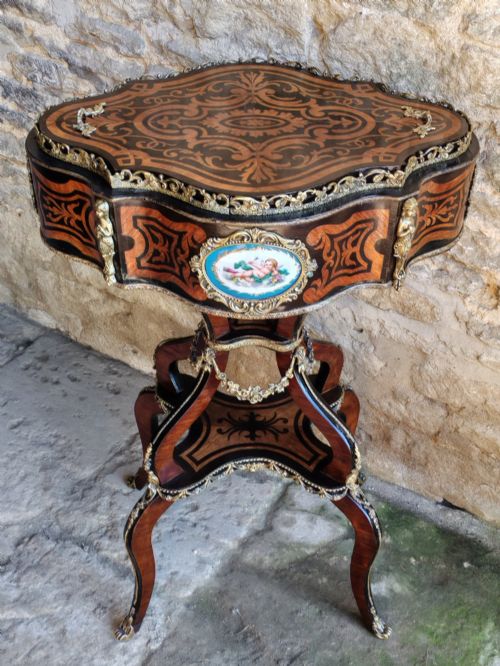
The standard configuration involves a timber frame outfitted with metal liners and decorative gilt bronze mounts. Many examples incorporate marble tops or inset porcelain plaques alongside lower tiers or deep planting wells.
Assessing the workmanship
Quality rests heavily on the crispness of the ormolu chasing and the depth of the hand-finishing on the gilt bronze mounts. Finer pieces display sharply defined foliage and scrolls rather than soft, mass-produced cast surfaces.
The choice of timber veneers and the precision of the marquetry inlay further separate standard production from masterwork output. Superior structural joinery and heavy, uncompromised marble or onyx sections indicate higher atelier standards.
The inventory records pieces attributed to revival movements including Louis XV, Louis XVI, Napoleon III, and French Empire styles.
François Linke·Weisweller
The French Ormolu Plant Stand Glossary
- Ormolu
- Gilt bronze mounts applied to furniture. This technique involves coating cast bronze in a gold amalgam and firing it to drive off the mercury.
- Jardiniere
- An ornamental stand or container for holding plants or flowers. These vessels often feature waterproof metal liners.
- Torchere
- A tall stand or pedestal originally intended to hold a candle or torch. Nineteenth-century examples frequently serve to elevate display items.
- Gueridon
- A small circular table supported by one or more columns. French makers often fitted these with marble tops and ormolu galleries.
- Marquetry
- The art of applying pieces of veneer to a structure to form decorative patterns. Craftsmen utilised various exotic woods to achieve tonal contrast.
French Ormolu Plant Stand: Frequently Asked Questions
What is a french ormolu plant stand used for?
These stands serve to elevate potted plants, flowers, or small decorative trees within a room. They function primarily as ornamental display furniture for interior spaces.
Historical examples also double as wine coolers or cellarettes when fitted with appropriate metal liners. Their decorative surfaces allow them to act as general occasional tables.
How do I care for marble top stands?
Marble and onyx surfaces require cleaning with a damp cloth and mild soap to avoid etching from acidic spills. Protective pads under planters prevent water rings and scratches.
Wooden frames benefit from occasional waxing to maintain the finish of the veneer. Avoiding direct sunlight preserves the tone of the timber and prevents the gilt bronze from tarnishing rapidly.
How do I identify Louis XV style mounts?
Louis XV style ormolu mounts feature asymmetrical scrolling foliage, C-scrolls, and naturalistic floral motifs. These designs avoid straight lines in favour of flowing, serpentine curves.
The cast bronze elements typically wrap around the corners of the furniture to accentuate the movement of the timber carcass. Chasing on these pieces appears deep and tactile.
Are liners original to the plant stands?
Many surviving stands retain their original metal or copper liners, which protected the wood from moisture. Replacements are common due to corrosion from long-term plant watering.
Buyers look for patination on the interior liners that matches the age of the exterior frame. The presence of a maker stamp near the liner rim can confirm authenticity.