
French Inlaid Cabinet
A french inlaid cabinet brings tactile timber, polished metal mounts and refined storage into a room.
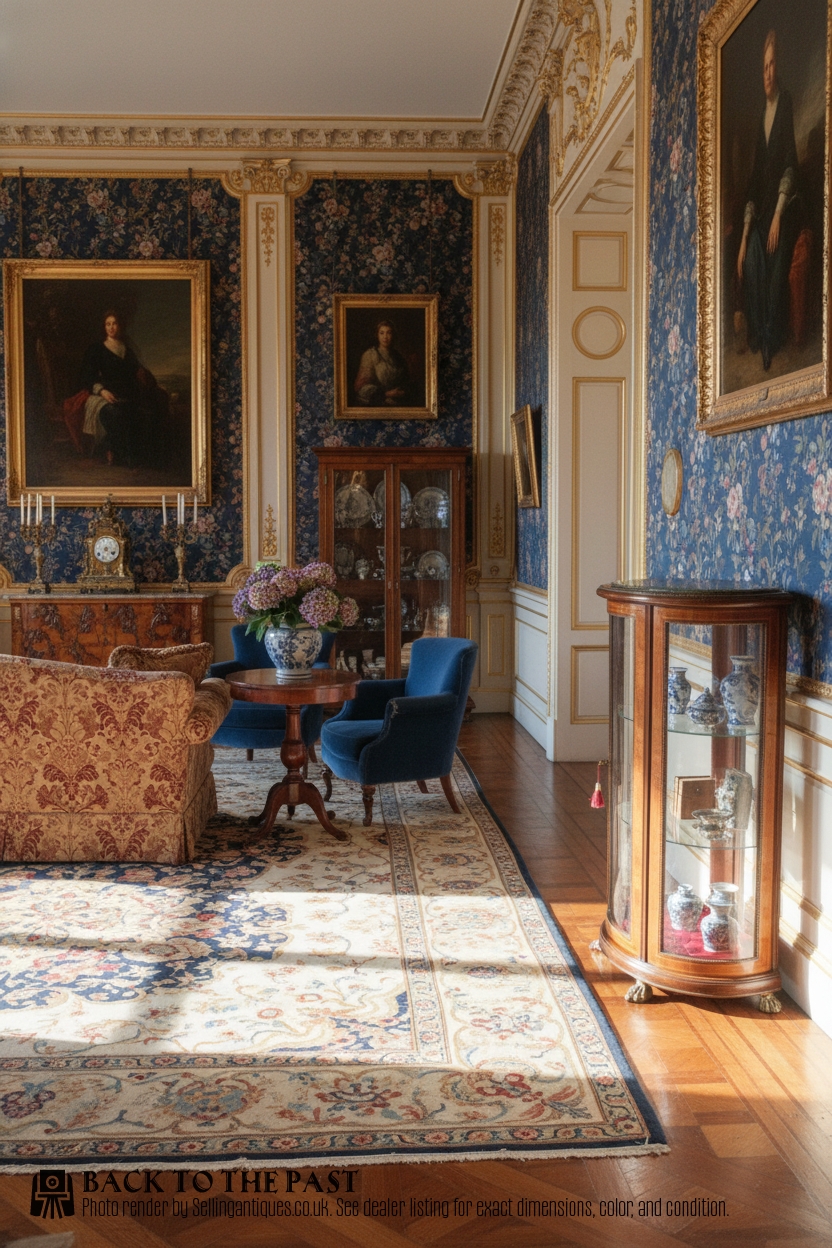
French Inlaid Cabinet
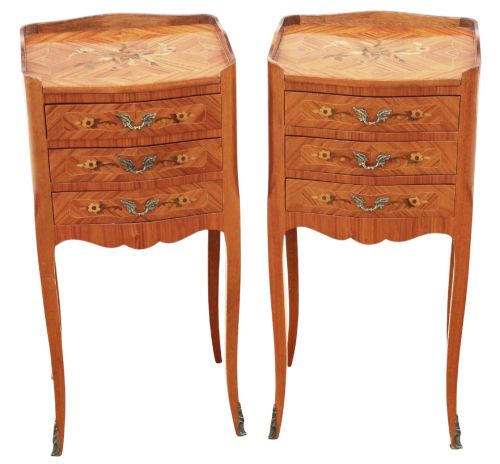
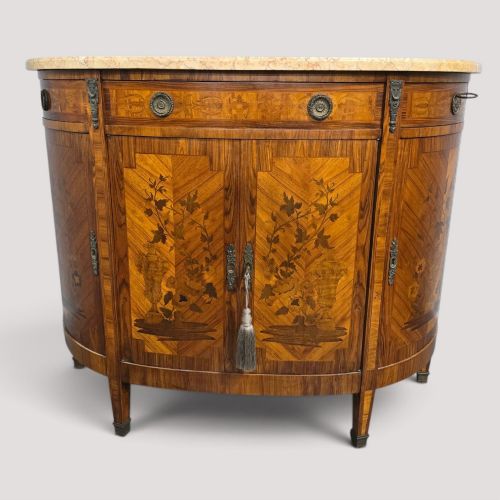
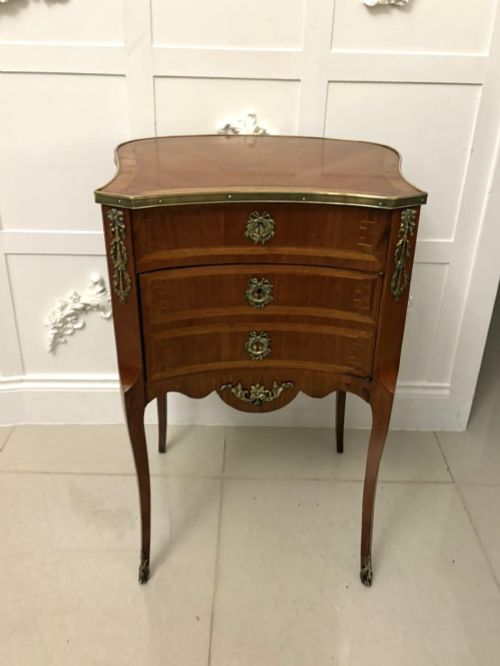
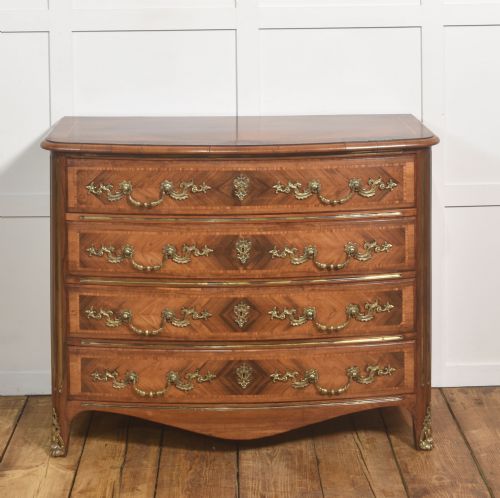
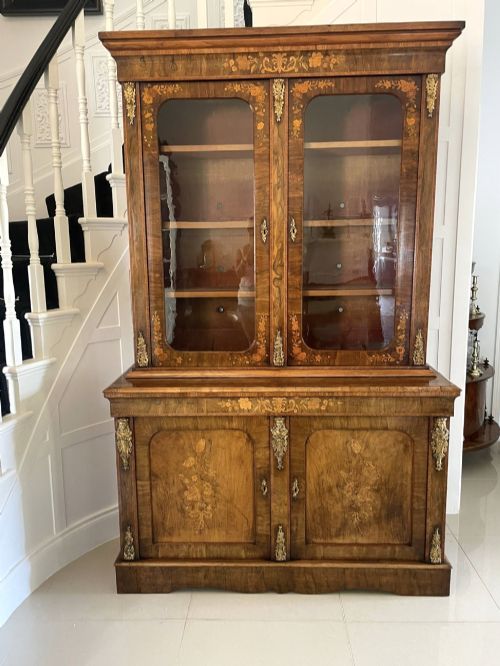
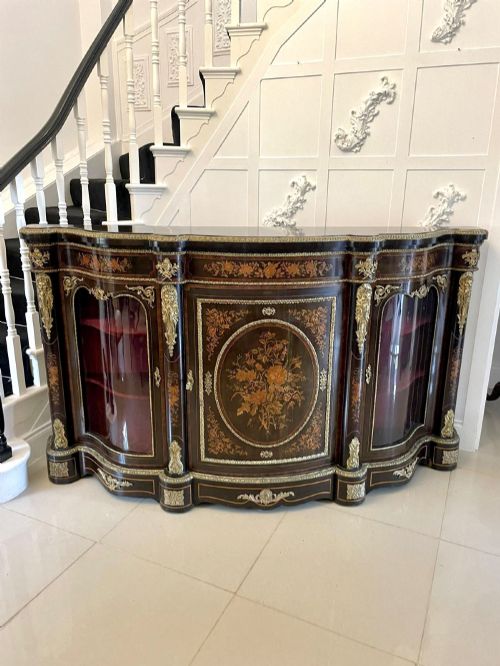
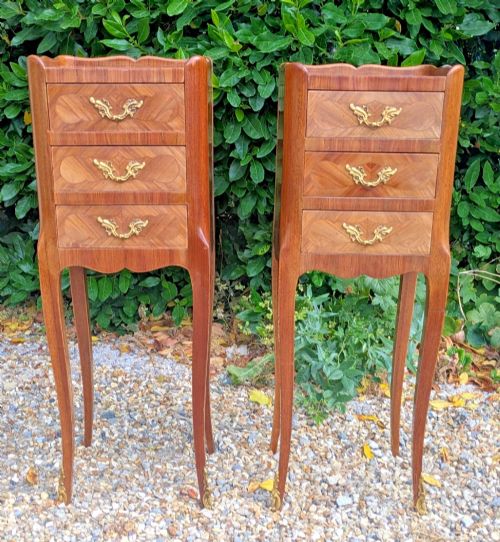
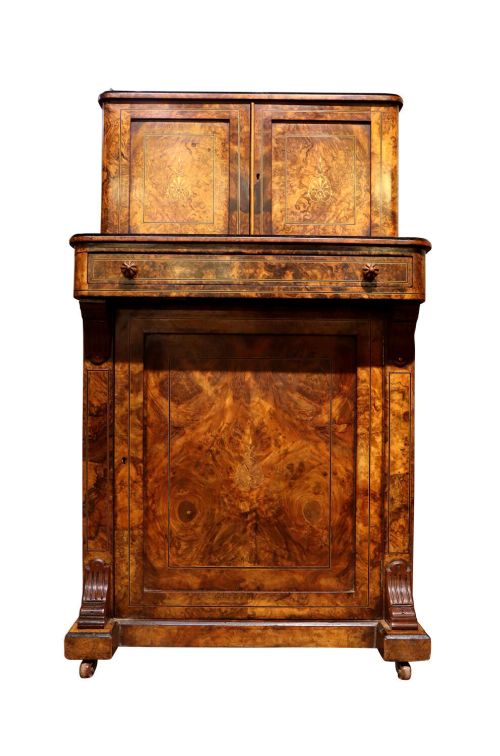
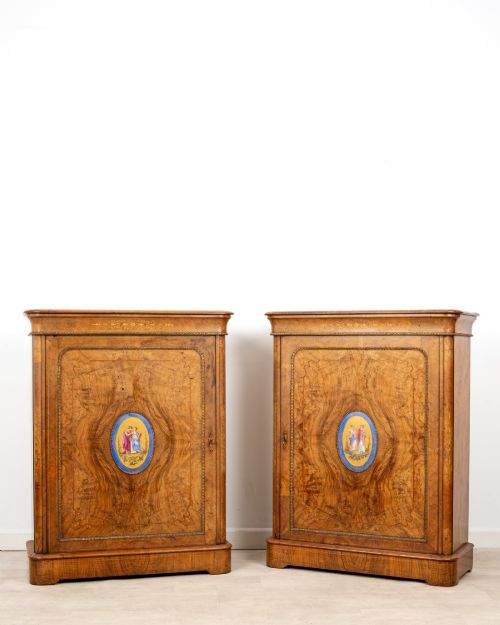
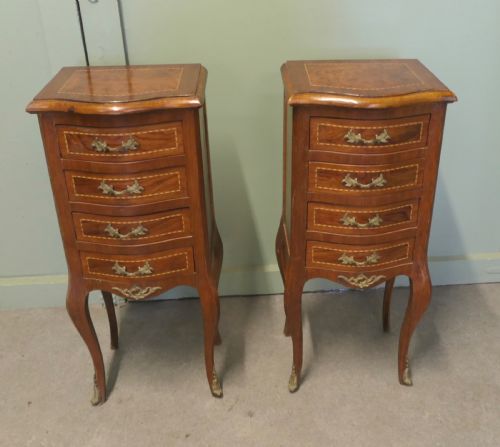
When searching for a french inlaid cabinet, buyers encounter diverse forms ranging from compact bedside chests and nightstands to grand display pieces, commodes, sideboards, and credenzas.
The selection spans the nineteenth and twentieth centuries, featuring revival designs that echo royal French courts alongside simpler utility forms from later decades.
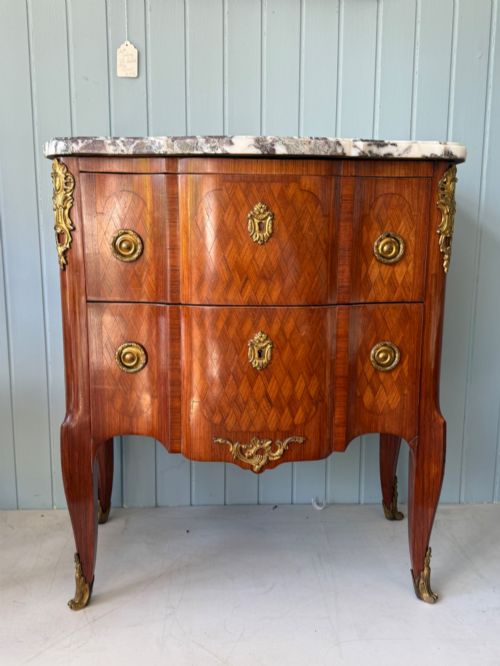
Pieces frequently display curved serpentine or demi-lune fronts, providing substantial visual movement alongside practical surface tops made of marble or polished wood.
Materials and construction methods
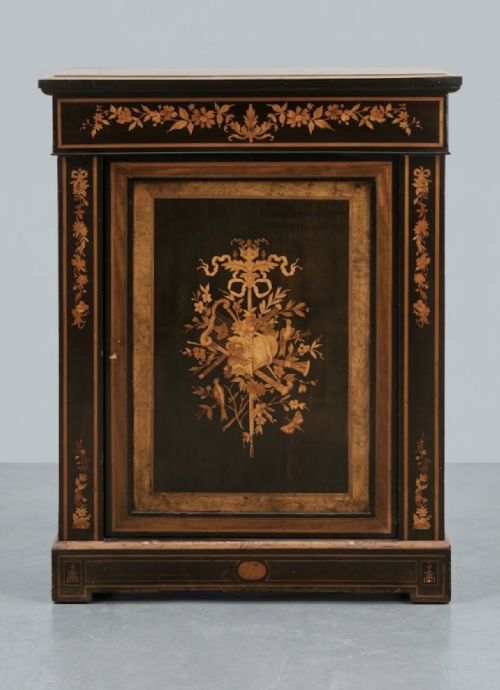
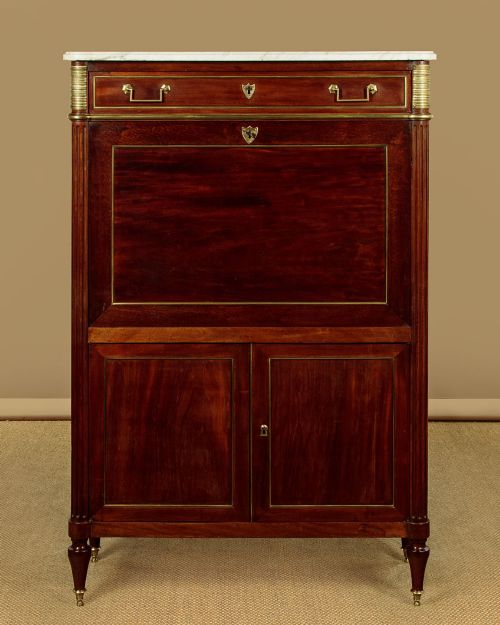
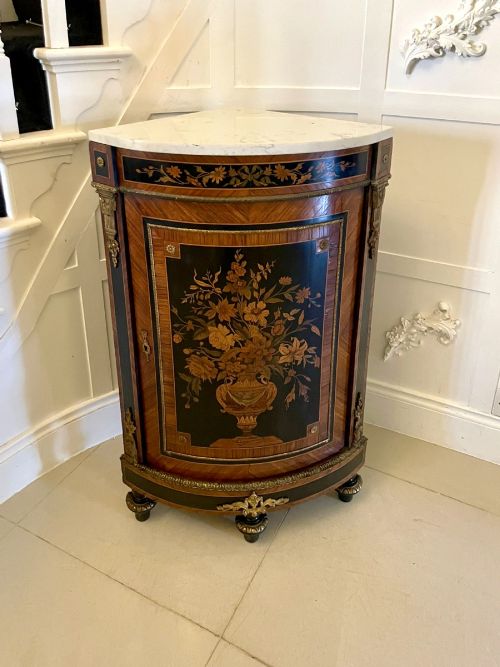
Cabinet makers utilised dense foundation timbers such as walnut, mahogany, satinwood, kingwood, and rosewood, applying contrasting veneers in geometric parquetry or pictorial floral marquetry.
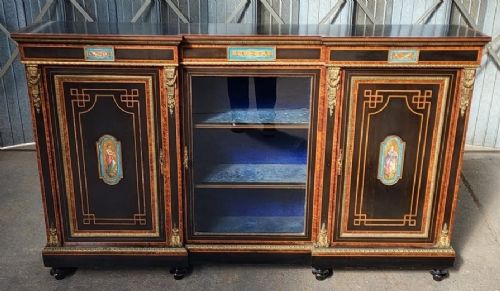
Structural elements frequently incorporated cast or gilded ormolu mounts, brass stringing, and porcelain plaques to accent corners, friezes, and borders.
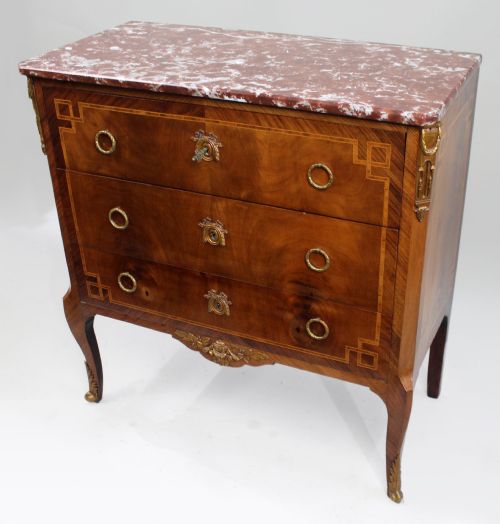
Surfaces often featured fitted marble tops in shades of white or rouge, bedded securely onto timber carcases designed to support heavy stone.
Listings feature walnut, mahogany, kingwood, and rosewood alongside marble tops and cast ormolu mounts.
Assessing build quality and execution
Superior examples separate themselves through the crispness of the brass and ormolu mounts and the precision of the timber cut within the marquetry panels.
Finer construction is evident in the weight of the marble slab, the smoothness of drawer runners, and the integration of secondary timbers within hidden interior compartments.
Maison Krieger·Maurice Jallot·Maison Gagneau
The French Inlaid Cabinet Glossary
- Marquetry
- A decorative technique where small pieces of varied coloured wood veneer are assembled to form pictorial patterns or floral motifs. These designs are glued onto the structural carcase of the furniture.
- Ormolu
- Gilded bronze mounts applied to furniture edges, feet, and corners for ornamental effect. The metal is cast and then finished with a gold wash.
- Parquetry
- Geometric wood inlay forming repeating patterns such as cubes, diamonds, or chequers across cabinet doors and tops. This method highlights the natural grain variations of the timber.
- Serpentine
- A furniture front or surface that curves outward in the centre and inward at the sides. This shape demands high joinery skill to execute correctly in solid wood and veneer.
- Credenza
- A low cabinet piece originally designed for dining rooms or display, frequently mounted with ormolu and featuring glazed or panelled doors.
French Inlaid Cabinet: Frequently Asked Questions
How do I care for marble tops?
Clean marble surfaces using a soft cloth dampened with warm water and mild soap, avoiding acidic cleaning solutions that etch the stone.
Dry the slab thoroughly after wiping to maintain the polished finish and prevent water rings from forming.
Where should I place a bedside cabinet?
These compact pieces fit easily beside a bed, serving as a surface for lamps and small nightly items while offering concealed drawer storage.
Their decorative fronts and finished backs also allow them to function independently as small lamp tables in corners or hallways.
How do I distinguish Louis XV and Louis XVI styles?
Louis XV pieces rely on asymmetrical curves, cabriole legs, and flowing floral marquetry that emphasise organic movement.
Louis XVI furniture introduces straight tapered legs, geometric symmetry, and classical architectural motifs derived from ancient excavations.
What is the difference between marquetry and parquetry?
Marquetry uses varied veneers to create pictorial scenes, ribbons, or floral arrangements across cabinet doors and tops.
Parquetry sticks strictly to geometric tiling arrangements like cubes or chequers to build abstract surface patterns.