


Inlaid Wood Display Case
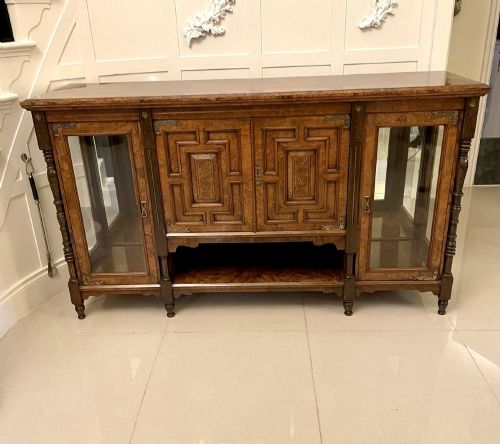
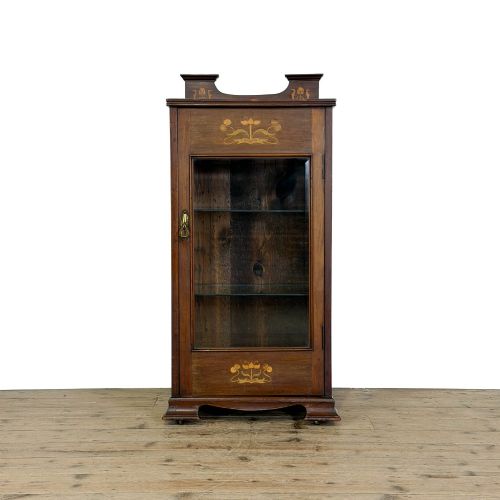
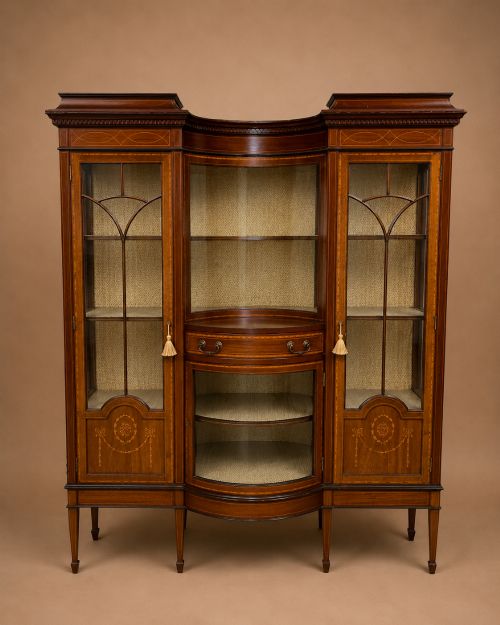
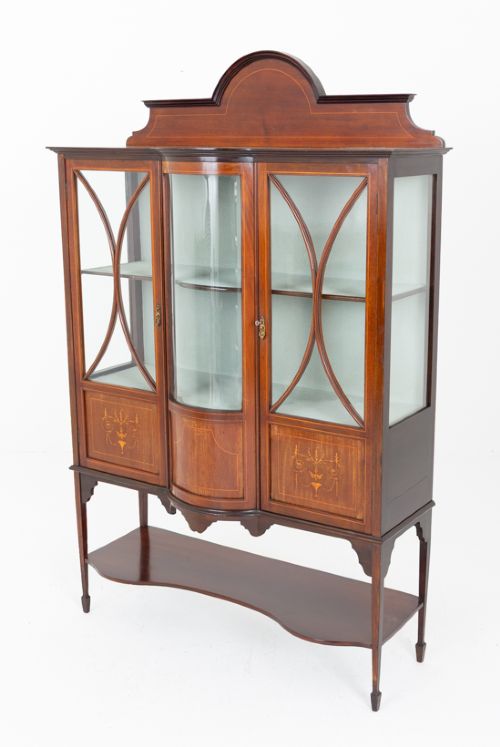
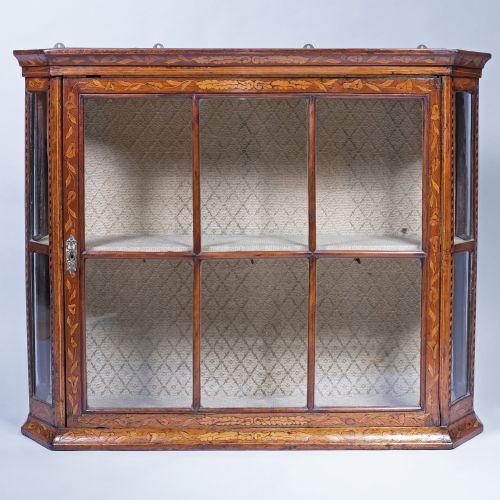
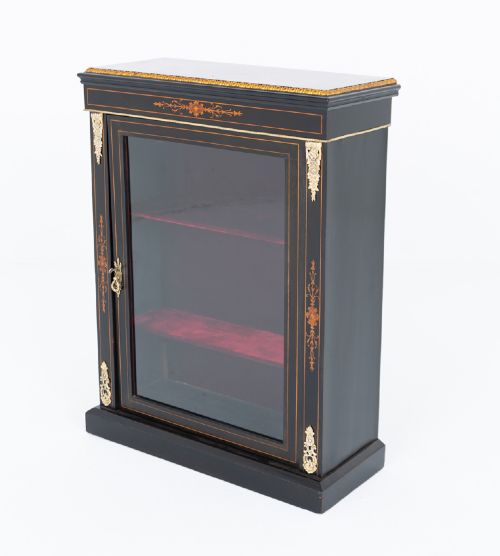
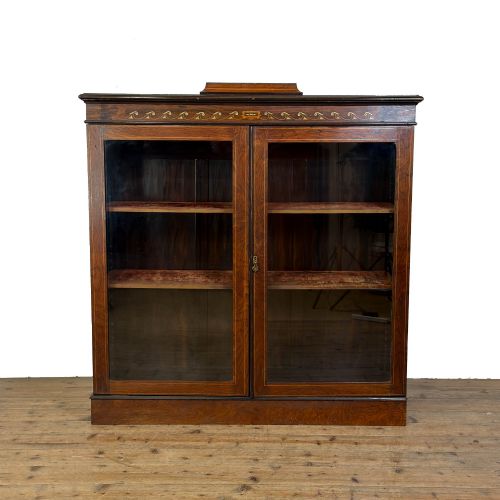
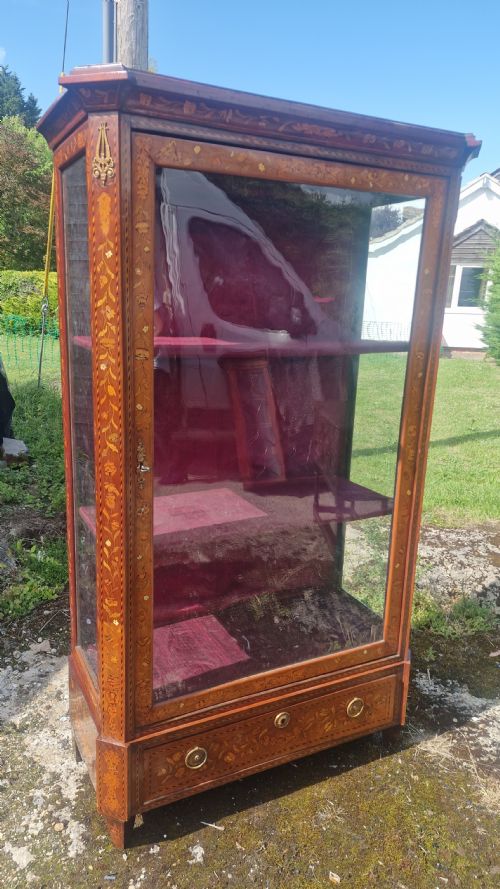
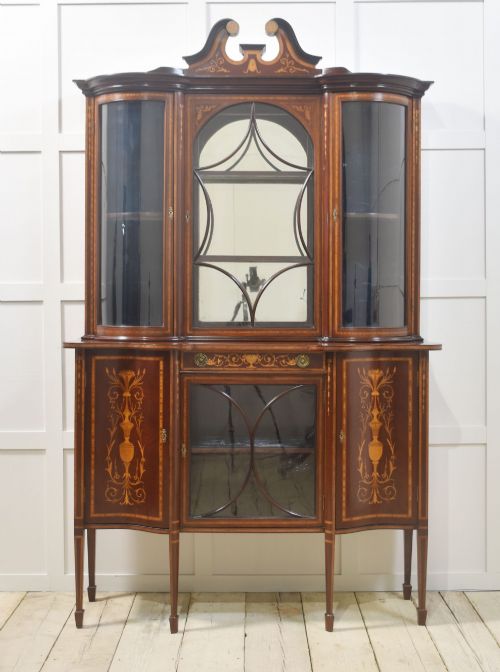
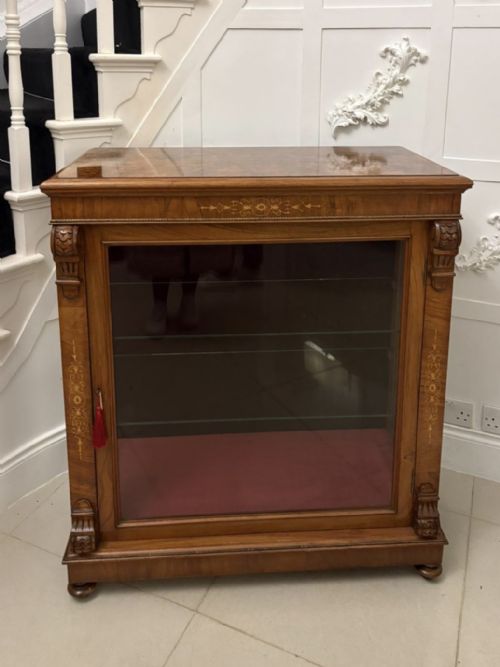
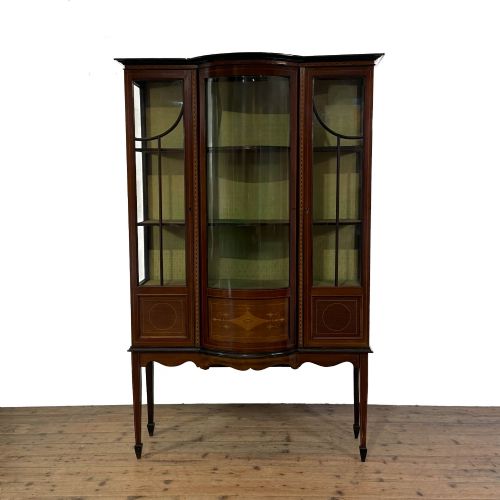
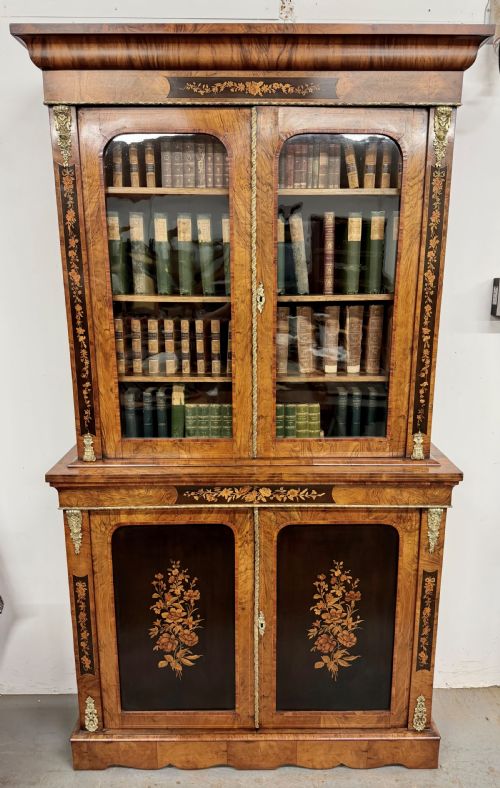
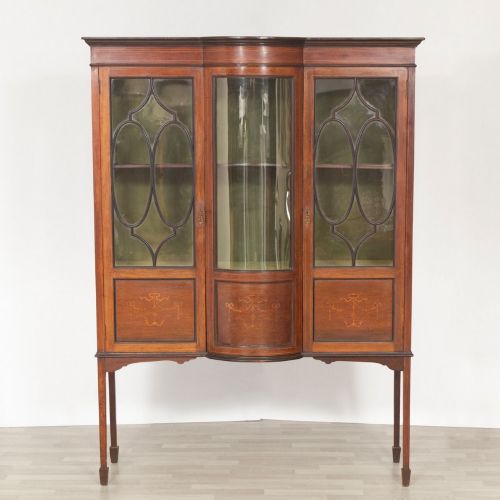
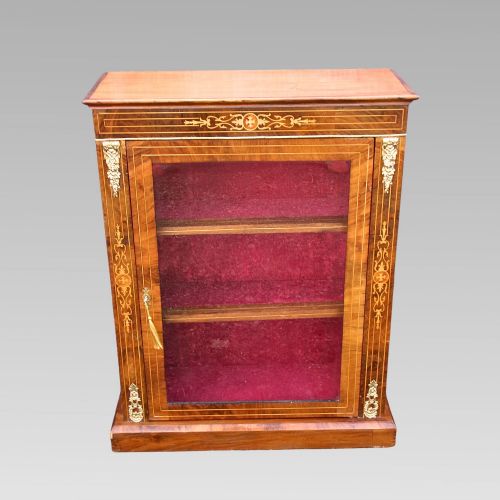
These inlaid wood display case examples bring together glass, mahogany, satinwood, and walnut across Victorian, Edwardian, and eighteenth-century periods to showcase precious objects.
Inlaid Wood Display Case
An inlaid wood display case serves to protect and exhibit curated objects, taking forms such as wall cabinets, corner cabinets, vitrines, and sideboards. When you search for an inlaid wood display case, you encounter pieces designed to hold china, books, and small collectables behind glazed doors.
The pieces appearing on this page span the eighteenth century, the Victorian era, and the Edwardian period, with Edwardian mahogany cabinets and nineteenth-century examples forming the majority of the selection. Makers from these eras utilised timber frames fitted with glass panels and lined interiors with fabric or velvet to frame the items kept inside.
Styles range from Georgian restraint and Sheraton Revival symmetry to Dutch marquetry and Art Nouveau lines. Buyers select these cabinets to bring period craftsmanship and organised storage into domestic spaces.
What varies in quality
Quality rests upon the precision of the timber selection, such as figured burr walnut or closely grained mahogany, paired with the execution of the marquetry and satinwood inlay. Finer examples display crisp, intricate botanical or geometric patterns that remain flush with the surrounding wood, rather than flat painted substitutes or poorly fitted veneers.
Construction details distinguish workshop tiers, including the weight of the glass, the thickness of the timber carcase, and the presence of original brass hardware. The integration of glazed panels and the alignment of doors and drawers reveal the original maker's skill.
One Edwardian cabinet bears later sign-written names of perfume brands, hinting at a past life behind a shop counter.
The Inlaid Wood Display Case Glossary
- Vitrine
- A glass-fronted cabinet designed specifically for displaying fine porcelain, curiosities, or objects of art. These pieces typically feature glazed sides as well as doors to maximise light penetration.
- Marquetry
- Decorative woodwork where pieces of contrasting veneer are assembled to form pictorial or geometric patterns. Craftsmen apply this technique to cabinet doors and friezes.
- Pier cabinet
- A tall, narrow cabinet built to fit the wall space between windows, often featuring glazed doors and walnut or mahogany construction. Victorian examples frequently incorporate ebonised details.
- Bijouterie table
- A glass-topped display table or cabinet designed to hold small valuable items such as jewellery or medals. These tables often stand on slender legs with satinwood inlay.
- Cross-banding
- A border technique where thin strips of veneer are laid with the grain running perpendicular to the central panel. This frames the main timber surface of a cabinet door.
Inlaid Wood Display Case: Frequently Asked Questions
What is an inlaid wood display case used for?
These cabinets were historically built to display fine china, books, and collectables while protecting them from dust. Owners arranged their prized possessions behind glass panels to be viewed in reception rooms.
Today, they serve the same purpose in modern homes, offering structured shelving and glazed fronts to showcase objects while keeping them secure.
How do I date an inlaid wood display case?
Dating relies on identifying timber choices, construction methods, and stylistic markers such as Sheraton Revival motifs or Art Nouveau curves. Edwardian pieces often use lighter mahogany frames with delicate satinwood inlay, whereas Victorian examples favour heavier burr walnut.
Examining the interior timber, backboards, and hardware provides further clues to whether a piece originates from the eighteenth, nineteenth, or early twentieth century.
Where should I place a corner cabinet?
Corner cabinets are engineered with angled backs to fit snugly into room corners, making efficient use of otherwise dead floor space. They work well in dining rooms or living areas to house collections without obstructing walkways.
Wall-mounted corner versions can also be hung at eye level above other furniture to display smaller items.