
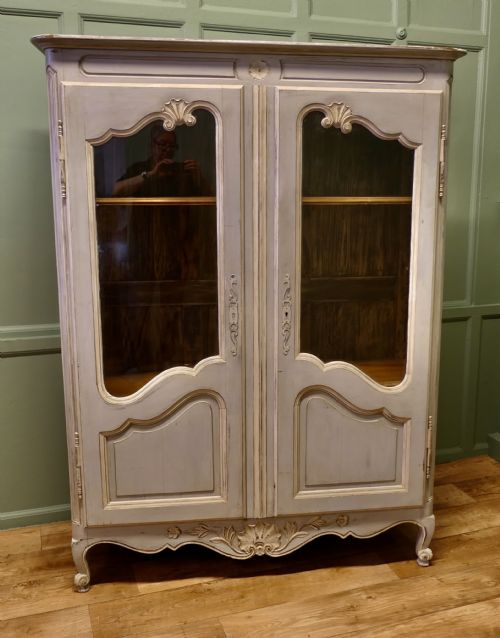
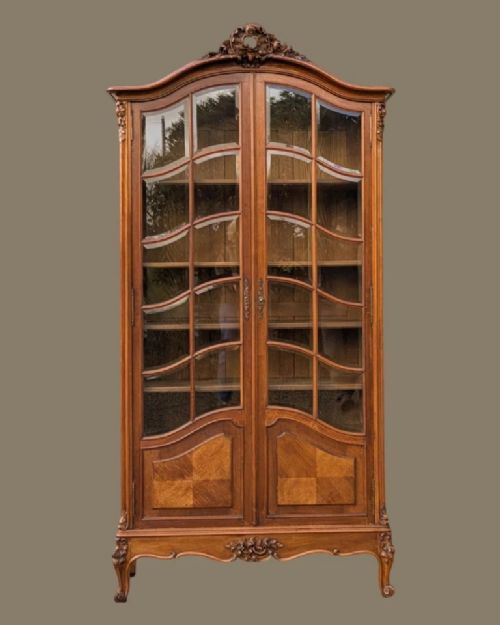


French Provincial Vitrine
These French provincial vitrine pieces are glazed display cabinets designed to showcase treasures whilst keeping dust at bay.
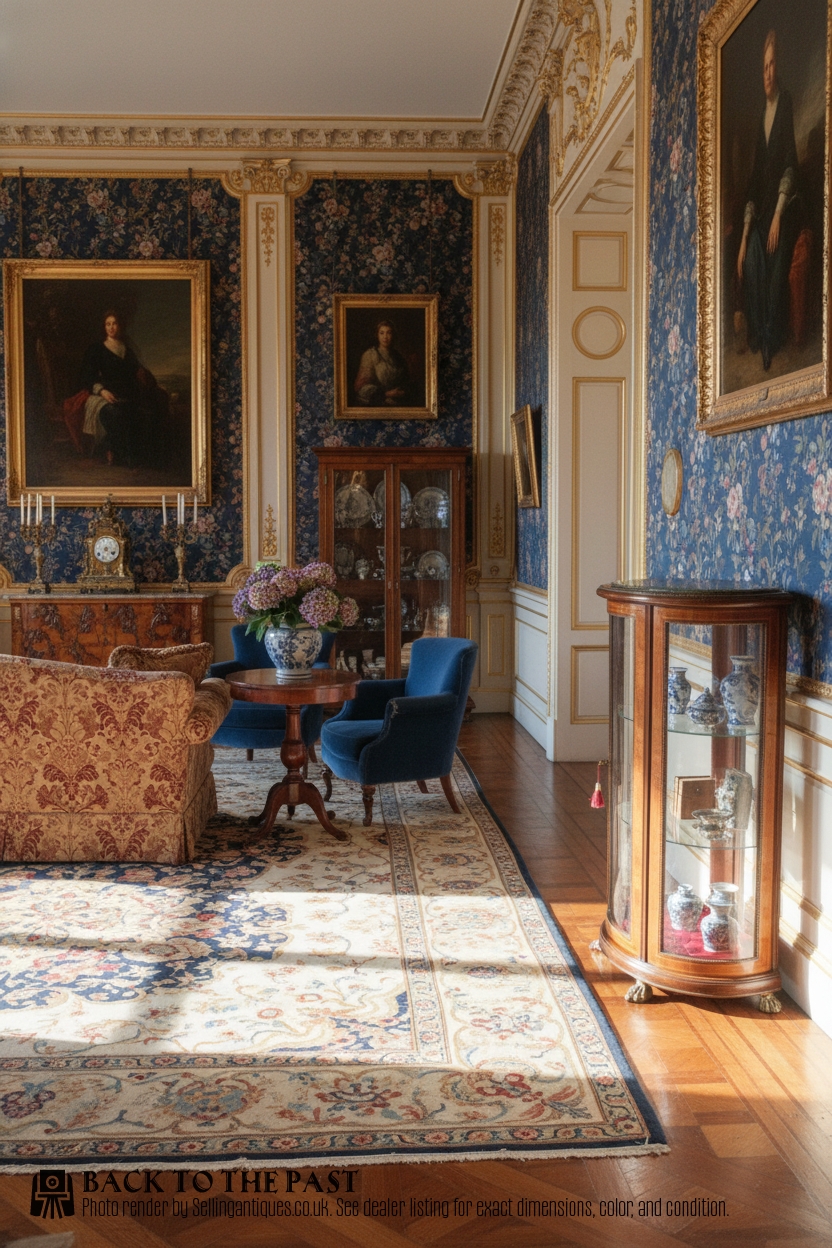
French Provincial Vitrine
A french provincial vitrine combines practical storage with elegant display space, featuring glass doors that reveal the interior shelves. These items appear across several distinct periods, most notably the eighteenth and nineteenth centuries, reflecting regional European cabinet-making traditions.
The forms range from two-piece commode and vitrine combinations to tall bookcases and concave glass cabinets. Walnut and oak dominate the construction, often enhanced by painted finishes or contrasting marble tops.
Buyers encounter variations spanning Louis XV revival styles to simpler provincial cupboards adapted for modern display. Each piece brings a distinct architectural presence to an interior, whether finished in natural wood or distressed paint.
Construction and materials
Master joiners utilised solid hardwoods like oak and walnut to build the primary carcass and shelving. These timbers provide the structural integrity required to support heavy glass doors and contents over centuries.
Glazing techniques involve fitted glass panes held within wooden frames, occasionally complemented by curved or concave glass panels. Brass hardware frequently secures the doors, whilst marble inserts provide durable and decorative top surfaces on selected cabinets.
Judging quality and craftsmanship
Quality rests in the precision of the joinery and the selection of figured timbers used for the exterior surfaces. Superior examples display thoughtful proportions and harmonious integration of glass panels with the wooden frame.
The character of the finish distinguishes everyday utility pieces from finer decorative items. Original painted surfaces, patinated wood, and integrated architectural details elevate the visual authority of the cabinet.
The French Provincial Vitrine Glossary
- Vitrine
- A glass-fronted display cabinet used for exhibiting porcelain, books, or objects of curiosity. The design protects delicate items from dust whilst offering maximum visibility.
- Commode
- A low chest of drawers or cabinet. In certain configurations, it serves as the robust base section beneath a glazed upper display unit.
- Rococo
- An ornate design style characterised by asymmetry, scrollwork, and natural motifs. This aesthetic heavily influences the carved details found on eighteenth and nineteenth-century French furniture.
- Bijouterie cabinet
- A specialised glazed display case designed specifically for smaller precious items, jewellery, or curiosities. These often feature glass tops and upper sections for optimal viewing.
- Concave glass
- Curved glass panels that bend inward, requiring advanced manufacturing skill. This material appears on select specialty cabinets to create a distinctive rounded facade.
French Provincial Vitrine: Frequently Asked Questions
What is a French provincial vitrine?
A French provincial vitrine is a glazed display cabinet originating from regional France, combining timber construction with glass viewing panels. These pieces served traditionally to store and display household valuables, textiles, or books.
Today, they function as focal points in living areas and dining rooms, offering dust-free storage whilst showcasing curated collections of ceramics or glassware.
How do I date an antique vitrine?
Dating relies on examining construction methods, timber selection, hardware, and stylistic markers such as Louis XV revival curves or simpler provincial lines. Eighteenth-century pieces typically show hand-cut joinery and period-specific timber patination.
Later nineteenth-century and early twentieth-century examples often incorporate machine-sawn elements, different glass manufacturing traits, or revival styling cues that reflect the period of their manufacture.
Where should I place a vitrine?
These cabinets suit dining rooms, libraries, or drawing rooms where their glass doors can display collections safely. Positioning them away from direct sunlight protects both the wooden timber and any items stored inside.
Ensure adequate floor clearance and stable wall proximity, particularly with taller or heavier two-piece oak and walnut configurations.
How do I care for antique wood?
Maintain the timber by keeping the cabinet in a stable environment with moderate humidity levels to prevent wood movement or cracking. Dust regularly with a soft cloth and avoid commercial silicone polishes.
Apply a traditional beeswax occasionally to nourish unpainted wooden surfaces and preserve the natural patina built up over generations.