




Antique French Chiffonniere
An antique french chiffonniere brings refined storage and intricate marquetry to a room, offering both practical surface space and distinct period charm.
Antique French Chiffonniere
The versions most frequently met on this page span the 1860s through to 1920, showing the enduring popularity of Louis XV and Louis XVI aesthetics. They function primarily as decorative yet practical additions to reception rooms and bedrooms alike.
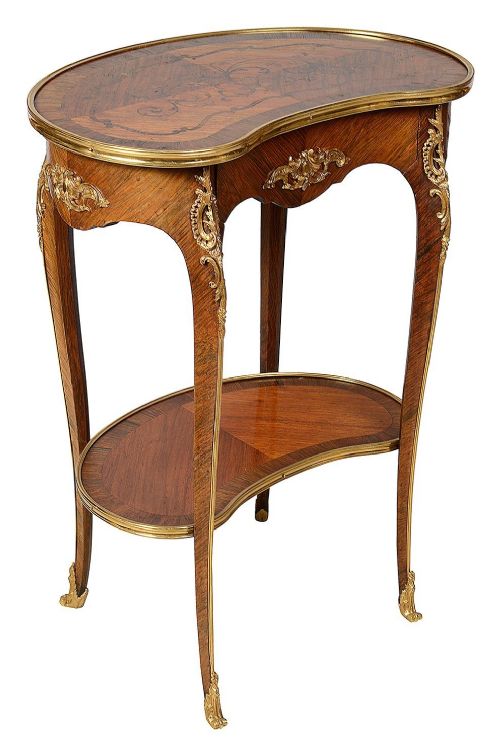
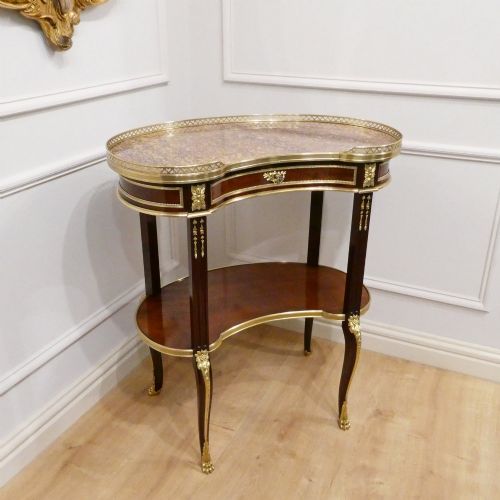
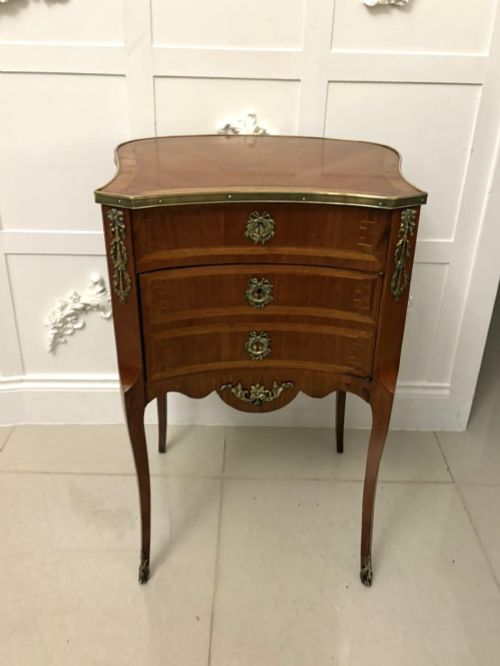
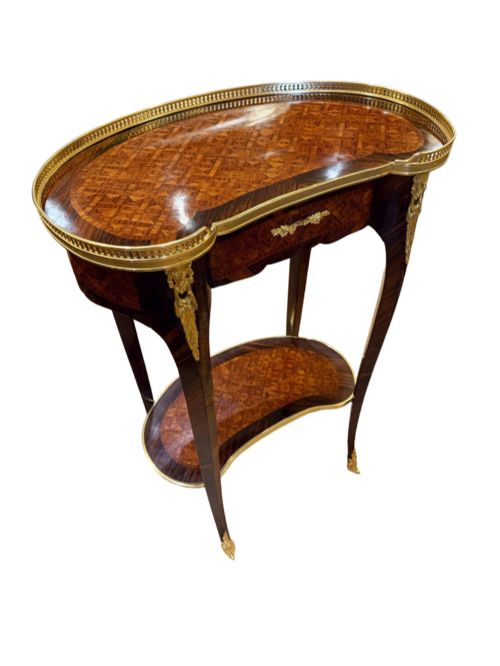
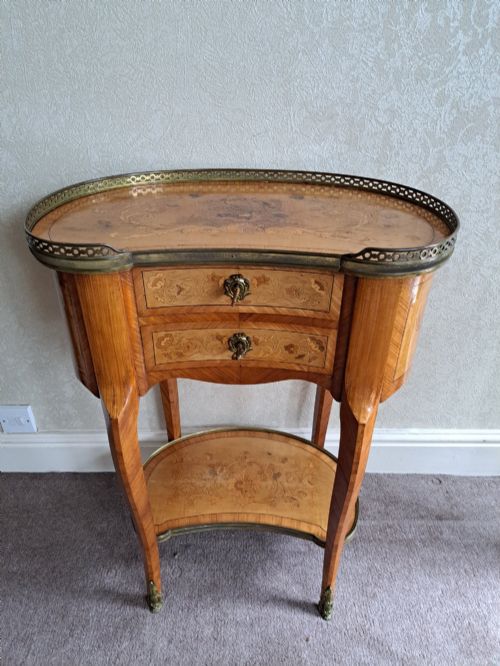
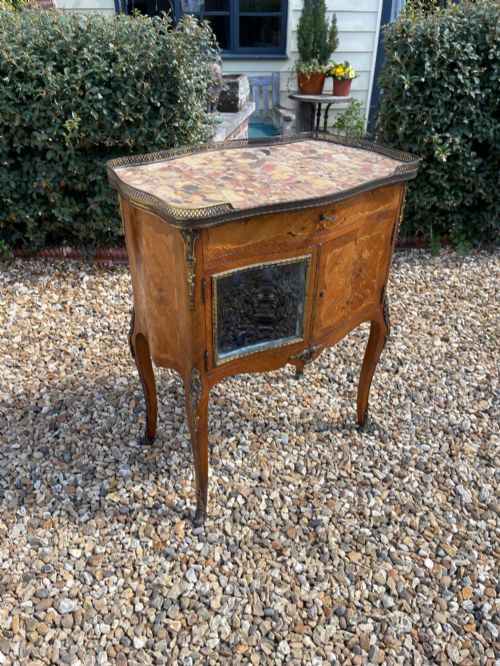
Makers and craftsmen of the period utilised distinctive forms, ranging from kidney-shaped side tables to glass-topped commodes and marquetry-inlaid cabinets on stands. Each piece reflects the evolving tastes of French cabinet making across the decades.
Materials and construction
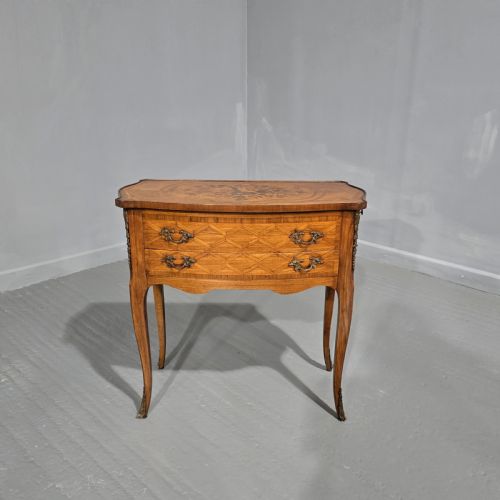
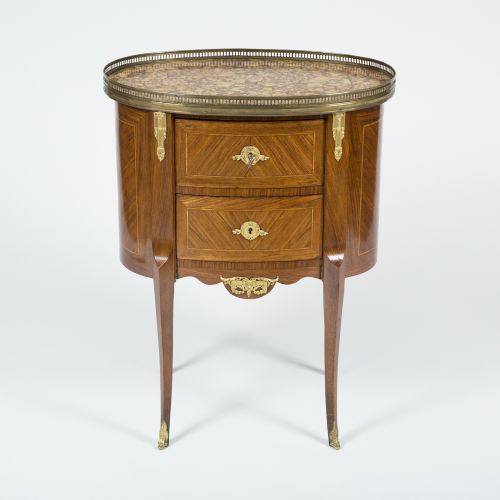
These pieces rely on a rich palette of timbers, prominently featuring kingwood, walnut, rosewood, and mahogany as foundational veneers and solids. Artisans applied precise marquetry and parquetry inlay to create geometric and floral patterns across the surfaces.
Metal mounts in brass and ormolu complement the timber work, providing structural accents and decorative flourishes around corners and legs. Marble tops, specifically varieties such as breche d'alep, appear on commodes to provide durable and elegant functional surfaces.
Glass is integrated into vitrines and display cabinets to house treasured objects, while freestanding designs demonstrate careful finishing on all visible sides. Joinery techniques of the period ensure structural integrity beneath the decorative veneers.
Antique French Chiffonniere Retail Price Guide 2026
Typical asking prices for french chiffonniere among the pieces listed under this phrase on Sellingantiques today, from the lower quarter to the upper quarter. They describe what is for sale here now, not the wider market.
The listings on this site show pieces spanning the nineteenth century up to 1920, incorporating walnut, kingwood, mahogany, and rosewood.
Evaluating craftsmanship
The standard of an antique french chiffonniere is determined by the precision of its marquetry and the execution of its parquetry inlay. Finer examples display meticulous grain matching and tightly fitted wood sections that remain flush over time.
Quality also rests in the selection of materials, such as the weight and chiselling of ormolu mounts and the thickness of marble used for tops. Master workshops invested greater labour in hand-finishing bronze details and ensuring smooth drawer and door operation.
Maison Millet
The Antique French Chiffonniere Glossary
- Marquetry
- Decorative veneer work forming pictures or patterns on furniture surfaces. It involves cutting thin pieces of wood and other materials to fit together precisely.
- Ormolu
- Gilded bronze mounts applied to furniture for decoration. This technique creates a rich golden finish that highlights the structural lines of the piece.
- Parquetry
- Geometric wood inlay forming repeating patterns such as cubes or chevrons. It provides a structured contrast to more fluid floral marquetry designs.
- Vitrine
- A glass-fronted cabinet designed for displaying porcelain and curiosities. These pieces often feature glazed sides to maximise light exposure on the contents.
- Commode
- A low chest of drawers or cabinet originating in France. They frequently incorporate marble tops and elaborate mounts.
Antique French Chiffonniere: Frequently Asked Questions
What is an antique french chiffonniere used for?
These pieces function primarily as decorative storage and display units within domestic interiors. They hold smaller household items while offering surface space for lamps or decorative objects.
In reception rooms or bedrooms, they add distinct period character and functional surface area. Their enclosed cabinets and drawers keep belongings tidy out of sight.
How do I date an antique french chiffonniere?
Dating relies on identifying stylistic markers, timber choices, and construction methods characteristic of specific decades. Nineteenth-century pieces often exhibit revival aesthetics like Louis XV or Louis XVI.
Material trends also offer clues, such as the preference for kingwood and walnut during the Victorian period. Hardware styles and the integration of marble or glass further narrow down the decade of production.
Where should I place a chiffonniere?
These cabinets suit living rooms, hallways, or bedrooms where both display space and concealed storage are desired. Freestanding versions look particularly striking when positioned to be viewed from multiple angles.
Because many feature delicate marquetry or marble tops, placing them away from direct heat sources and strong sunlight preserves the wood and finish. Pairing them with complementary period furniture enhances the overall interior scheme.
How do I care for inlaid wood?
Maintain inlaid surfaces by dusting regularly with a soft, dry cloth to prevent dirt accumulation in the grain. Avoid chemical polishes that can degrade historical finishes and veneers.
Keep the furniture in rooms with stable humidity and temperature to prevent the wood from expanding or contracting. This protects the delicate marquetry and parquetry from lifting over time.