
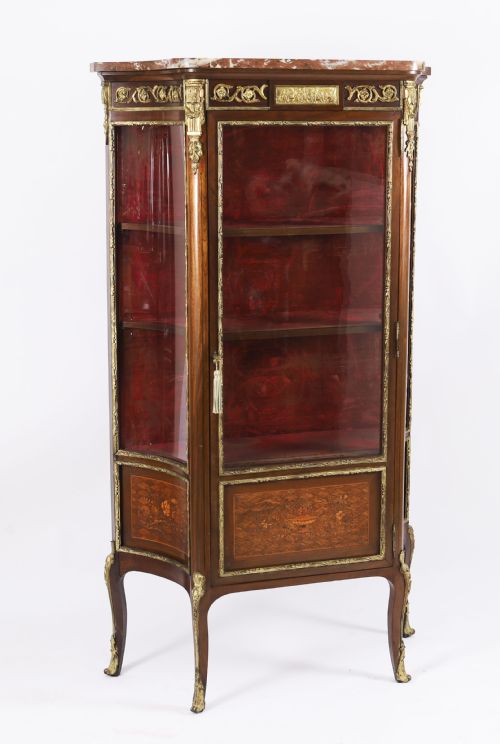


Gilt Bronze Vitrine Cabinet
A gilt bronze vitrine cabinet unites structural display with gilded metalwork to showcase precious objects.
Gilt Bronze Vitrine Cabinet
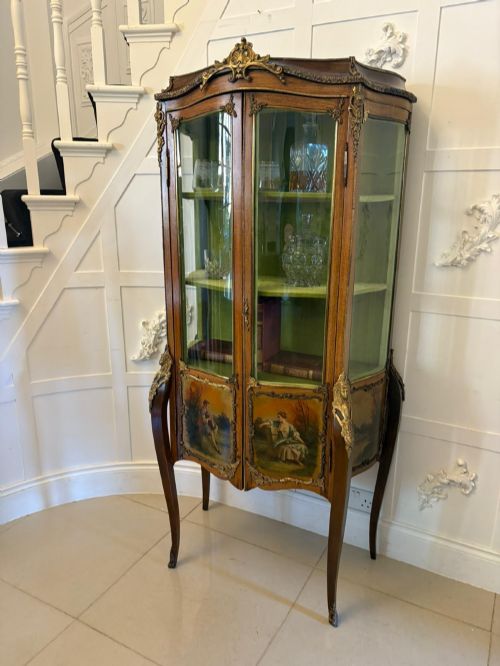
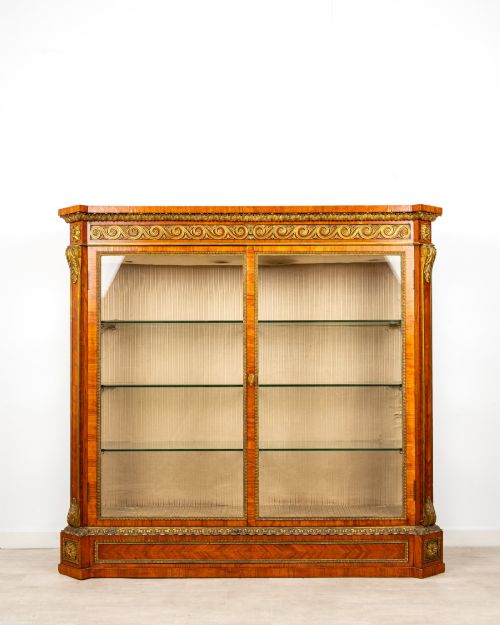
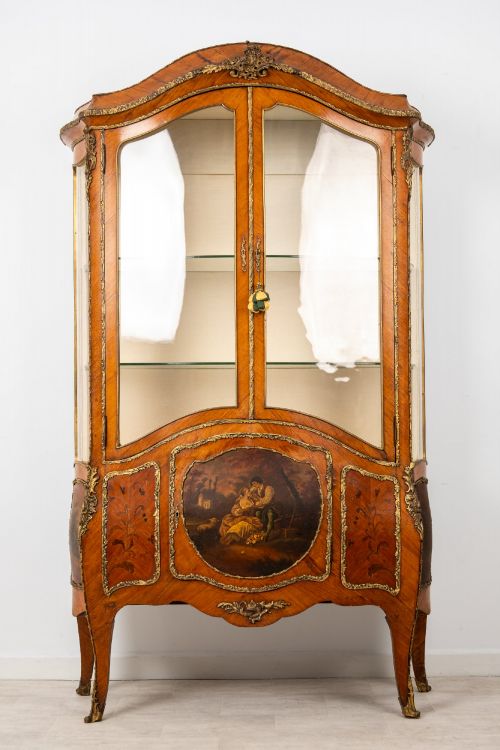
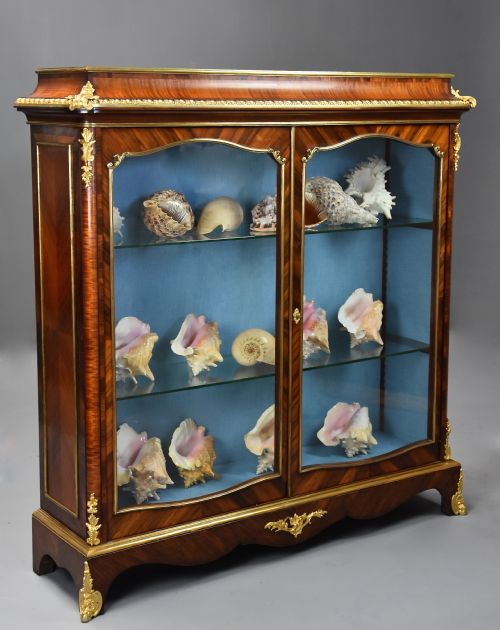
A gilt bronze vitrine cabinet is an enclosed display piece designed to protect and exhibit collectibles. The examples seen on this page predominantly date from the nineteenth century into the Edwardian period, often following French revival styles.
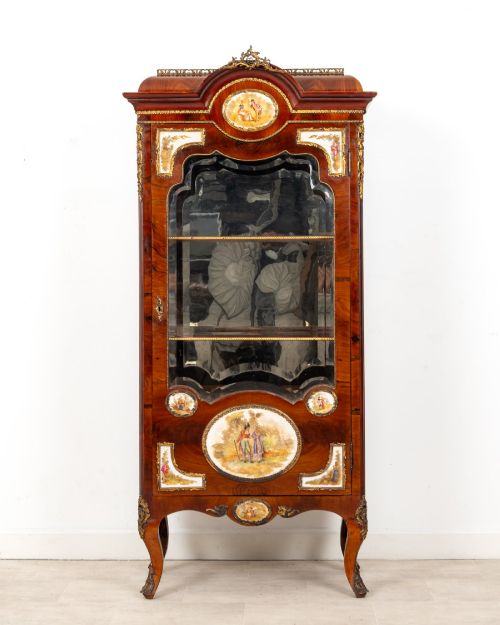
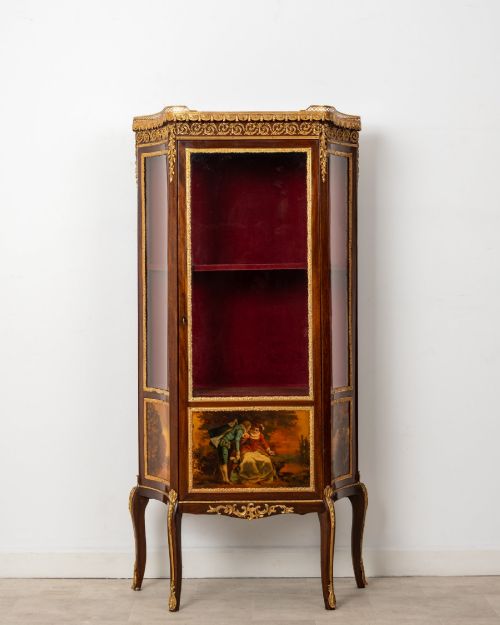
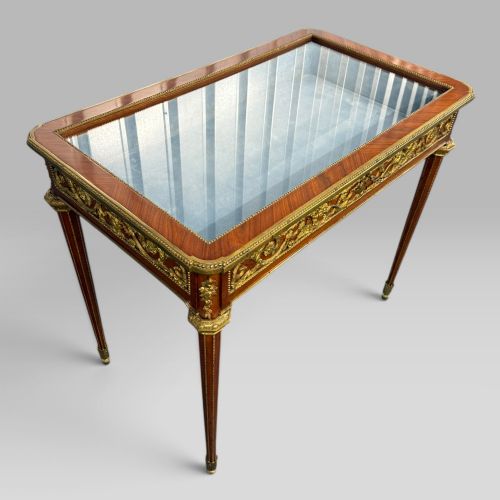
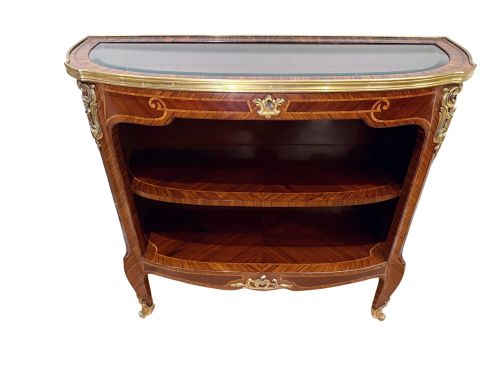
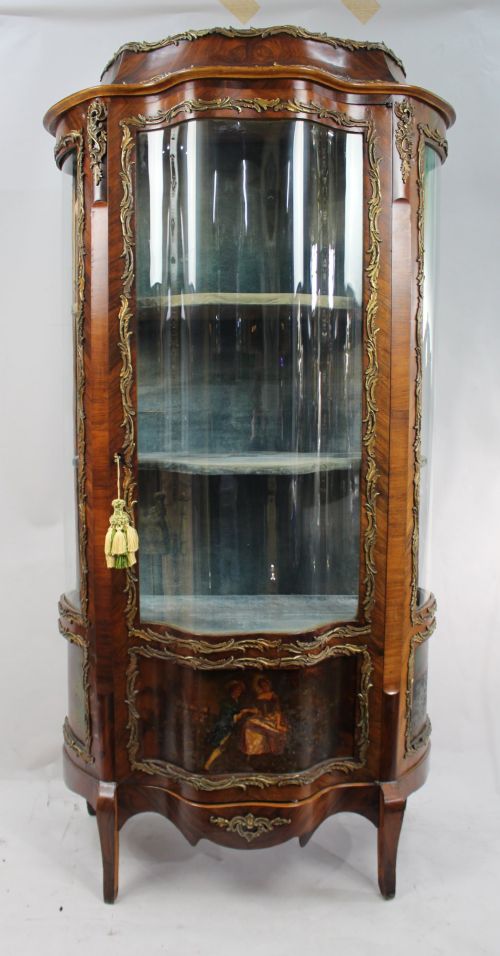
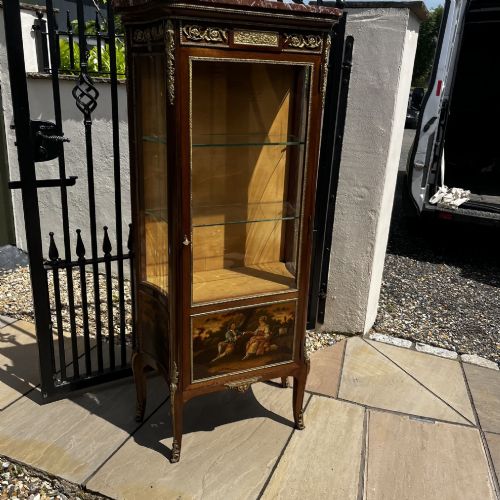
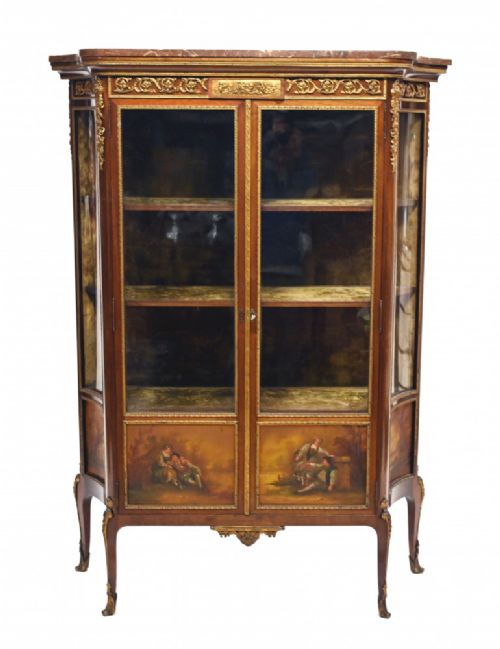
Makers constructed these cabinets as display cabinets, bijouterie tables, and pier cabinets with glass panels. Their forms range from serpentine fronts and bombé shapes to straightforward upright display cases.
The aesthetic draws heavily on Louis XV and Louis XVI traditions, merging structural cabinetry with decorative gilt bronze and ormolu mounts. Pieces span formats designed for floor placement as well as specialised tables with glazed viewing areas.
Materials and construction methods
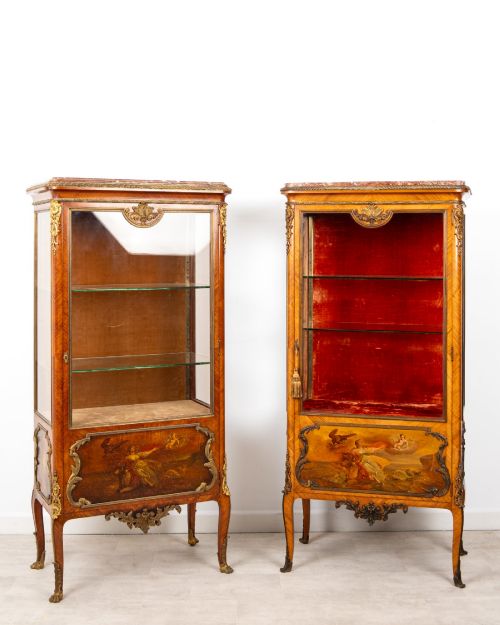
Makers utilised a foundation of dense timbers such as kingwood, walnut, mahogany, and satinwood, frequently enhanced with parquetry and marquetry inlay. Selected panels also feature painted Vernis Martin decoration beneath the glazing.
Gilt bronze and ormolu mounts provide structural accent and ornamental framing around doors and corners. Marble tops frequently cap the upper surface, while fabric or velvet linings furnish the interior display beds.
Gilt Bronze Vitrine Cabinet Retail Price Guide 2026
Typical asking prices for gilt bronze vitrine cabinet among the pieces listed under this phrase on Sellingantiques today, from the lower quarter to the upper quarter. They describe what is for sale here now, not the wider market.
Some miniature vitrines were built small enough to sit on top of a desk, housing only a handful of cherished thimbles.
Distinctions in craftsmanship
Quality reveals itself in the precision of the gilt bronze or ormolu mounts and the crispness of their chased detail. Heavier, deeply worked metal elements distinguish superior workshops from simpler production.
The complexity of the timber carcass, from straightforward veneers to elaborate parquetry and hand-painted Vernis Martin panels, determines the standard of the piece. Integrated marble tops and fitted glass doors with tight joinery separate high-tier examples from standard commercial output.
François Linke·H. J. Hatfield And Sons·Paul Sormani·G. Durand
The Gilt Bronze Vitrine Cabinet Glossary
- Ormolu
- Gilded bronze applied as decorative mounts to furniture. This technique involves amalgamating gold onto a bronze base through heat.
- Vernis Martin
- A decorative lacquer technique simulating Japanese urushi finishes. It appears on painted panels within eighteenth and nineteenth-century French furniture.
- Vitrine
- A glass-sided cabinet designed for displaying porcelain, curiosities, or books. The term derives from the French word for glass.
- Marquetry
- The art of applying pieces of veneer to a structure to form decorative patterns. Craftsmen use various coloured woods to create pictorial designs.
- Bijouterie table
- A shallow display table with a glazed top intended for jewellery and small valuables. These pieces often feature hinged lids lined in velvet.
Gilt Bronze Vitrine Cabinet: Frequently Asked Questions
What is a gilt bronze vitrine cabinet?
A gilt bronze vitrine cabinet is a display case featuring glass panels for viewing collections and metallic bronze ornamentation finished in gold. These pieces protect delicate objects while offering clear sightlines from multiple angles.
Originating largely in nineteenth-century French and English traditions, they combine cabinetmaking with decorative metalwork. The integration of glazed doors and mirrored or fabric-lined interiors maximises light reflection.
How were these cabinets used historically?
These cabinets served in formal reception rooms and drawing rooms to display porcelain, miniatures, and precious curiosities. Wealthy households used them to curate and present valued possessions to visitors.
Table variants, known as bijouterie cases, held smaller items like jewellery and medals beneath glass lids. Upright vitrines accommodated taller porcelain vessels and collection pieces across multiple shelves.
How do I distinguish Louis XV and Louis XVI styles?
Louis XV style pieces, often termed French Rococo, feature asymmetrical curves, serpentine contours, and organic naturalistic motifs. The structural lines are fluid and sweeping rather than strictly geometric.
Louis XVI style furniture moves towards neoclassical symmetry, displaying straight fluted legs, rectangular proportions, and architectural mounts. Straight lines and balanced geometric layouts replace the exuberant curves of the earlier period.
How do I care for a vintage vitrine?
Maintain a stable room temperature away from direct sunlight to protect fragile wood veneers and fabric linings from fading or warping. Dust the gilt bronze mounts gently with a soft dry cloth without using abrasive metal cleaners.
Clean the glass panes using a minimal amount of window cleaner applied to a cloth rather than sprayed directly onto the cabinet. This prevents moisture from seeping into the wooden joints or damaging the internal lining.