

French Full Length Mirror
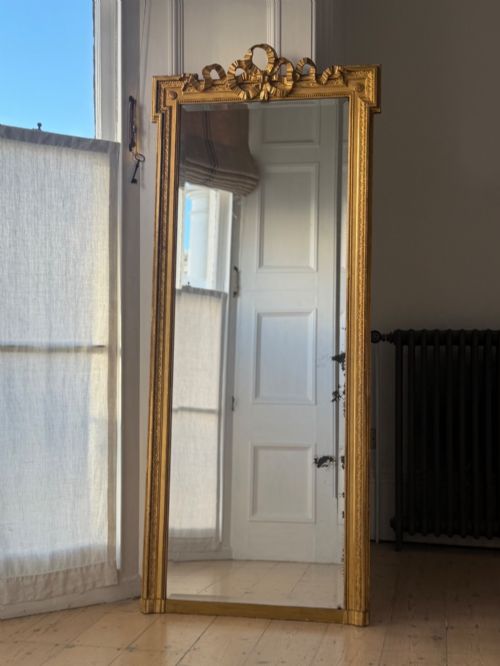
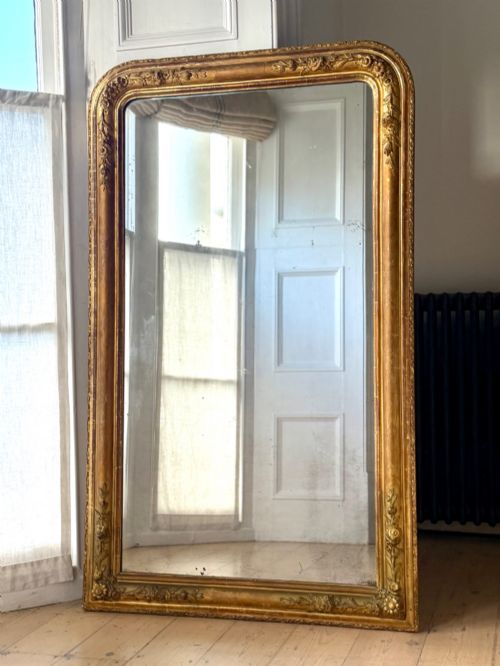
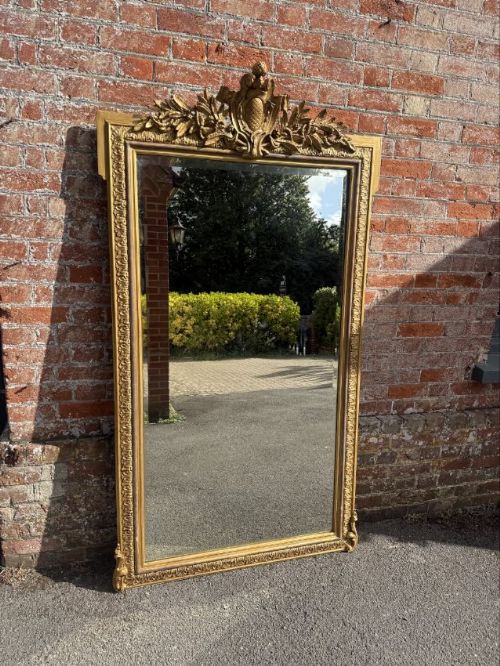
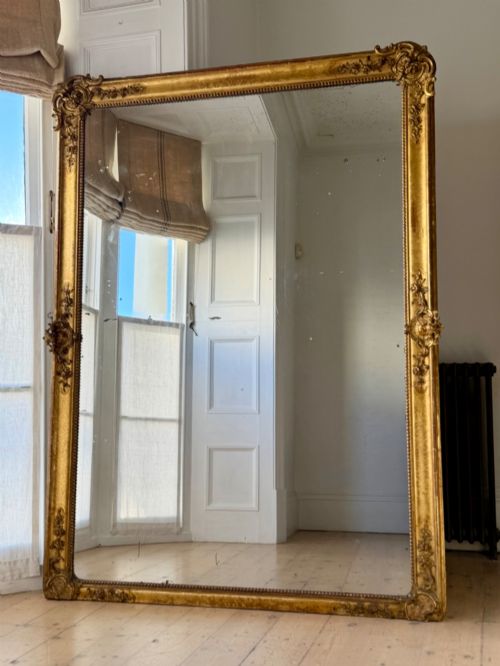
A french full length mirror brings vertical reach and light into a room, spanning periods from the nineteenth century to the early twentieth.
French Full Length Mirror
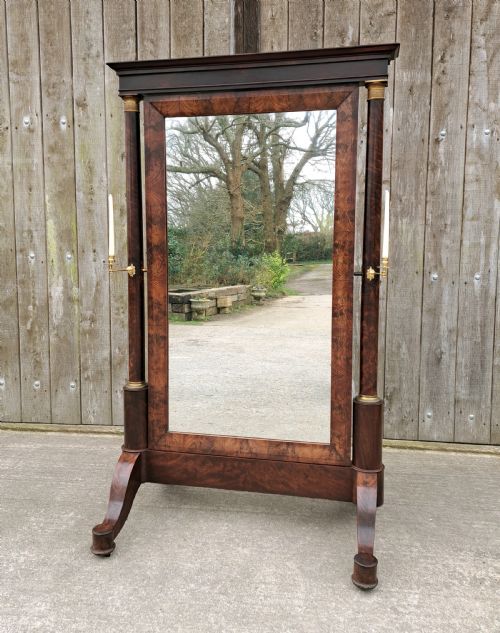
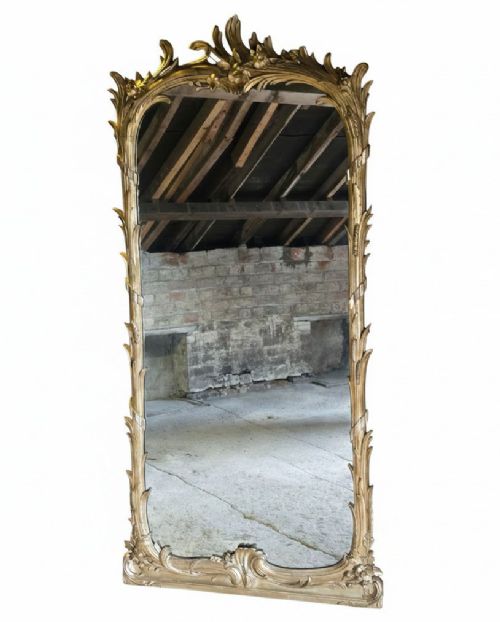
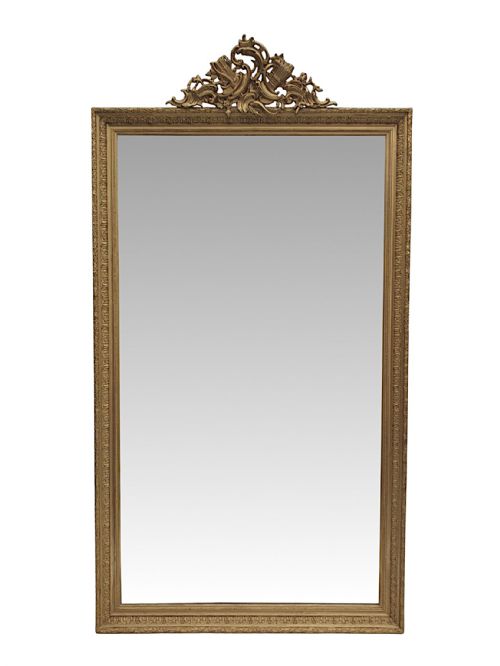
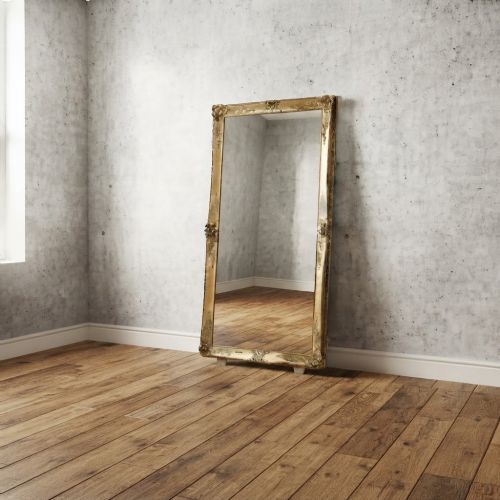
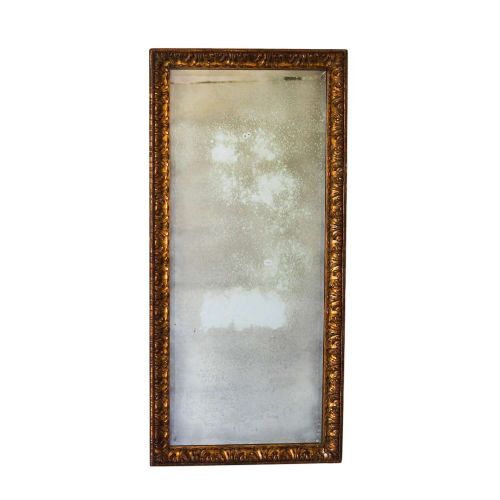
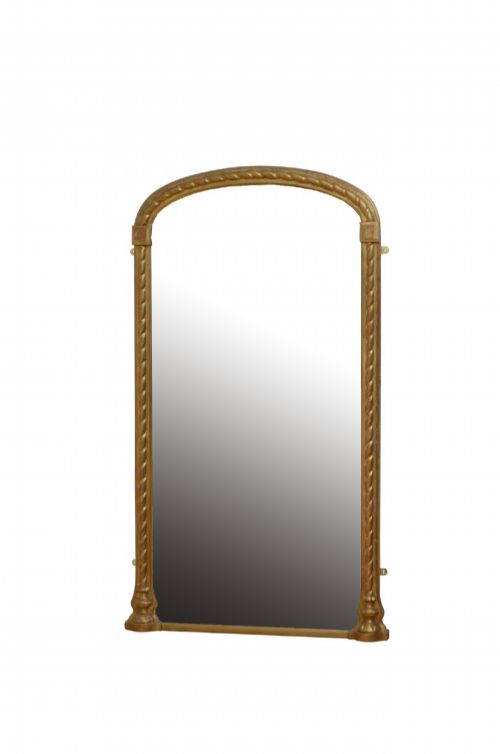
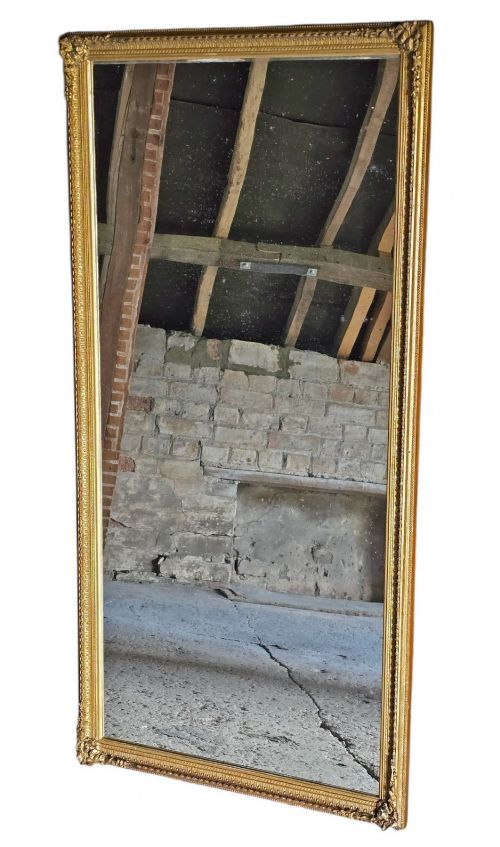
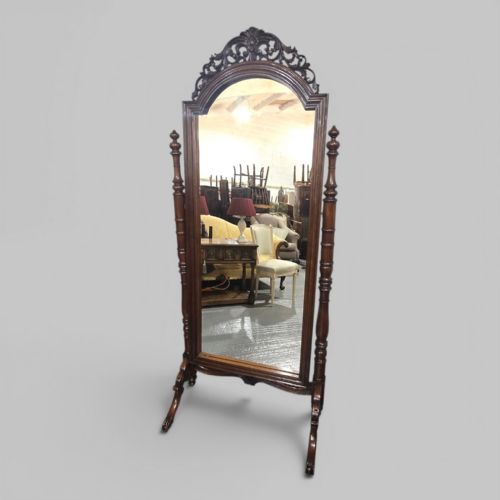
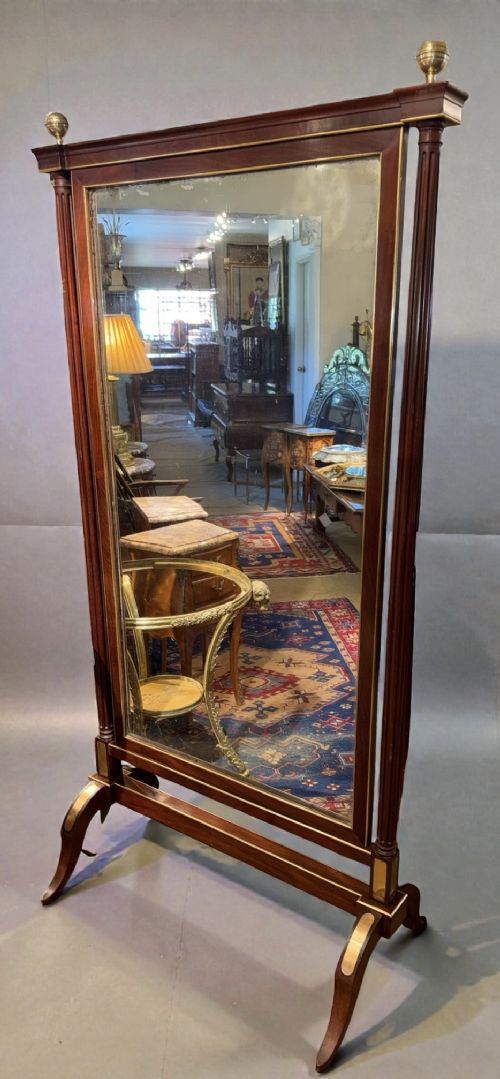
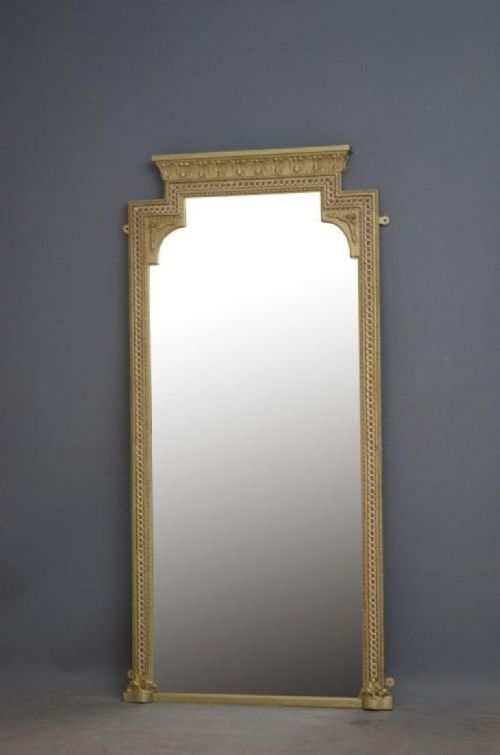
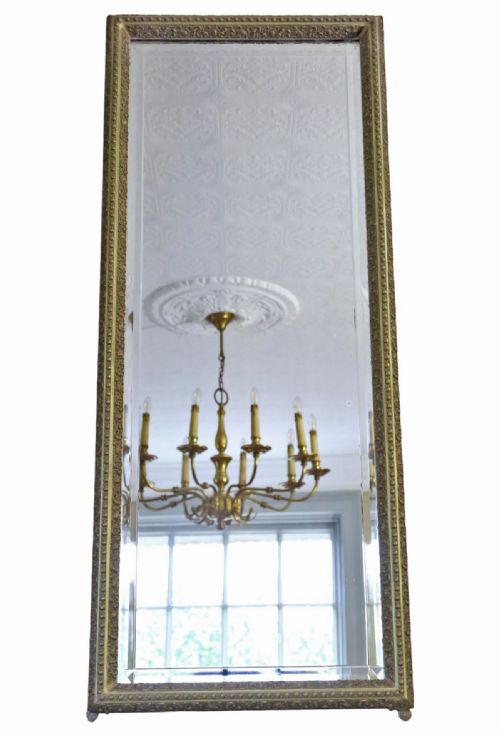
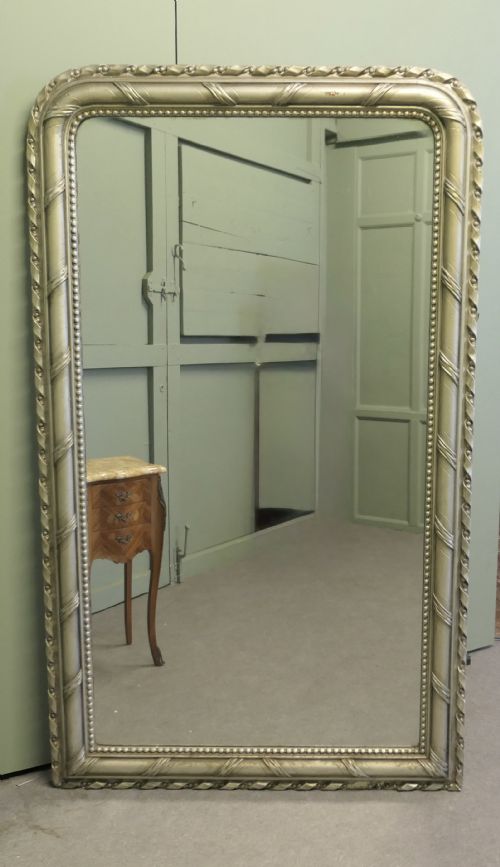
A french full length mirror typically appears as a tall wall-mounted leaner or a freestanding cheval frame designed to reflect the entire figure. The selections here centre on nineteenth-century forms, spanning styles from Napoleon III and Louis Philippe to French Rococo Revival and Empire.
Buyers encounter substantial giltwood frames, arched top designs, and timber structures in mahogany and walnut. These objects function practically for dressing while visually expanding interior spaces through generous proportions.
Originating largely from French workshops and chateaux, these tall glasses serve as dominant architectural elements in domestic interiors. The inventory balances grand floor-standing mirrors with narrower pier and dressing formats.
How they were made
Maker construction relies on carved wood and gesso frames finished with gold or silver leaf, paint, or exposed timber such as flame mahogany. Heavy glass plates, including mercury glass variants, sit securely within these rigid wooden carcasses.
Freestanding cheval iterations incorporate brass hardware and articulated candle holders, joined to pivoting frames that allow angle adjustment. Artisans shaped intricate crests and rope carvings by hand directly into the timber and gesso layers.
French Full Length Mirror Retail Price Guide 2026
Typical asking prices for french full length mirror among the pieces listed under this phrase on Sellingantiques today, from the lower quarter to the upper quarter. They describe what is for sale here now, not the wider market.
Some nineteenth-century mahogany cheval mirrors arrive equipped with brass articulated candle holders for illuminating late-night dressing routines.
What varies in quality
Quality rests in the depth and crispness of the wood carving along the crest and frame margins, alongside the integrity of the original gilding or paint layers. Superior examples display dense, well-balanced proportions and heavy timber construction rather than thin applied composition ornament.
The glass plate itself marks a division, with aged mercury glass or heavy bevelled plates offering greater depth than later replacements. The sophistication of the joining methods at the frame corners indicates the original maker's skill level.
The French Full Length Mirror Glossary
- Cheval mirror
- A freestanding mirror supported on a vertical frame with pivot pins allowing the glass to tilt. This form gained popularity for full-length dressing during the eighteenth and nineteenth centuries.
- Leaner mirror
- A tall wall mirror designed to stand upright against a vertical surface without permanent wall fixings. These pieces rely on their substantial weight and height for stability.
- Giltwood
- Timber carved and coated with a thin layer of gold leaf over a prepared gesso ground. This finish defines many grand nineteenth-century frames.
- Pier mirror
- A tall, narrow mirror specifically proportioned to hang on the wall space between two windows. They often complement console tables positioned directly below.
- Mercury glass
- A double-walled glass blown object containing a silvering mixture inserted through a pontil hole. It yields a distinctive mottled reflection seen on period mirrors.
French Full Length Mirror: Frequently Asked Questions
How do I secure a heavy leaner mirror?
Large frames leaning against a wall require discreet anchoring brackets attached to the wall studs to prevent tipping. This ensures safety while maintaining the intended casual placement.
Professional installation is recommended for very tall pieces to distribute the weight evenly and protect both the floor and the wall base.
What is the difference between a cheval and a leaner mirror?
A cheval mirror stands independently on its own four-legged or trestle frame with pivoting hardware. A leaner mirror relies on direct contact with the wall surface for support.
Cheval versions offer adjustable viewing angles for dressing, whereas leaner formats project a fixed architectural presence into the room.
How do I clean antique mirror glass?
Use a soft, dry microfibre cloth to remove dust from the glass surface and the surrounding frame. Avoid spraying liquids directly onto the mirror, as moisture can seep behind the plate and damage the silvering.
If cleaning fluid is necessary, apply a small amount to the cloth rather than the glass to protect fragile edges and old backing materials.
Where should I place a full-length mirror?
Position the frame opposite or adjacent to a light source to maximise natural illumination and create an illusion of depth. Hallways, bedrooms, and living rooms benefit most from the vertical lines.
Ensure adequate floor space is available in front of the glass to allow a full view of your reflection from a distance.