



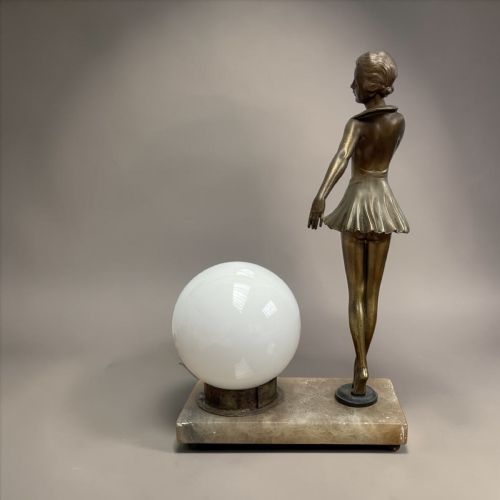
French Bronze Sculpture Figure
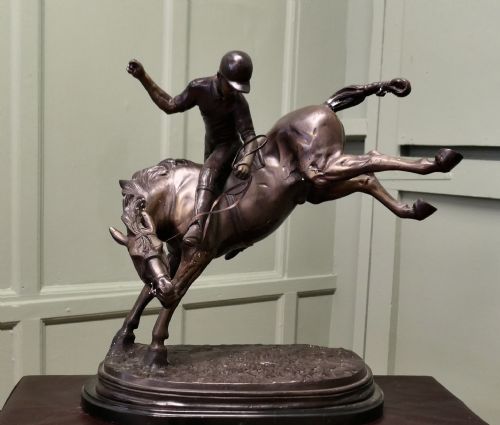
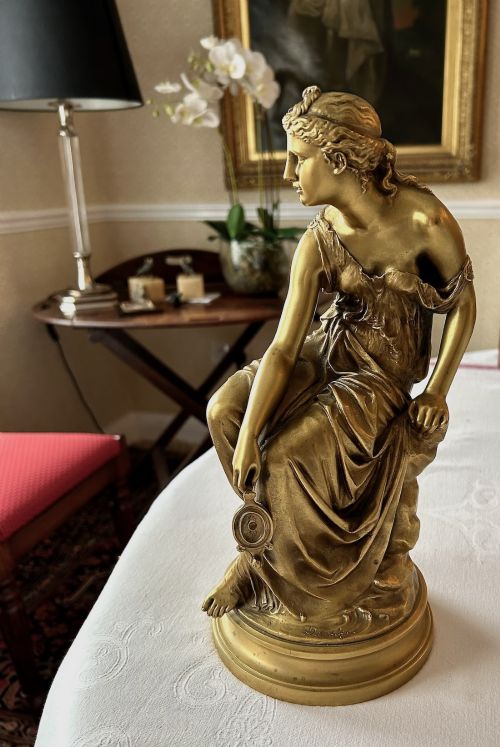
When you search for french bronze sculpture figure, you encounter cast metal works spanning classical deities, allegorical maidens, and dynamic animals.
French Bronze Sculpture Figure
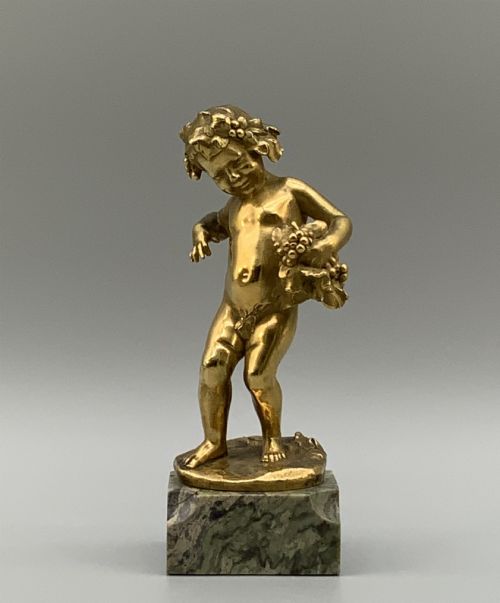
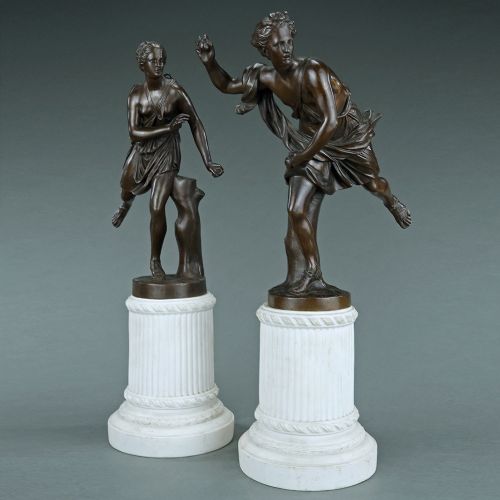
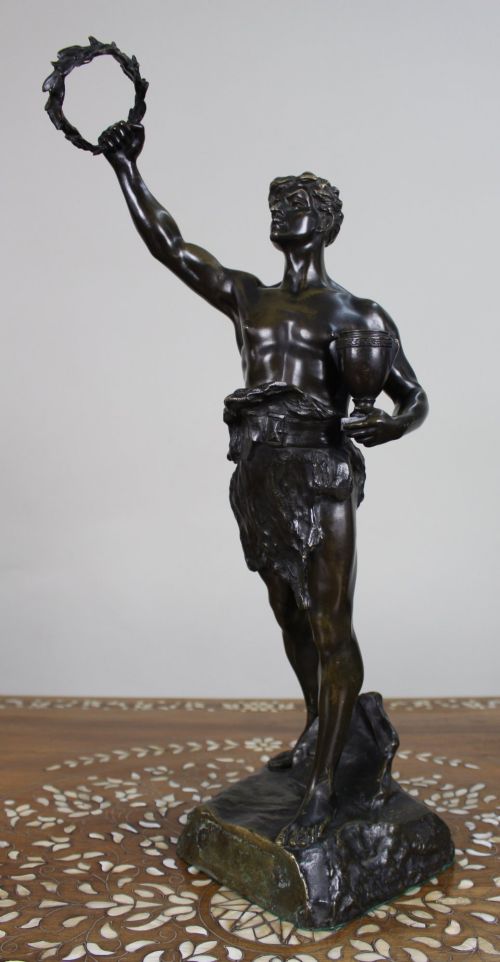
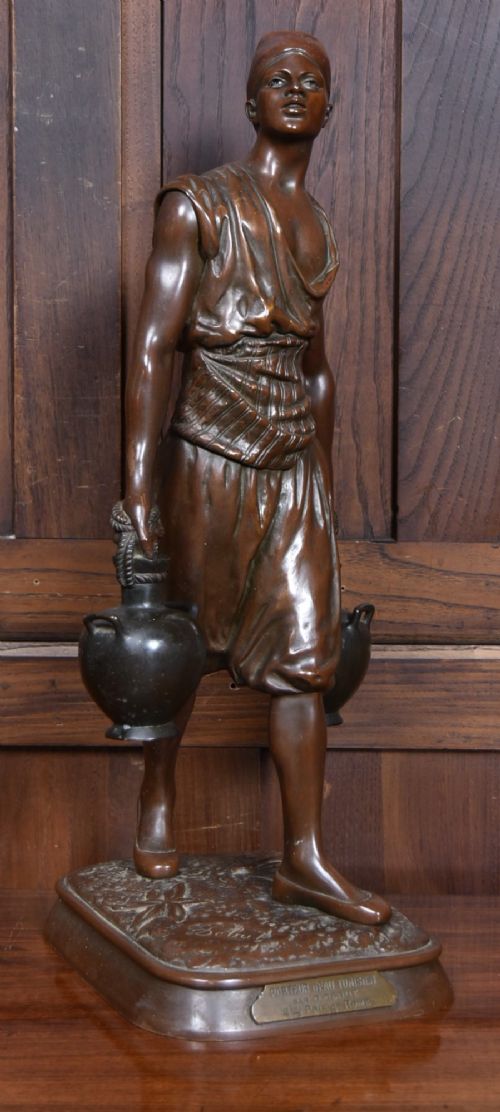
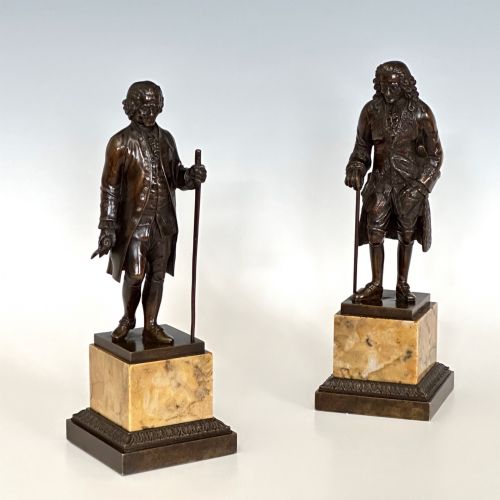
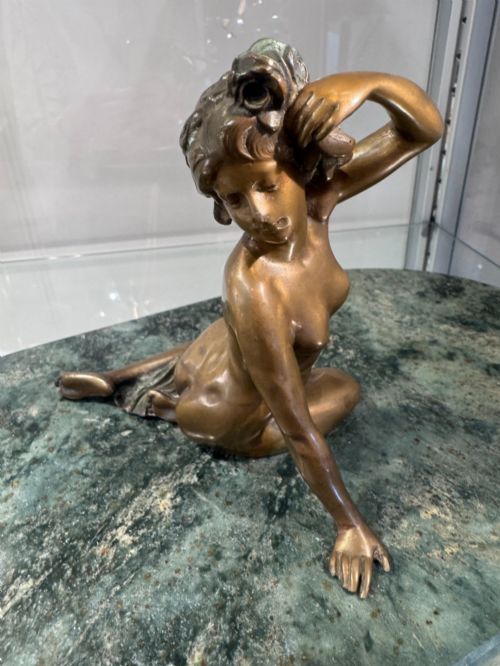
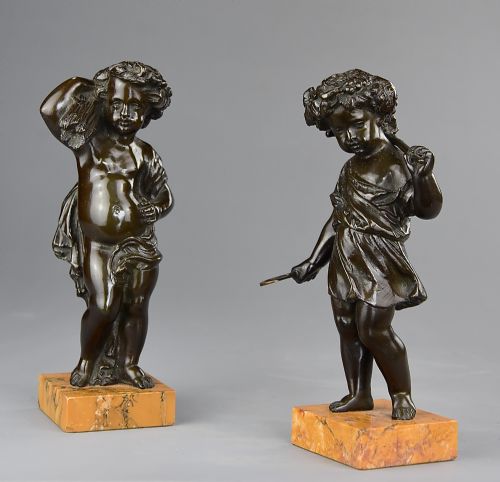
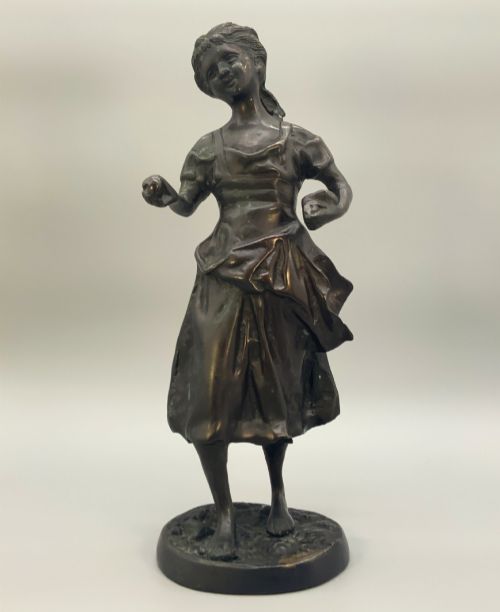
A french bronze sculpture figure represents a diverse tradition of metal casting originating from nineteenth and early twentieth-century European foundries. These works take the form of freestanding human figures, mythological deities, putti, and animal studies, frequently mounted upon heavy stone bases.
The versions most commonly met on this page date from the nineteenth century through the Art Deco period of the 1930s. They range from small tabletop statuettes to large-scale gallery pieces produced by established Parisian founders and independent artists.
Materials and techniques
Foundries utilised the lost-wax casting method or sand casting to achieve intricate detail in molten metal. Artisans applied patinated finishes or gilt layers to the bronze surface to alter colour and texture.
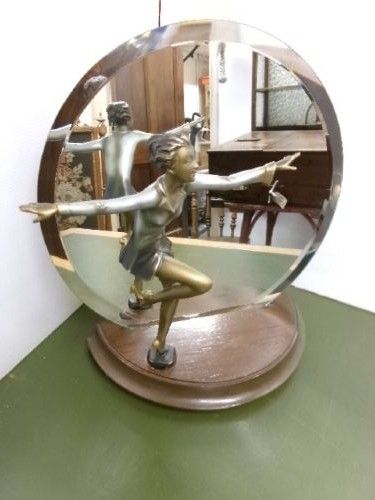
Alternative compositions such as bronzed spelter appear alongside genuine bronze, often paired with carved marble plinths, wooden mounts, or glass elements to support the overall structure.
Listings feature works spanning the nineteenth century through the Art Deco period of the 1930s.
Variations in quality
The depth and consistency of the patination or cold-painted pigments indicate the skill applied to the surface. Higher-grade pieces maintain integrated mounts and stable stone bases that complement the proportions of the metalwork.
Etienne-Henri Dumaige·Susse Frères·Ferdinand Barbedienne·P J Mêne·Pierre le Faguays·Claude Michel Clodion·Moreau Family·Coustou·Giambologna·Louis Emile Cana·F.Milliot·Pierre-Augustin Caron de Beaumarchais·August Moreau·E Villanis·Affortunato Gory·Émile Louis Picault·Christophe Fratin·Emile Carlier·Jules Bonheur·Mathurin Moreau·P Granet·Vauthier Thiebu
The French Bronze Sculpture Figure Glossary
- Patina
- The surface coloration and chemical sheen developed naturally over time or applied intentionally through chemical treatments. This layer protects the metal and defines the visual tone.
- Spelter
- A zinc-based alloy commonly used as an economical alternative to bronze during the nineteenth and twentieth centuries. It is frequently finished with a metallic bronze coating.
- Lost-wax casting
- A historic manufacturing technique where a wax model is melted out of a mould and replaced with molten metal. This method allows for exceptional intricacy and undercut details.
- Animalier
- A genre dedicated to the realistic portrayal of animals, particularly horses, birds, and predators. Practitioners captured these subjects in motion or during natural behaviour.
- Cold-painted bronze
- A decorative technique where polychrome paint is applied to cold metal rather than fired in a kiln. This finish requires careful preservation to prevent flaking.
French Bronze Sculpture Figure: Frequently Asked Questions
How can I tell genuine bronze from spelter?
Genuine bronze feels noticeably heavier and colder to the touch than spelter. Spelter is a softer zinc alloy that may show a silvery grey metal underneath chips in the surface coating.
Bronze also develops a stable copper-carbonate patina over decades, whereas spelter is prone to micro-cracking and brittle fractures under stress.
What is an Animalier sculpture?
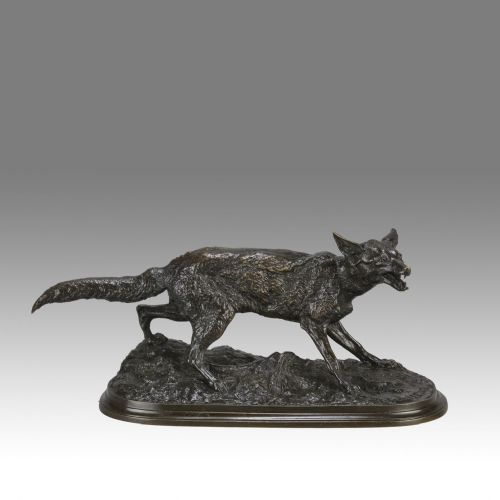
Animalier sculpture refers to nineteenth-century works focused entirely on animal subjects in naturalistic poses. Artists studied anatomy closely to capture wild beasts and domestic animals with anatomical accuracy.
These pieces range from resting staghounds to dynamic predatory scenes set upon naturalistic terrain bases.
How do I clean a bronze figure?
Bronze figures require minimal intervention to preserve their historic patination. Dust the surface gently with a soft, dry brush and avoid chemical polishes that strip the outer layer.
Applying microcrystalline wax periodically helps protect the metal from atmospheric moisture and handling oils.
Why are some figures mounted on marble?
Marble bases provide structural stability for heavy metal sculptures and elevate the visual presentation. The dense stone anchors slender figures such as dancers or classical maidens.
During the Art Deco period, contrasting marbles were selected specifically to complement the patination of the bronze or spelter above.