


French Figurative Bronze Art
French figurative bronze art captures the grace of human form through enduring cast metal.
French Figurative Bronze Art
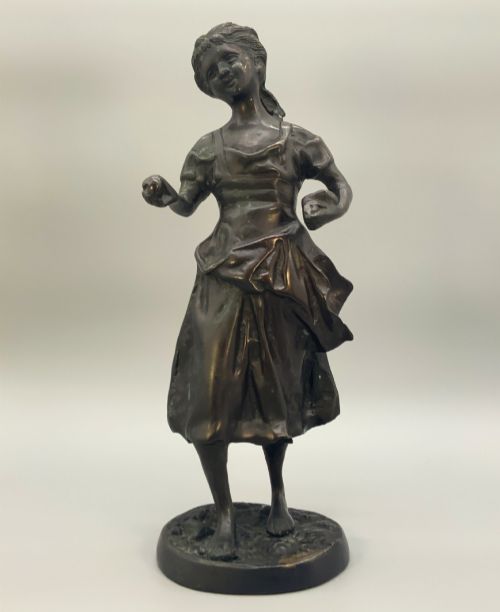
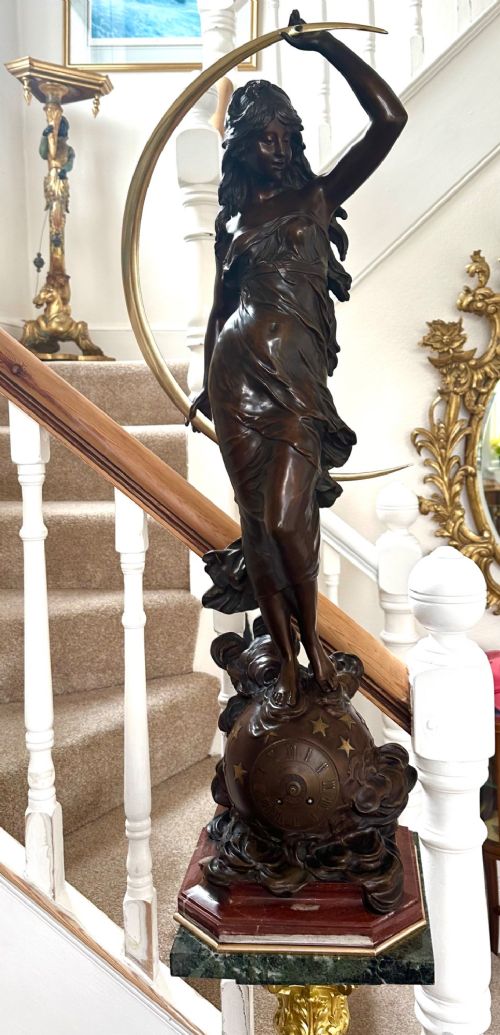
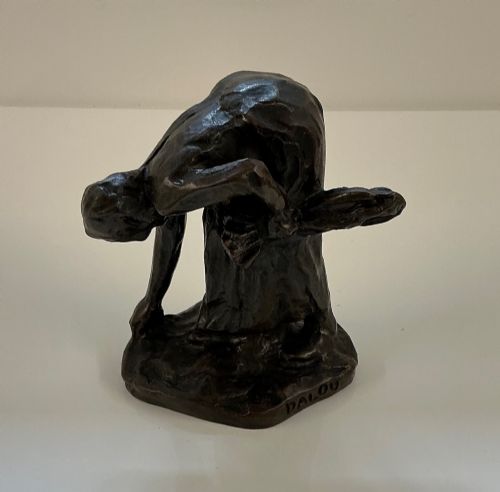
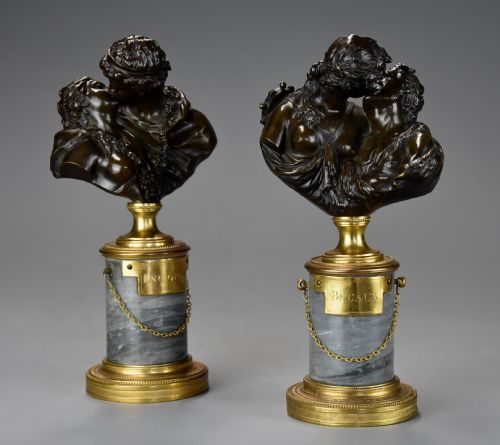
French figurative bronze art encompasses sculptures, busts, table lamps, and wall pieces that depict human subjects created across the nineteenth and twentieth centuries. These works range from mythological figures and historical studies to graceful maidens and daily labourers.
The pieces you meet most often on this page emerge from distinct periods including the nineteenth century, the Victorian era, Art Nouveau, and Art Deco. Creators shaped these works into standing nudes, youthful maidens, and expressive busts.
Originating predominantly from French studios and foundries, these sculptures span romantic realism, neoclassical influences, and modernist tendencies. They reflect the evolving aesthetic priorities of French makers over successive decades.
What varies in quality
The precision of the cast and the nuance of the chasing separate standard works from superior pieces. Skilled hands refined the raw metal after casting to preserve subtle facial expressions and fabric folds.
The depth and richness of the patina influence the visual impact of the sculpture. Master founders achieved complex tonal variations that enhance the three-dimensional form.
Current listings feature works created in bronze, spelter, marble, and alabaster across the nineteenth and twentieth centuries.
Moreau Family·Jules Dalou·Jean Antoine Houdon·Julien Lorieux·Zoldan Kovats·Sylvain Kinsburger·George Van Der Straeten·Emmanuel Villanis·Maurice Bouval·Charles Anfrie·Lavergne·Henri Plé·Antoine Bofill
The French Figurative Bronze Art Glossary
- Patinated bronze
- Bronze that has been chemically treated to produce a specific surface colour or tone. This finish protects the metal and accentuates sculptural details.
- Spelter
- A zinc alloy frequently used as a cost-effective alternative to bronze. It often receives a bronze-like finish to mimic genuine metal casting.
- Ormolu
- Gilded bronze produced by applying finely ground gold mercury amalgam to metal. This technique imparts a brilliant golden lustre to decorative fixtures.
- Art Nouveau
- A decorative style characterised by fluid, organic lines and floral motifs. It flourished around the turn of the twentieth century in French sculpture and design.
French Figurative Bronze Art: Frequently Asked Questions
What is French figurative bronze art?
These works are cast metal sculptures and objects depicting human subjects, produced by French artists and foundries across the nineteenth and twentieth centuries.
They capture specific stylistic movements ranging from nineteenth-century realism to Art Deco and Art Nouveau.
How do I distinguish bronze from spelter?
Bronze is heavier, denser, and generally cooler to the touch than spelter. Spelter is a softer zinc alloy that often shows lighter weight and different fracture characteristics.
Examining the underside or patinated surface helps reveal the underlying metal composition.
Where should I place these sculptures?
Bronze figures and busts suit stable surfaces such as sideboards, mantelpieces, and dedicated display pedestals. Adequate lighting helps reveal the subtleties of the patina and cast detail.
Positioning them away from direct moisture preserves the integrity of both the metal and any accompanying marble bases.
What periods are represented?
The pieces span the nineteenth century, Victorian period, Edwardian era, and early twentieth-century movements like Art Nouveau and Art Deco. Each period brings distinct clothing, posture, and stylistic conventions.
Signatures, foundry marks, and material choices often assist in determining the era of creation.