
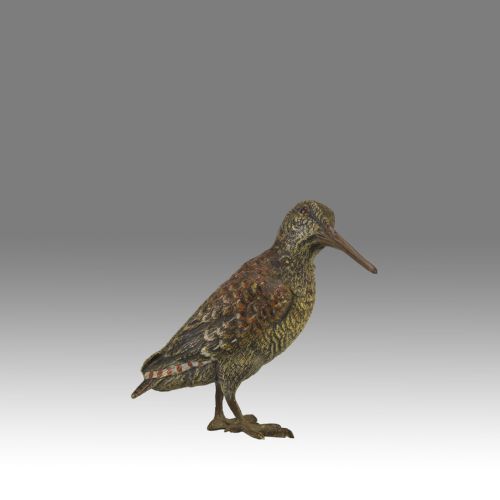
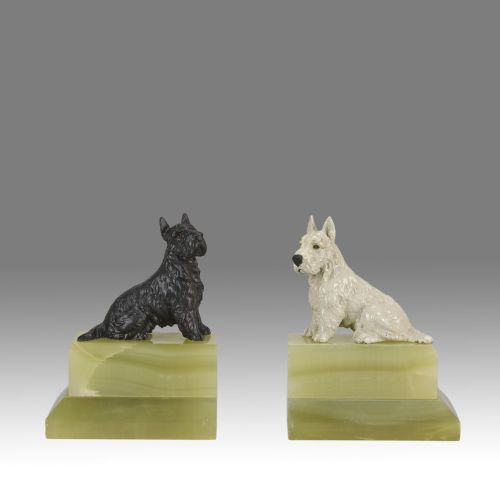
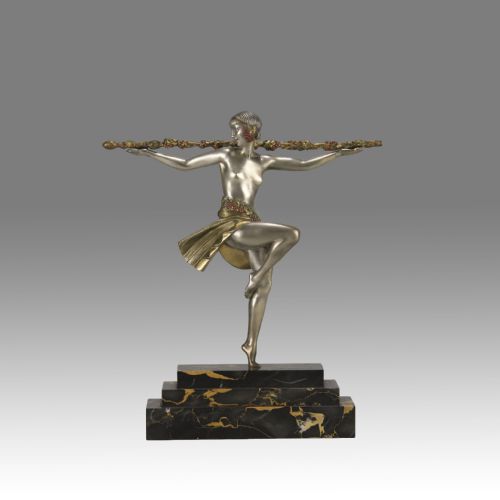
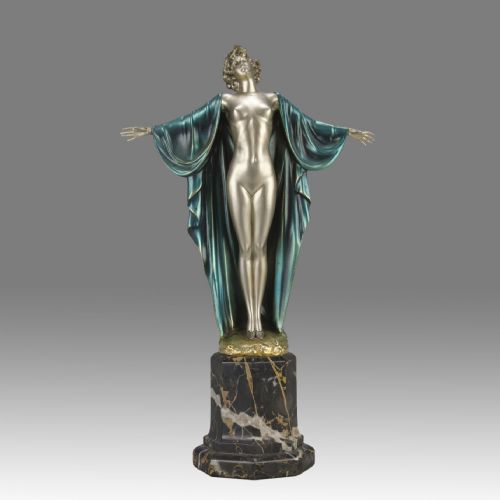
Vintage Bronze Sculpture Figure
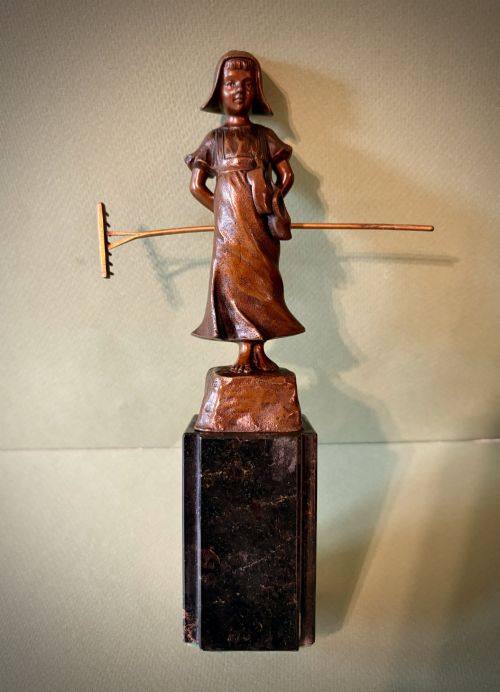
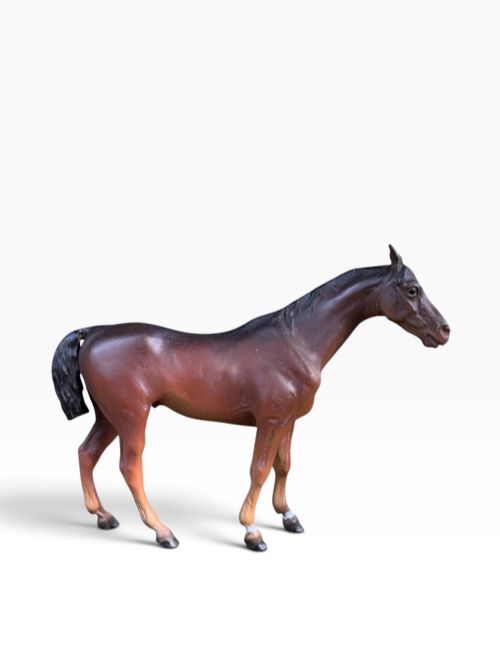
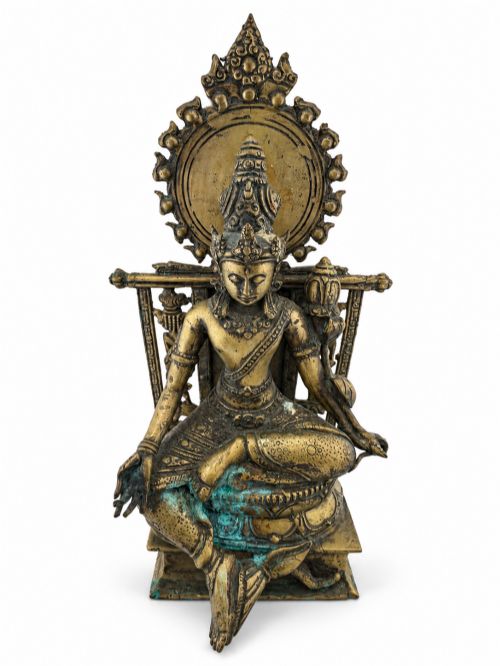
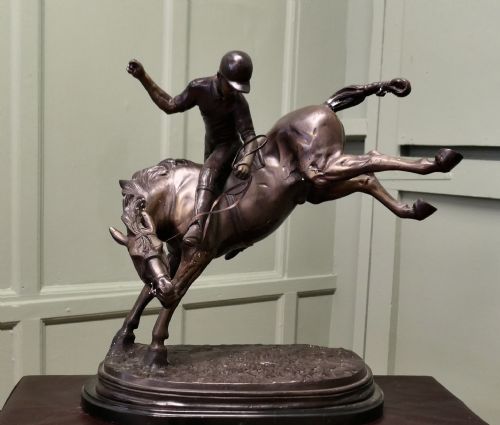
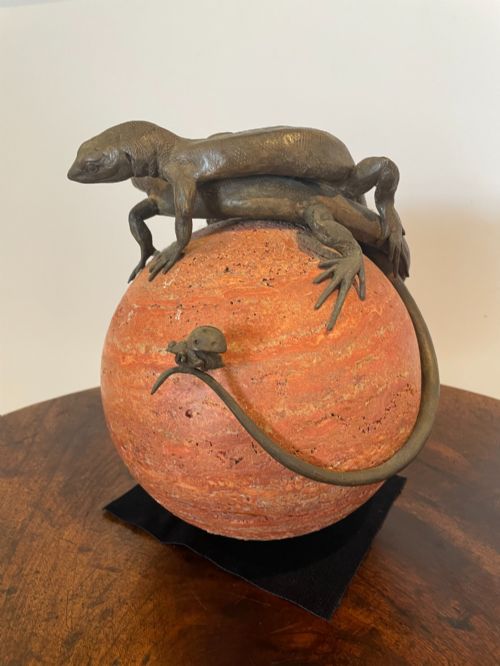
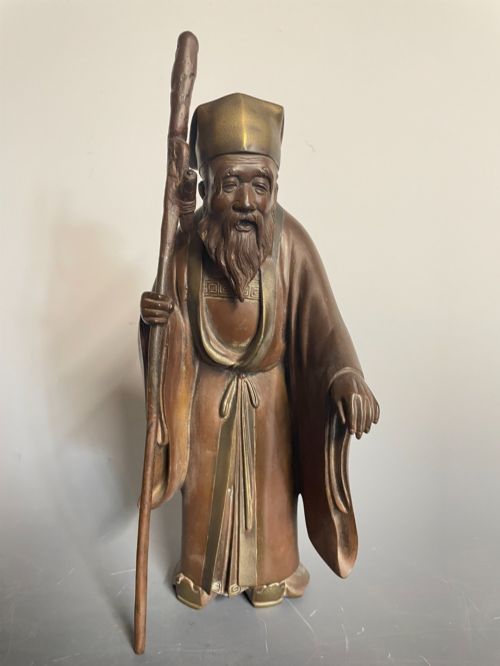
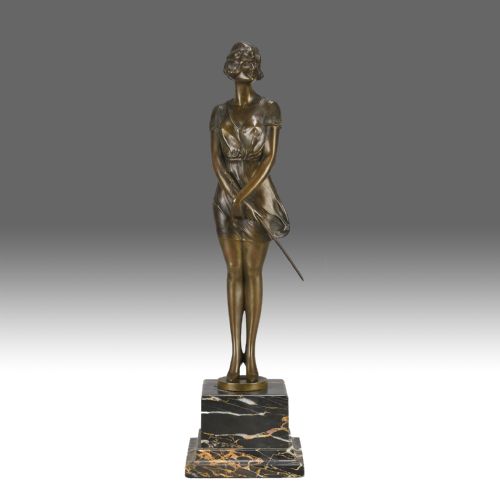
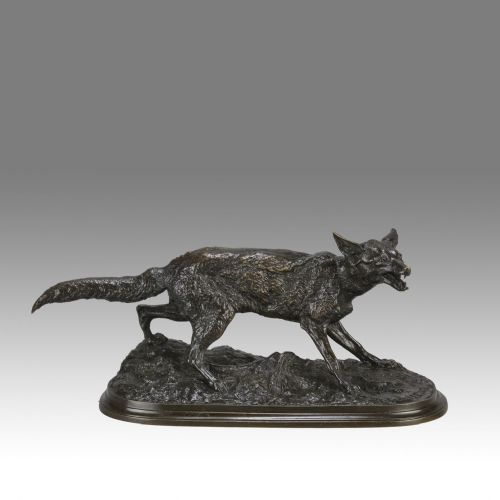
These vintage bronze sculpture figures bring tactile weight, animal studies, and human forms from the nineteenth and early twentieth centuries into a room.
Vintage Bronze Sculpture Figure
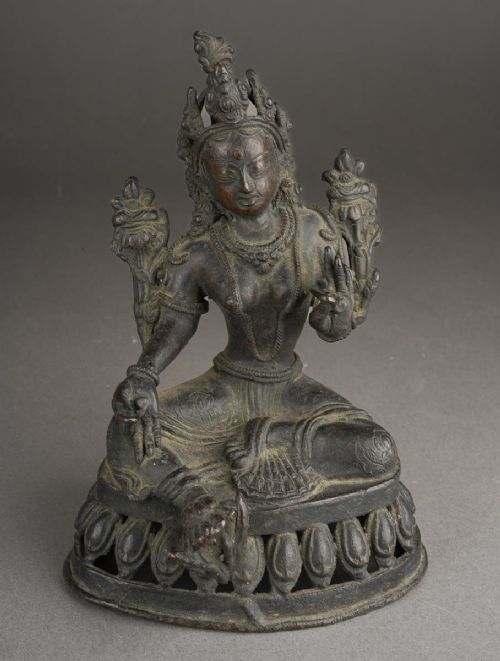
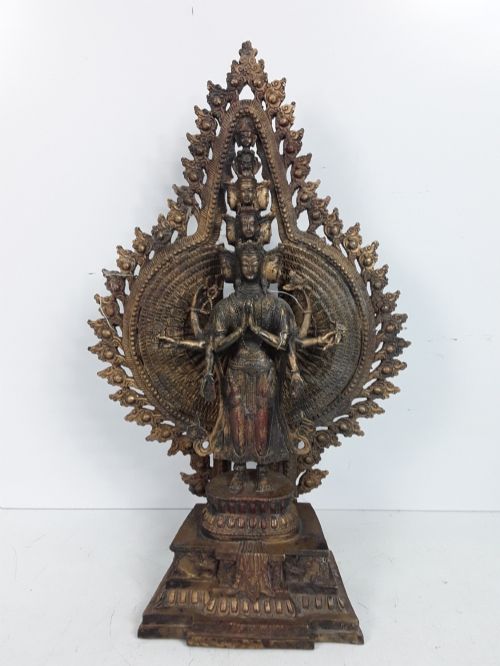
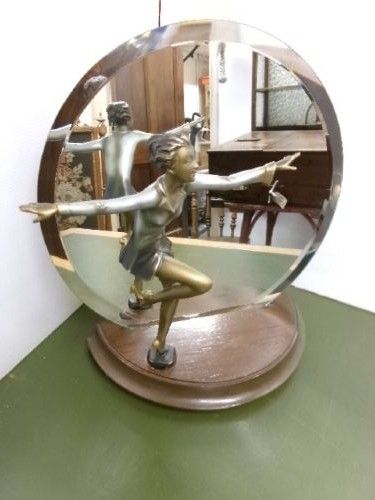
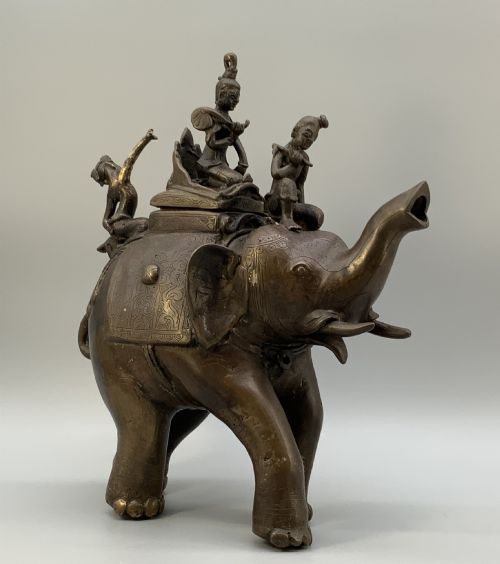
A vintage bronze sculpture figure encompasses a broad array of decorative objects, from animalier studies and human dancers to mythological busts and practical bookends. Pieces range from nineteenth-century grand tour souvenirs and Japanese Meiji works to twentieth-century Art Deco creations and Austrian cold-painted novelties.
Buyers frequently encounter human figures in dynamic poses alongside animal subjects like dogs, horses, birds, and elephants. These sculptures appear mounted on marble or onyx plinths, or standing independently as desktop studies and cabinet bronzes.
Materials and casting methods
Foundry work relies heavily on cast bronze, often enhanced through patination to achieve deep brown or dark green tones. Artisans also utilise cold-painting techniques to apply vibrant polychrome finishes directly onto metal surfaces, particularly in Vienna animal bronzes.
Bases incorporate contrasting materials such as fossil marble, onyx, wood, and glass to support the weight of the metal. Spelter frequently appears as an accessible alternative metal alloy in figures from the Art Deco period.
Listings feature works spanning the mid-nineteenth century through the Art Deco era, incorporating marble, onyx, and cold-painted bronze.
Evaluating craftsmanship and detail
The integration of the figure with its base and the application of patination or cold-paint determine overall visual success. Original painted surfaces that remain intact without extensive touch-ups hold greater appeal for collectors of small cabinet bronzes.
Bruno Zach·P J Mêne·Franz Bergman·Pierre le Faguays·Ferdinand Preiss·Josef Lorenzl·Christophe Fratin·Antoine Louis Barye
The Vintage Bronze Sculpture Figure Glossary
- Animalier
- A nineteenth-century artistic movement focused on the realistic depiction of animals, particularly predators, horses, and livestock. Sculptors in this tradition studied anatomy extensively through live observation.
- Cold-painted bronze
- A manufacturing method where paint is applied to a cold bronze casting rather than fired in a kiln. This technique achieved detailed polychrome decoration on small Austrian figures and novelties.
- Grand tour
- A cultural journey undertaken by nineteenth-century Europeans visiting classical antiquities in Italy. Souvenirs from these trips included reduced-scale bronze reproductions of famous statues and mythological figures.
- Spelter
- A zinc-based alloy commonly utilised as a substitute for bronze. It frequently receives a bronze-coloured coating and appears in decorative Art Deco figures and lamps.
- Patination
- The chemical treatment applied to the surface of bronze to alter its colour and create protective layers. Tones range from polished golden hues to deep chocolate browns and verdigris greens.
Vintage Bronze Sculpture Figure: Frequently Asked Questions
How do I clean vintage bronze?
Dust bronze sculptures gently with a soft, dry brush to prevent the accumulation of dirt within intricate crevices. Avoid harsh chemical cleaners or abrasive cloths that might strip away the original patina.
Apply a very thin coat of microcrystalline wax if the metal requires protection against atmospheric moisture. Buff the surface lightly with a clean cloth after waxing to maintain a soft sheen.
What is cold-painted bronze?
Cold-painted bronze refers to metal sculptures decorated with paint applied after the casting process without subsequent kiln firing. This technique allowed makers to achieve colourful bird, animal, and human studies.
Because the paint sits on the unheated metal surface, these pieces require careful handling to prevent chipping. Collectors look for examples where the original polychrome finish remains largely undisturbed.
How can I tell bronze from spelter?
Bronze possesses a heavy, dense weight and a resonant sound when lightly tapped, whereas spelter feels lighter and softer. Spelter is a zinc alloy that often shows a greyish metal underneath worn spots on the surface.
Art Deco figures utilising spelter frequently exhibit fatigue cracking or brittleness in slender limbs. Genuine bronze maintains structural integrity and accepts detailed chasing far better than the softer alloy.
Where should I display these figures?
Place bronze sculptures on stable surfaces such as sideboards, desks, or mantelpieces where their weight is fully supported. Ensure marble and onyx bases sit level to prevent rocking or stress on the stone.
Keep pieces away from direct sources of heat or prolonged strong sunlight to protect patinated surfaces and painted details. Desk items like bookends and small animal figures function well in functional living spaces.