
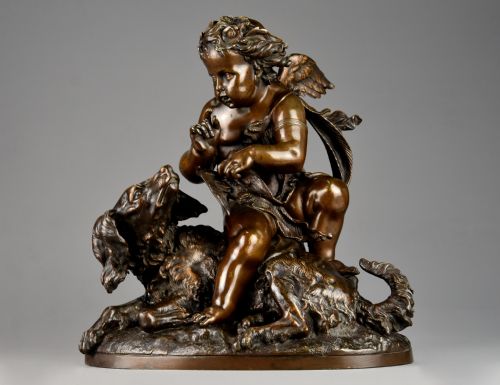
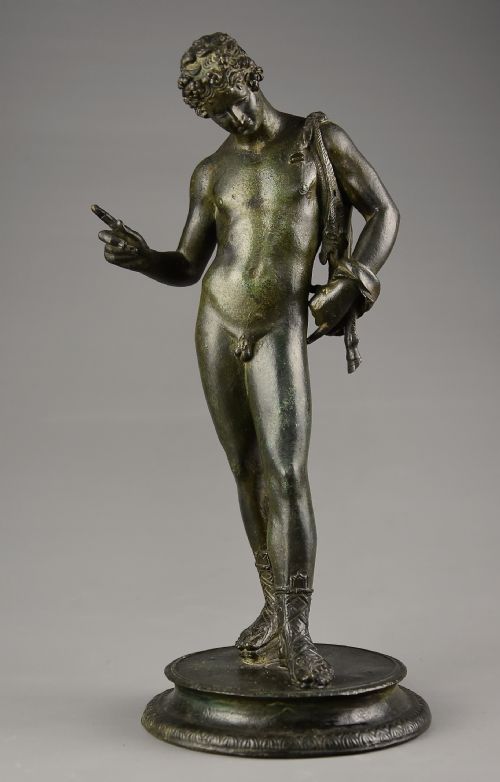


Late Victorian Bronze Figure
A late victorian bronze figure brings nineteenth-century foundry skill and classical design directly into a room, offering enduring metalwork for collectors.
Late Victorian Bronze Figure
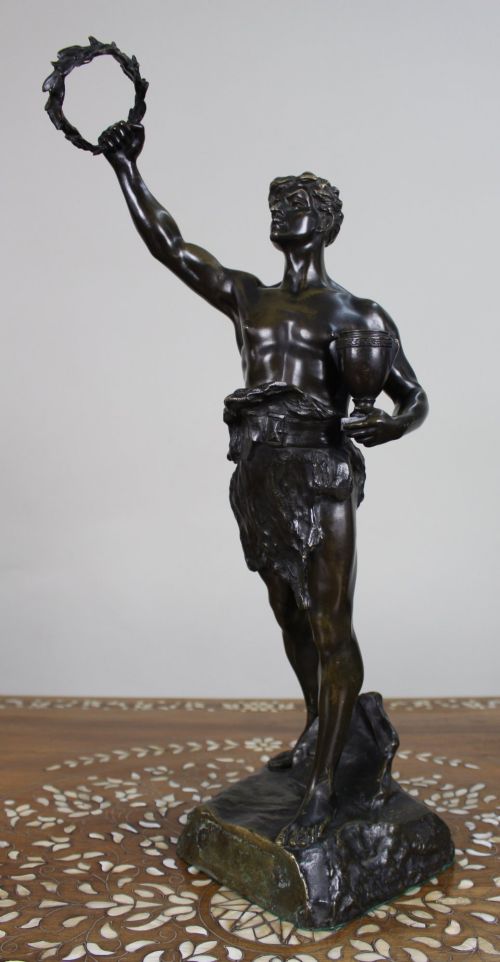
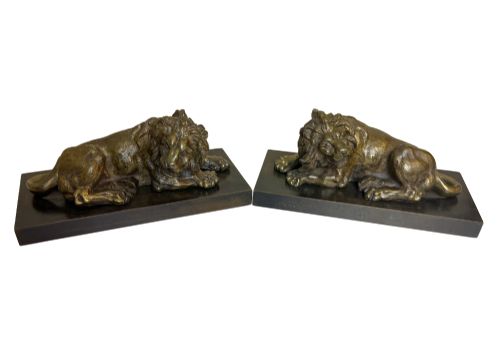
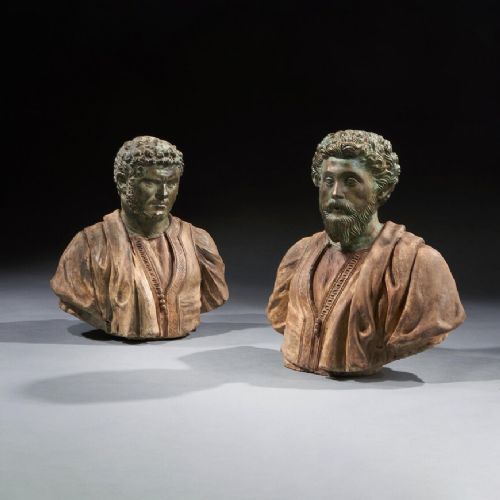
A late victorian bronze figure encompasses cast metal sculptures, animalier studies, and portrait busts produced during the later decades of the nineteenth century. These works frequently draw on classical mythology, Grand Tour souvenirs, and contemporary realist subjects.
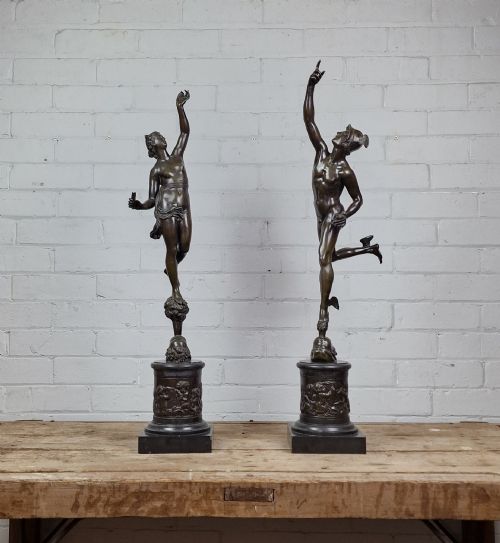
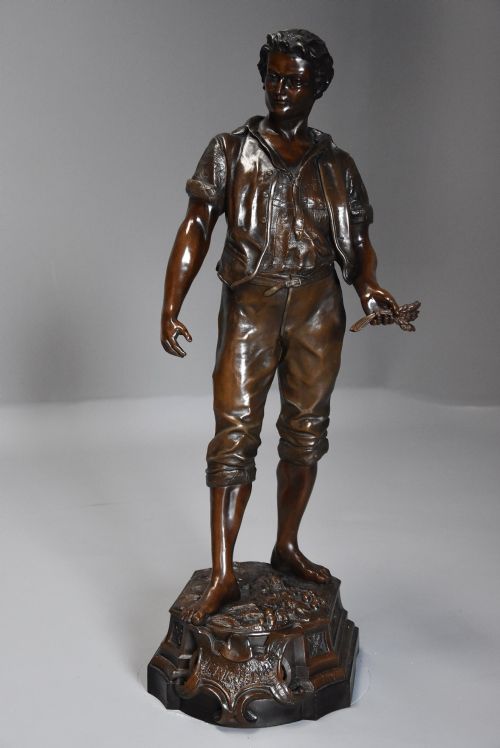
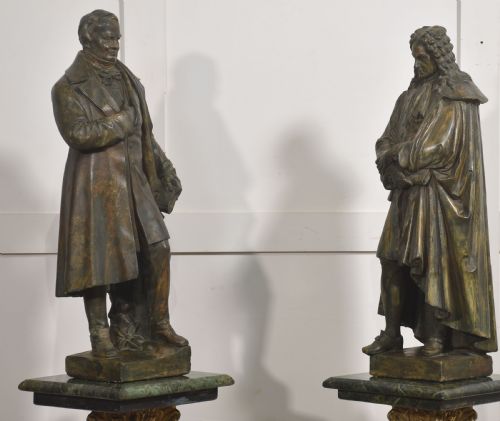
The selection here ranges from French foundry productions and Italian reductions of antique statues to depictions of animals, labourers, and historical figures. Buyers encounter single decorative pieces alongside matched pairs intended for mantelpieces or side tables.
Materials and casting methods
Foundries utilised traditional lost-wax or sand-casting techniques to shape molten metal into complex sculptural forms, often finishing the surface with dark, green, or gilt patination. Many domestic examples employ spelter or cast metal as an accessible alternative to solid bronze.
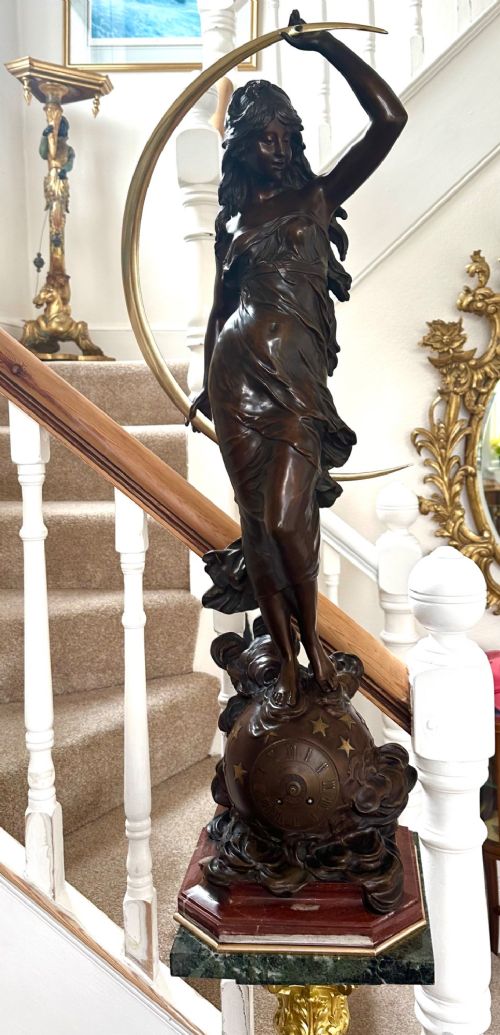
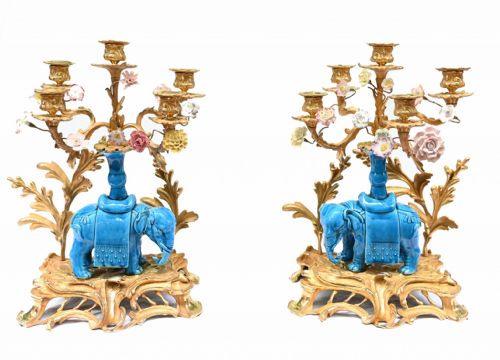
Makers frequently mounted completed figures onto marble or slate bases to add stability and visual weight, occasionally incorporating terracotta, chalk, or porcelain elements within the broader group of sculptural works.
A cast metal bear statue weighs a solid five and a half kilos, ensuring it stays firmly put wherever it stands.
Distinctions in craftsmanship
The depth and subtlety of the applied patina or polychrome finish heavily influence the visual success of a piece, distinguishing workshop output designed for the mass market from signed works by recognised sculptors.
Lemoyne·Giambologna·F.Milliot·August Moreau·Dopmeier·Alfred Grevin·Arthur Waagen·Lemerle Charpentier·Carl Kauba·Pierre Jules·Frederic Goldscheider·Ernest Rancoulet
The Late Victorian Bronze Figure Glossary
- Patina
- The surface coloration and chemical film developed naturally with age or applied intentionally by the foundry to enhance bronze details. It ranges from deep chocolate brown to rich verdigris green.
- Grand Tour
- A nineteenth-century tradition where travellers collected miniature bronze reductions of classical antiquities in Italy as cultural souvenirs. These souvenir sculptures replicate famous museum statues.
- Animalier
- A nineteenth-century artistic movement focused on realistic depictions of animals, particularly lions, bears, dogs, and horses. Sculptors captured subjects in dynamic motion or repose.
- Spelter
- An alloy of zinc and lead or tin used as a cheaper substitute for bronze in nineteenth-century decorative figures. It is softer than bronze and frequently bears a sprayed or painted bronze-like finish.
- Garniture
- A set of matching decorative objects, typically a clock flanked by matching candelabras or vases designed for a mantelpiece. These matched sets coordinate in material and style.
Late Victorian Bronze Figure: Frequently Asked Questions
How do I clean a bronze figure?
Dust the surface gently with a soft, dry brush to remove settled particles without disturbing the protective skin of the metal. Avoid using chemical polishes, water, or abrasive cloths that can strip away the historical patina.
Apply a very thin layer of microcrystalline wax if the metal requires protection against humidity. Buff the surface lightly afterwards with a clean flannel cloth to maintain a stable, matte finish.
Are these pieces solid bronze or plated?
Most sculptures listed are cast from solid bronze or durable metal alloys such as spelter. Foundries poured molten metal into moulds, producing substantial items that required hand-chasing and surface finishing.
Some decorative items feature gilt finishes or patination applied over the base metal rather than solid precious metal throughout. Examining the underside or base often reveals the underlying composition of the material.
What is the difference between bronze and spelter?
Bronze is a robust copper alloy containing tin, offering high tensile strength, crisp casting detail, and longevity. Spelter is a softer, zinc-based alloy that feels lighter and was used to produce more affordable decorative figures.
Spelter figures often show signs of wear or paint flaking where the bronze-coloured coating has rubbed away from the grey metal underneath. Magnification can help distinguish the dense grain of bronze from the softer texture of zinc.
Where were these figures displayed originally?
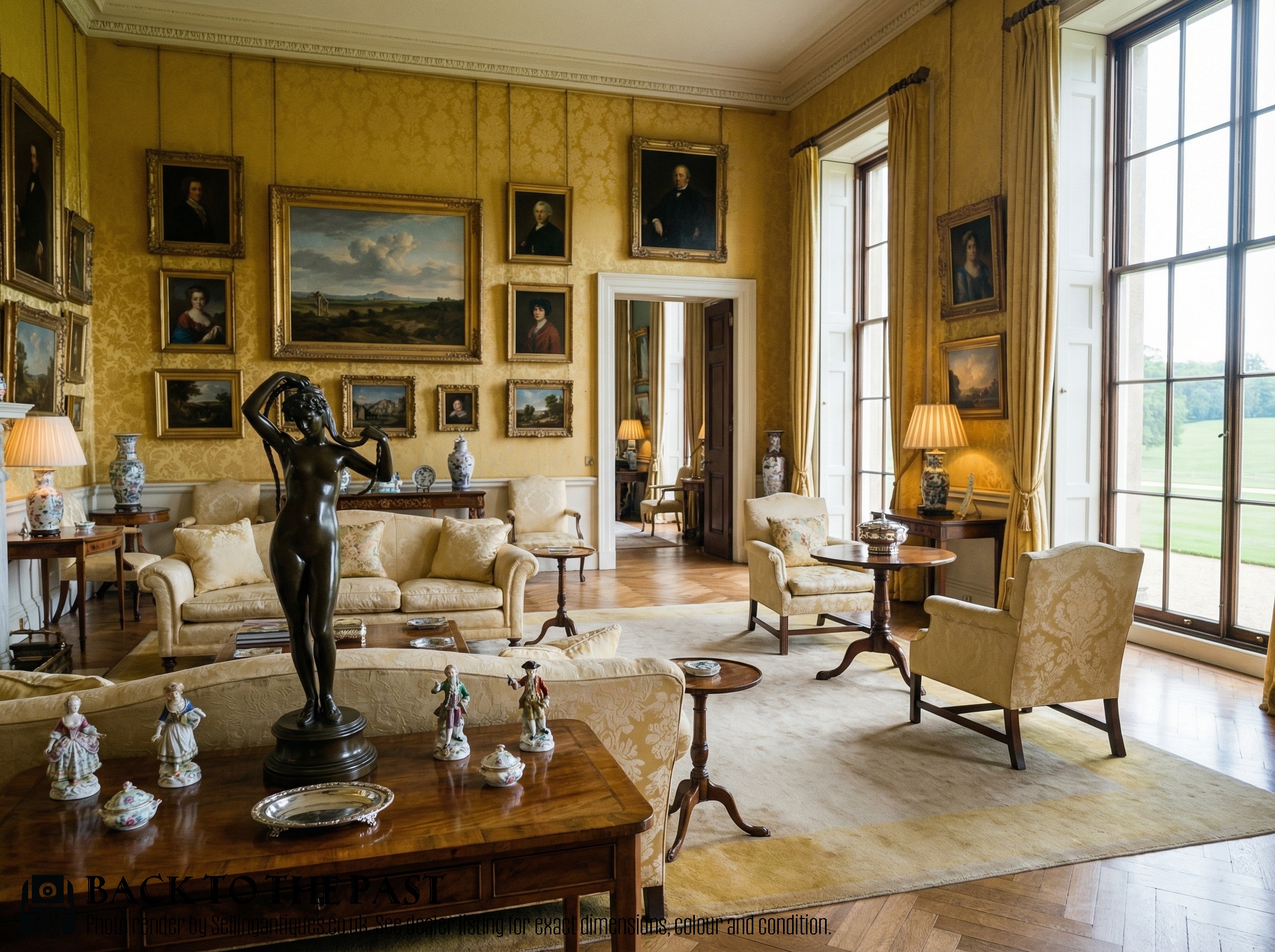
Nineteenth-century households placed these sculptures on mantelpieces, library desks, and entrance hall tables as symbols of education and refined taste. Paired figures often sat symmetrically on either side of a clock or mirror.
Grand Tour bronzes served as travel mementoes displayed in studies to demonstrate an owner's engagement with classical history and European travel. Their scale made them suitable for domestic interior decoration rather than grand public galleries.