
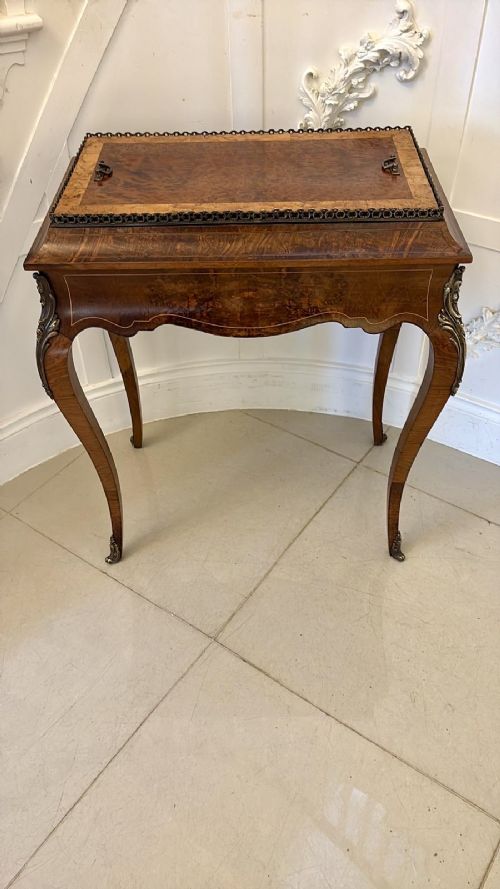


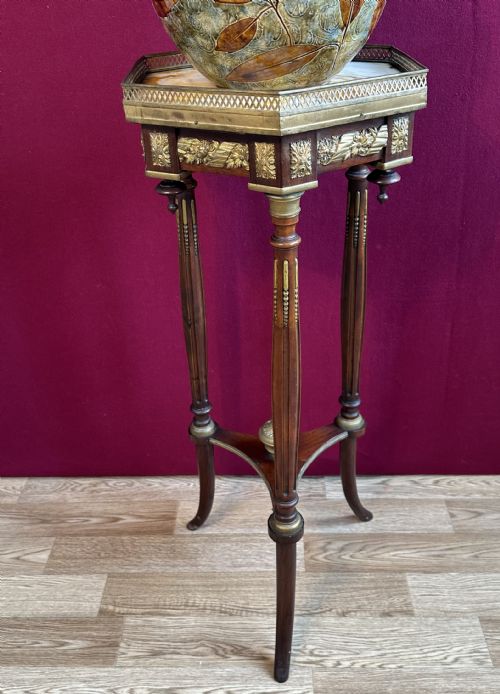


French Brass Jardiniere
A french brass jardiniere brings nineteenth-century drawing rooms indoors, holding plants or cooling wine with effortless metalwork.
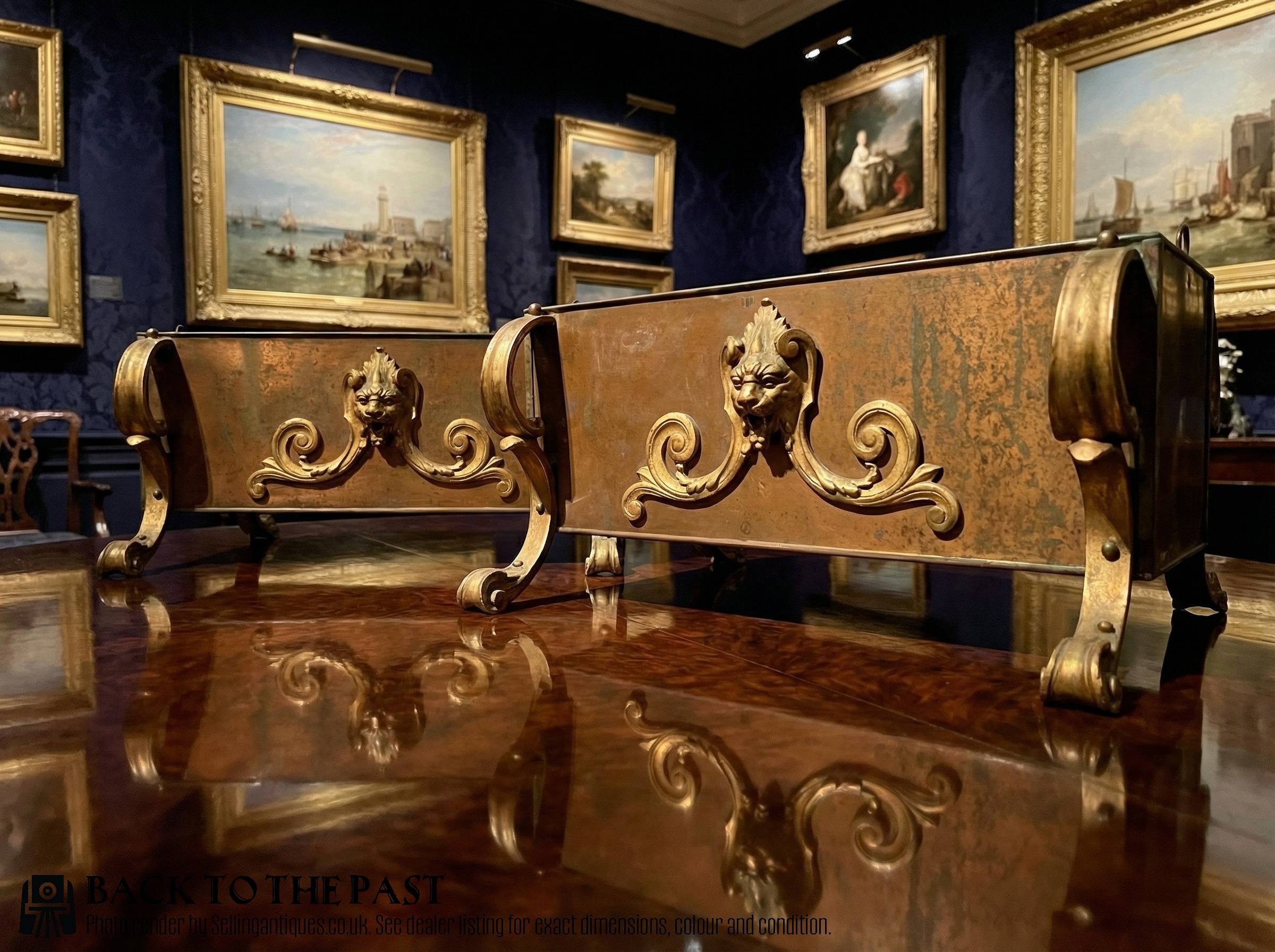
French Brass Jardiniere
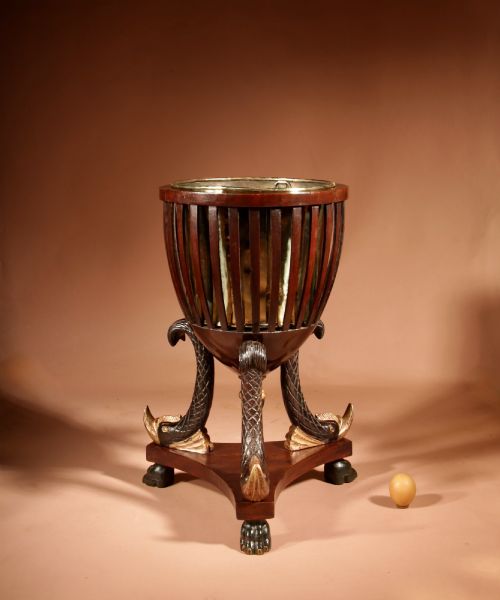
A french brass jardiniere serves as an ornamental plant holder, table stand, or wine cooler designed for formal interiors. You encounter these vessels primarily in nineteenth-century forms, spanning Victorian interpretations and Napoleon III styles.
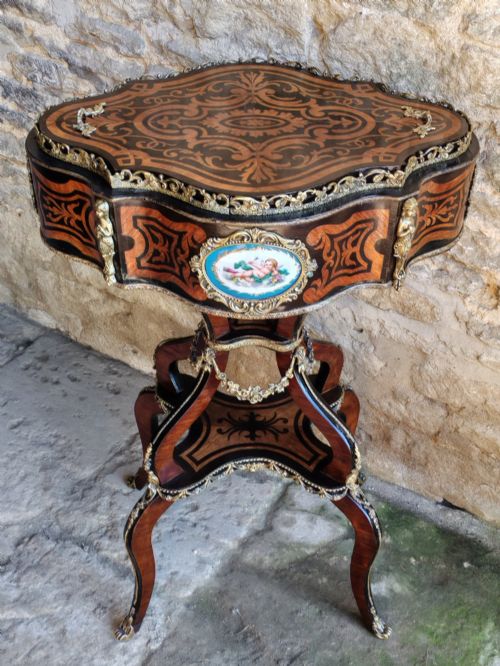
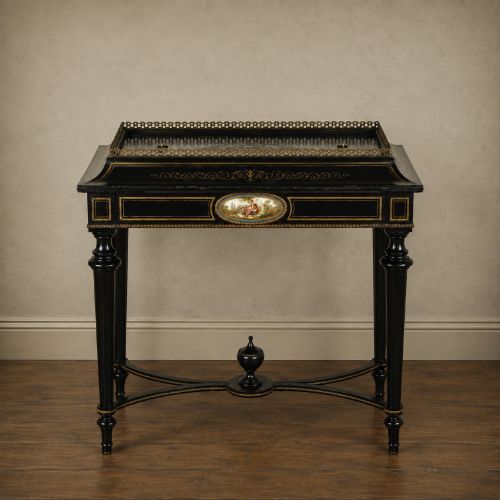
The selection ranges from simple brass planters to elaborate jardiniere tables incorporating mahogany, walnut, ebonised wood, and marble. Makers often produced them to double as wine coolers or occasional side tables during entertaining.
Origins trace through French Empire, Louis XV, and Louis XVI revivals, reflecting varied European tastes from the eighteenth century onwards. Buyers select them to anchor botanical displays or add metallic warmth to period rooms.
How they were made
Artisans combined cast and sheet brass with secondary woods like mahogany, walnut, and ebonised timber. Many examples utilise ormolu or gilt metal mounts to frame porcelain plaques and marquetry inlay.
Repoussé techniques allowed workers to hammer decorative patterns directly into the copper and brass surfaces of the planters. Internal metal liners protected the wooden frames and veneer from moisture damage during daily use.
Listings feature walnut, mahogany, kingwood, ebonised wood, and marble alongside brass and copper.
What varies in quality
The refinement of the cast brass mounts and the crispness of the repoussé work dictate the upper tier of quality. Superior pieces display intricate marquetry and undamaged porcelain plaques rather than plain timber surfaces.
The presence of the original metal liner elevates a piece significantly, as these components frequently did not survive centuries of watering plants. Timber selection also matters, with burr walnut and kingwood commanding higher regard than standard mahogany.
The French Brass Jardiniere Glossary
- Jardiniere
- An ornamental pot or stand designed for holding flowers or plants. They appear frequently in brass, copper, and porcelain.
- Ormolu
- Gilded bronze or brass applied as decorative mounts on furniture and planters. It creates a bright metallic contrast against dark woods.
- Repoussé
- A metalworking technique where the artisan hammers designs from the reverse side to form raised patterns. This appears on many nineteenth-century vessels.
- Marquetry
- Decorative patterns formed by fitting together small pieces of veneered wood. Walnut and kingwood provide rich tones for these designs.
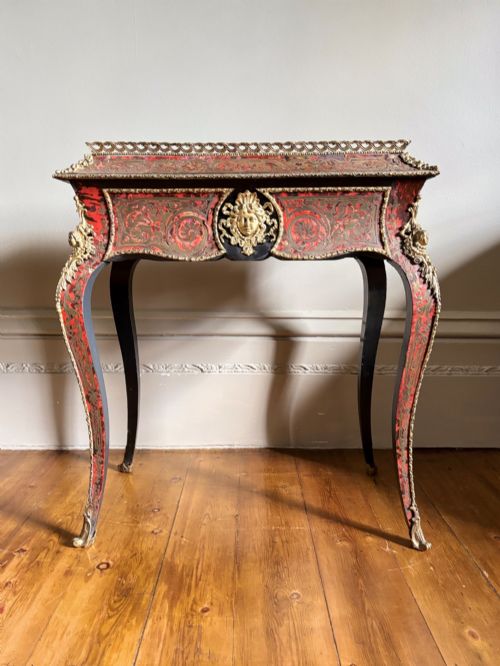
- Boulle
- A style of marquetry utilising brass and tortoiseshell inlaid into ebonised wood. Napoleon III examples often display this technique.
French Brass Jardiniere: Frequently Asked Questions
Can I use an antique jardiniere for live plants?
Many retain their original metal liners, which protect the wooden structure from water damage. You should still place a modern plastic pot inside to prevent direct contact.
Without an intact liner, use the vessel strictly as a cachepot with a saucer or for holding dried arrangements.
Were these used as wine coolers?
Period makers designed several large brass and copper jardiniere stands to double as wine or champagne coolers during dining. Their waterproof metal interiors made them suitable for ice and bottles.
Victorian entertaining often required multi-functional furniture that could transition from botanical display to party service.
How do I identify a Napoleon III jardiniere?
Napoleon III pieces often feature ebonised wood combined with gilt bronze mounts, Boulle marquetry, or painted porcelain plaques. They reflect the eclectic revival styles popular in France during the mid-nineteenth century.
Look for dense timber framing and heavy cast metal detailing rather than lighter Edwardian construction.
What is the difference between a jardiniere stand and a table?
A jardiniere stand is typically taller and narrower, designed primarily to elevate a single plant display off the floor. Tables incorporate a surface or undershelf, allowing them to function as side tables.
Both forms utilise brass basins, though tables frequently feature marquetry and varied wood veneers.