


Antique Barware Stand
An antique barware stand organises bottles and glassware with period style, bringing functional elegance to a home bar.
Antique Barware Stand
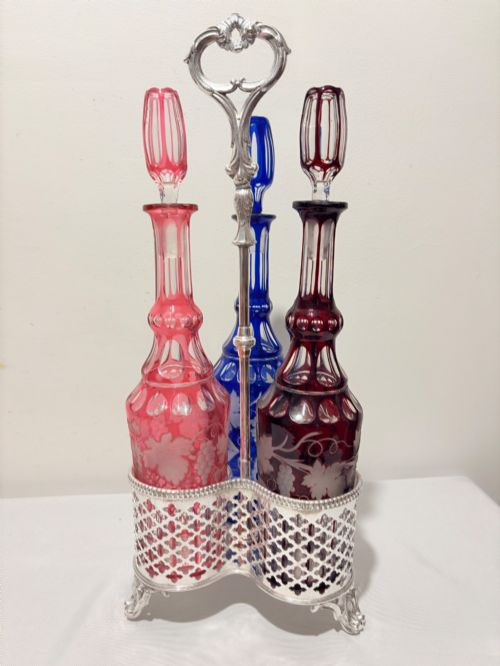
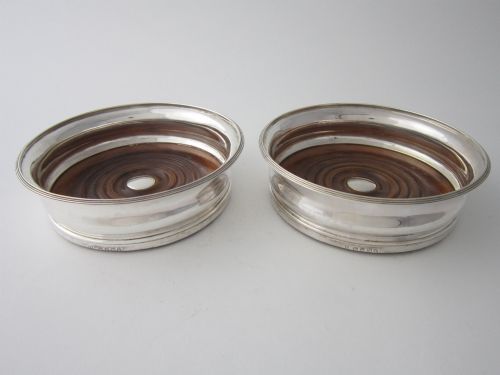
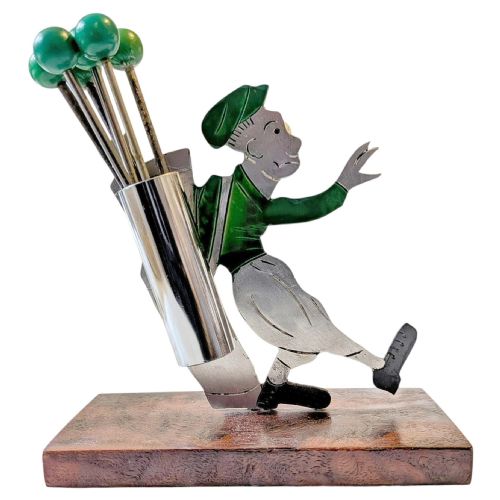
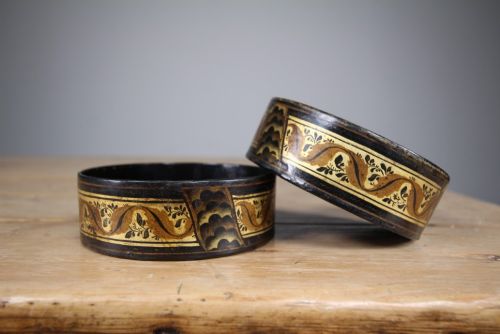
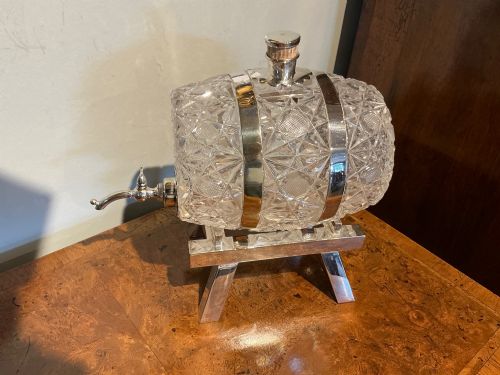
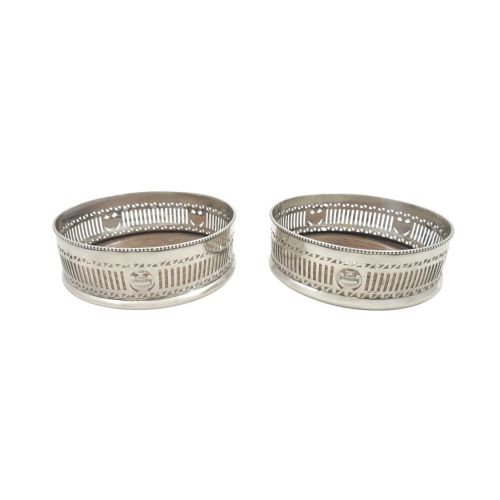
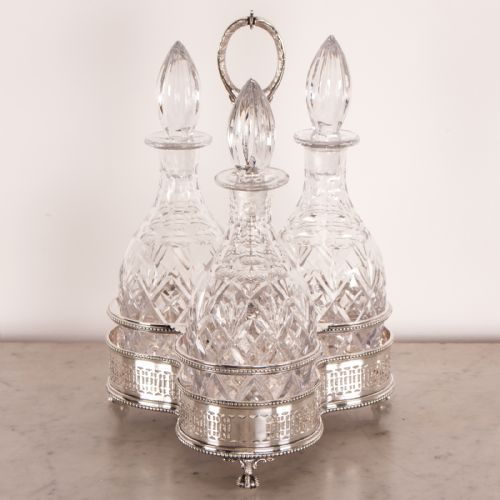
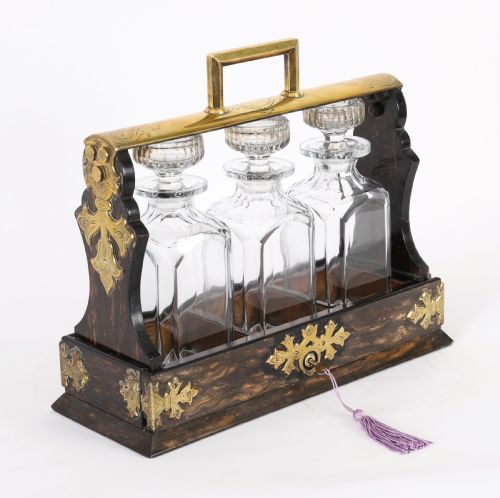
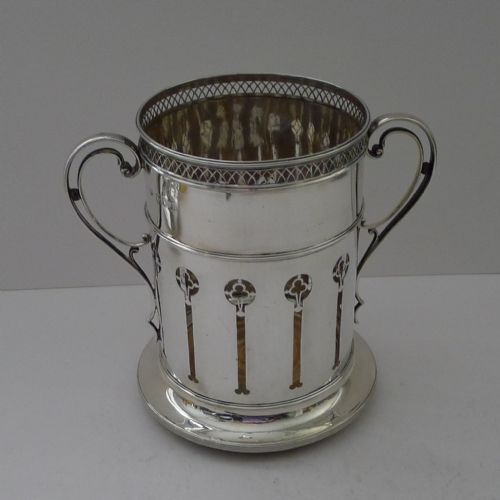
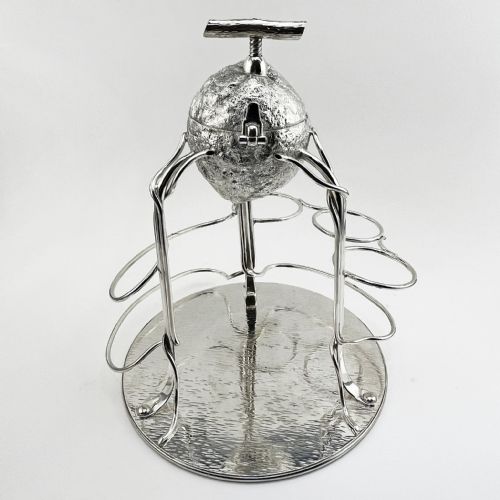
An antique barware stand encompasses several distinct forms designed to serve and display drinks, ranging from locking spirit cabinets to bottle holders and coasters. When searching this phrase, a buyer encounters everything from Edwardian oak tantalu and Victorian silver plated bottle stands to Art Deco cocktail stick sets and Georgian wine coasters.
Origins stretch from English workshops in Sheffield and London to French makers producing novelty Art Deco bar accessories. Pieces span the nineteenth and early twentieth centuries, reflecting changing social rituals around entertaining and the storage of fine spirits.
Materials and Technique
Silversmiths and electroplaters applied heavy layers of silver onto base metals like copper or nickel brass, creating durable frames for bottles and glass. Old Sheffield plate and later silver plating appear frequently alongside solid sterling silver components.
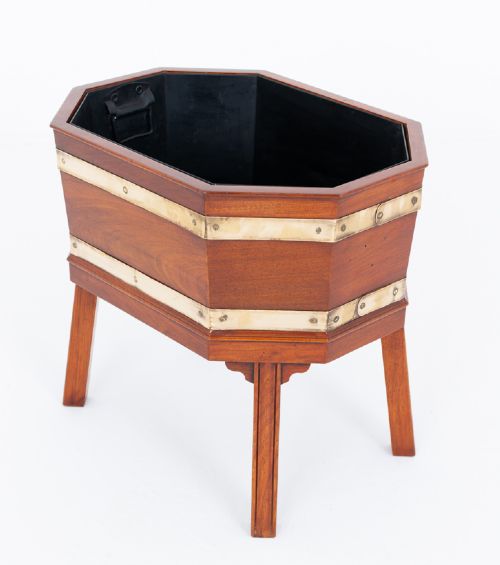
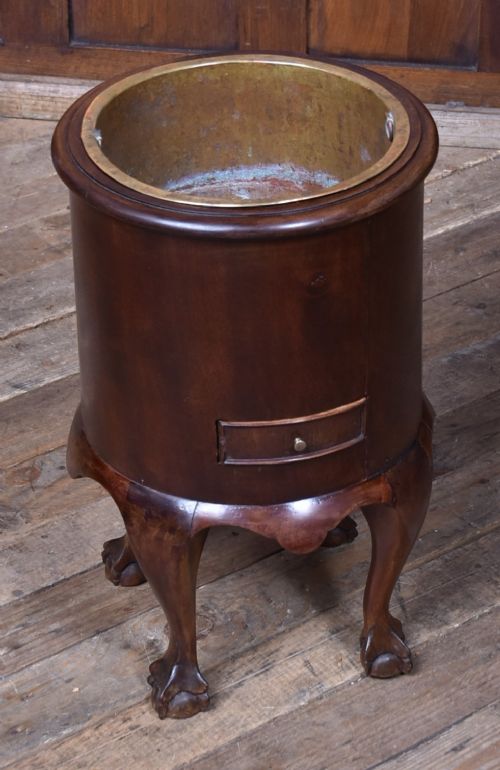
Cabinetmakers utilised dense timbers such as oak, mahogany, walnut, and coromandel to construct tantalu and cooler frames, often incorporating marquetry stringing and brass mounts. Glassmakers blew and cut crystal decanters and carafes to fit these bespoke housings precisely.
Specialist metalworkers employed casting, wrought iron shaping, and engraving to produce novelty figures, frames, and bottle holders. Mechanisms for locking tantalu required precise engineering of spring-loaded bars and key-operated locks.
Listings feature oak, mahogany, coromandel, and walnut frames paired with cut crystal decanters.
Judging Quality
Quality rests upon the weight of the metal, the crispness of the casting, and the depth of the hand-cut glass rather than mere ornamentation. Superior tantalu feature heavy timbers, intact locking mechanisms with original keys, and crystal decanters that match the frame perfectly.
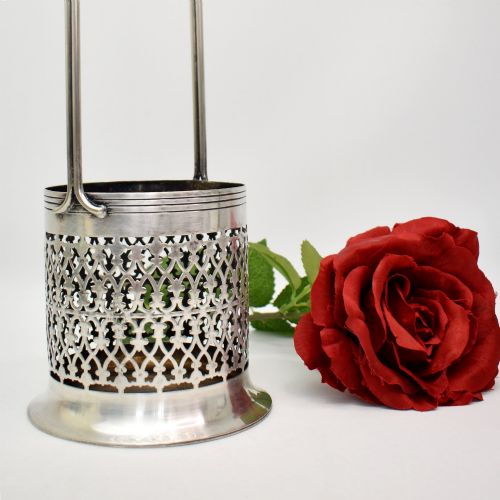
Silver plated pieces demonstrate quality through the durability of the plate over the base metal and the subtlety of engraved armorials or floral motifs. Finer coasters and bottle holders exhibit substantial gauge silver or silver plate that resists bending under the weight of heavy wine bottles.
Walker And Hall·Hukin And Heath·Brook And Son·Christofle·John And Thomas Settle
The Antique Barware Stand Glossary
- Tantalus
- A locking drink cabinet that holds decanters securely within a frame to prevent unauthorised access while displaying the contents. The locking mechanism typically secures the stoppers in place until a key releases the handle.
- Wine Coaster
- A small circular stand designed to hold a wine bottle and protect the dining table from condensation rings and spills. They often feature wooden bases with silver plate rims and green baize underneath.
- Old Sheffield Plate
- A composite material made by fusing a thin sheet of silver to a thicker copper base before rolling and shaping. This technique predates modern electroplating and leaves a characteristic subtle copper seam along edges.
- Coromandel
- A dense, heavily figured exotic timber utilised for luxury Victorian cabinet work and tantalu frames. Its dark brown grain with dramatic black streaks marks high-status pieces.
- Cut Crystal
- Glassware shaped by deep wheel-cutting to create geometric patterns that refract light brilliantly. It provides the heavy, resonant decanters fitted into nineteenth-century drink stands.
Antique Barware Stand: Frequently Asked Questions
What is a tantalus?
A tantalus is a locking stand that holds decanters of spirits securely within a frame, preventing guests or servants from pouring drinks without a key.
The clever design traps the glass stoppers beneath a metal bar until the lock is opened, teasing drinkers with the sight of the whiskey while keeping it safe.
How were wine coasters used?
Wine coasters sat on the dining table after the meal was cleared, holding bottles while passing them around the table during port and claret service.
The baize-lined undersides protected polished mahogany tabletops from moisture and scratches as guests slid the stands between each other.
How do I date a silver plated stand?
Dating silver plate relies on style, manufacturing techniques, and maker marks stamped into the metal frame. Earlier nineteenth-century pieces often use Old Sheffield plate methods, while late Victorian and Edwardian examples utilise heavier electroplating and distinct maker ciphers.
Can I replace missing decanters?
Replacing missing decanters requires finding antique crystal vessels that match the exact height, base diameter, and neck configuration of the frame.
Because tantalu were made to measure for specific glass sets, acquiring loose decanters that fit the original apertures demands careful measurement.