


French Champagne Bucket
When you handle a french champagne bucket, you hold a piece of social history designed to keep wine cold at the table.
French Champagne Bucket
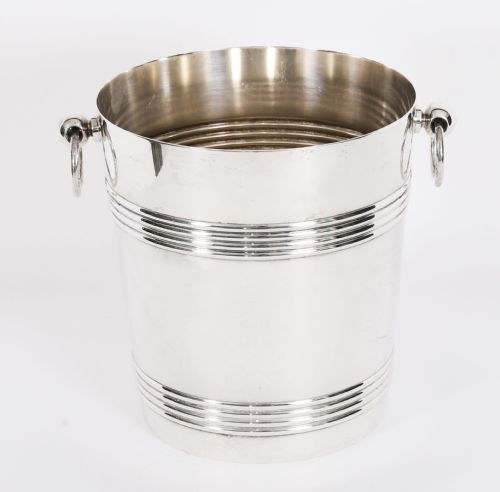
A french champagne bucket encompasses wine coolers, ice buckets and heavy champagne bowls originating from diverse periods. The selection spans the late nineteenth century through to the mid-twentieth century, capturing shifts in domestic entertaining.
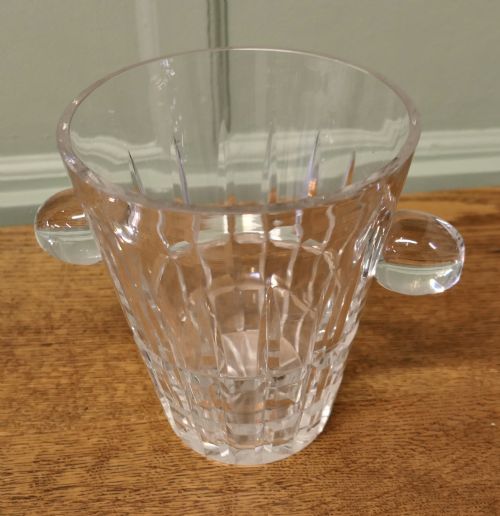
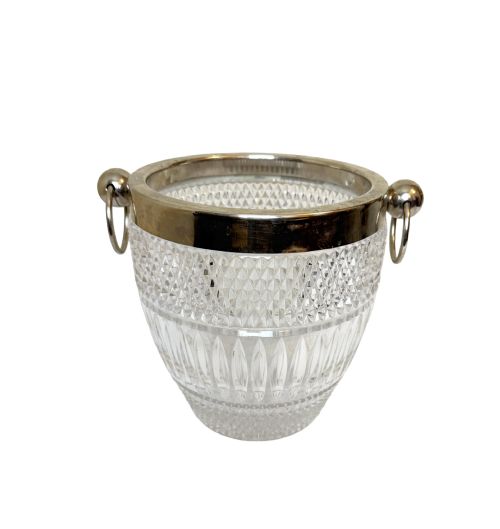
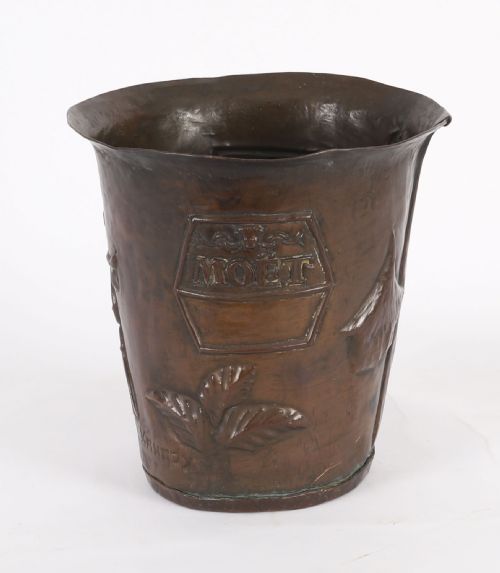
Silver plate dominates the offerings, alongside heavy cut crystal, brass and copper vessels. Buyers frequently encounter iconic geometric forms from the Art Deco era as well as older Victorian and Belle Epoque designs.
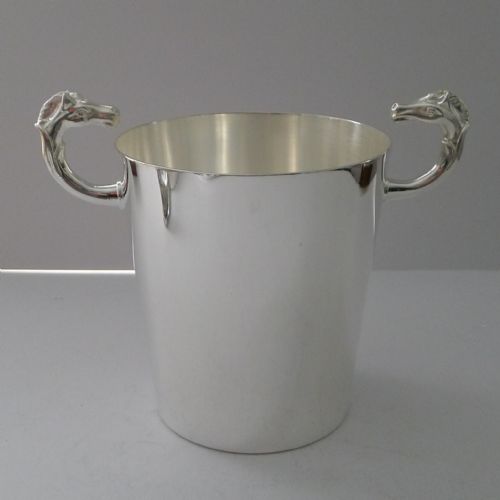
Objects range from plain restaurant service pieces to decorative luxury tableware adorned with equestrian motifs or stylized handles. Form follows function, with deep cylindrical bodies built to hold ice and water alongside the bottle.
Materials and Manufacture
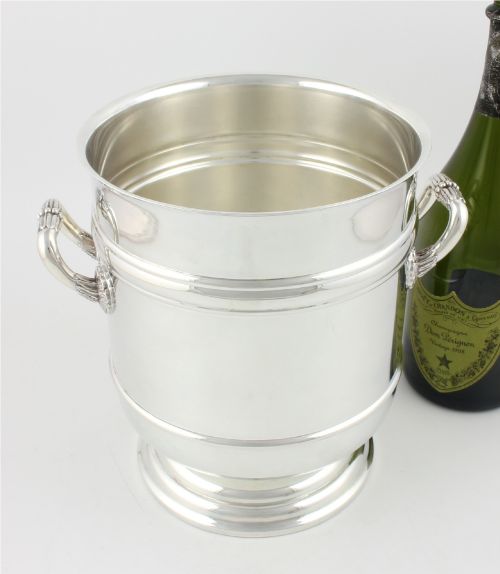
Silver plating over base metal or brass forms the backbone of these vessels, providing a bright reflective surface that withstands moisture. Heavy gauge metals ensure thermal retention to keep bottles chilled during extended dining.
Hand-blown and cut crystal introduce heavy refractive elements to the forms, often paired with cast metal mounts or handles. Artisans utilised techniques such as deep embossing, hammering and silver soldering to construct durable service ware.
Listings feature items spanning the Victorian era through the mid-twentieth century, executed in silver plate, brass, copper, and cut crystal.
Assessing Quality
Quality rests in the weight of the metal and the crispness of decorative chasing or casting. Thicker silver plate resists wear from polishing, while superior crystal exhibits clarity and precise hand-cut facets without distortion.
The integrity of construction separates standard utility pieces from high workshop output. Robust handle attachments, balanced proportions and clean interior seams indicate skilled fabrication.
Hermes Paris·Christofle·Ercuis Paris·Luc Lanel·Lino Sabatinni·Cailar and Bayard·Puiforcat Paris·St Medard
The French Champagne Bucket Glossary
- Silver Plate
- A thin layer of silver bonded to a base metal core. This technique allowed makers to produce robust tableware with the appearance of solid silver at a lower weight and cost.
- Art Deco
- A design style prevalent between the wars characterised by sleek geometric lines, stylised motifs and modern industrial materials. It remains the most common aesthetic found on twentieth-century wine coolers.
- Belle Epoque
- A period of French prosperity spanning the late nineteenth century up to the First World War. Objects from this era often feature ornate floral details and romantic classical styling.
- Trophy Vase
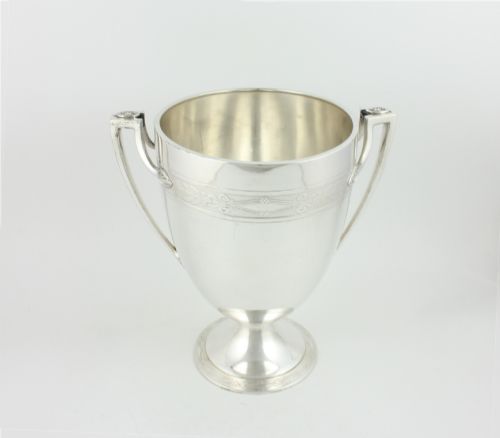
- A large handled vessel form frequently adapted for use as a champagne cooler. These pieces typically display substantial proportions and prominent side handles.
- Base Metal
- The underlying alloy, commonly brass, copper or white metal, used as the structural foundation before silver plating.
French Champagne Bucket: Frequently Asked Questions
What is the difference between an ice bucket and a champagne bucket?
Champagne buckets are taller and deeper to accommodate an entire wine bottle alongside ice and water. Ice buckets are smaller, intended strictly for serving ice cubes at a cocktail bar.
Selecting the correct vessel depends on whether you plan to chill bottles at the table or simply manage loose ice for drinks.
How do I clean an antique silver plated wine cooler?
Wash the vessel gently using warm water and a mild dish soap to remove residue. Avoid harsh abrasive dips that can strip the historic silver plate away from the base metal.
Dry the piece thoroughly with a soft cloth to prevent water spots and polish occasionally with a dedicated silver cream using gentle strokes.
Can these buckets be used for modern entertaining?
These historical vessels are robustly constructed and function just as well today for chilling wine as they did a century ago. Their solid metal or thick crystal builds handle ice and water without structural risk.
Using them at the dining table adds a tangible connection to historical hospitality and mid-century design traditions.
How do I date a metal champagne cooler?
Examine the maker marks stamped on the base, as silversmith hallmarks and maker ciphers often correspond to active production dates. Stylistic cues such as geometric Art Deco angles or ornate Victorian embossing also point to specific eras.
Material choices, including the presence of early plastics like Bakelite or specific metal alloys, narrow down the decade of manufacture.