





Brass Wine Trough
These brass wine trough examples bring period metalwork and timber into dining and living spaces with genuine presence.
Brass Wine Trough
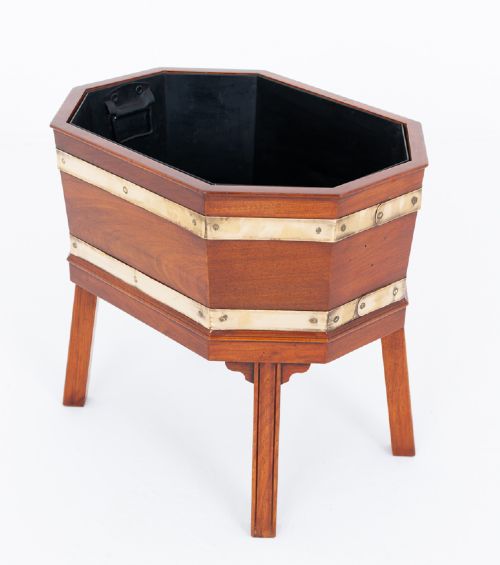
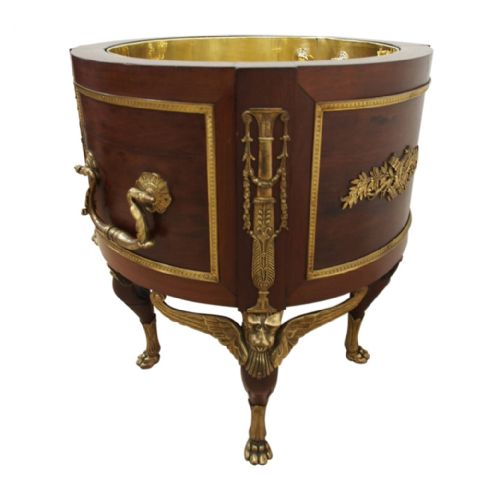
The pieces listed on this page encompass Georgian designs, Regency style mahogany coolers, and Victorian repoussé work. Most examples combine heavy metal liners or bodies with traditional cabinet timbers.
Makers such as Lister and Co also contributed coopered planters on stands during the Edwardian period. Each variant offers a distinct proportion suited to sideboard display or floor placement.
Materials and construction
Construction relies on solid copper, brass, and painted metal shaped into troughs, often mounted with ormolu or paired with timber frames. Cabinetmakers utilised mahogany and oak, employing cooperative techniques for stave construction and brass binding to secure the vessels.
Surface decoration includes repoussé work featuring animal heads, alongside cast ormolu mounts on Empire Revival pieces. Liners in zinc or metal provided the water-tight integrity necessary for cooling wine or housing plants.
Brass Wine Trough Retail Price Guide 2026
Typical asking prices for brass wine trough among the pieces listed under this phrase on Sellingantiques today, from the lower quarter to the upper quarter. They describe what is for sale here now, not the wider market.
Periods represented on this page range from the 18th Century through Georgian, Regency, Victorian, and Edwardian eras.
Assessing quality and character
Quality reveals itself in the crispness of brass repoussé details and the selection of figured mahogany or coopered oak. Superior examples display substantial metal gauge and precise joinery that withstands practical use.
The integration of original stands, mounts by recognised makers like Lister and Co, and patinated surfaces elevate certain pieces above standard utilitarian items.
Lister and Co
The Brass Wine Trough Glossary
- Repoussé
- Metalworking technique where the metal is hammered from the reverse side to form a raised design in relief. This creates tactile ornamentation such as animal heads on planters.
- Coopered
- Woodworking method utilising curved staves bound together with metal bands, traditionally used for casks and barrels. Oak planters often employ this sturdy construction.
- Jardiniere
- An ornamental pot or stand designed to hold plants or flowers. These vessels frequently double as wine coolers in period interiors.
- Ormolu
- Gilded bronze applications mounted onto furniture or metalwork. This decorative finish appears on Empire Revival pieces.
- Cellarette
- A lockable container or fitted box used for storing and cooling wine bottles near the dining table. Many early examples incorporate brass bound mahogany.
Brass Wine Trough: Frequently Asked Questions
What is a brass wine trough used for today?
These vessels function effectively as wine coolers for entertaining or as planters for large houseplants. Their waterproof metal liners make them practical for holding ice and bottles.
Placed on sideboards or dedicated stands, they introduce period character and metallic texture into contemporary rooms.
How do I date an antique wine trough?
Dating relies on timber selection, construction methods, and stylistic cues such as Regency proportions or Edwardian coopered oak staves. Eighteenth-century pieces often show hand-cut dovetails and heavy brass bands.
Later revival pieces adopt classical ormolu mounts and machine-finished components that reflect their specific era of manufacture.
Are these troughs waterproof?
Most pieces feature original metal, copper, or zinc liners designed to hold moisture for plants or ice. Over centuries, some joints may develop minor weeping, so protective mats are recommended for delicate surfaces.
Checking the interior liner condition helps determine whether a piece is suitable for live planting or ice cooling.
How do I care for antique brass and mahogany?
Brass components benefit from gentle dusting and occasional cleaning with a non-abrasive metal polish to maintain their natural lustre. Mahogany and oak timber require standard wax treatment to nourish the wood grain.
Avoiding harsh chemical cleaners preserves the historic patina accumulated across the Georgian, Victorian, and Edwardian periods.