



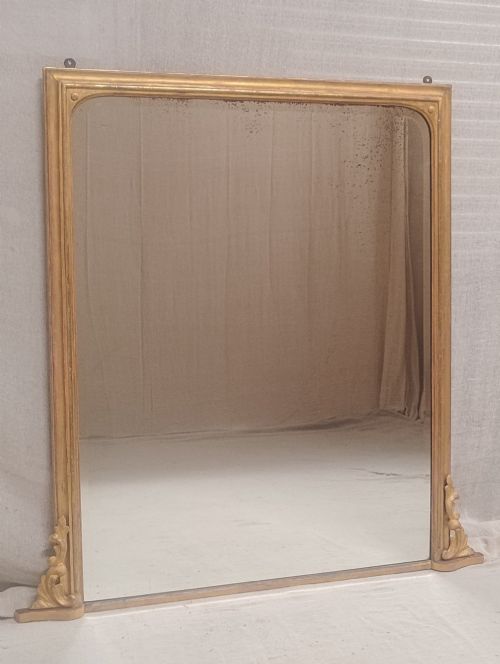
French Arched Overmantel
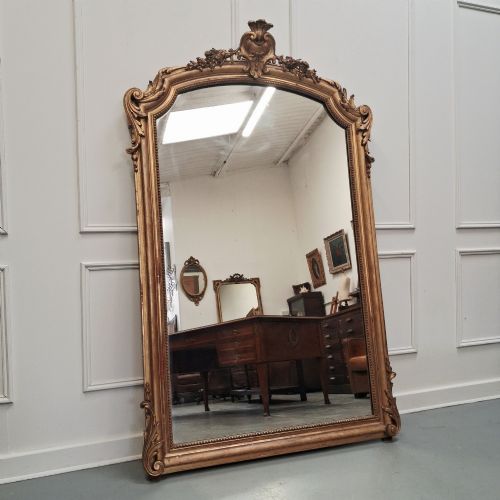
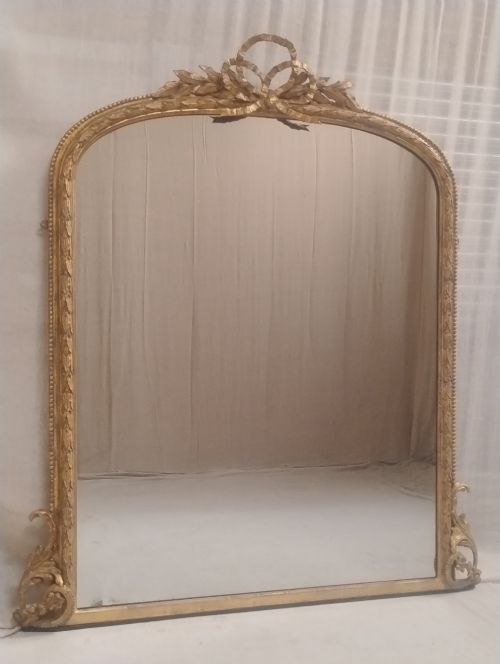
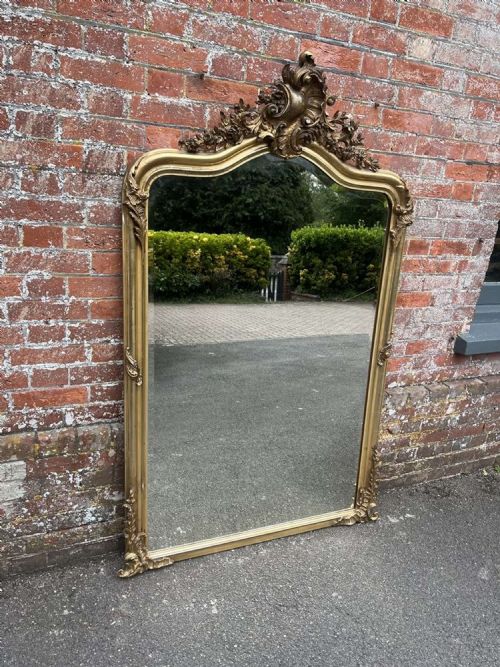
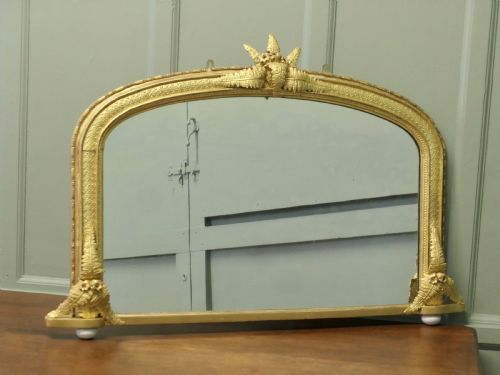
A french arched overmantel brings a classic architectural silhouette and a sense of light to a room, designed to sit commandingly above a fireplace.
French Arched Overmantel
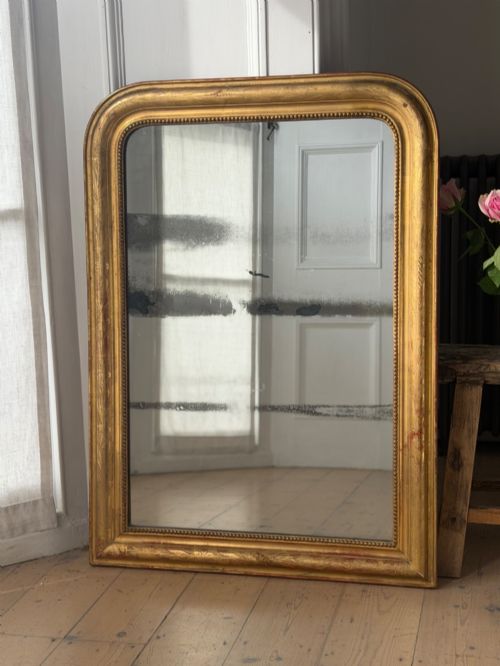
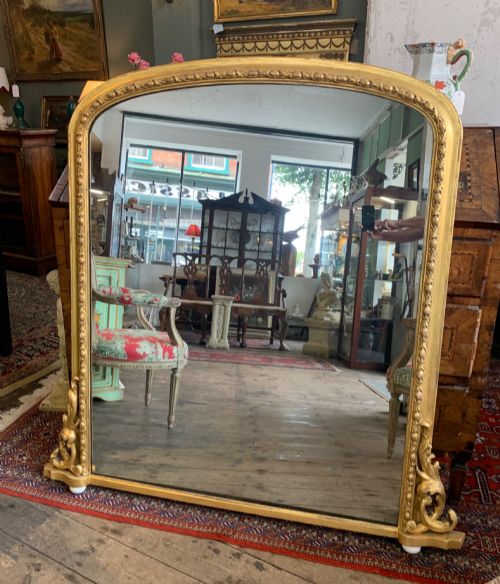
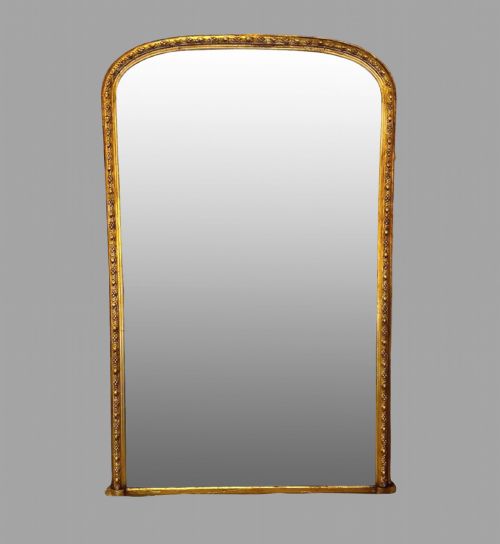
A french arched overmantel is a large wall mirror created to occupy the wall space directly above a mantelpiece, bringing height and reflection into a room. These architectural pieces often originate from the nineteenth century, spanning periods such as the Victorian era and the Louis Philippe style.
The most common versions met on this page combine generous proportions with curved upper edges, drawing upon nineteenth century French and English design aesthetics. Makers fashioned these mirrors to anchor domestic interiors, reflecting light from windows and candles across the room.
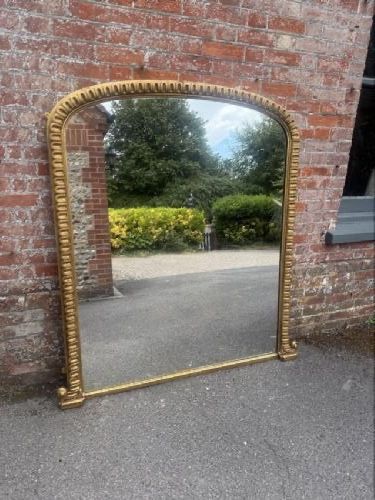
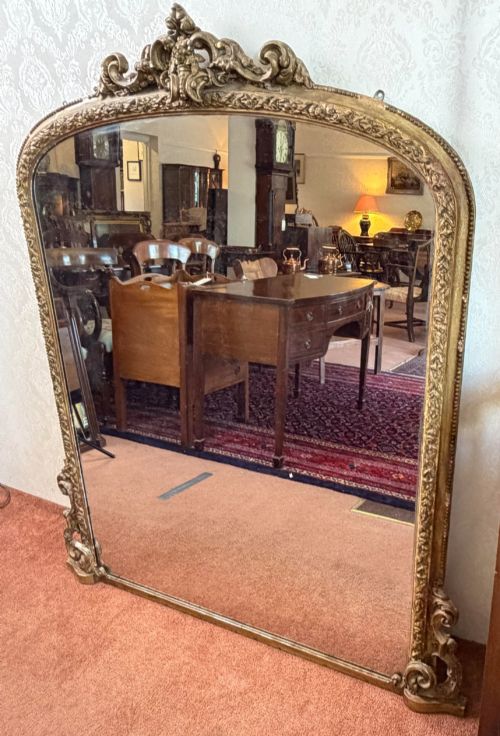
Examples appear in various regional guises, including French Chateau, Rococo Revival, and Regency styles. Buyers encounter both painted wooden frames and heavily gilded surfaces designed to make an impact in reception rooms.
Materials and Construction
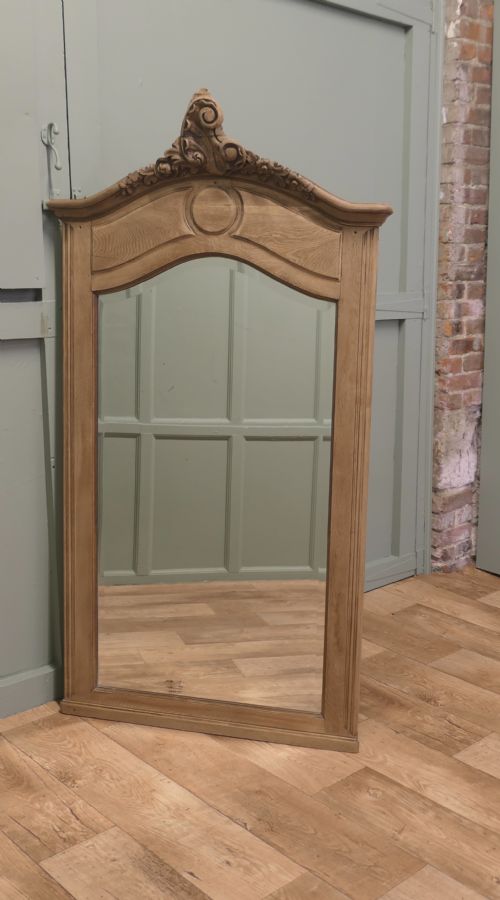
Carpenters built the foundational frames of these mirrors using timber such as carved wood, bleached oak, and painted wood. Upon this wooden core, artisans applied layers of gesso to build up intricate surface details and mouldings before gilding or painting.
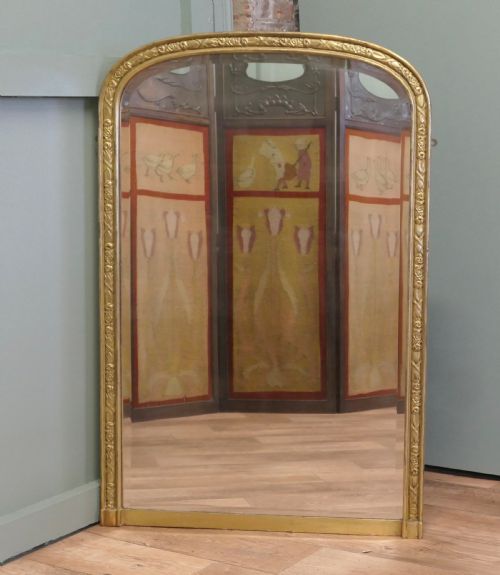
Giltwood and gold leaf finishes provide the characteristic metallic sheen seen on many nineteenth century examples, achieved by applying thin sheets of metal over prepared grounds. Mirror glass completed the piece, occasionally featuring mercury backing or foxed ageing.
Listings feature pieces spanning the Georgian, Victorian, and early twentieth century periods, constructed from gesso, giltwood, and painted wood.
Assessing Quality
The distinction between standard examples and finer pieces lies in the crispness and depth of the wood and gesso carving. Superior frames display hand-carved relief work with sharp definition, whereas lesser versions rely on simpler mouldings or heavier plaster applications.
Originality of surface finish dictates much of the standing of an overmantel, with undisturbed original gilding or authentic painted palettes holding greater regard than later interventions. The integrity of the glass plate, whether retaining historical foxing or original mercury silvering, also contributes to the piece's character.
The French Arched Overmantel Glossary
- Overmantel Mirror
- A mirror specifically designed or scaled to hang on the wall directly above a fireplace mantel. These pieces frequently feature arched tops to echo architectural chimney breasts.
- Gesso
- A plaster-like mixture applied to wood frames to create a smooth surface for gilding or painting. Artisans carved intricate decorative motifs directly into this layered material.
- Giltwood
- Timber that has been coated with gold leaf or metallic paint to simulate solid gold. This finish was widely utilised in nineteenth century interior decoration to catch and reflect light.
- Louis Philippe
- A French stylistic period from the mid nineteenth century characterised by understated elegance and restrained curves. Mirrors from this era typically feature simple arched frames with minimal ornamentation.
- Foxed Glass
- Mirror glass that has developed dark spots, mottling, or discoloration due to the degradation of the backing over time. Collectors often prize this natural ageing process for the authentic period atmosphere it provides.
French Arched Overmantel: Frequently Asked Questions
How do I hang a heavy overmantel mirror safely?
These large mirrors require secure attachment directly into structural wall studs or masonry using heavy-duty brackets. Professional installation is strongly recommended due to the substantial weight of the timber and glass.
Weight distribution must be calculated carefully across the frame to prevent warping or structural strain over time. Ensure the chosen wall space can support both the vertical load and the outward pull.
What is the difference between a pier mirror and an overmantel mirror?
Pier mirrors were traditionally manufactured to hang on the narrow wall space, or pier, between two windows. Overmantel mirrors are proportioned specifically to sit horizontally above a fireplace mantel.
While both share nineteenth century origins and decorative gilt finishes, their intended architectural context dictates their overall height and width proportions.
How should I clean an antique gilded frame?
Dust gilded surfaces gently with a soft, dry ostrich feather duster or a very soft dry brush. Avoid applying water, liquid cleaners, or modern chemical polishes, which can strip the delicate gold leaf or gesso.
Preserving the fragile metallic surface requires minimal intervention and a gentle touch. Professional conservators should handle any significant restoration or grime removal.
Are these mirrors suitable for modern interiors?
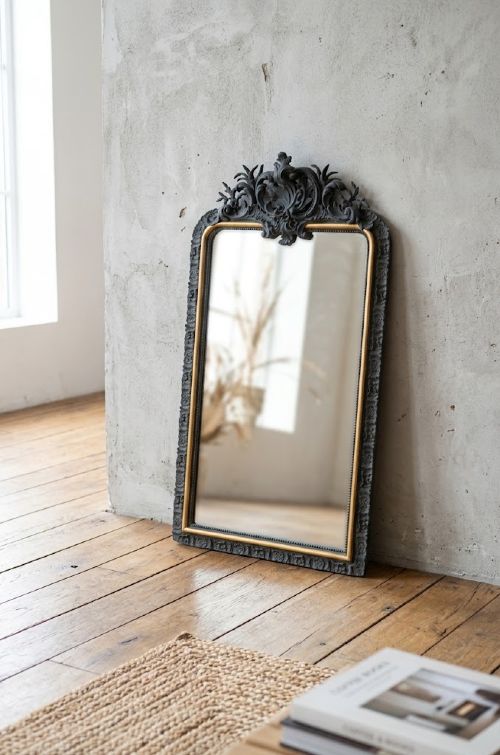
The architectural presence of these large mirrors allows them to function effectively in contemporary spaces. Leaners placed directly on the floor against a wall create a striking focal point without permanent installation.
Their reflective qualities expand visual space and introduce historic texture into minimalist or modern rooms. Pairing nineteenth century craftsmanship with clean, modern decor creates a balanced interior.