

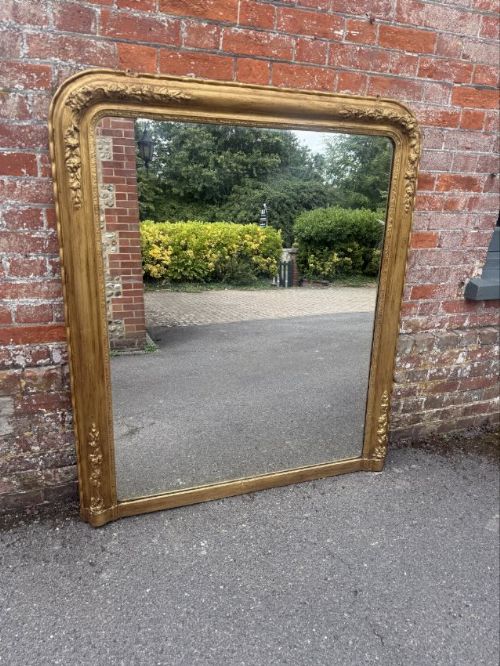
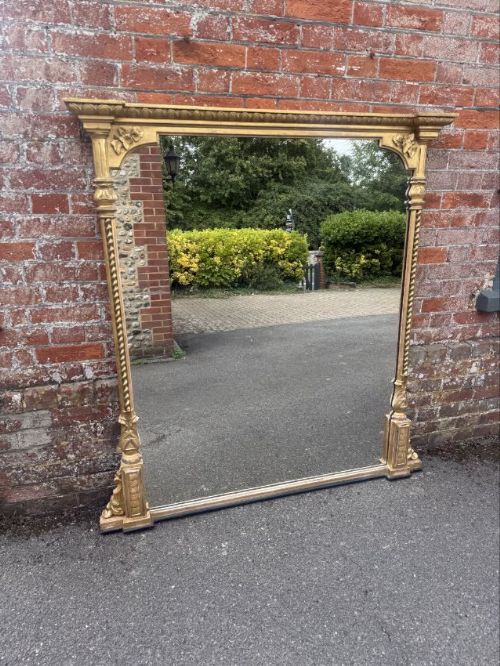
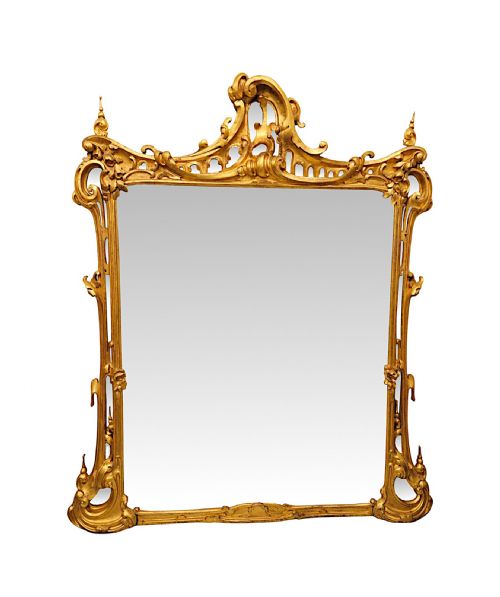
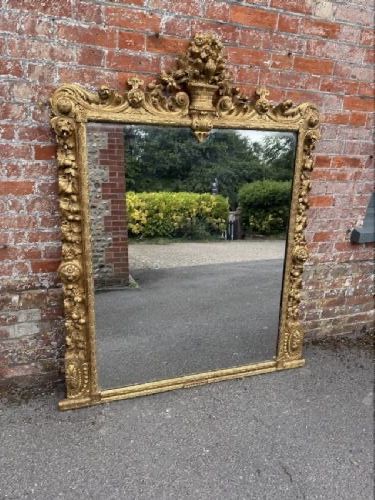
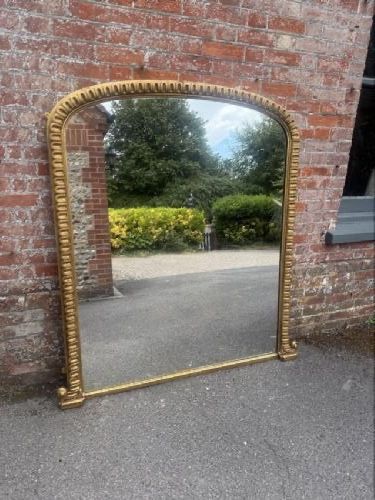
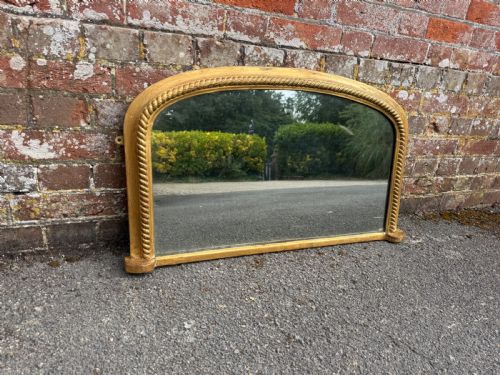
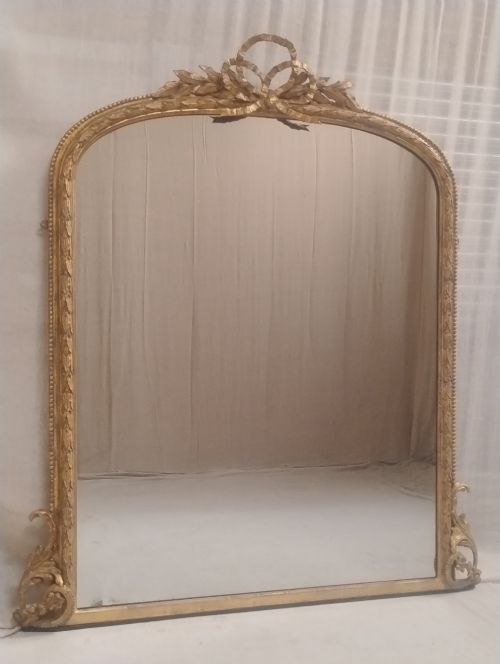
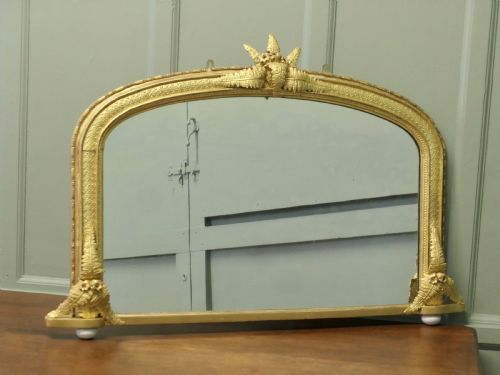
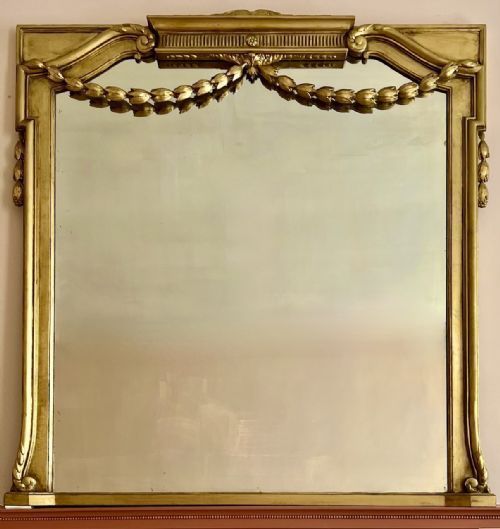
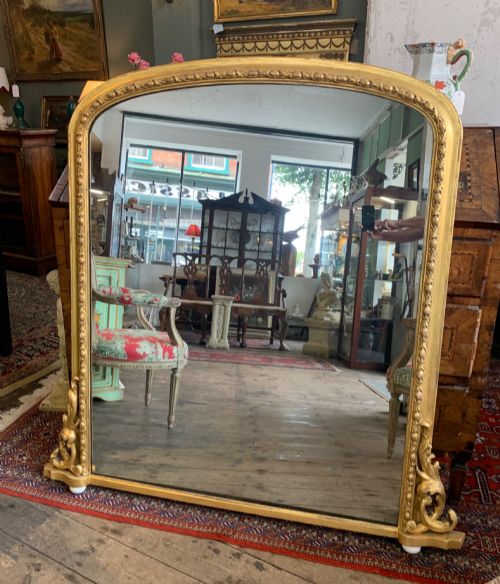
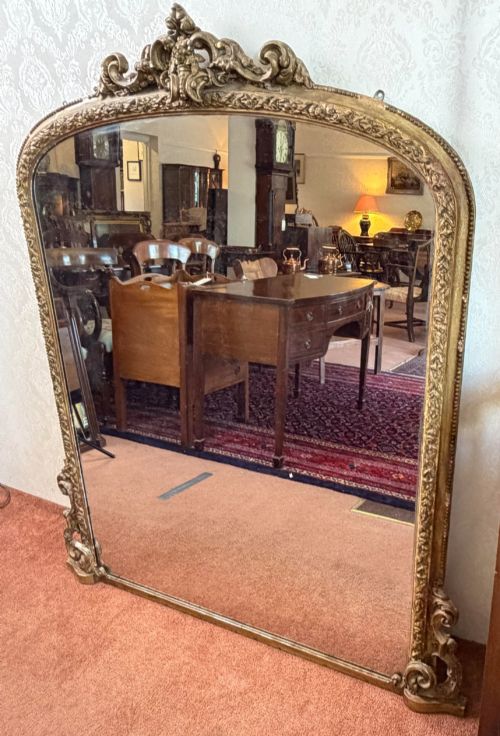
Victorian Gilt Fireplace Mirror
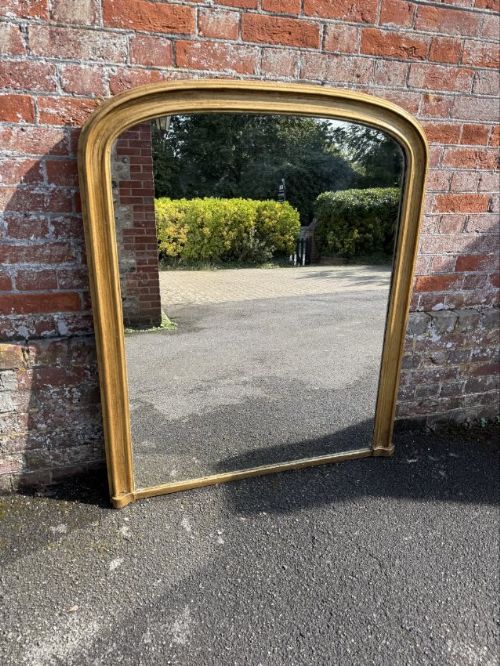
A victorian gilt fireplace mirror brings architectural scale and reflective light to a room, most frequently encountered in grand overmantel formats with arched tops.
Victorian Gilt Fireplace Mirror
A victorian gilt fireplace mirror primarily takes the form of an overmantel mirror designed to sit above a hearth. The pieces span from the mid-nineteenth century into the early twentieth century, originating from English and French workshops.
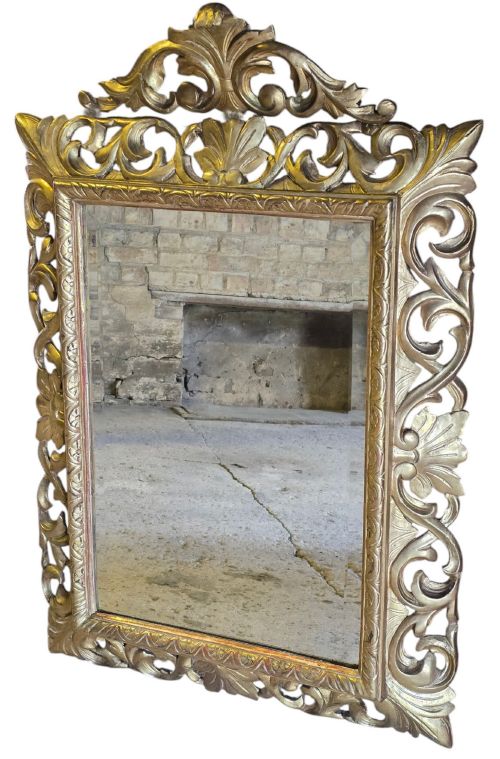
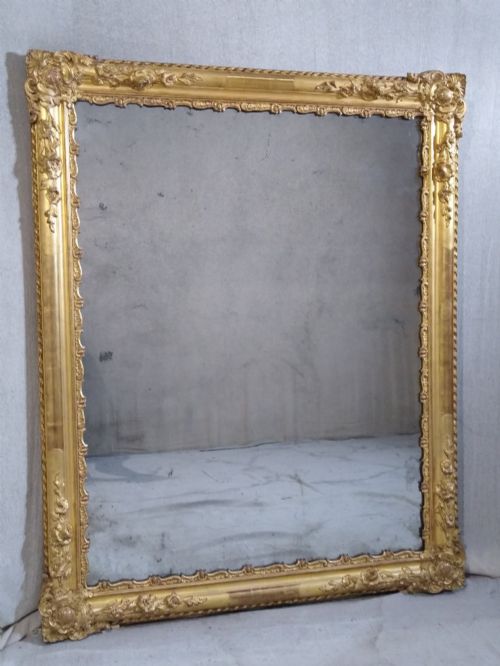
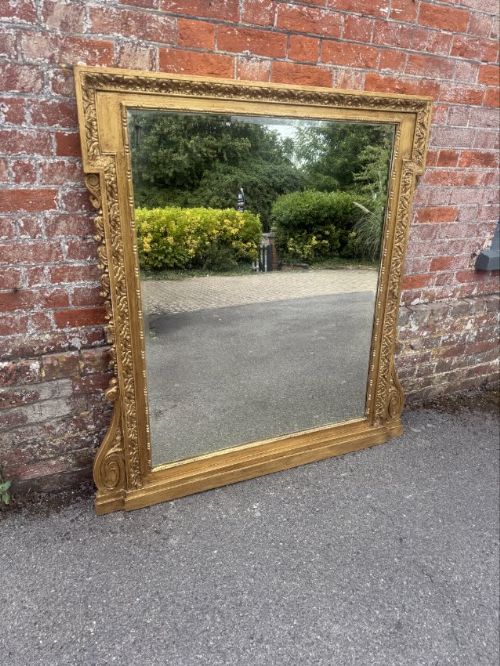
The most common formats on this page are large wall mirrors featuring arched tops, rectangular frames, and decorative crestings. Makers constructed these mirrors specifically to sit long and low over a fireplace opening, reflecting light across the interior.
The aesthetic vocabulary encompasses straightforward Victorian designs alongside French Chateau, Rococo Revival, Chinese Chippendale, and Florentine styles. These variations alter the framing from simple rope twists to elaborate carved motifs.
Materials and construction
Makers constructed the structural frames using carved wood, frequently layering gesso and composition over the timber to build up intricate relief ornament. Craftsmen then applied gold leaf or gilt finishes over the prepared ground.
Glass plates were silvered and set into the large frames, sometimes utilising triple plate configurations or retaining original foxed glass. Wood types such as mahogany, birdseye maple, and ebonised timber appear alongside gilded surfaces in parcel-gilt constructions.
Materials recorded across the inventory include giltwood, gesso, ebonised wood, and original foxed mirror glass.
Assessing quality
The refinement of the carved wood and gesso ornamentation dictates the visual weight and sophistication of the piece. Crisp, deeply undercut mouldings and detailed rope twist, tulip, or column framing separate standard production from superior examples.
The integrity of the original gilding and the character of the mirror glass contribute significantly to the standing of the object. Hand-carved wooden elements display an organic fluidity that composition mouldings cannot fully replicate.
The Victorian Gilt Fireplace Mirror Glossary
- Overmantel mirror
- A large mirror designed specifically to be hung on the wall directly above a fireplace mantelpiece. These pieces often feature wide proportions to match the width of the fireplace below.
- Gesso
- A plaster-like mixture applied to wood frames to create a smooth surface for gilding. Artisans carve and model this material to form relief decoration before applying gold leaf.
- Giltwood
- Timber that has been coated with gold leaf or gilt finish. This material forms the primary visual surface of the frames listed on this page.
- Foxed glass
- Mirror glass that shows age-related spots, tarnishing, or degradation of the silvered backing. This characteristic indicates genuine period origin.
- Composition
- A moulded material made from whiting, resin, and glue pressed into metal moulds. Makers used this substance alongside carved wood to produce repetitive decorative details efficiently.
Victorian Gilt Fireplace Mirror: Frequently Asked Questions
Where should an overmantel mirror hang?
These mirrors belong directly above a fireplace mantelpiece where they anchor the wall space and reflect light from windows.
Position the bottom edge just above the mantel shelf to maintain a correct visual relationship with the fireplace.
How do I date a 19th-century mirror?
Dating relies on examining the construction of the wooden frame, the materials used in the gesso, and the character of the glass plates. Stylistic clues such as Rococo Revival curves or Aesthetic ebonised details provide further temporal markers.
Backboards, fixings, and screw types also offer evidence of the manufacturing period.
What is the difference between giltwood and gesso?
Giltwood refers to the actual gold leaf or metallic finish applied to the surface of the frame. Gesso is the foundational plaster mixture layered onto the wood to allow for detailed carving and smoothing before gilding occurs.
Many frames utilise a carved wooden carcass covered in gesso before the final gilt layer goes on.
Can these mirrors be hung without a fireplace?
While designed for placement above a hearth, these large pieces function effectively as wall mirrors in hallways, reception rooms, or above sideboards. Their substantial proportions allow them to stand alone as statement pieces in generous interior spaces.
Ensure the wall fixings can support the considerable weight of the carved wood and glass.