




Rounded Corner Gilt Mirror
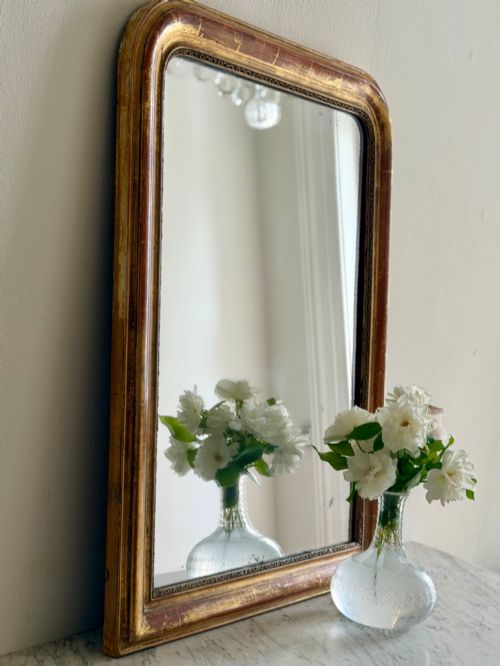
A rounded corner gilt mirror brings light and French Louis Philippe proportion to a room, offering both generous scale and a quiet architectural edge.
Rounded Corner Gilt Mirror
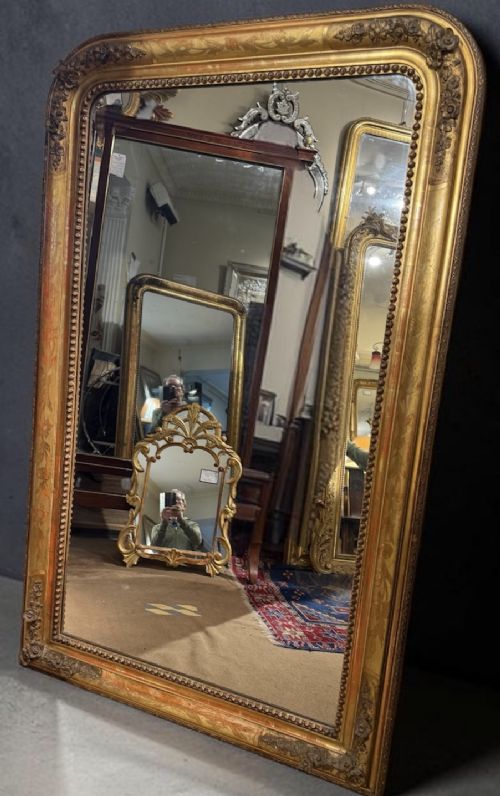
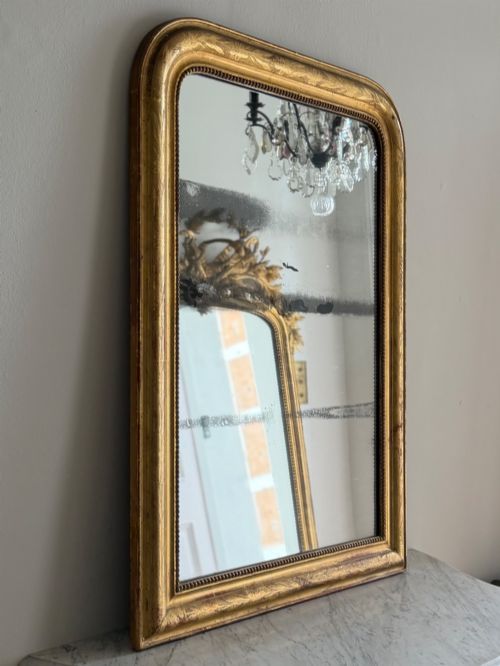
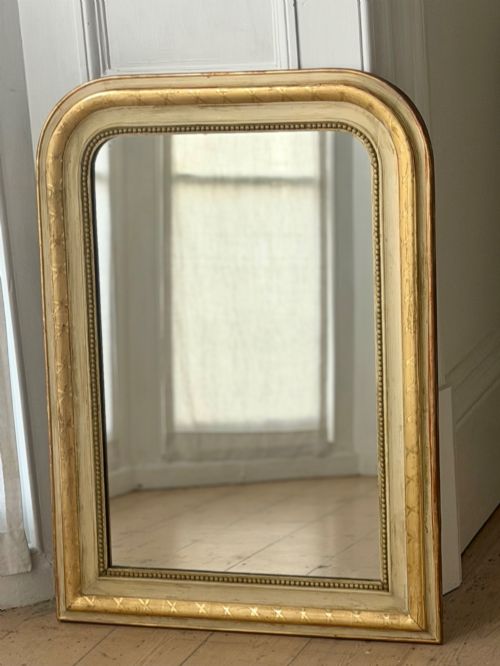
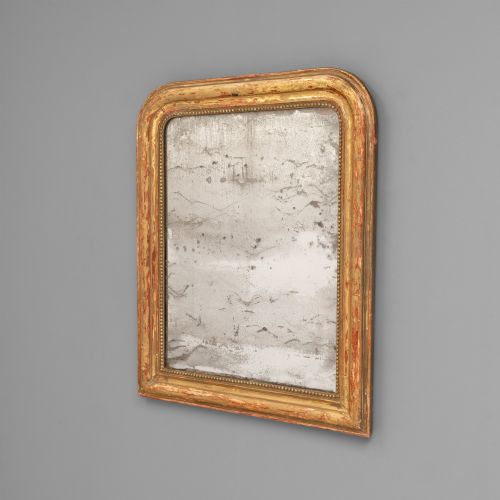
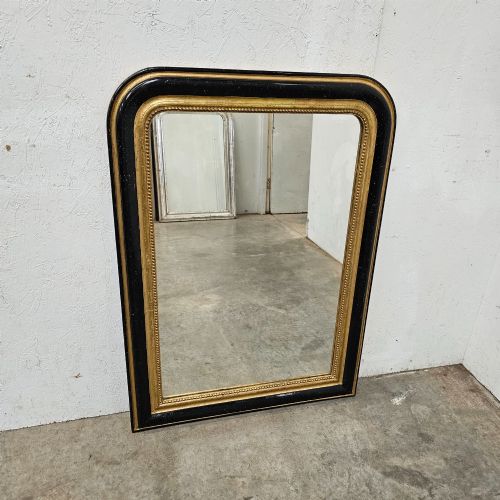
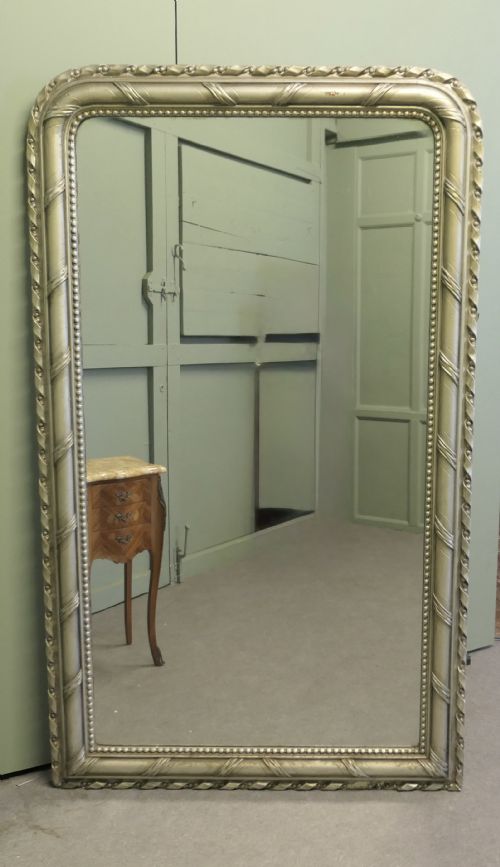
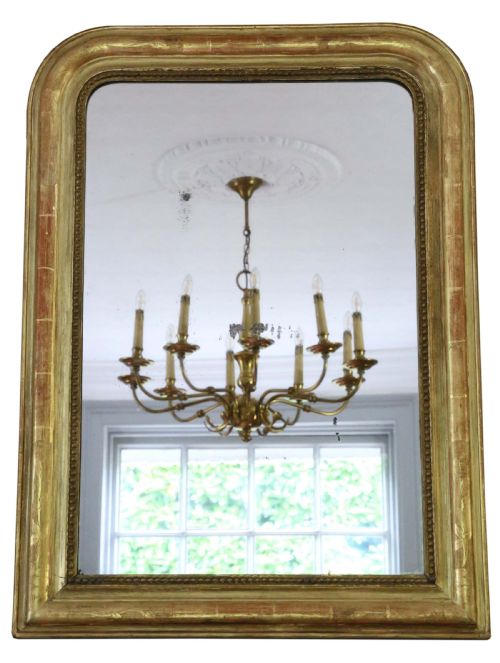
A rounded corner gilt mirror is typically encountered as a French Louis Philippe wall mirror or an overmantel mirror dating from the nineteenth century. These pieces combine simple or ornate gold and silver frames with characteristic softly curved upper corners.
The selection ranges from large architectural overmantel mirrors designed for chimney breasts to tall wall hanging mirrors measuring up to six feet. Most examples originate from the nineteenth century, including Victorian periods and specific dates like eighteen eighty or nineteen hundred.
Buyers look for these mirrors to anchor a room, reflecting natural light while providing the distinct silhouette associated with French chateau and nineteenth century styles.
Construction and materials
Frames are built from wood and gesso, serving as the heavy base upon which gold leaf or silver leaf is applied. The surface finish relies on traditional gilding techniques that impart a warm metallic sheen to the wood substrate.
Glass is set within these frames, often accompanied by paint finishes that contribute to a distressed or aged appearance on antique pieces.
One recorded piece reaches a towering six feet in height, requiring substantial wall space and steady nerves to hang.
Factors of quality
Quality separates in the handling of the gesso work and the crispness of the curved corners, where finer examples maintain structural harmony without losing the softness of the profile. The depth and integrity of the original gold leaf or silver leaf application also distinguish superior pieces.
Scale plays a role, as demonstrated by exceptionally tall frames or large overmantels that require precise joinery to support heavy glass plates securely within the wooden structure.
The Rounded Corner Gilt Mirror Glossary
- Giltwood
- Wood that has been coated with gold leaf or a gold-coloured finish. This material defines the warm metallic borders characteristic of these frames.
- Louis Philippe
- A mid-nineteenth century French style known for clean lines and gentle curves rather than excessive ornamentation. It provides the foundational shape for many of these mirrors.
- Gesso
- A plaster-like mixture applied to wood frames to create a smooth surface for gilding. It allows craftsmen to mould subtle details before applying metal leaf.
- Overmantel
- A large mirror specifically designed to hang above a fireplace mantelpiece. These pieces often feature extended horizontal proportions.
Rounded Corner Gilt Mirror: Frequently Asked Questions
How do I hang a heavy overmantel mirror?
Heavy overmantel mirrors require secure wall fixings, typically screwed directly into masonry or substantial wall studs to support the combined weight of the wood, gesso, and glass.
Professional mirror fixings or French cleats distribute the load evenly across the frame structure.
Where should I place a large French mirror?
These mirrors work best hung opposite a window to maximise natural light reflection and create a sense of expanded space in reception rooms.
Overmantel versions suit traditional chimney breasts, while tall wall mirrors anchor narrow hallways or living spaces.
How do I clean an antique gilt frame?
Dust giltwood and gesso frames gently with a soft, dry brush to avoid disturbing the fragile gold leaf or silver leaf layers.
Avoid liquid cleaners and harsh chemicals, which can strip the historic finish from the wooden substrate.
What defines the Louis Philippe style?
The Louis Philippe style is recognised by its understated elegance, featuring softly rounded upper corners and minimal carved decoration.
This aesthetic focuses on proportion and smooth wooden surfaces rather than heavy baroque ornamentation.