
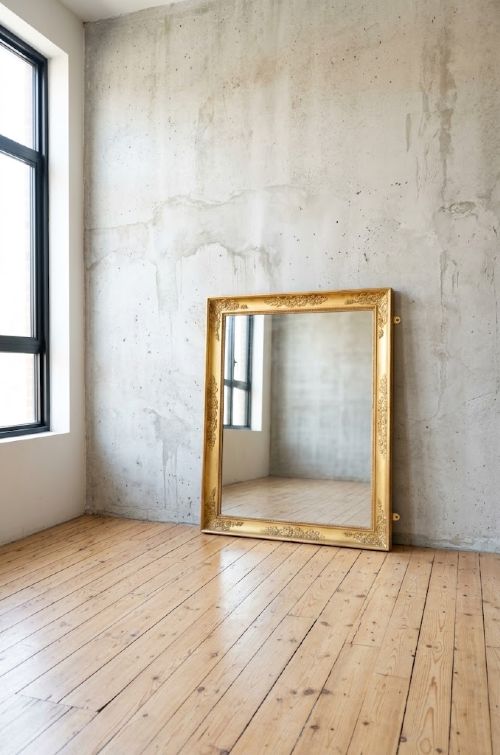
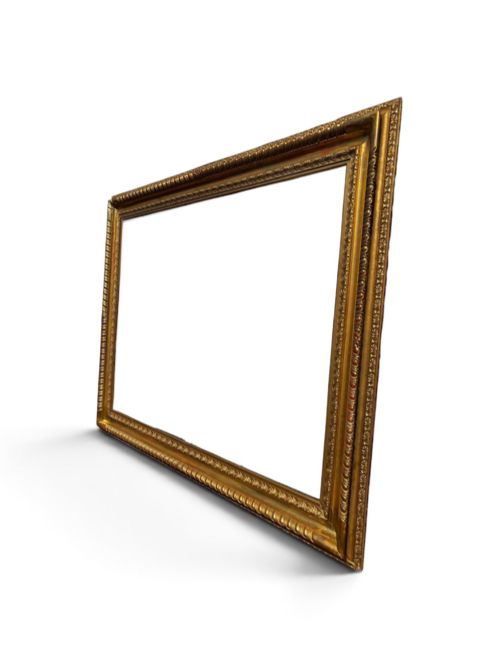
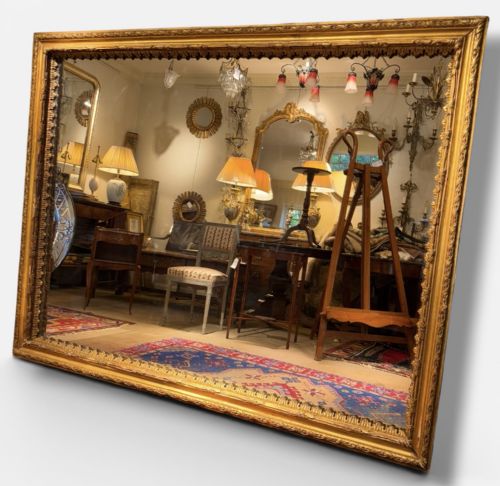
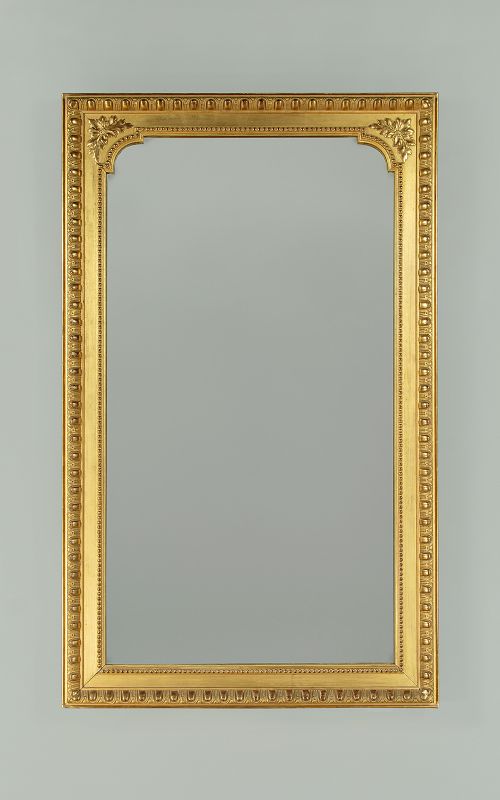


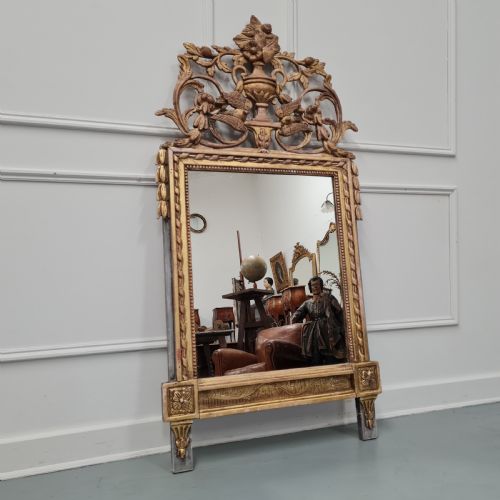


Classical French Gilded Mirror
When you seek a classical french gilded mirror, you find nineteenth-century glass and giltwood designed to catch the candlelight and open a room.
Classical French Gilded Mirror
A classical french gilded mirror brings nineteenth-century drawing rooms and chateaux to mind, appearing in forms such as tall overmantel mirrors, pier glasses, and trumeaux with painted panels. You meet wall-hanging plates, console combinations, and dressing glasses spanning the periods from the early eighteen-hundreds to the dawn of the twentieth century.
The aesthetic draws heavily on Neoclassical, Louis XVI, and French Empire idioms, often displaying mythological carvings, putto crestings, or floral motifs. These pieces function primarily as architectural focal points above fireplaces or between windows, reflecting light across high-ceilinged spaces.
How they were made
Carved wooden structures form the foundation, utilising timber overlaid with gesso to create crisp relief details before applying gold leaf or liquid gilding. Many examples combine traditional joinery with applied composition ornaments for intricate floral and figural elements.
Mirrored glass plates are set within these frames, occasionally featuring split plate constructions or eglomise panels. Painted wood and faux marble finishes also appear alongside genuine gold leaf applications, depending on the specific regional workshop and period.
Bacchus and cherubs occasionally peer down from the cresting, ensuring your reflection comes with a retinue of small mythological spectators.
What varies in quality
The depth and definition of the carved ornamentation set the standard for craftsmanship, distinguishing hand-carved wooden details from heavy, repetitive composition mouldings. Crisp mythological figures, floral carvings, and well-proportioned crestings indicate superior artisan input.
The preservation of the original gold leaf surface and the clarity of the antique mirror plate determine the visual impact. Pieces retaining their early glass and undisturbed gilt layers command greater interest than those heavily restored or re-gilded in later decades.
The Classical French Gilded Mirror Glossary
- Giltwood
- Wood that has been coated with gold leaf or gold paint. This technique creates a luminous surface that defines classical frames.
- Trumeau
- A decorative wall mirror incorporating a painted or carved panel above the glass. These were traditionally built into the wood panelling of French interiors.
- Gesso
- A plaster-like mixture applied to wood frames to create a smooth surface for carving and gilding. It allows for intricate relief details.
- Overmantel mirror
- A large horizontal looking glass designed to hang above a fireplace mantelpiece. They often feature arched tops to fit specific architectural proportions.
- Pier mirror
- A tall, narrow glass made to hang on the wall space between windows. They frequently paired with console tables underneath.
Classical French Gilded Mirror: Frequently Asked Questions
Where should I hang an overmantel mirror?
These large horizontal glasses belong directly above a fireplace mantelpiece, where they anchor the room and reflect light from surrounding windows.
Ensure the wall fixings match the substantial weight of the timber and gesso frame before mounting.
How do I identify French Empire style?
French Empire pieces display classical motifs inspired by ancient Rome and Greece, including architectural columns, laurel wreaths, and mythological figures.
These designs date predominantly from the early nineteenth century and favour formal symmetry.
Are antique mirror plates always original?
Many nineteenth-century frames retain their original mercury or silvered glass, which develops characteristic speckling and oxidation over time.
Replacement glass does occur when earlier plates suffered damage during centuries of domestic use.