




Gold Beaded Frame Mirror
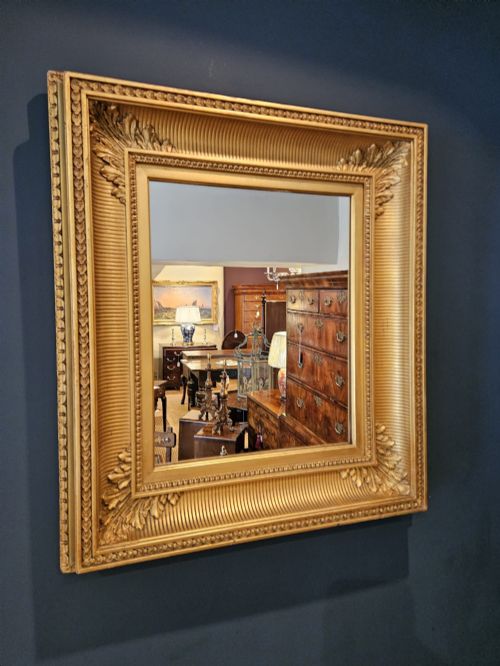
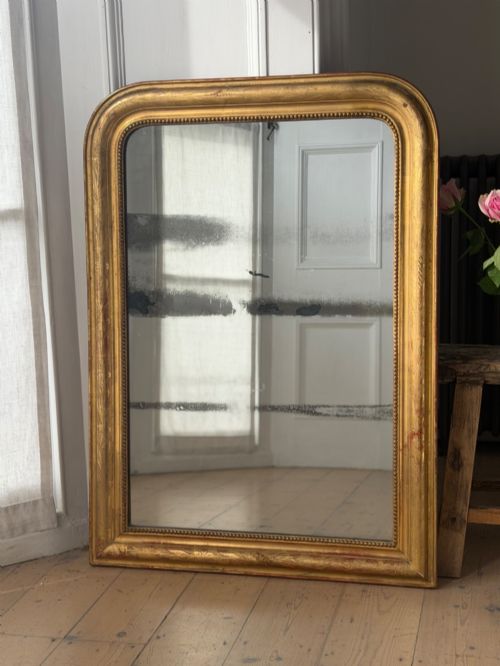
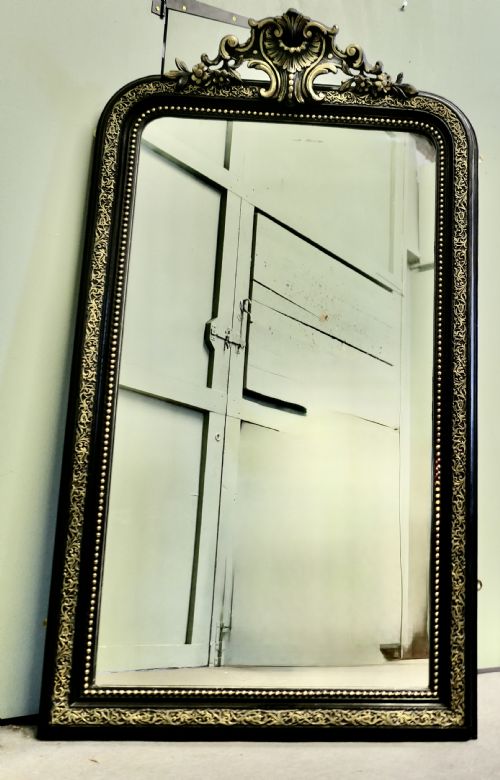
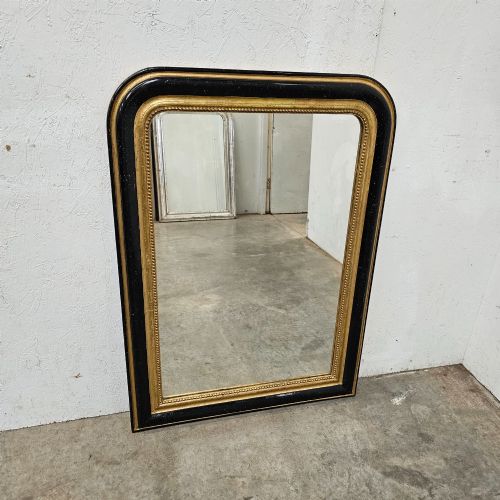
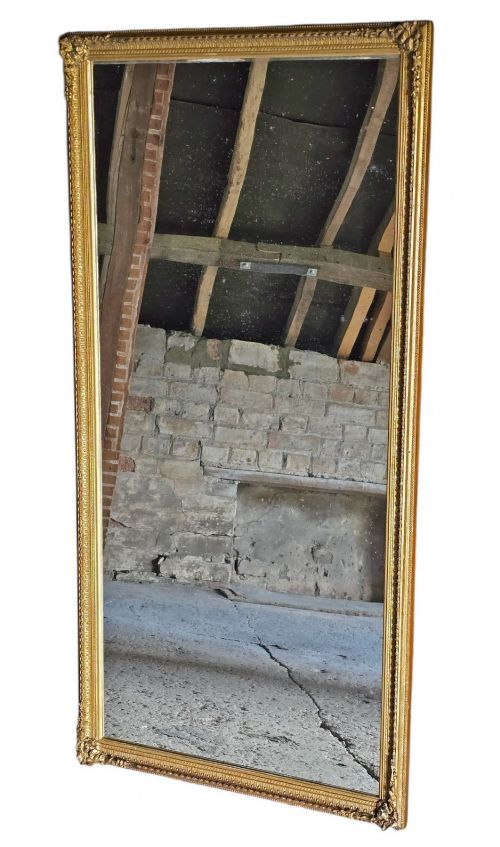
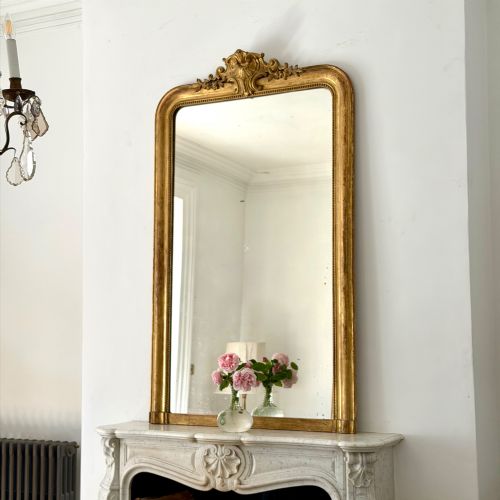
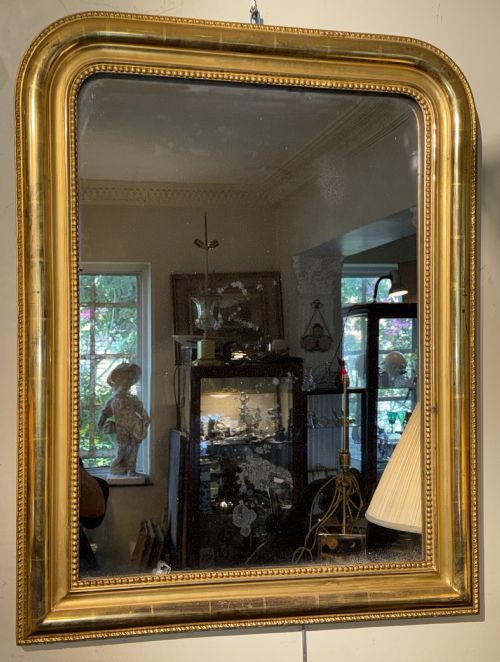
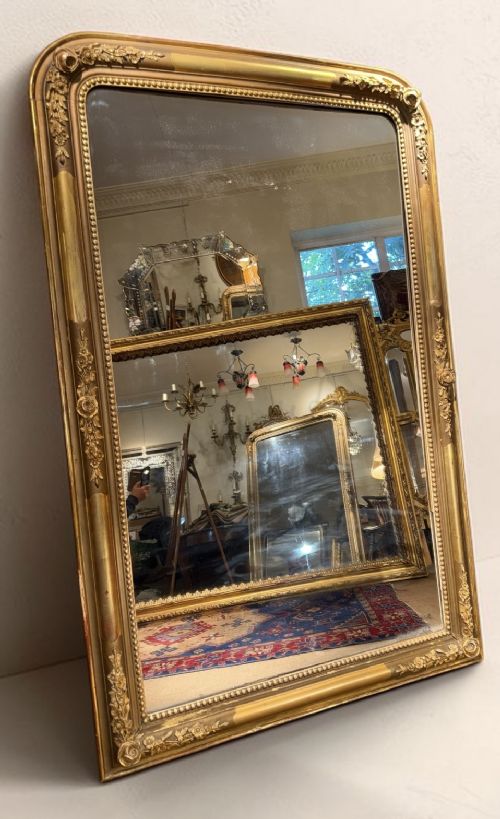
A gold beaded frame mirror brings warmth and reflective depth to a room, drawing the eye with its detailed perimeter.
Gold Beaded Frame Mirror
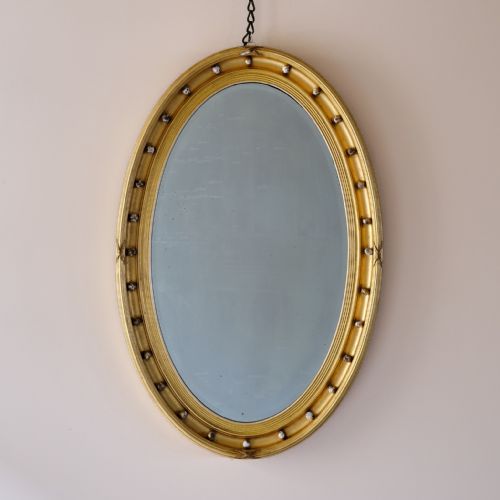
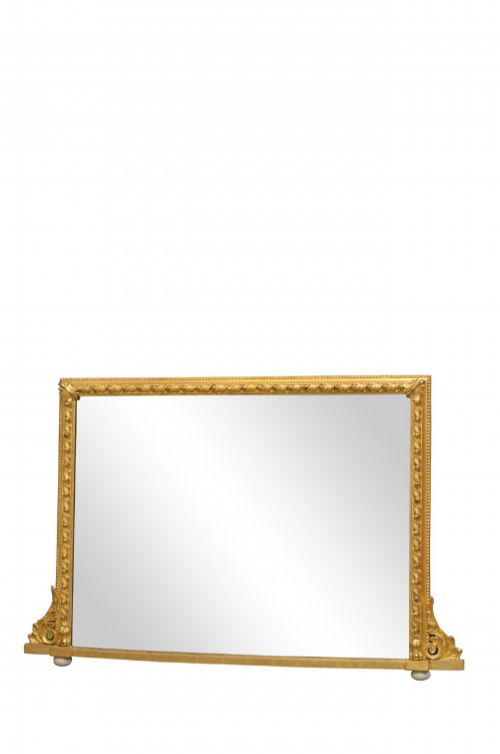
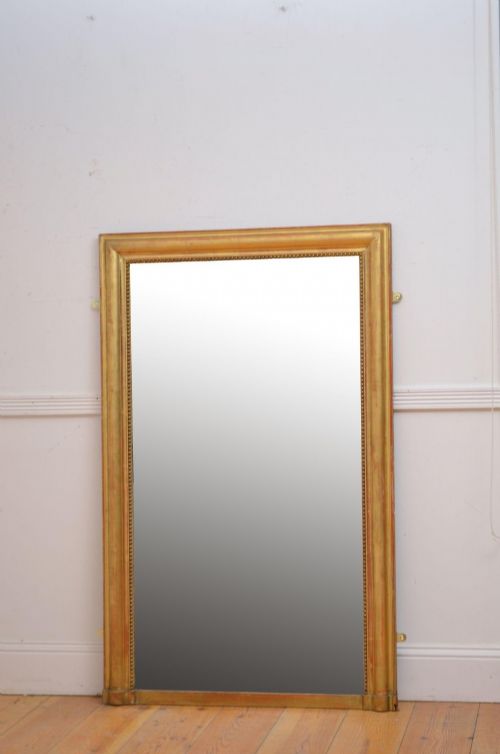
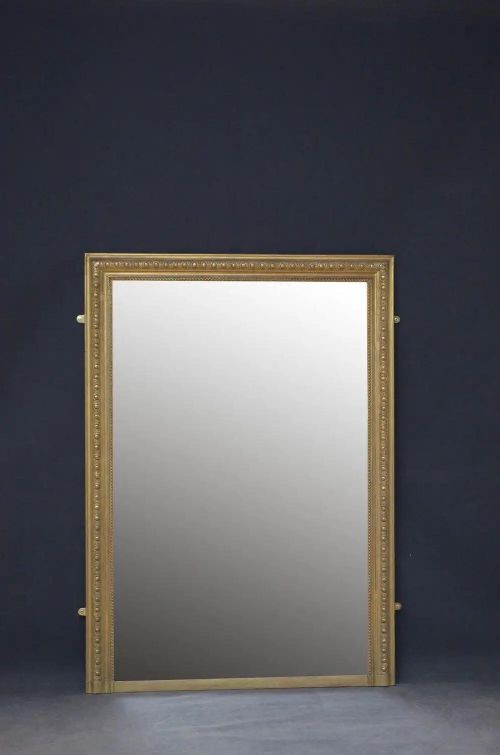
A gold beaded frame mirror is defined by its metallic finish and the small, repeated globular moulding running along the inner or outer edge. These pieces appear frequently in nineteenth-century Victorian and French Louis Philippe formats, spanning wall mirrors, overmantels and floor-length dressing glasses.
The selections on this page draw heavily from the nineteenth century, including specific decades such as eighteen-eighty and eighteen-ninety alongside Edwardian and Georgian examples. Forms range from compact oval wall pieces to grand scale rectangular overmantels designed to sit above a fireplace.
Origin points span English workshops and French ateliers, bringing distinct regional interpretations to the decorative framing. Whether rendered as a large wall mirror or a miniature oval hanging, the core characteristic remains the gilded beaded border.
Materials and construction methods
Carved wood provides the primary structural foundation for many frames, frequently built from timber overlaid with gesso to create smooth surfaces for detailing. Composition ornaments are moulded and applied to the wooden base to form the decorative elements and beaded borders before gilding takes place.
Gold leaf or metallic gilding is applied over the gesso and base layers to impart the characteristic reflective sheen. Mercury glass or early silvered mirror plates are frequently housed within these frames, sometimes showing natural foxing and age spots developed over decades of use.
Some miniature oval mirrors measure barely larger than a hand, offering all the grandeur of a salon piece on a pocket scale.
Assessing quality in frames and glass
Quality reveals itself in the crispness of the carved or moulded wooden ornament and the precision of the individual beads along the frame. Superior examples maintain deep, uniform gilding that adheres cleanly to the gesso without obscuring the underlying relief work.
The integrity of the mirror plate contributes significantly to the piece, with original mercury glass offering a softer, deeper reflection than modern replacements. Construction at the corners and the stability of the backboards indicate the level of joinery skill employed during the period.
The Gold Beaded Frame Mirror Glossary
- Gesso
- A plaster-like mixture applied to wood frames to create a smooth surface for gilding. It is carved or moulded to form decorative motifs.
- Giltwood
- Timber that has been coated with gold leaf or metallic paint. This finish gives the frame its luminous appearance.
- Foxing
- Small dark spots or patches that develop on antique mirror glass over time. This oxidation is caused by chemical reactions within the silvering.
- Overmantel mirror
- A large mirror specifically designed to hang above a fireplace mantelpiece. These pieces often feature wide proportions to match the hearth below.
- Louis Philippe
- A mid-nineteenth century French style characterised by restrained classical proportions and rounded top corners. These mirrors often feature simple, elegant framing.
Gold Beaded Frame Mirror: Frequently Asked Questions
How do I hang a heavy overmantel mirror?
Heavy overmantel mirrors require secure wall fixings attached directly into masonry or substantial wall studs to support the considerable weight of the wood and glass.
Professional mirror hangers often utilise mirror plates screwed into the frame sides or a heavy-duty French cleat system for stability.
Is foxed glass considered a fault?
Foxed glass is generally viewed by collectors as a sign of authenticity rather than a defect, showing the natural ageing of the original mercury backing.
Some buyers prefer pristine replacement glass for clarity, while others seek out the soft, mottled reflection of aged silvering.
How should I clean a gilded frame?
Gilded frames require very gentle dusting with a soft, dry brush to avoid disturbing the fragile gold leaf or composition ornaments.
Water and chemical cleaning agents should be kept away from both the gilt surface and the edges of the mirror plate to prevent damage.
What is the difference between Victorian and Louis Philippe styles?
Victorian mirrors often incorporate ornate decoration such as acanthus leaves, floral embossing and heavier proportions suited to British interiors.
Louis Philippe pieces typically display cleaner lines with gentle curves at the top corners and a more restrained decorative approach.