


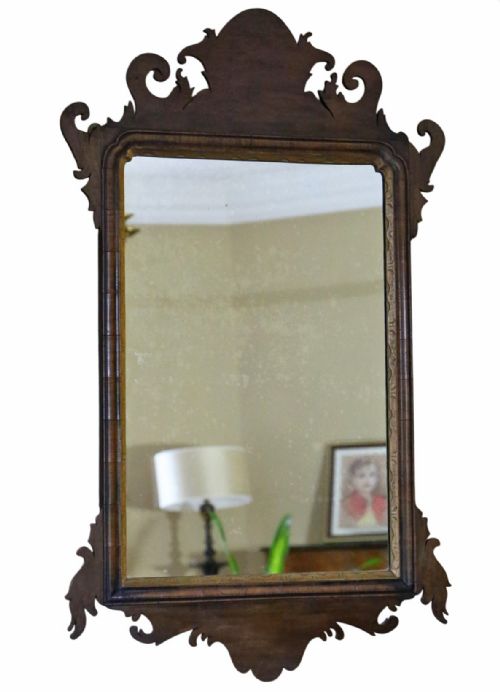


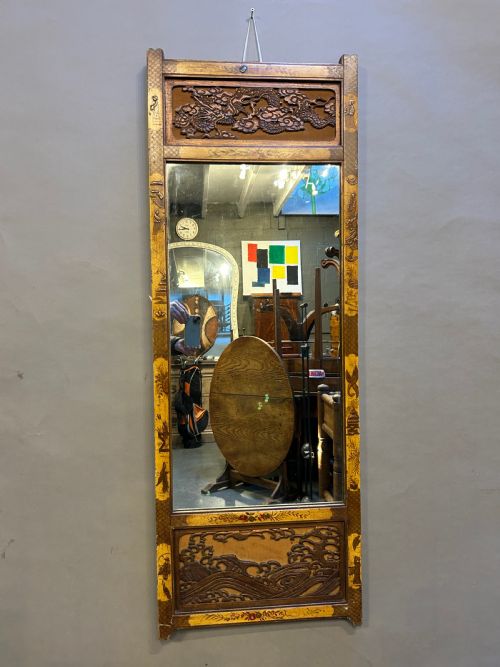

Gilt Framed Hall Mirror
A gilt framed hall mirror brings immediate depth and reflected daylight to an entrance, anchored by centuries of decorative craft.
Gilt Framed Hall Mirror
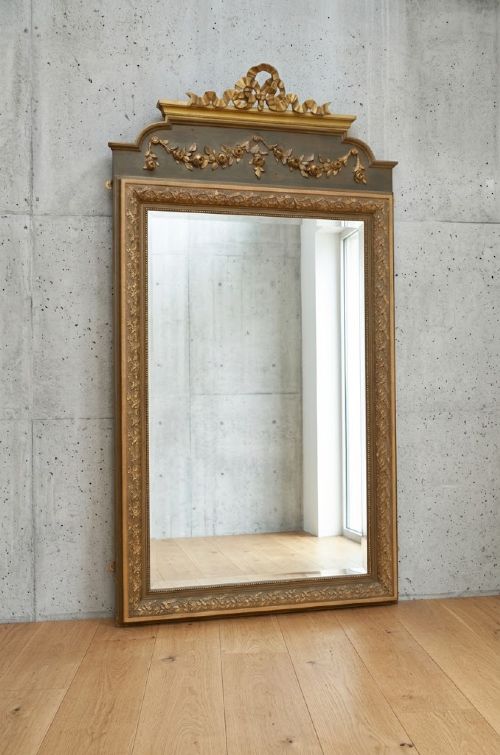
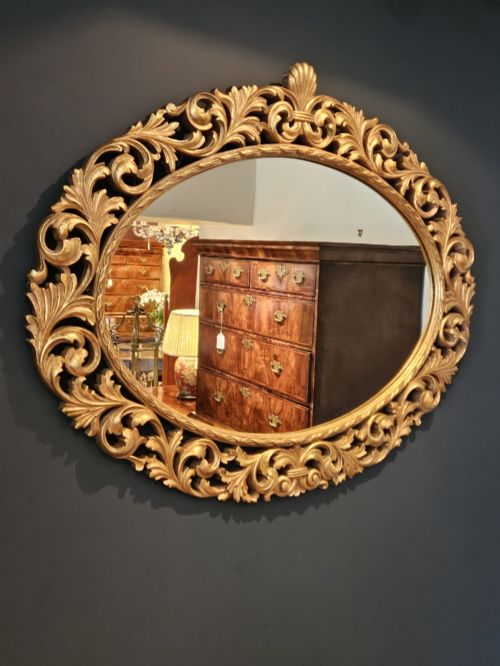
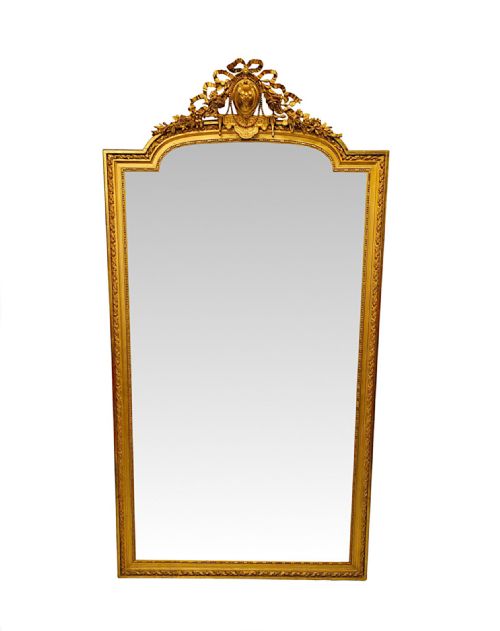
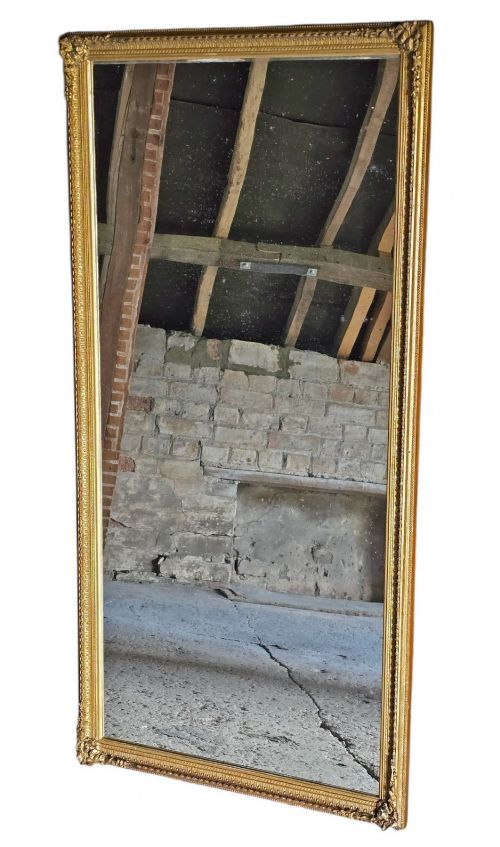
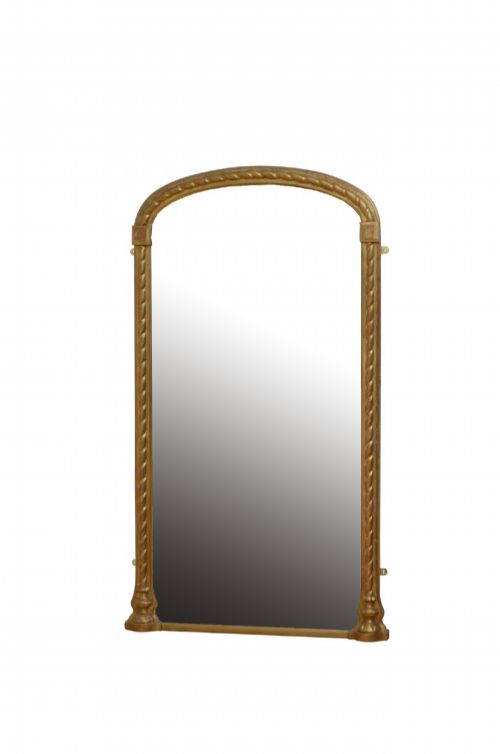
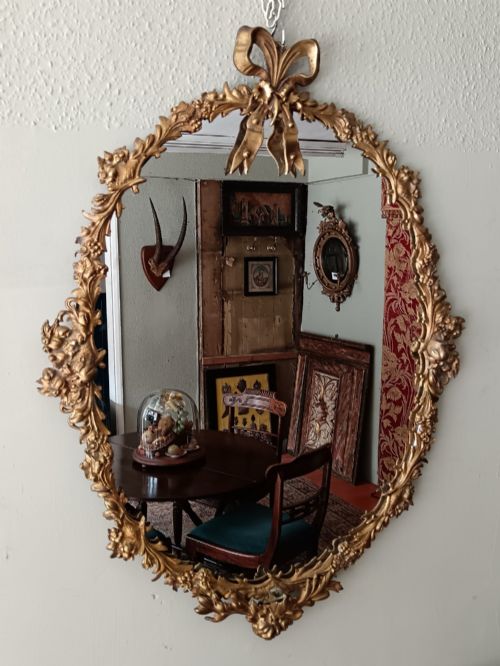
A gilt framed hall mirror is a vertical reflective glass panel set within a decorative wooden or composite surround finished in gold leaf or gold paint, designed specifically for narrow transit spaces like hallways and landings. The selection spans the nineteenth century through the early twentieth century, taking forms such as grand pier mirrors, tall dressing mirrors, and carved oval wall mirrors.
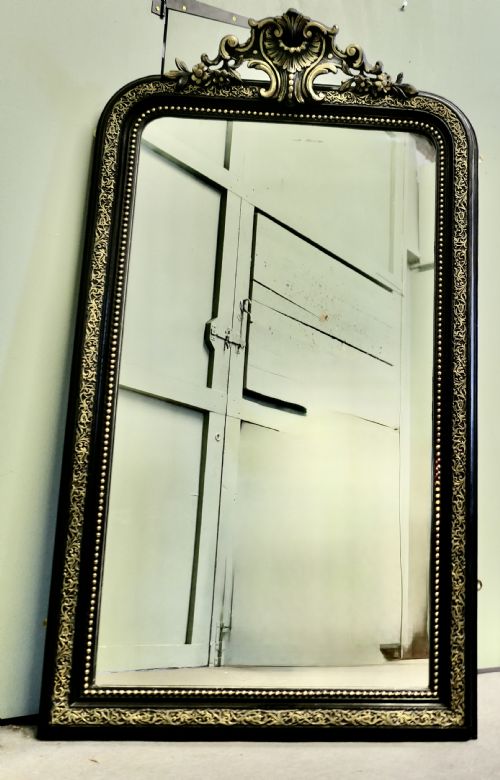
Victorian and nineteenth century pieces dominate the selection, often drawing on earlier neoclassical, baroque, or French rococo revival idioms to create strong architectural presence. Buyers frequently encounter rectangular upright formats alongside substantial ovals and arches built to bounce light down dim corridors.
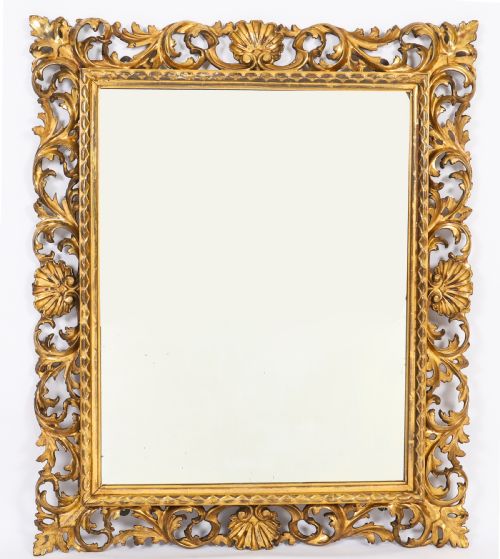
Regional variations appear across English country house styles, Italian giltwood Florentine work, and French Napoleon III or Belle Époque designs. These pieces function simultaneously as utilitarian items for checking one's appearance before leaving the house and as primary focal points for interior decoration.
How they were made
The underlying structure of a gilt framed hall mirror typically relies on carved timber, walnut, oak, or ebonised wood built to support heavy glass panels. Gesso, a plaster-like mixture, is applied over the wood base to form intricate surface reliefs such as rope twists, floral garlands, and ribbon crests before gilding.
Gold leaf or gold paint is laid over the prepared surface, sometimes complemented by parcel-gilt details on ebonised or painted frames. Original mirror glass often exhibits hand-bevelling and slight silvering irregularities unique to period manufacturing methods.
Even narrow corridors receive grand architectural ambition through these tall pier mirrors designed to multiply light.
What varies in quality
The distinction between ordinary and exceptional pieces lies in the depth and crispness of the carved wood and gesso ornamentation. Hand-carved timber framing with sharp, well-defined motifs commands greater appreciation than mass-produced composition ornament.
The integrity of the original gilding and the preservation of authentic period mirror glass, complete with bevels and age patination, elevate a piece above those with later overpainting or modern replacement glass.
The Gilt Framed Hall Mirror Glossary
- Gesso
- A plaster mixture applied to wood frames to create a smooth surface for carving and gilding. It allows for intricate raised details and relief work.
- Giltwood
- Timber that has been coated in gold leaf or gold paint. This technique protects the underlying wood while imparting a rich metallic sheen.
- Pier Mirror
- A tall, narrow mirror designed to hang on the wall space between two windows, known as a pier. They stretch vertical sightlines in confined spaces.
- Overmantel Mirror
- A large horizontal or upright mirror proportioned to sit above a fireplace mantel. Many examples are repurposed as grand hall mirrors.
- Parcel-Gilt
- A finishing method where only specific raised portions of a painted or ebonised wood frame are highlighted with gold leaf.
- Bevelled Glass
- Mirror glass featuring angled, ground edges that catch and refract light. This edge treatment indicates finer period glazing techniques.
Gilt Framed Hall Mirror: Frequently Asked Questions
Where should a gilt framed hall mirror be hung?
These mirrors hang best opposite a light source or window to maximise the reflection of natural daylight into narrow hallways. Their vertical proportions suit placement above a slim console table or directly opposite the main entrance.
Ensure the wall fixings match the substantial weight of carved timber and gesso frames. Professional mirror brackets provide the secure support necessary for heavy antique wall hangings.
How do I care for antique gilt surfaces?
Dust gilt framed surfaces gently with a dry, soft feather duster or a clean microfibre cloth. Avoid applying water, chemical cleaners, or polishes directly onto the gold leaf or gesso relief work.
Keep the mirror away from direct sources of dampness and fluctuating heat to prevent the gesso from cracking. Gentle maintenance preserves the fragile metallic finish for future generations.
Are the mirror plates original?
Many period pieces retain their original glass plates, which often display subtle foxing, minor speckling, and hand-bevelled edges. Some pieces have received replacement glass over the decades to restore clear reflections.
Examining the depth and backing of the glass helps determine its age. Original glass adds historical value and authenticity to nineteenth-century furnishings.
How do I identify a Victorian mirror?
Victorian examples frequently showcase heavier proportions, deep gesso ornamentation, and rich walnut or ebonised wooden frames. Stylistic cues often draw heavily from rococo revival, neoclassical, or Italianate taste popular during the nineteenth century.
Backboards, fixings, and construction methods offer further clues to dating. Comparing the joinery with known period standards confirms the era of manufacture.