

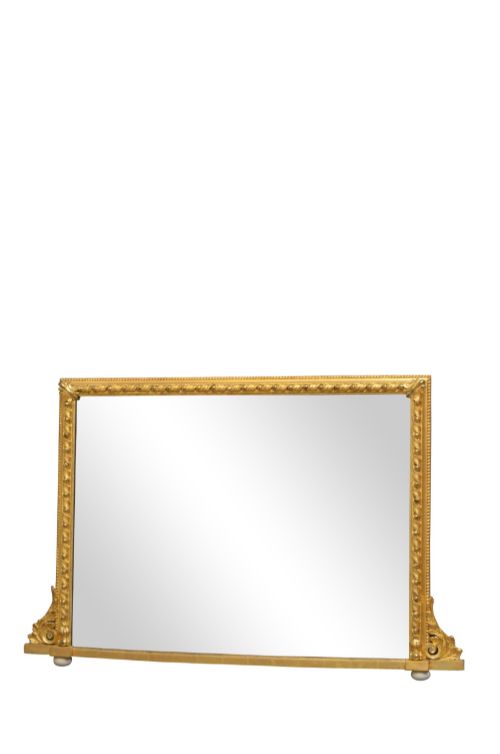
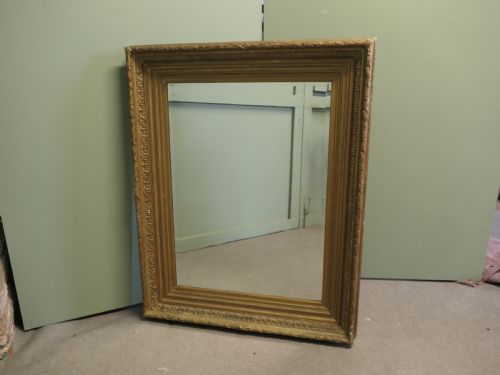

Traditional Gold Frame Mirror
A traditional gold frame mirror brings warmth and depth to a room, drawing the eye with gilded surfaces and period proportions.
Traditional Gold Frame Mirror
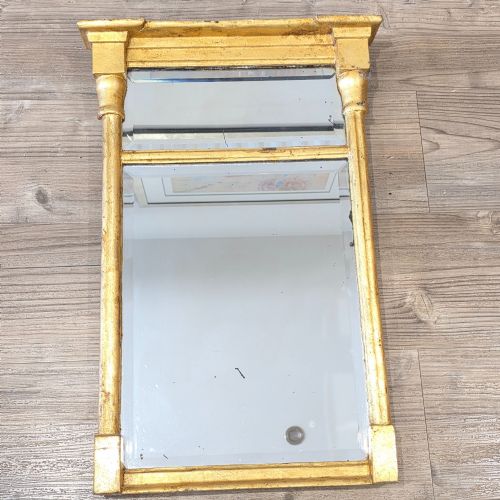
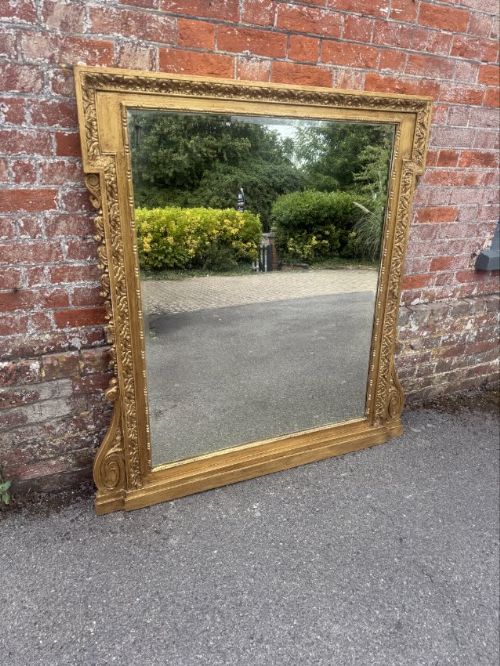
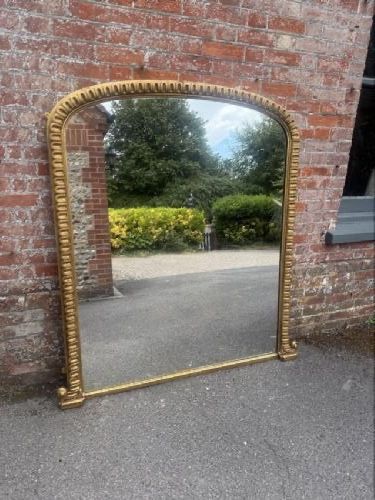
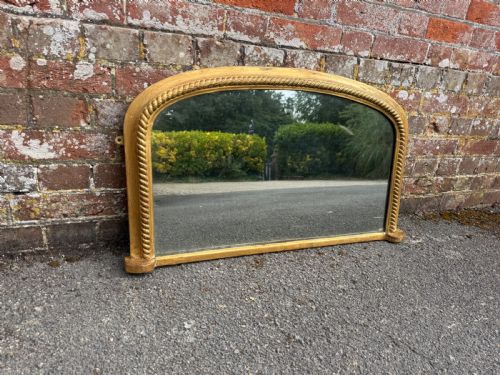
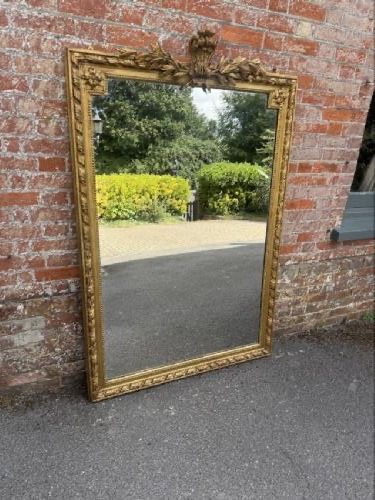
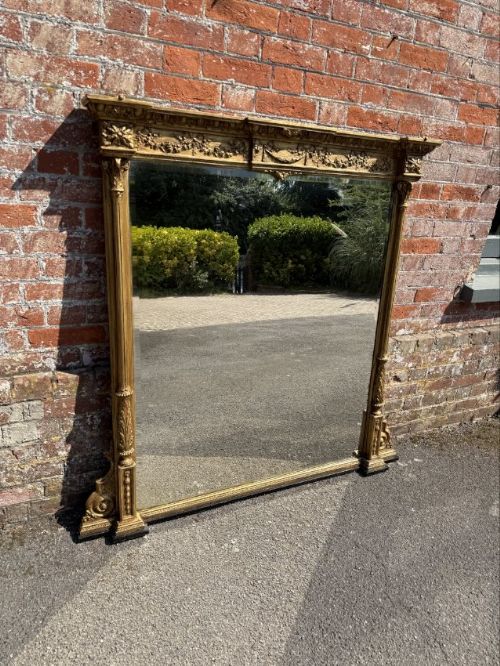
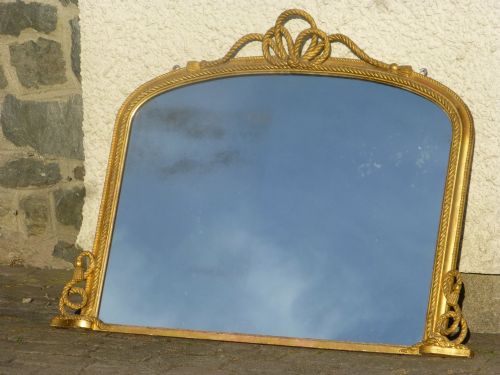
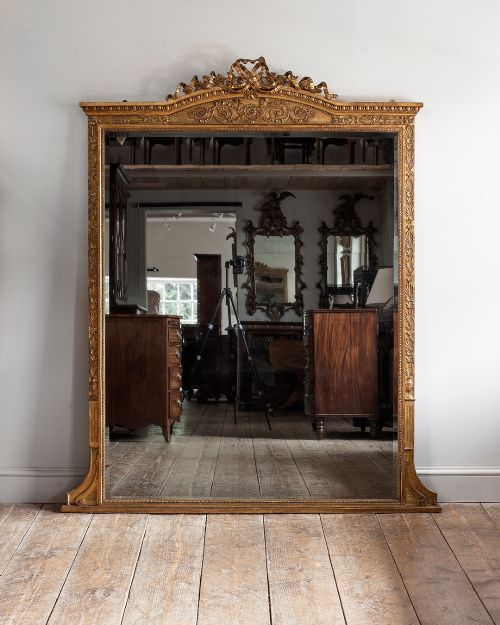
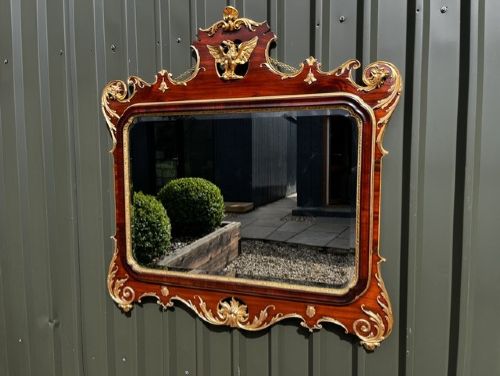
When you search for a traditional gold frame mirror, you encounter pieces designed to reflect light and anchor a room's decorative scheme. The selection centres on nineteenth century examples, particularly Victorian and Regency overmantel mirrors alongside wall and pier mirrors.
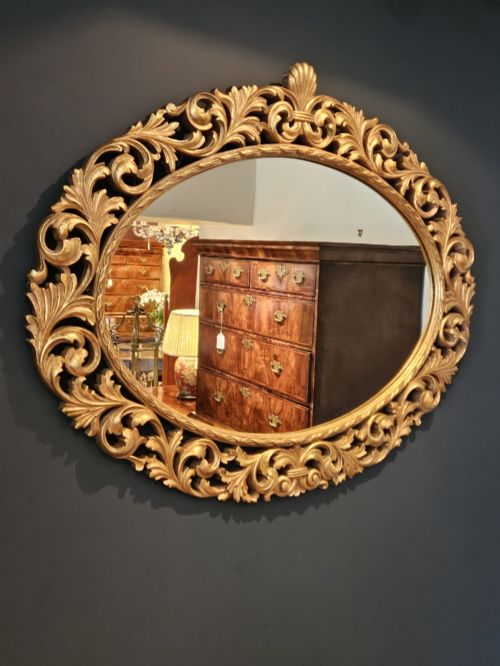
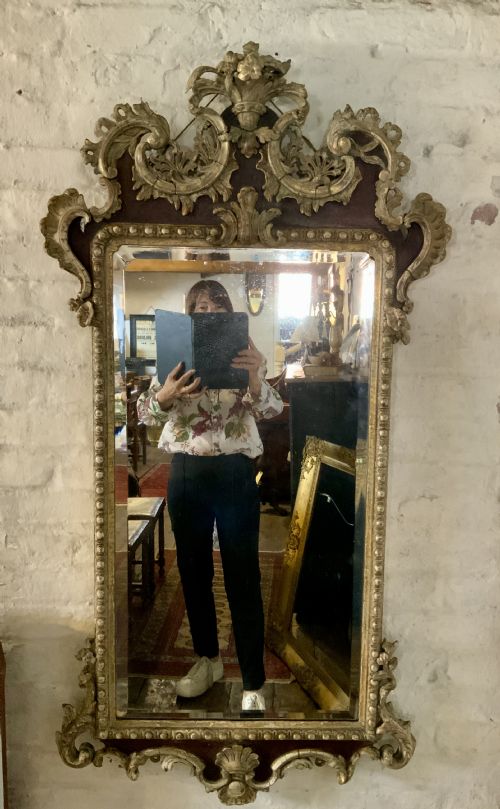
These pieces range from neat rectangular wall formats to large arched overmantels built to sit above a fireplace. Forms encompass restrained architectural mouldings as well as ornate Rococo and French Chateau styles.
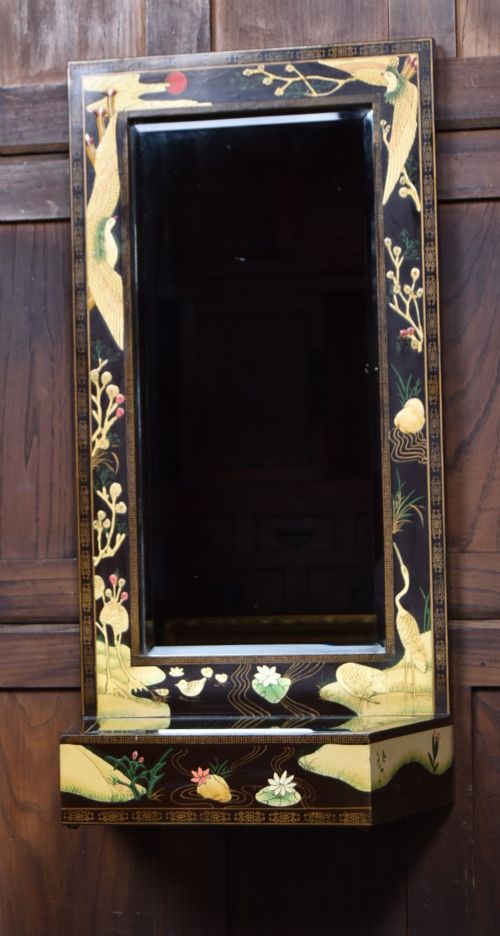
Alongside standard wall mirrors, the category includes related decorative items such as gilt picture frames and reverse glass paintings. Most pieces combine historical utility with substantial proportions suited to period interiors.
How they were made
Makers constructed the structural carcases of these frames from timber or carved wood, providing a stable base for decorative detailing. Gesso was then applied to the wooden foundation to create smooth surfaces and crisp relief mouldings.
Giltwood, gold leaf, and composition ornaments were applied to finish the frames, imparting a bright metallic sheen. Many retain mirror glass showing original characteristics such as foxing and age spots.
Traditional Gold Frame Mirror Retail Price Guide 2026
Typical asking prices for traditional gold frame mirror among the pieces listed under this phrase on Sellingantiques today, from the lower quarter to the upper quarter. They describe what is for sale here now, not the wider market.
Listings feature nineteenth century pieces spanning Victorian and Regency periods, utilising carved wood, gesso, and gold leaf.
What varies in quality
The depth and clarity of the hand-carved wood elements distinguish finer frames from simpler moulded versions. Superior examples display precise execution in their gesso enrichment and classical motifs.
The survival of original gilt surfaces and untouched mirror glass significantly affects the character of a piece. Finer mirrors maintain integrity in their structural joinery and original backing materials.
The Traditional Gold Frame Mirror Glossary
- Overmantel mirror
- A large horizontal mirror designed to hang on the wall directly above a fireplace mantelpiece. These often feature arched tops to fit specific architectural spaces.
- Gesso
- A plaster-like mixture applied to wood frames to create a smooth surface for gilding and low-relief carving. It allows crisp detail in decorative mouldings.
- Giltwood
- Timber that has been coated with gold leaf or metallic powder applied over a prepared base. It provides a durable and reflective golden finish.
- Foxing
- Age-related spots and discoloration within the silvering of antique mirror glass. This chemical oxidation creates a mottled, atmospheric reflection.
- Pier mirror
- A tall, narrow mirror traditionally hung on the solid pier of wall space between two windows. They often sat above small console tables.
Traditional Gold Frame Mirror: Frequently Asked Questions
Where should I hang an overmantel mirror?
These large mirrors traditionally hang on the chimney breast above a fireplace to reflect room light and anchor the hearth.
Ensure the wall fixings match the substantial weight of timber and gesso frames.
How do I clean an antique gilt frame?
Dust the carved surfaces gently with a soft, dry brush to prevent damage to delicate gesso and gold leaf.
Avoid using water, liquid cleaners, or abrasive cloths on antique gilding.
What is foxed mirror glass?
Foxing refers to the natural dark spots and speckles that develop in the reflective backing over decades.
Many collectors value original foxed glass for the authentic age it imparts to nineteenth century pieces.
How do I identify a Regency mirror?
Regency frames often display classical architectural details, rope twists, and restrained neoclassical motifs.
They date from the early nineteenth century and frequently use giltwood construction.
Can these heavy mirrors hang safely?
Large nineteenth century frames require heavy-duty wall anchors and professional installation into solid masonry or stud work.
Check the structural stability of the timber frame and hanging loops before mounting.