


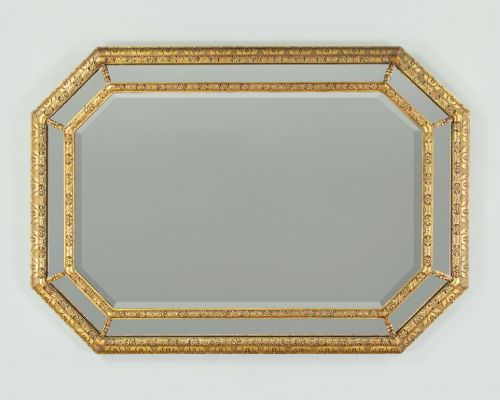


Bevelled Giltwood Mirror
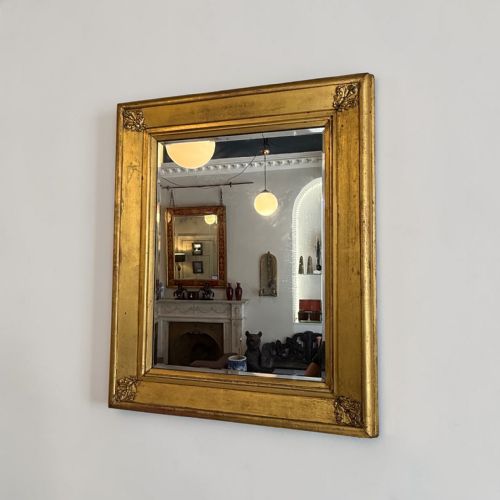
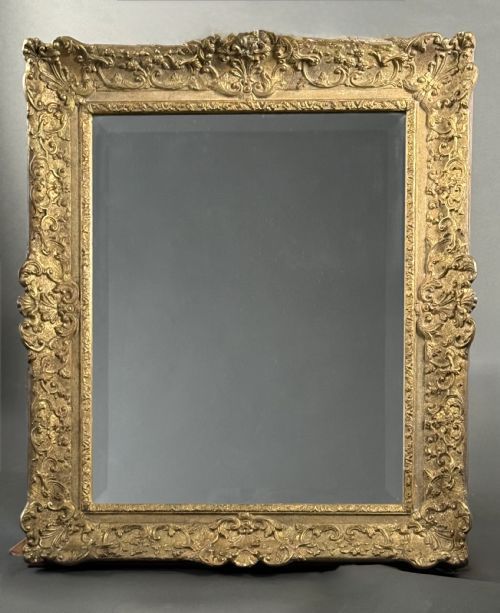
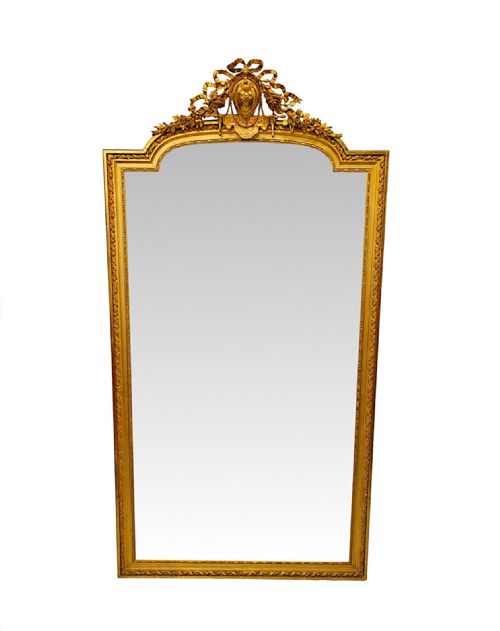
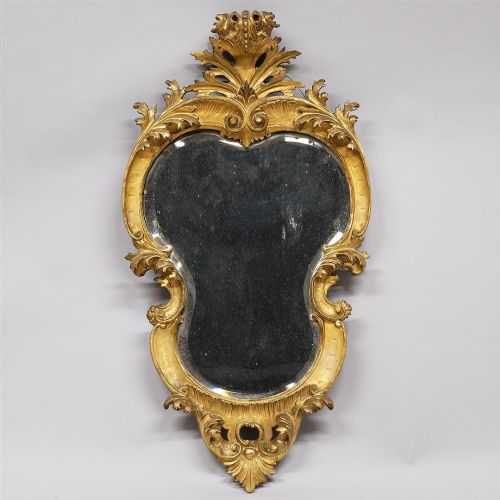
A bevelled giltwood mirror brings warmth and reflecting light to a room through gilded wooden frames and angled glass plates.
Bevelled Giltwood Mirror
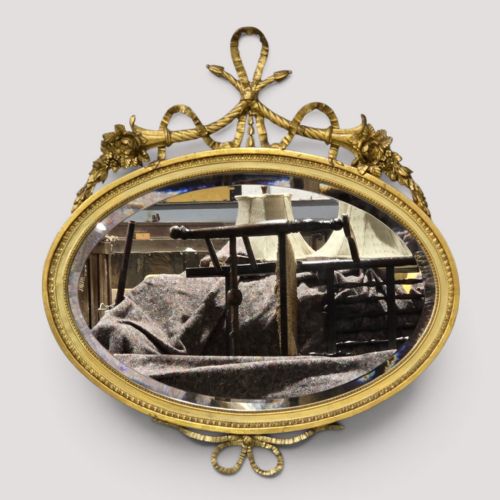
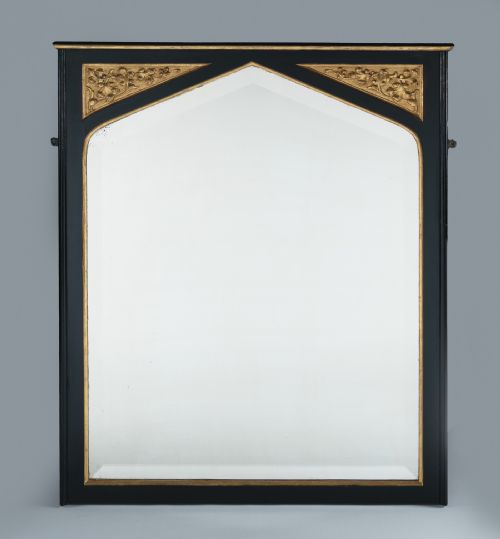
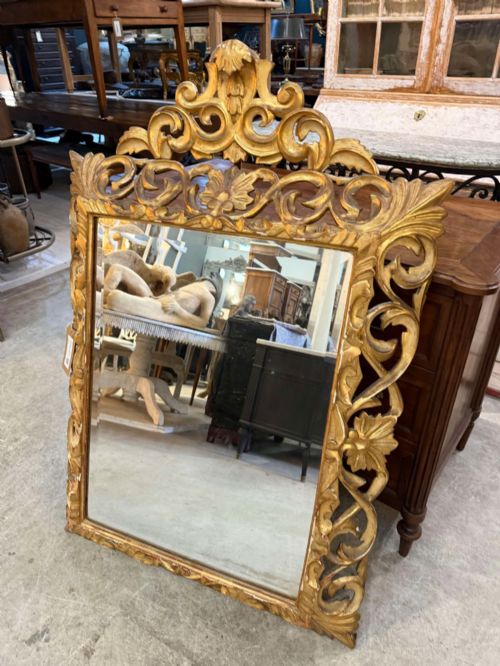
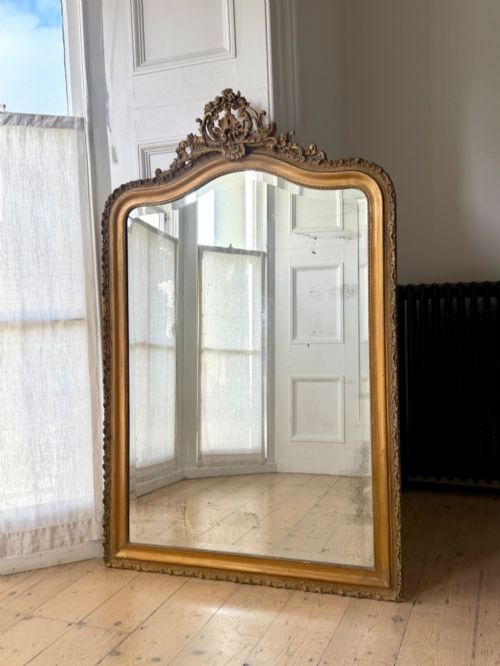
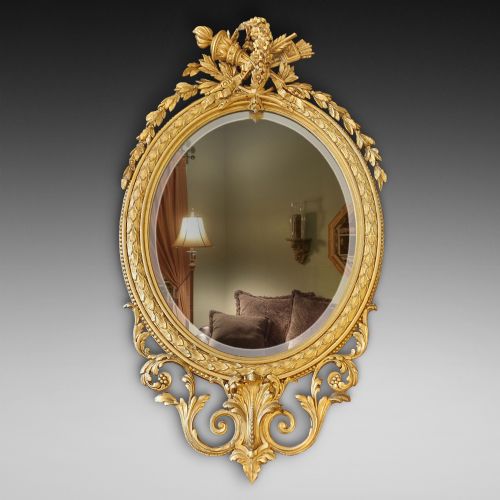
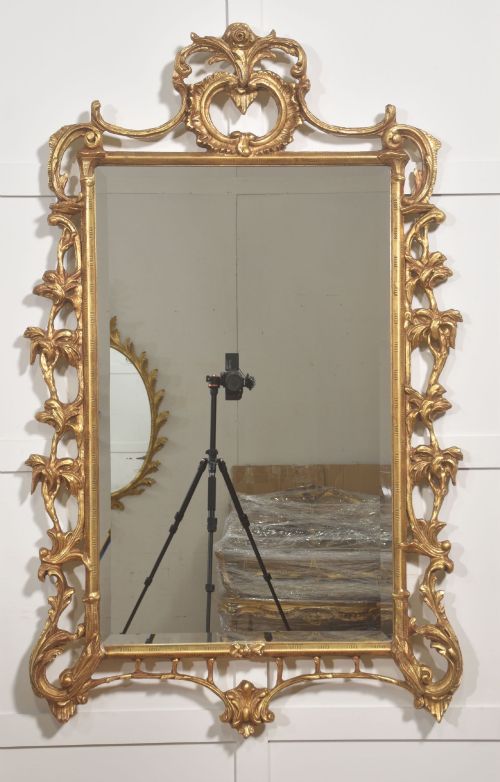
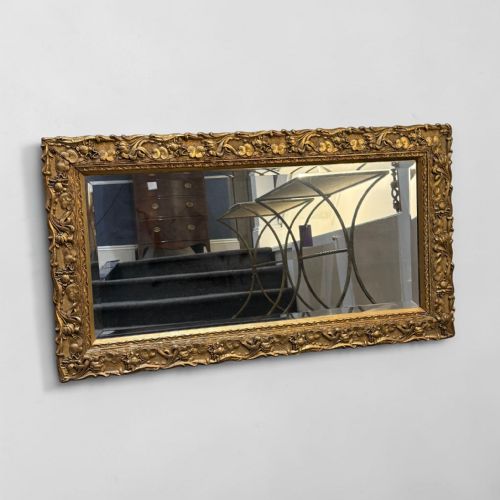
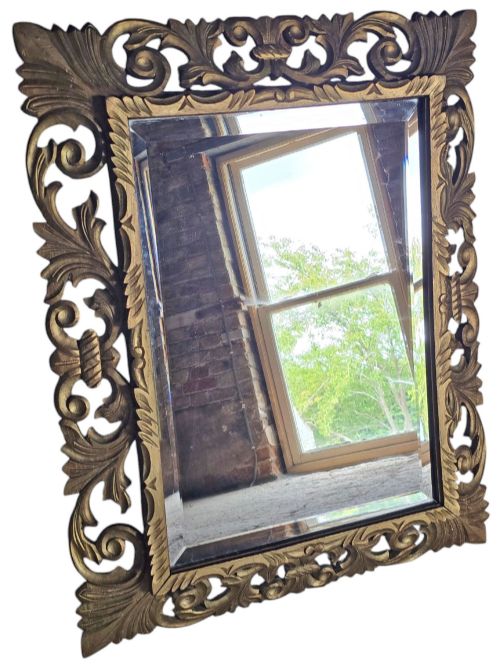
When you search for a bevelled giltwood mirror, you enter a field dominated by nineteenth-century and Victorian interpretations of earlier decorative idioms. The examples you encounter on this page range from grand French overmantles and Italian Florentine carvings to simpler oval wall hangings.
Most pieces date from the Victorian era and the broader nineteenth century, utilising styles that draw on Georgian, Regency, and Rococo traditions. You find them taking various forms, including tall dressing mirrors, pier glasses designed for narrow wall spaces, and expansive overmantles intended for chimney breasts.
How they were made
Carved timber forms the foundational structure of these frames, overlaid with layers of gesso to build up intricate relief decoration before gilding with gold leaf or metal leaf. The visible gold surface often relies on composition ornament pressed into moulds and applied to wooden mouldings.
Mirror plates are typically thick glass with hand-bevelled edges that catch the light at oblique angles. Some older plates retain mercury backing or show the slight distortions characteristic of nineteenth-century glass production.
Bevelled Giltwood Mirror Retail Price Guide 2026
Typical asking prices for bevelled giltwood mirror among the pieces listed under this phrase on Sellingantiques today, from the lower quarter to the upper quarter. They describe what is for sale here now, not the wider market.
Early glass plates occasionally preserve the faint reflections of long-gone Victorian drawing rooms within their silvered depths.
What varies in quality
The distinction between standard decorative pieces and finer examples lies in the crispness of the carved detail and the depth of the gesso relief beneath the gilding. Hand-carved wooden elements display an organic precision that moulded composition ornament cannot replicate.
Originality of components dictates the standing of a piece within its period, particularly where mirror plates, backboards, and mercury glass remain undisturbed in their original frames. The treatment of the gilding itself, whether retaining original burnished gold leaf or showing later overpainting, marks the division between well-preserved survivals and heavily restored items.
John Belchier
The Bevelled Giltwood Mirror Glossary
- Giltwood
- Wood that has been coated with gold leaf or metal leaf. This forms the luminous golden surface characteristic of these frames.
- Gesso
- A plaster mixture applied to wood to create a smooth surface for carving and gilding. Artisans build up heavy relief ornaments using this paste.
- Bevelled glass
- A mirror plate with edges ground and polished at an angle. This technique creates a prismatic border that refracts light.
- Pier glass
- A tall, narrow mirror designed to hang on the wall space between windows. These pieces often sit above small console tables.
- Overmantle
- A large horizontal mirror made to hang above a fireplace mantelpiece. They dominate the wall space and amplify room light.
- Cartouche
- An ornamental tablet or panel resembling a scroll, frequently seen in Rococo Revival frames. This decorative motif frames crests and central focal points.
Bevelled Giltwood Mirror: Frequently Asked Questions
How do I hang a heavy giltwood mirror?
Large overmantle and wall mirrors require secure fixings into structural wall studs or masonry using substantial brackets. The weight of the timber and gesso frame demands professional wall anchors to ensure safe suspension.
Position the mirror at a height that reflects eye level or catches light from an opposing window to maximise its brightness in the room.
Are these mirror plates original?
Many nineteenth-century frames retain their original glass plates, which often display subtle imperfections, minor foxing, or bevelled edges shaped by hand. Older mercury glass exhibits a characteristic dark, mottled backing rather than modern silvering.
Examining the fixings at the back of the frame helps determine whether the glass has remained undisturbed since its manufacture.
How do I identify the period of the mirror?
Dating relies on stylistic clues such as the sweeping asymmetry of Rococo Revival work or the restrained symmetry associated with Georgian and Regency designs. Construction methods, including hand-cut screws, timber types like walnut or pine, and the composition of the gesso, provide further chronological markers.
Comparing the decorative motifs against documented furniture styles helps narrow down the decade of production.