

18th Century Pier Glass
An 18th century pier glass brings historical scale and reflective light to a room, hung traditionally between windows.
18th Century Pier Glass
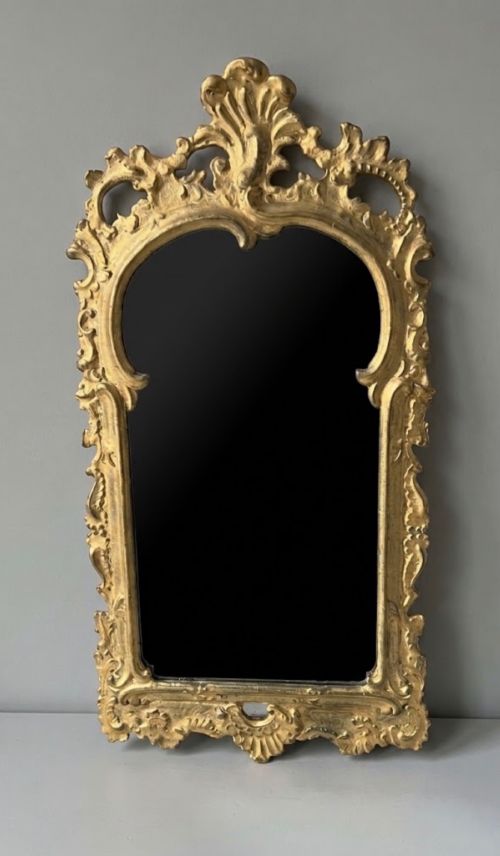
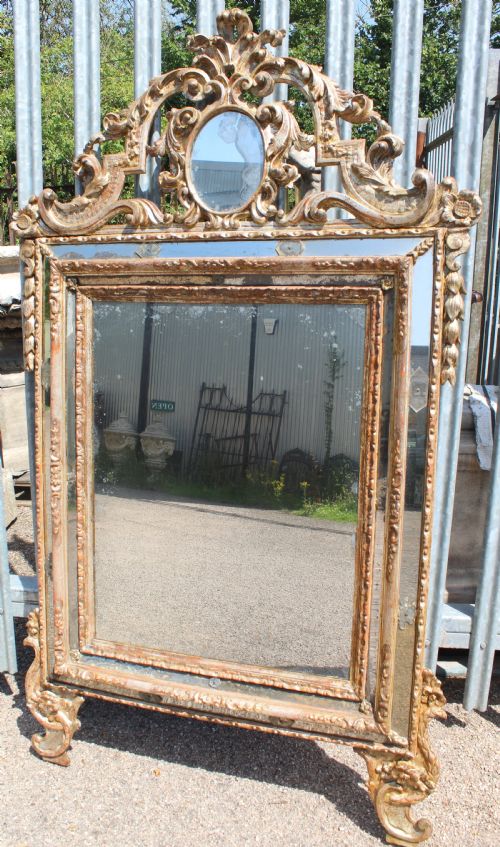
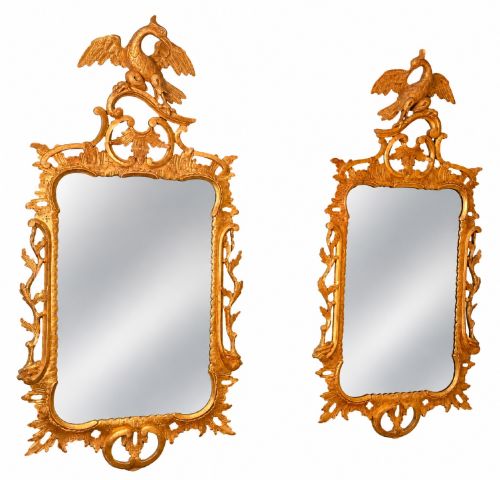
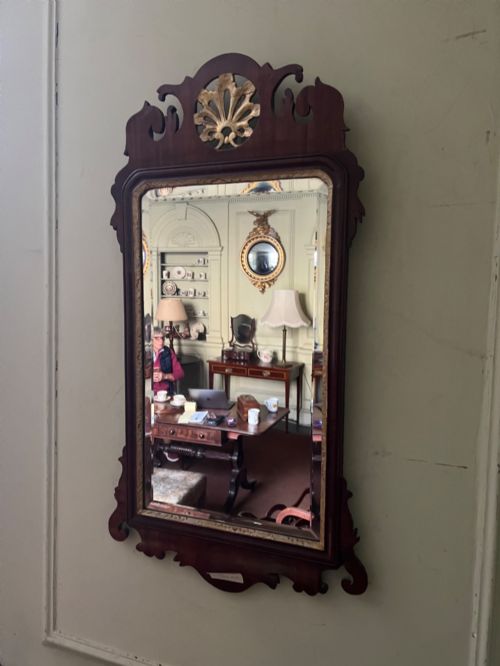
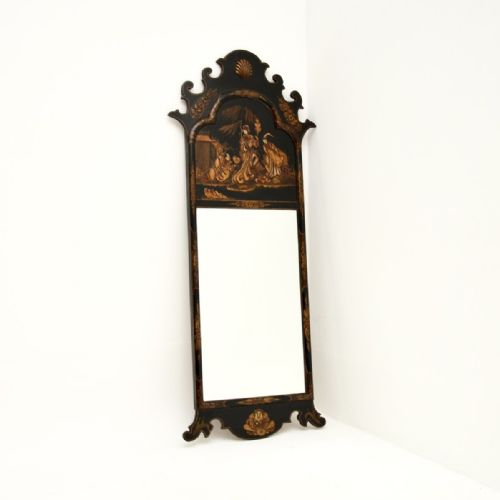
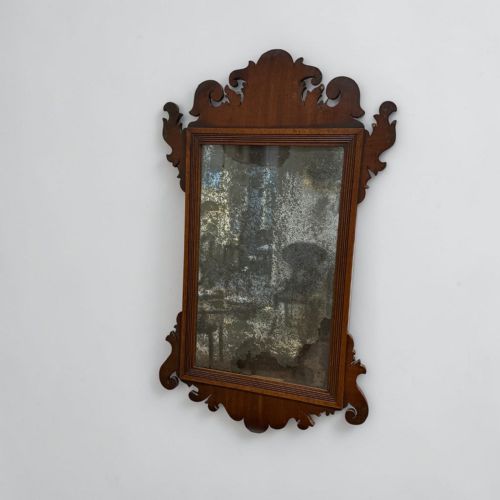
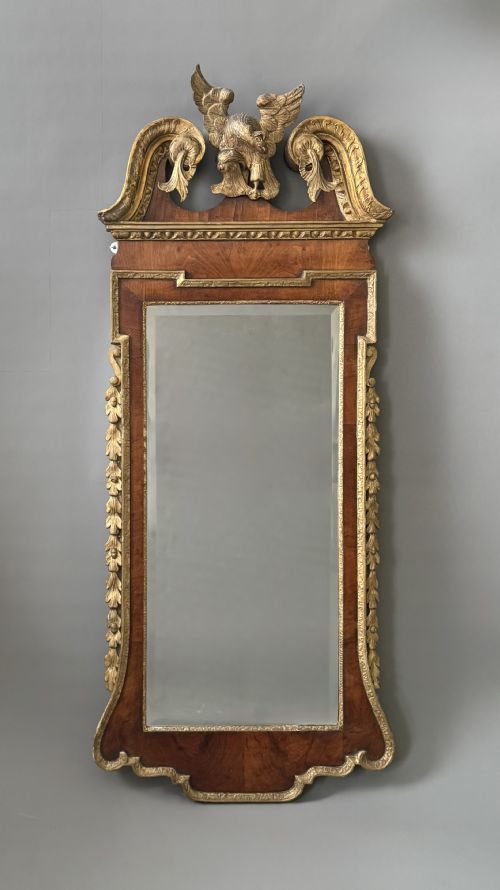
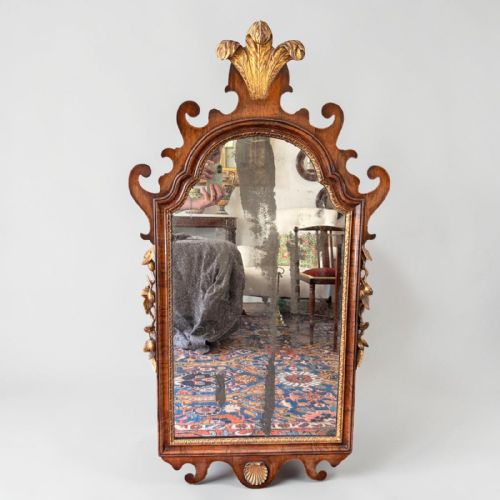
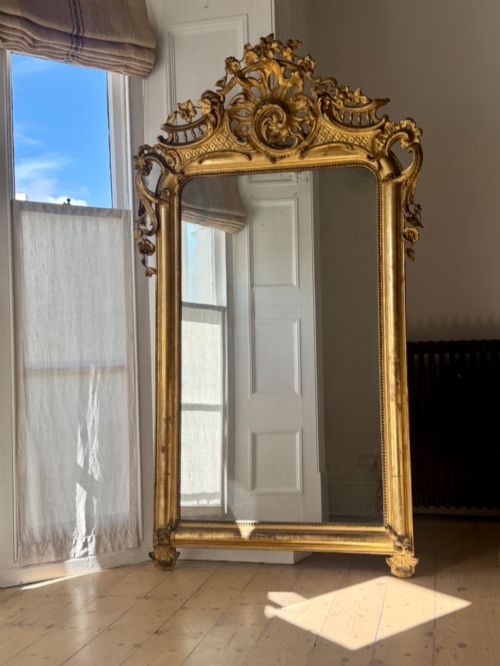
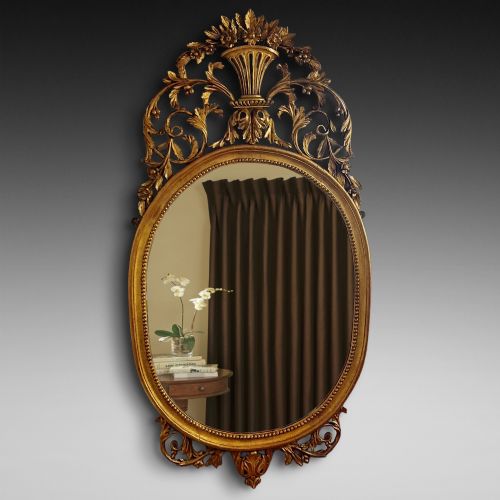
An 18th century pier glass is a tall wall mirror designed originally to hang on the narrow expanse of wall between two windows. These pieces reflect natural light back into panelled rooms and reception spaces.
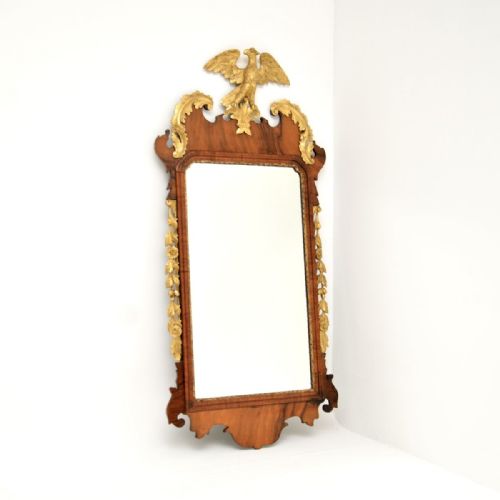
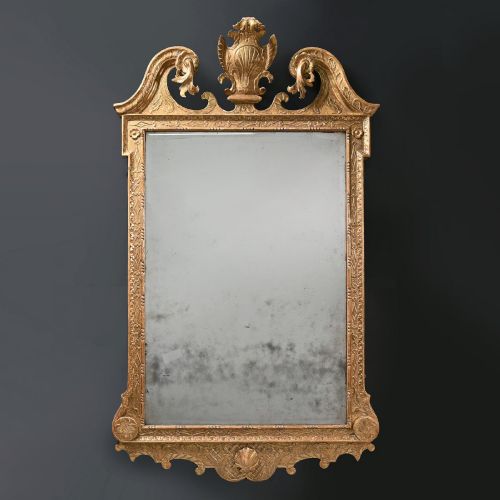
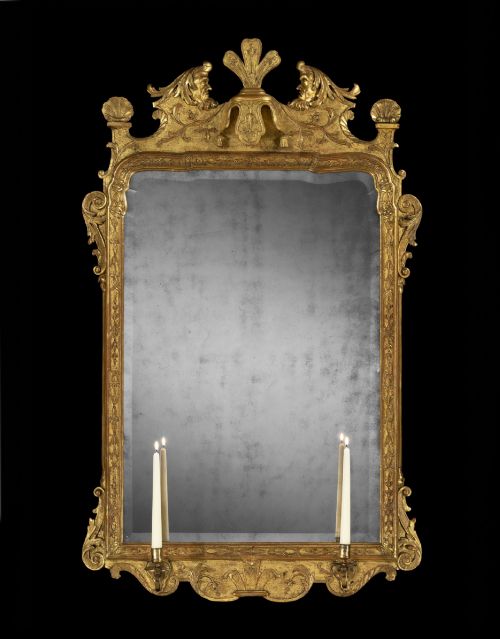
The selections available here range from George I walnut and parcel gilt frames to carved George III giltwood and neoclassical forms. Examples span English, French and Italian origins.
Wall mirrors and pier mirrors form the primary group of objects on this page, appearing in both vertical formats and horizontal wall configurations.
Materials and construction
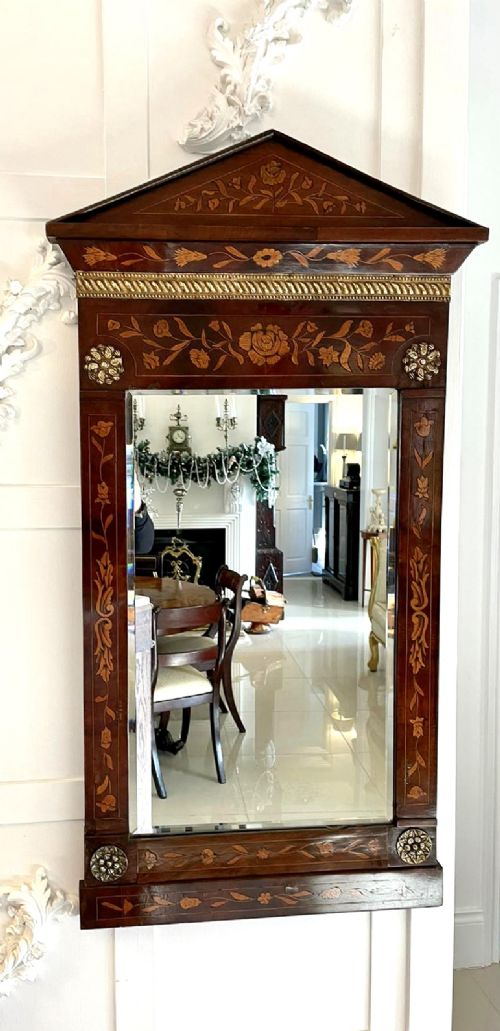
Carpenters constructed the structural frames using native and imported timbers, primarily walnut and mahogany, often enhanced with burr veneers and intricate fretwork. Carved details and architectural mouldings relied on shaped wood substrates.
Giltwood and gesso finishes required layers of plaster applied to wood bases before receiving gold leaf. Mercury glass plates, characteristic of the period, provide the reflective surface.
18th Century Pier Glass Retail Price Guide 2026
Typical asking prices for 18th century pier glass among the pieces listed under this phrase on Sellingantiques today, from the lower quarter to the upper quarter. They describe what is for sale here now, not the wider market.
Periods represented span from the 17th century through the Georgian era to later revivals.
Distinctions in quality
The definition and depth of hand-carved gesso and giltwood ornament separate standard frames from superior examples. Crisp execution in the acanthus leaves, scrollwork and architectural pediments indicates skilled workshops.
The preservation of the original mercury glass plate and its integration with the timber frame determine the integrity of the piece. Consistency between the period of the mirror plate and the wooden structure anchors the value.
The 18th Century Pier Glass Glossary
- Pier glass
- A tall mirror designed to hang on the pier of wall between two windows. They often sat above small console tables.
- Gesso
- A plaster mixture applied to wood frames to provide a smooth surface for gilding. Carvers cut fine details directly into this hardened layer.
- Mercury glass
- A silvering technique utilising a tin and mercury amalgam poured behind glass plates. This process produces a characteristic mottled reflection.
- Parcel gilt
- A decorative finish where selected portions of a wood frame receive gold leaf while the underlying timber remains visible.
- Fretwork
- Openwork patterns cut from thin boards using a fretsaw. This technique defined many mahogany wall mirrors.
18th Century Pier Glass: Frequently Asked Questions
Where should I hang a pier glass?
Historically, a pier glass hung on the narrow wall space between two windows to amplify daylight. Today, they function effectively above fireplaces, console tables or in entrance hallways.
Ensure the wall construction supports the considerable weight of a timber and glass frame.
How do I identify a George II mirror?
George II mirrors often feature architectural Palladian pediments, heavy carved gesso ornamentation, and rich walnut timbers. Look for symmetry, egg-and-dart mouldings, and gilded enrichment on walnut frames.
These elements reflect the classical influence prevalent during the mid-eighteenth century.
What is mercury glass?
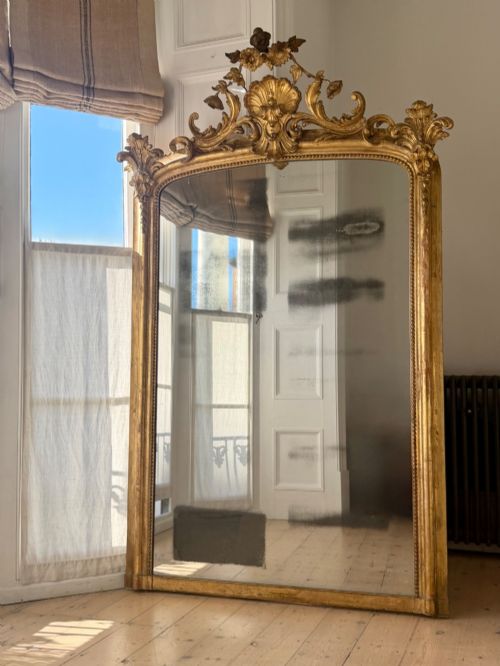
Mercury glass refers to mirror plates produced by applying a tin and mercury amalgam to the back of sheet glass. This creates a deep, slightly uneven reflection quite distinct from modern silvered glass.
Foxing, or dark spots within the glass, develops naturally as the amalgam ages over centuries.
How do Chippendale mirrors differ from earlier styles?
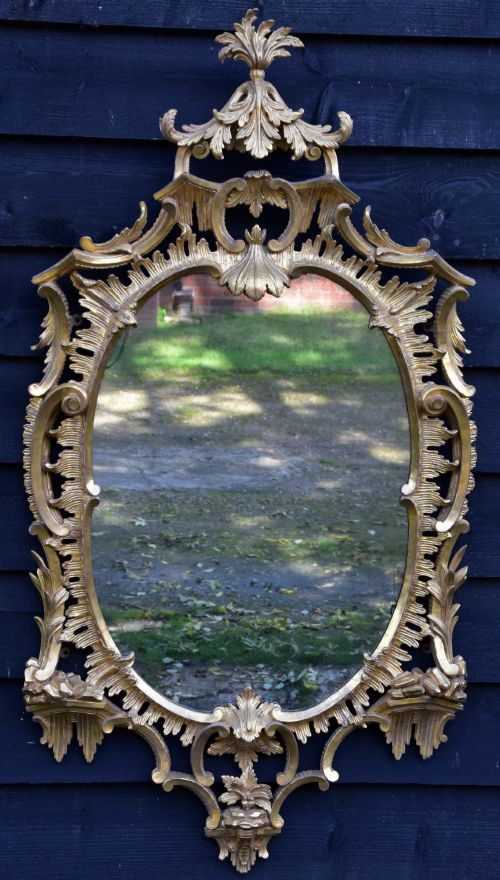
Chippendale mirrors introduce asymmetrical rococo scrolls, naturalistic foliage, and fretwork inspired by Chinese and Gothic motifs. Carved mahogany and giltwood replace the heavier architectural symmetry of the early Georgian period.
Lighter frames and intricate fret-cut silhouettes distinguish these pieces.