




Antique Plaster Gilt Mirror
An antique plaster gilt mirror brings immediate warmth and historical depth to a room through its brilliant surface and ornate framing.
Antique Plaster Gilt Mirror
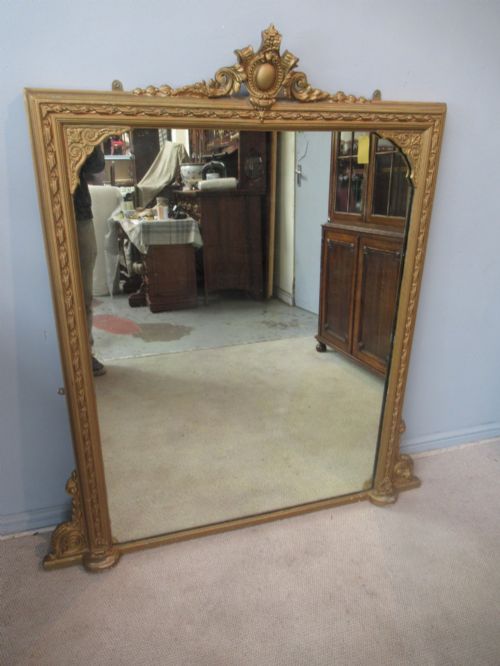
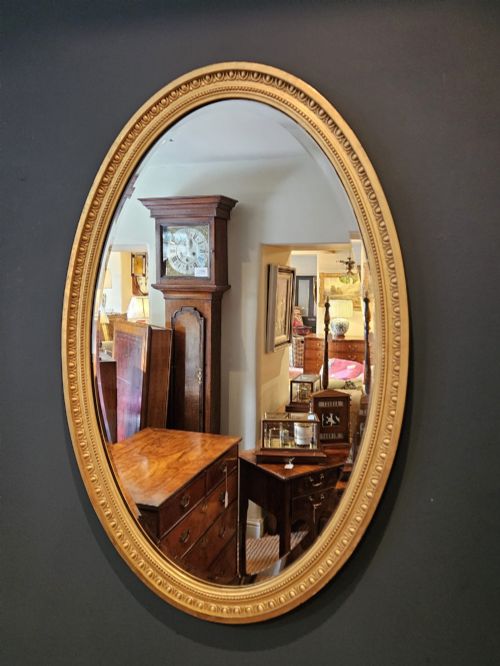
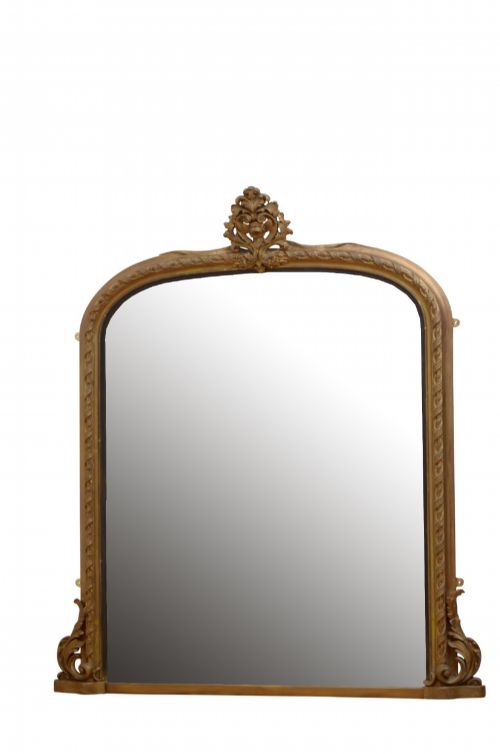
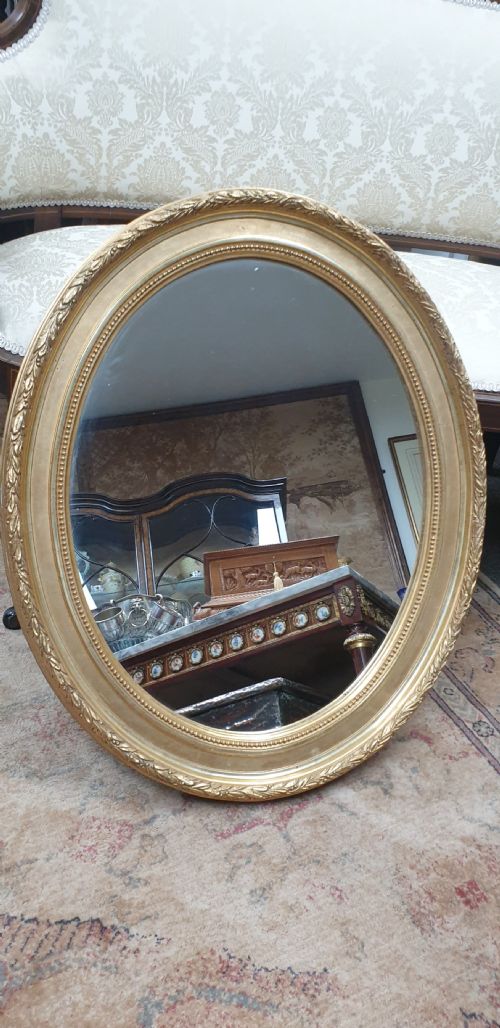
When you search for an antique plaster gilt mirror, you encounter pieces that function both as practical looking glasses and grand decorative statements. These objects primarily take the form of wall mirrors and substantial overmantels designed to anchor a principal room.
The versions you meet most frequently on this page date from the nineteenth century and the Victorian era, spanning French chateau influences to ornate Rococo Revival and Neoclassical styles. They appear in varied formats, from sweeping arched frames and grand rectangular overmantels to intimate oval shapes and convex designs.
Makers and artisans utilised traditional construction methods involving timber frames built up with moulded plaster, gesso, and applied gold leaf or composition. These pieces frequently show the graceful curves of French taste alongside the heavier, statement proportions favoured in Victorian interiors.
Materials and construction methods
Makers constructed the foundational structure using sturdy wood and timber before applying layers of plaster or gesso to build up intricate relief decoration. This combination allowed artisans to carve and shape complex botanical motifs, scrolls, and classical details directly onto the frame.
Surface brilliance came from the careful application of gold leaf or composition metal over the prepared plaster base. Glaziers then set mirror glass within the completed frame, often retaining desirable signs of age such as foxing and spotting on the reflective surface.
Materials documented across the pieces include glass, gesso, giltwood, composition, gold leaf, wood, and plaster.
Assessing quality in gilt mirrors
Quality reveals itself in the crispness and depth of the moulded plaster or gesso ornament. Superior examples display sharply defined foliage and scrolls that retain their sculptural integrity beneath the gilding.
The calibre of the surface finish further distinguishes the upper tier of pieces. Expert application of gold leaf produces a warmer, more resilient luminescence compared to simpler metallic paints or heavy overpainting.
The Antique Plaster Gilt Mirror Glossary
- Gesso
- A plaster-like mixture applied to wooden frames to create a smooth surface for gilding. Artisans use it as a base for building up deep sculptural relief.
- Giltwood
- Timber that has been gilded with gold leaf. This material provides the robust structural core for many grand wall mirrors.
- Composition
- A moulded mixture of whiting, resin, glue, and linseed oil pressed into decorative shapes. It allowed makers to produce complex ornaments more rapidly than direct carving.
- Overmantel mirror
- A large wall glass specifically designed to hang above a fireplace mantelpiece. These pieces often feature wide rectangular or arched formats to fill the chimney breast.
- Convex mirror
- A round glass curved outward to produce a wide-angle, spherical reflection of the room. They frequently feature intricate plaster or gilt surrounds.
- Foxing
- Age-related spots and discoloration within the silvering of antique mirror glass. Collectors prize this natural patination as proof of great age.
Antique Plaster Gilt Mirror: Frequently Asked Questions
How should I clean the gilt frame?
Dust the ornate plaster and gilt surfaces gently with a soft, dry brush to prevent accumulating dirt in the recesses of the moulding.
Avoid using water, chemical sprays, or abrasive cloths, as moisture and harsh cleaning agents can strip the delicate gold leaf and composition ornament.
What is an overmantel mirror?
An overmantel mirror is a large wall-hanging glass specifically proportioned to sit directly above a fireplace opening and fill the vertical space of the chimney breast.
In period interiors, these mirrors served to reflect candlelight and natural daylight around the room while acting as the primary decorative focus.
How can I tell a Victorian mirror from a French one?
Victorian mirrors tend to feature heavier proportions, robust neoclassical architectural lines, and deep overmantel formats designed for substantial British interiors.
French pieces from the same era often display lighter proportions, asymmetrical Rococo curves, and refined gesso foliage typical of chateau decoration.