
French Gold Leaf Mirrors
French gold leaf mirrors bring warmth and historic grandeur to a room, catching the light across carved wooden frames.
French Gold Leaf Mirrors
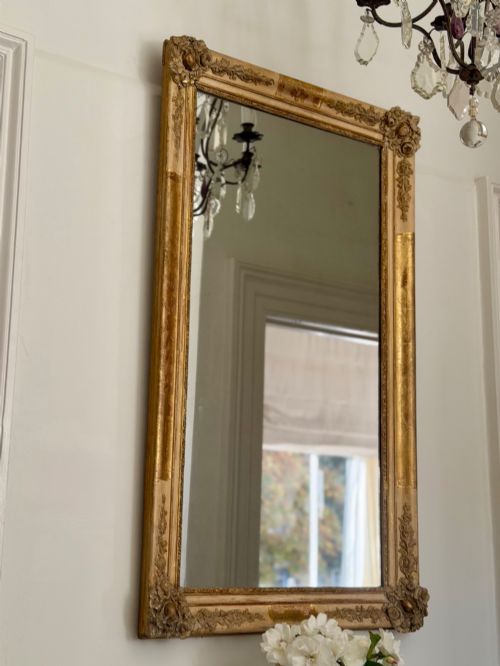
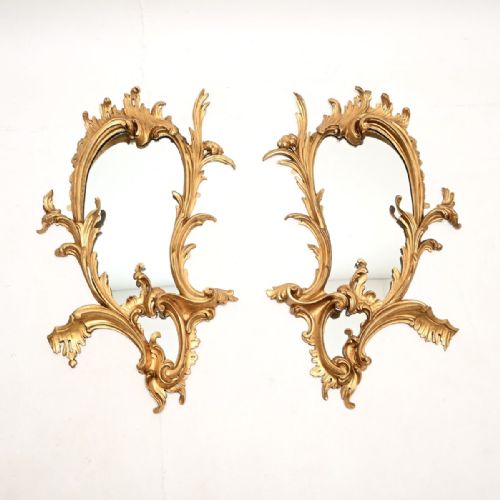
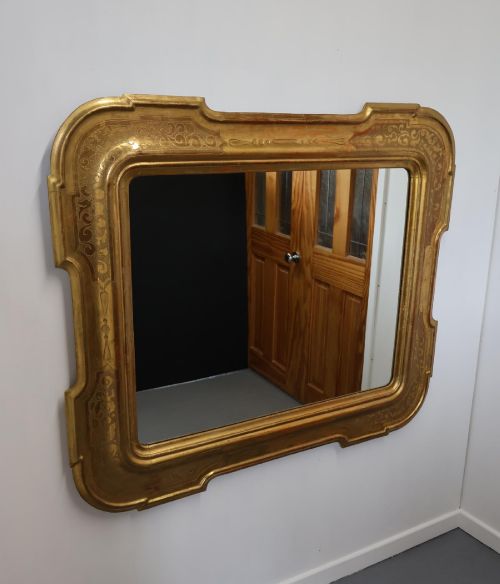
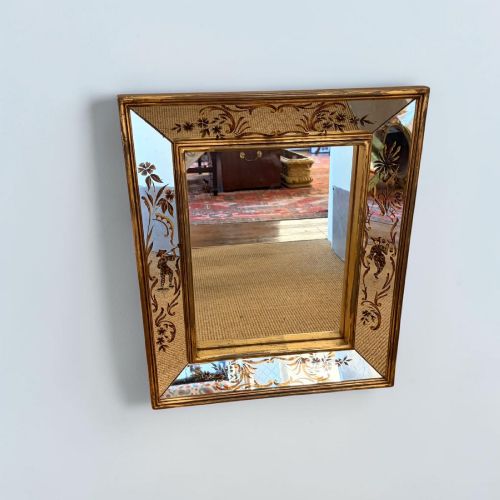
French gold leaf mirrors encompass wall mirrors, overmantel mirrors, and pier mirrors originating primarily from the eighteenth and nineteenth centuries. These pieces reflect specific historic aesthetics including Louis Philippe, Rococo Revival, and Napoleon III designs.
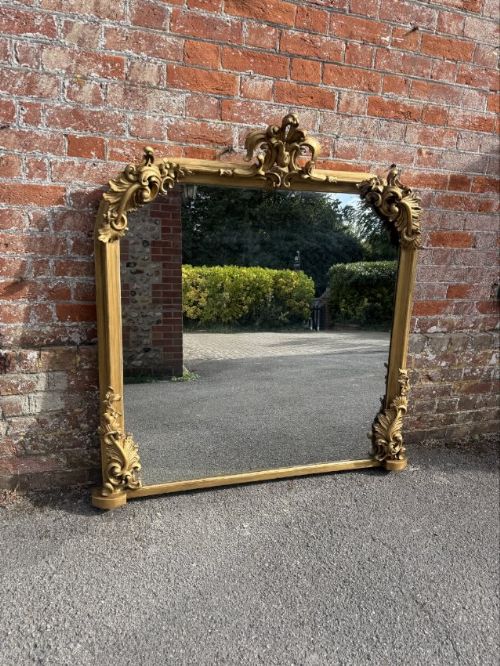
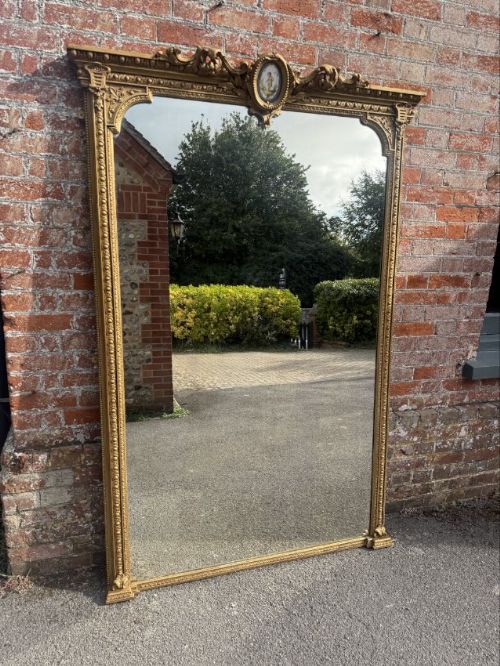
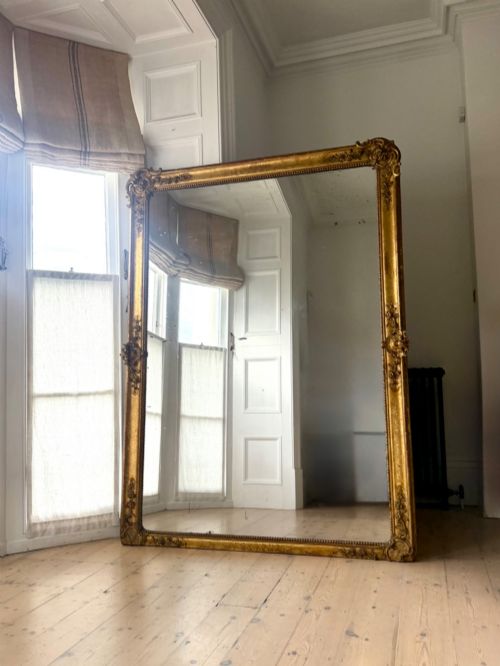
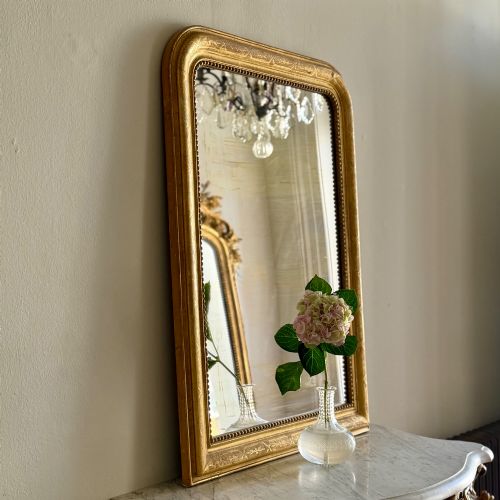
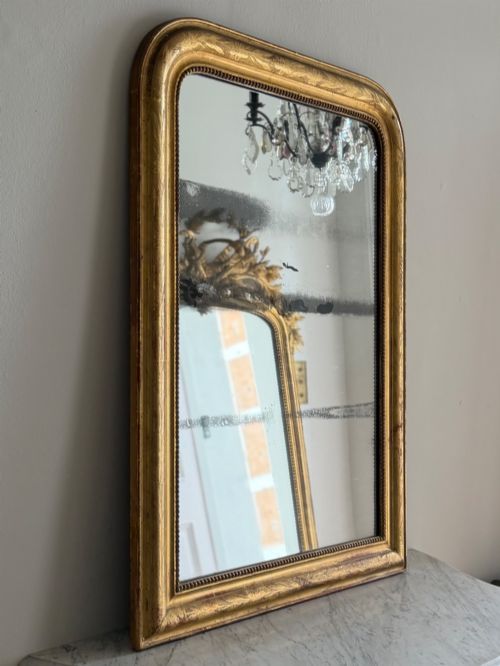
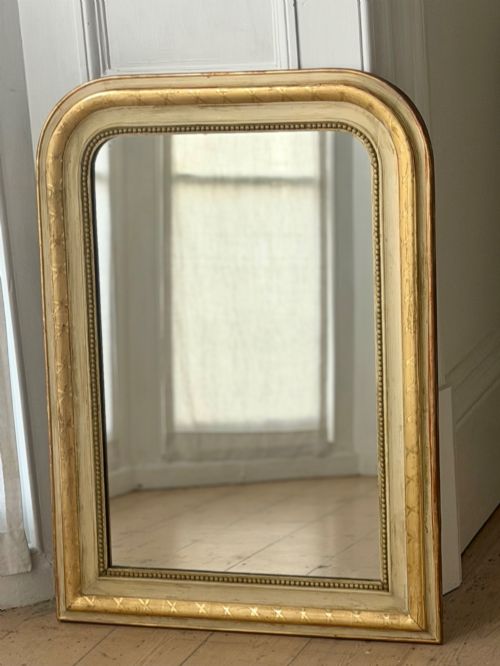
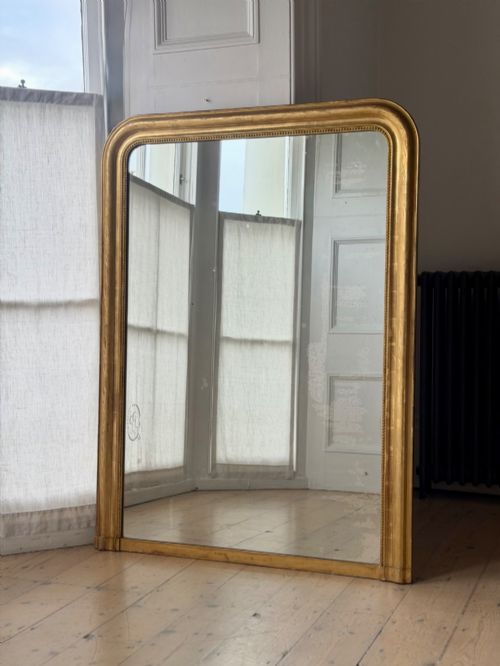
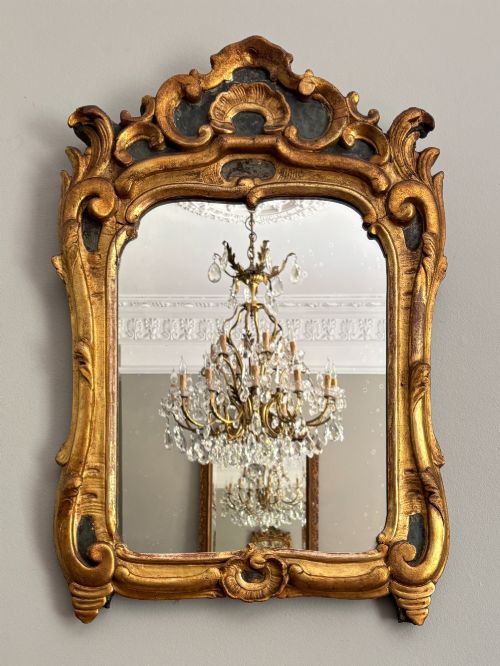
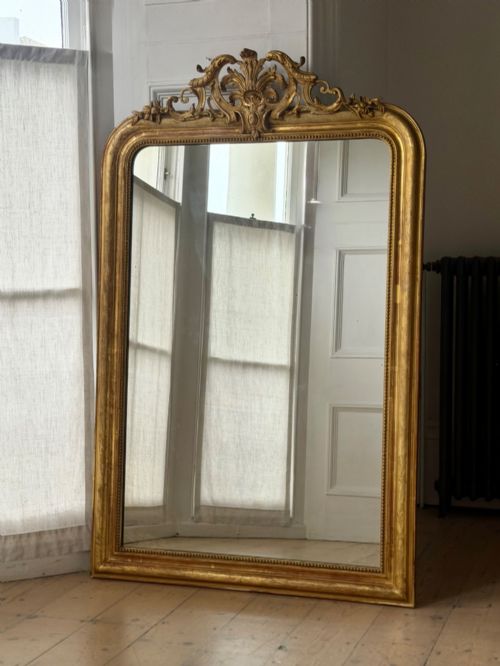
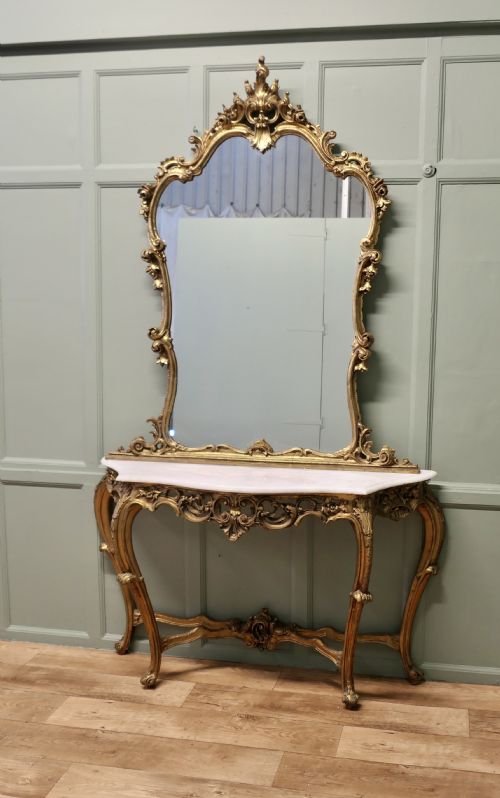
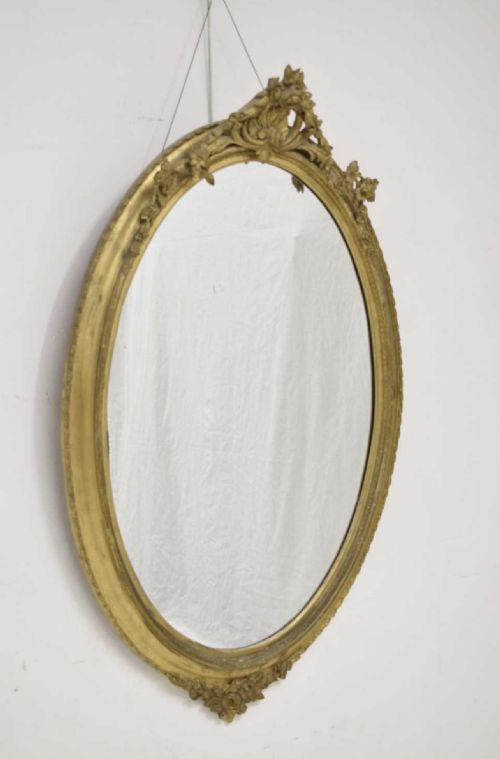
The version most commonly encountered on this page is the nineteenth century Louis Philippe mirror, often featuring a simple arched top and subtle frame moulding. Alongside these, larger overmantel pieces and intricately carved giltwood wall mirrors appear frequently across the listings.
Materials and construction methods
Frames are constructed from wood, commonly carved before receiving a layer of gesso to prepare the surface for gilding. Gold leaf is then applied meticulously over the prepared wooden substrate to achieve a luminous metallic finish.
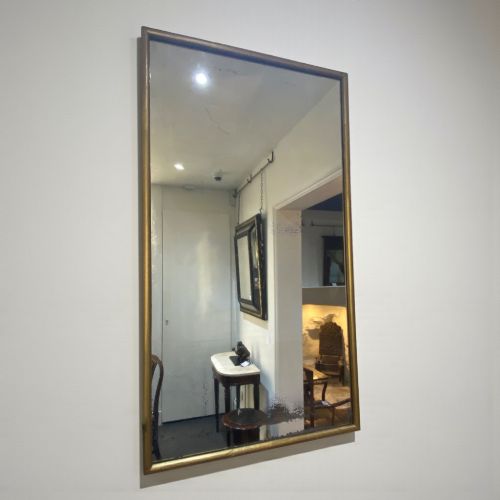
Glass plates vary, with many period examples utilising original mercury glass or distressed antique plates that show characteristic foxing and spotting over time.
Materials recorded across the inventory include giltwood, gesso, mercury glass, painted wood, and traditional gold leaf.
Distinguishing quality and craftsmanship
The depth and precision of the wood carving dictate the distinction between standard frames and exceptional statements. Crisp floral motifs, scrolls, and crests demonstrate superior artisan skill during the initial production.
The integrity of the original gilding and the preservation of the antique glass plate significantly influence the overall character of the piece.
The French Gold Leaf Mirrors Glossary
- Giltwood
- Wood that has been coated with gold leaf or gold paint. This technique creates a rich decorative surface typical of period frames.
- Gesso
- A plaster mix applied to wood frames to provide a smooth base for gilding. It allows carvers to achieve fine detail before applying gold leaf.
- Louis Philippe
- A mid-nineteenth century French style known for clean lines and often a gently rounded top. These frames offer understated elegance compared to heavily ornamented rococo pieces.
- Mercury glass
- An older type of mirror plate made by pouring a silvering mixture behind double-walled glass. It frequently develops dark spots and foxing over the decades.
- Overmantel mirror
- A large mirror designed to hang specifically above a fireplace mantel. These pieces often feature wide proportions to reflect light across the room.
French Gold Leaf Mirrors: Frequently Asked Questions
How do I hang a heavy antique mirror?
Heavy giltwood mirrors require secure wall fixings distributed evenly across the frame structure. Professional installation into masonry or reinforced studs ensures safety.
Weight allowances should be checked carefully before mounting large overmantel or tall wall mirrors.
What is mercury glass?
Mercury glass refers to double-walled silvered glass used in nineteenth century mirrors. It does not actually contain mercury but creates a characteristic cloudy reflection.
Over time, this glass develops foxing, which adds historic depth to the appearance.
How do I clean a giltwood frame?
Dust giltwood frames gently with a soft dry brush to protect the delicate gold leaf layer. Moisture and chemical cleaners can damage historical gilding.
Regular maintenance involves simply removing surface dust without rubbing the fragile carved surfaces.
What defines a Louis Philippe mirror?
Louis Philippe mirrors are characterised by their simple rectangular shapes paired with an arched top. They avoid excessive ornamentation in favour of refined curves.
This style fits easily into both traditional and modern interiors due to its restrained proportions.