

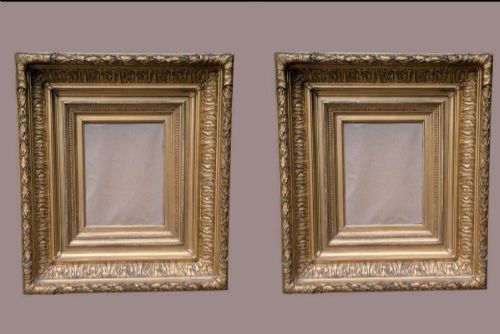
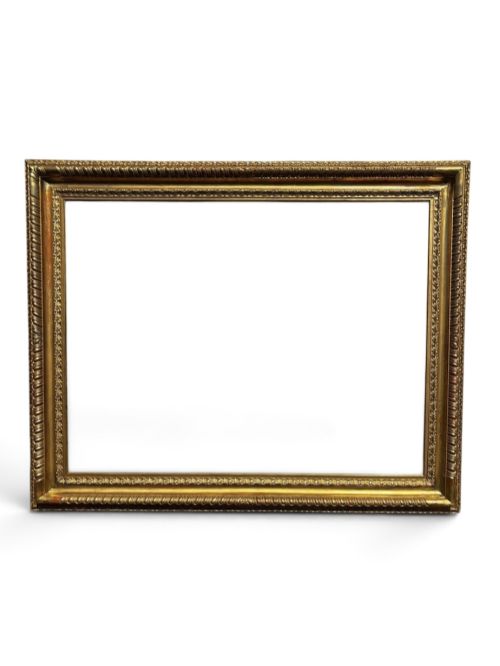

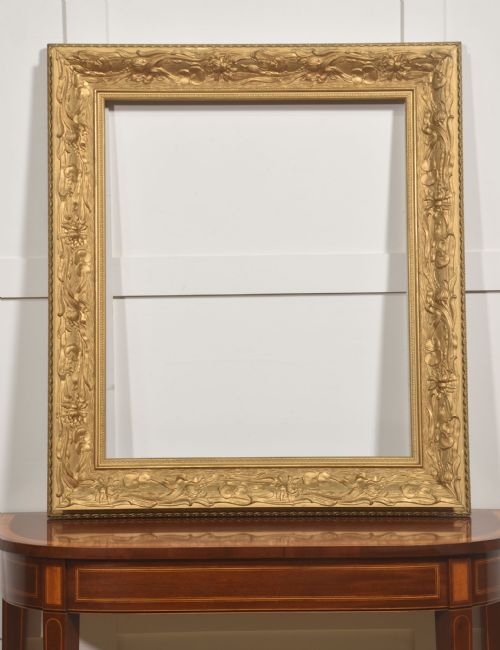
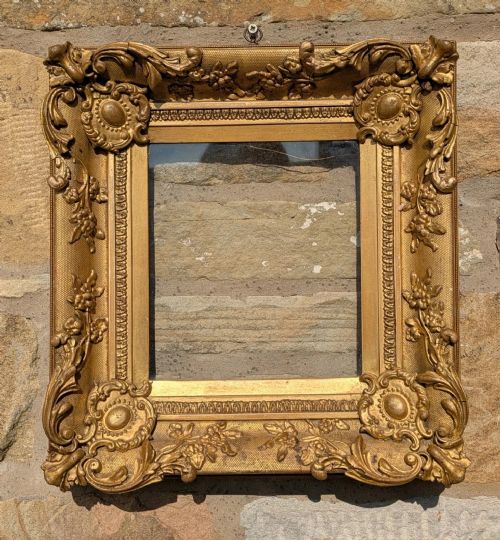

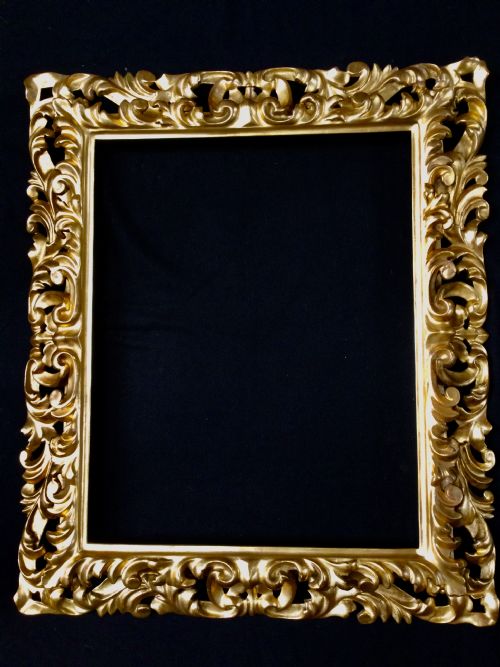


Decorative Gilded Picture Mirror
These decorative gilded picture mirror pieces bring warmth and reflection to a room, catching the light through rich gold surfaces.
Decorative Gilded Picture Mirror
A decorative gilded picture mirror combines the ornate presence of a picture frame with the functional depth of a wall mirror, spanning periods from the seventeenth century through to the twentieth century. These objects function simultaneously as wall mirrors and picture frames, drawing the eye with their substantial wooden structures.
The most common examples encountered here belong to the Victorian era, alongside pieces dating to the nineteenth century and early decades of the twentieth century. Forms range from rectangular wall mirrors to deep picture frames and overmantle wall mirrors.
Stylistic influences vary significantly across the inventory, encompassing French Chateau, Victorian Rococo Revival, Neoclassical, Art Nouveau, Baroque Revival, and Victorian Revival designs. Pieces often incorporate floral motifs, lions' heads, or deep moulded profiles that give them a commanding architectural presence.
Materials and construction methods
Construction relies heavily on a combination of wood, gesso, and plaster, forming the dense substrate required for intricate surface ornament. Artisans carved or moulded these materials to create the high-relief floral patterns and classical details seen across the styles.
The characteristic golden finish is achieved through the application of gold leaf or giltwood over the prepared wooden and gesso base. Many examples feature mirrored glass, while some older frames retain canvas elements or house newer glass replacements inserted to update the piece.
Decorative Gilded Picture Mirror Retail Price Guide 2026
Typical asking prices for decorative gilded picture mirror among the pieces listed under this phrase on Sellingantiques today, from the lower quarter to the upper quarter. They describe what is for sale here now, not the wider market.
The selection spans multiple centuries, incorporating seventeenth-century items alongside nineteenth-century and twentieth-century examples.
Assessing quality in decorative gilded picture mirror selections
Quality depends upon the crispness of the modelling in the gesso and the depth of the wooden carving. Pieces with sharp, well-defined floral details or sculptural elements like lions' heads demonstrate superior craftsmanship compared to softer, more uniform castings.
The integrity of the gilt surface and the richness of the gold leaf application define the visual impact of the object. Substantial depth in the frame profile and the presence of original glass or period-appropriate materials elevate the status of the piece within its style category.
The Decorative Gilded Picture Mirror Glossary
- Giltwood
- Wood that has been coated with gold leaf, gold paint, or metal powder. This surface treatment provides the luminous metallic finish characteristic of these frames.
- Gesso
- A plaster-like mixture consisting of a binder mixed with chalk, gypsum, or pigment. It is applied to wood and then carved or moulded to create relief ornament before gilding.
- Overmantle wall mirror
- A large mirror designed specifically to hang on the wall directly above a fireplace mantel. These pieces often feature extended rectangular proportions to suit architectural spaces.
- Rococo Revival
- A nineteenth-century design style inspired by the French Rococo movement, characterised by asymmetrical scrollwork, C-scrolls, and abundant naturalistic floral decoration.
Decorative Gilded Picture Mirror: Frequently Asked Questions
How do I clean a giltwood frame?
Dust the surface very gently with a soft, dry brush to prevent any damage to the delicate gold leaf layer. Avoid using liquid cleaners, moisture, or chemical solvents, as these can strip the historical gilding from the gesso underneath.
Take care around areas of high relief or intricate floral carving where the gesso may be fragile. Professional conservation advice should be sought if the surface shows signs of active flaking.
Can these frames hold new mirrors?
Many picture frames and mirror frames have accommodated glass replacements over their long lifespans to ensure functional clarity. Glaziers can fit new mirrored glass into antique frames provided the rabbet depth is sufficient.
When adding glass, ensure the weight is properly supported within the wooden structure without putting undue pressure on the antique joints. Retaining original glass is preferred by collectors, but new glass makes the piece usable daily.
Where should I hang an overmantle mirror?
An overmantle mirror sits naturally above a fireplace, anchoring the room and reflecting light back into the living space. Ensure the wall fixings are rated to bear the considerable combined weight of the wood, gesso, and glass.
Consider the surrounding ceiling height and mantel proportions so the rectangular or decorative frame commands the wall properly. Positioning the mirror opposite a window maximises the natural light it brings into the interior.
How do I identify Victorian pieces?
Victorian examples often display heavy moulding, deep profiles, and revival styles such as Rococo or Baroque influences. The use of dense plaster and gesso over a wooden carcass is typical of manufacturing methods from this period.
Look at the backboards, fixings, and construction techniques to help corroborate the nineteenth-century dating. Stylistic markers like lions' heads and exuberant floral motifs also point towards Victorian production.