
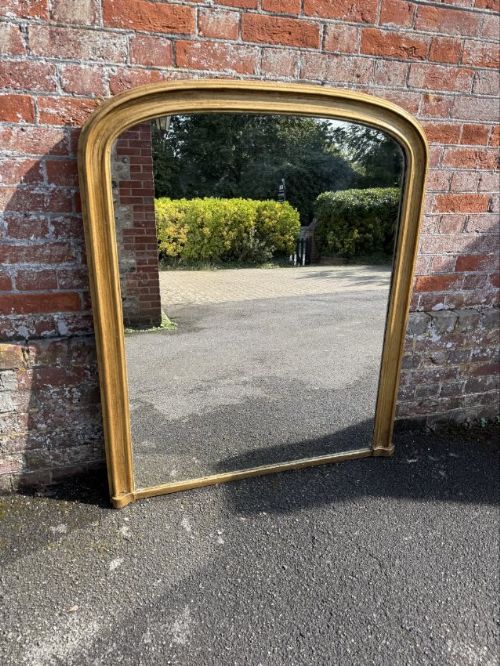

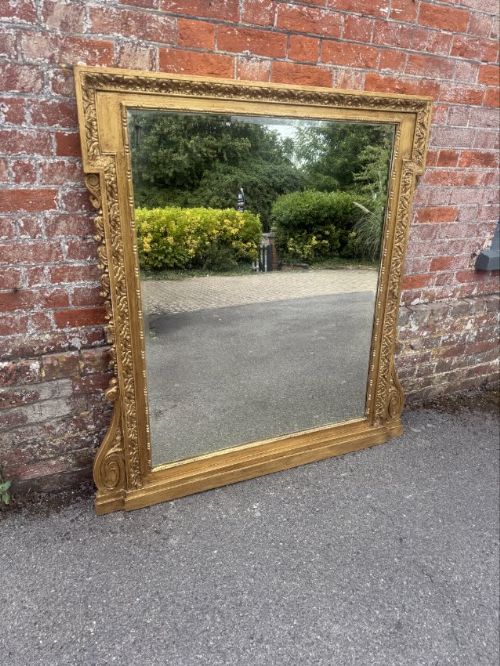
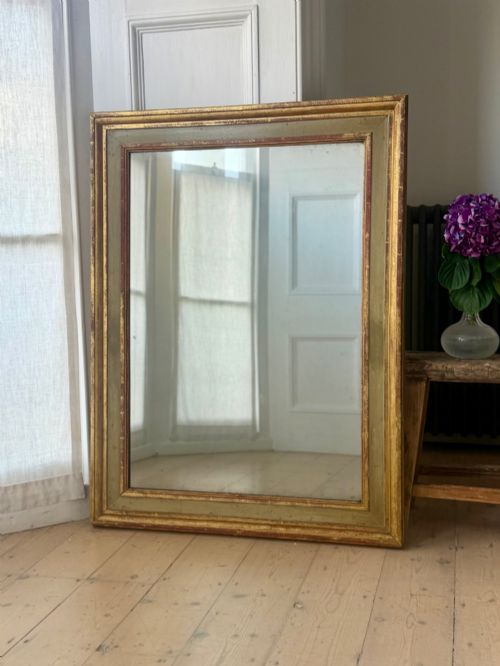
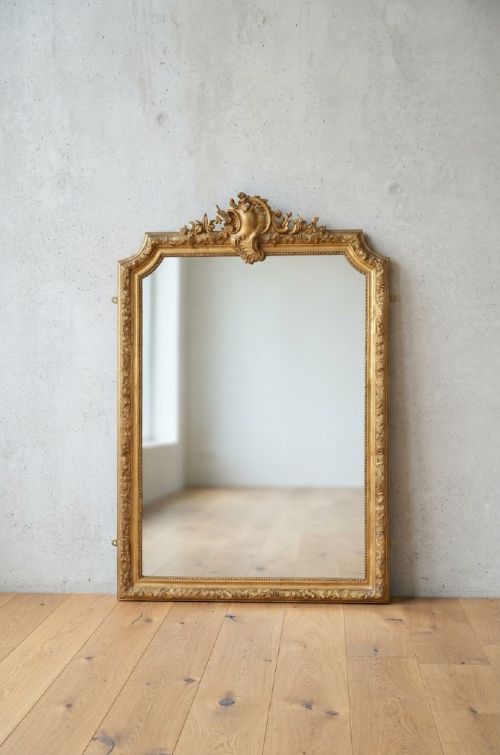
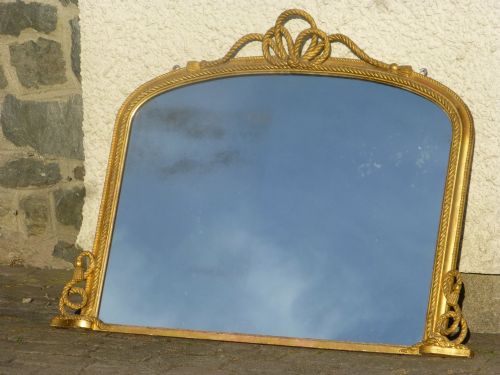
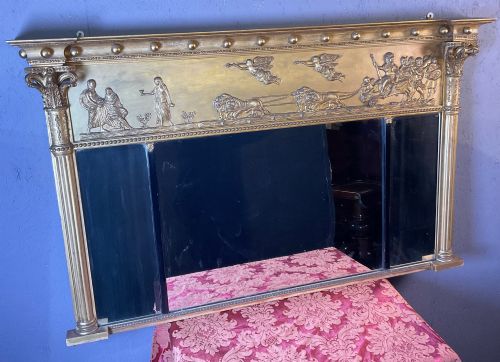
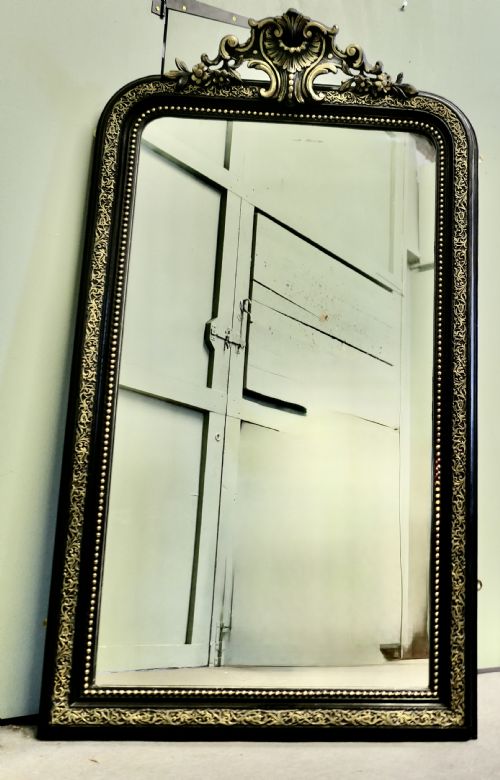
Gold Framed Mantel Mirror
A gold framed mantel mirror sits above the hearth, designed to reflect light and anchor the room with scale.
Gold Framed Mantel Mirror
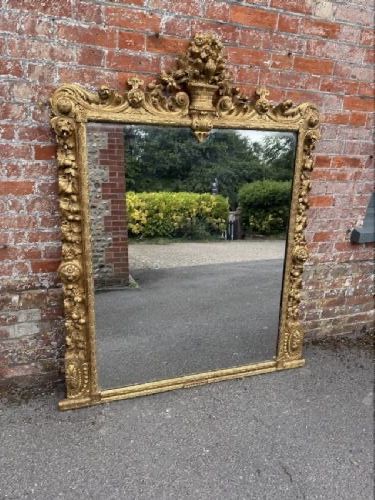
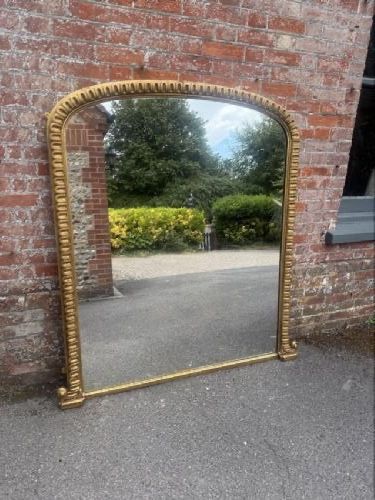
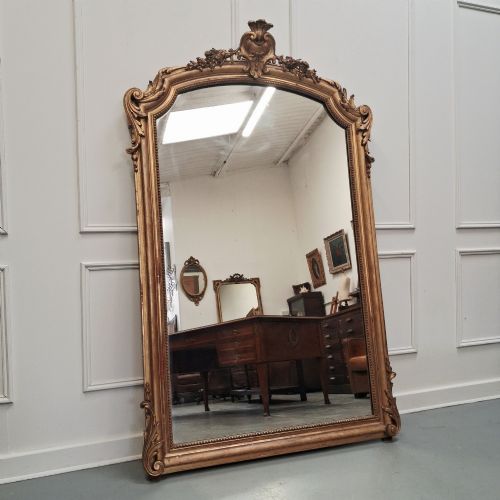
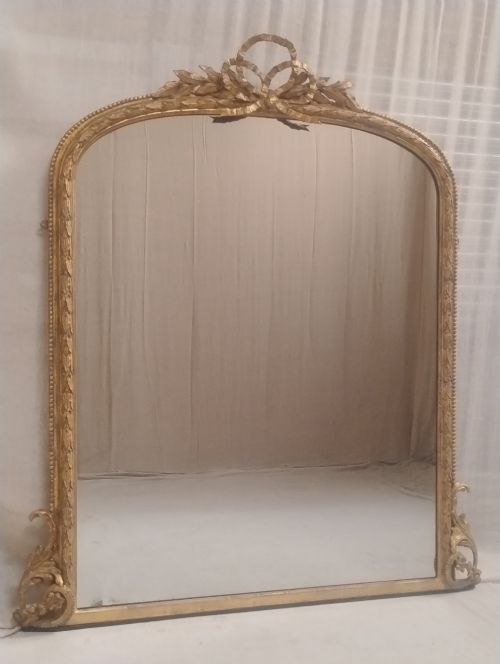
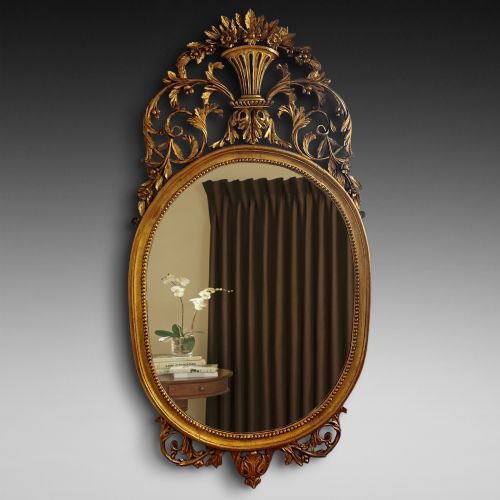
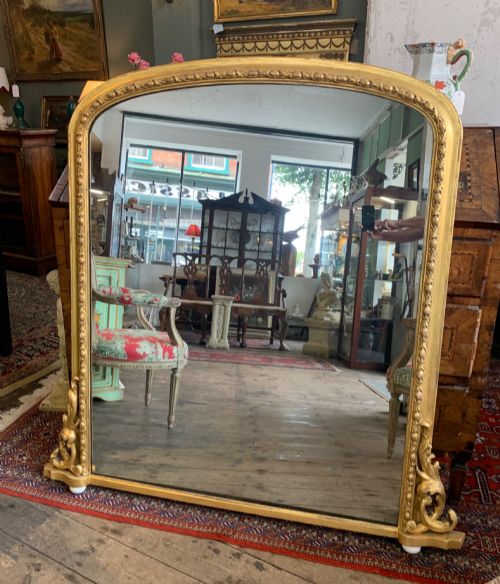
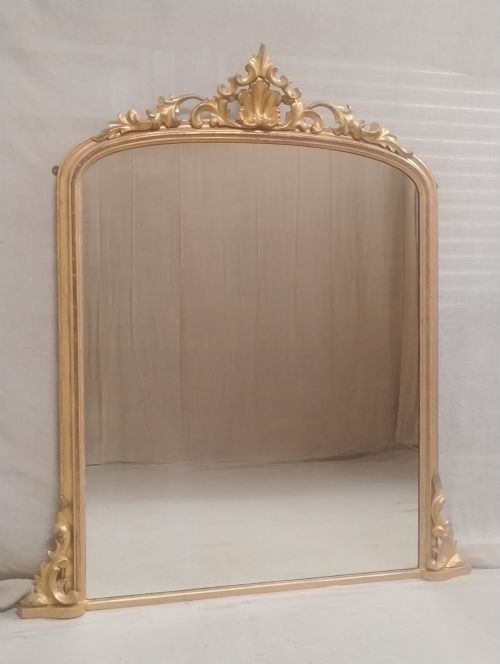
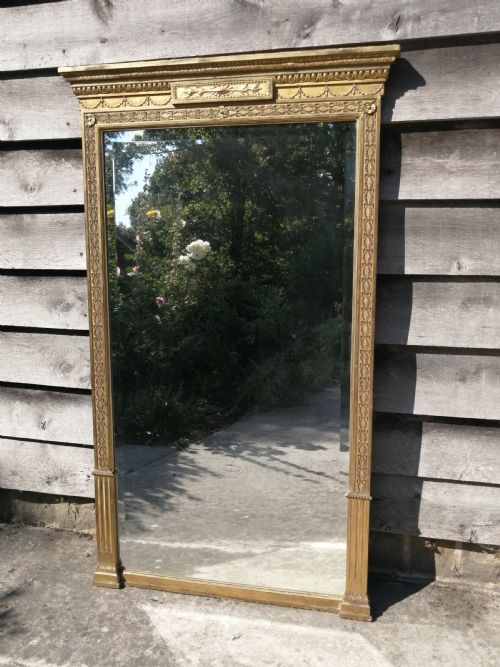
A gold framed mantel mirror serves primarily as a decorative overmantel or wall piece positioned above a fireplace, bringing proportion and reflection to an interior. These pieces take the form of large arch top, rectangular, or shaped mirrors designed to command significant wall space.
The selection ranges from nineteenth-century English and Victorian examples to French styles including Louis Philippe and Regency designs. Makers constructed these mirrors to sit low on mantelpieces or hang securely on principal walls, often incorporating architectural arches or crested tops.
English country house pieces and French marriage mirrors represent common regional variations within this category. Each object reflects the aesthetic priorities of periods spanning the Georgian, Regency, and Victorian eras.
Materials and construction
Carved wood and gesso form the structural base for many frames, providing a stable foundation for intricate surface enrichment. Artisans applied thin layers of gold leaf or oil gilt directly onto the prepared gesso and wood grounds.
Mirror glass plates, including original mercury glass and foxed or aged plates, reflect the period's manufacturing capabilities. Frames combine solid timber construction with applied composition ornaments to achieve elaborate architectural and sculptural profiles.
Many a Victorian reflection has witnessed a century of fireplace smoke and family arguments.
Distinctions in quality
Depth and precision in hand-carved wood elements separate superior frames from simpler moulded composition alternatives. The crispness of the gesso moulding and the integrity of the original gilding indicate the level of craftsmanship invested in the piece.
The condition and authenticity of the mirror plate itself contribute significantly to the character of the object. Original mercury glass or plates showing natural foxing retain historical depth that later replacement glass lacks.
The Gold Framed Mantel Mirror Glossary
- Giltwood
- Wood that has been coated with gold leaf or a gold-colored metallic finish. This material defines the bright, reflective surfaces characteristic of these frames.
- Gesso
- A plaster-like mixture applied to wood frames to create a smooth surface for gilding. Artisans carved intricate details directly into this layered material.
- Overmantel
- A large mirror or painting designed specifically to hang above a fireplace mantel. These horizontal or arched pieces match the width of the hearth below.
- Foxed glass
- Mirror plate displaying spots or discoloration caused by the degradation of the backing over time. This ageing process creates a distinctive mottled reflection.
- Pier mirror
- A tall mirror designed to hang on the wall space between windows. These vertical pieces maximise light diffusion in period rooms.
Gold Framed Mantel Mirror: Frequently Asked Questions
Where should a mantel mirror hang?
These mirrors traditionally rest directly on a fireplace mantel or hang securely at a low height just above it. This placement reflects light from windows across the room and balances the hearth below.
Securing the heavy frame to the wall structure remains essential regardless of whether the base rests on wood or stone. Wall placement away from the fireplace occurs when using tall pier or wall variants.
What is mercury glass?
Early mirror plates often utilised a silver and mercury amalgam poured between double layers of glass or applied to the back. This technique produces a deep, dark reflective quality distinct from modern silvering.
Over decades, the chemical compound reacts with air and moisture, resulting in characteristic dark spots and cloudy patches known as foxing.
How do I identify a Victorian mirror?
Victorian examples frequently feature heavy giltwood or ebonised frames with arched tops, swept mouldings, or ornate cresting. These pieces often showcase substantial proportions built to dominate nineteenth-century drawing rooms.
Construction methods typically combine sawn timber frames with moulded composition ornaments finished in gold leaf or paint.
Can these mirrors hang vertically?
Most overmantel mirrors are constructed for horizontal placement to span the length of a fireplace. Certain forms, such as pier mirrors, specifically utilise vertical orientations to fit narrow wall spaces.
Checking the original hanging hardware and frame reinforcement determines whether a horizontal piece can safely support a vertical rotation.