



French Bedstead
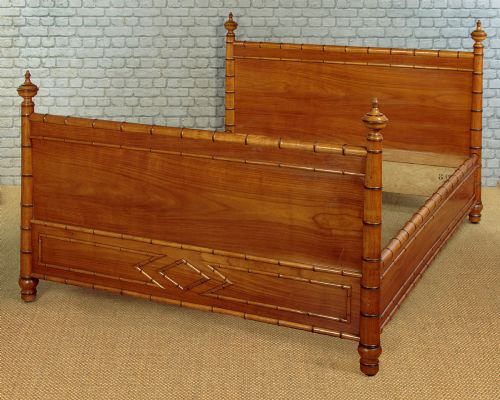
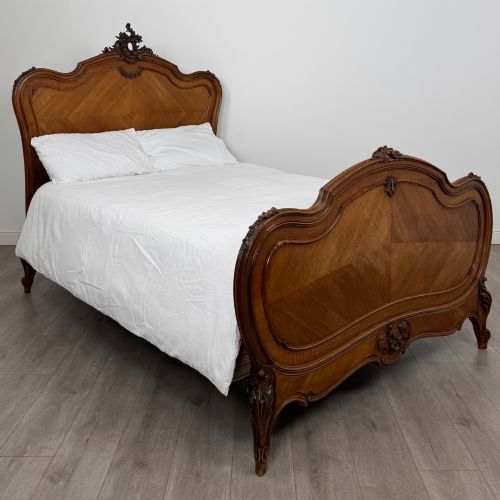
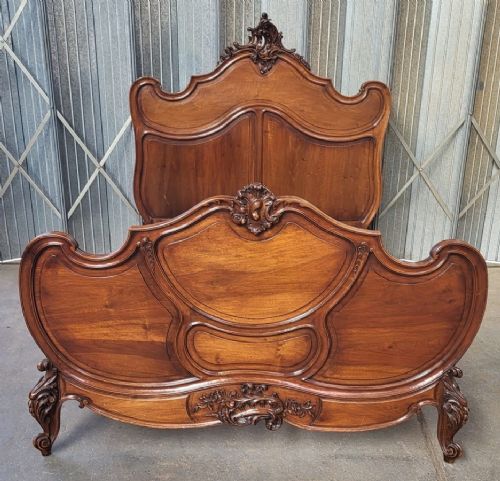
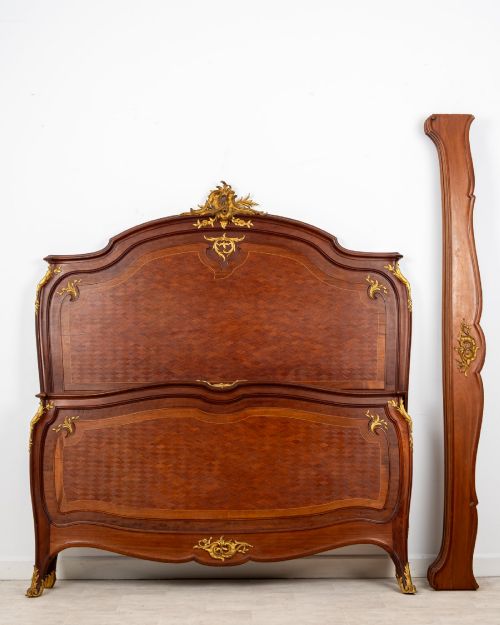
A french antique bedstead brings continental presence to a bedroom, offering distinct period style built from rich timbers and metals.
French antique bedstead forms and periods
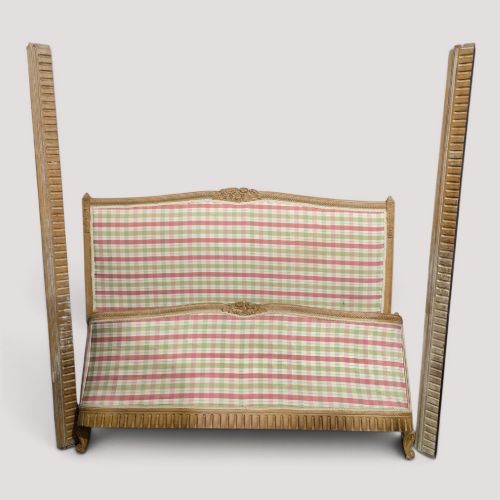
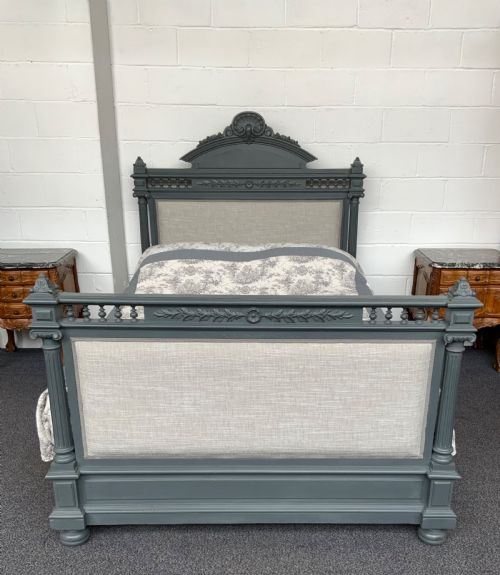
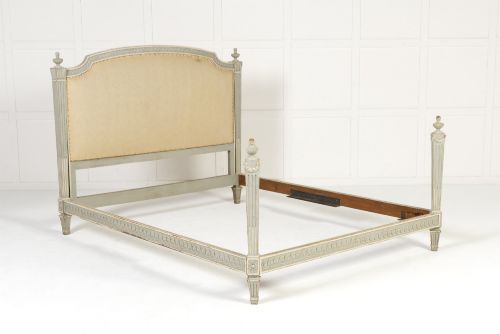
When you search for a french antique bedstead, you are looking at substantial sleeping furniture originating from France across the nineteenth and early twentieth centuries. These pieces encompass various forms including double beds, king size models, and complete bed frames outfitted with side irons.
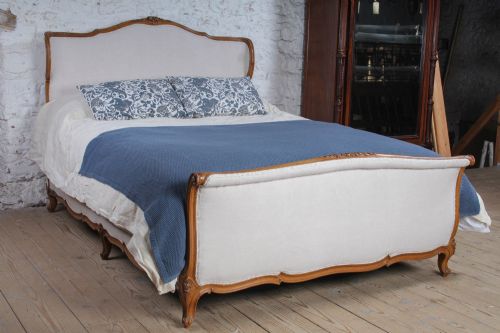
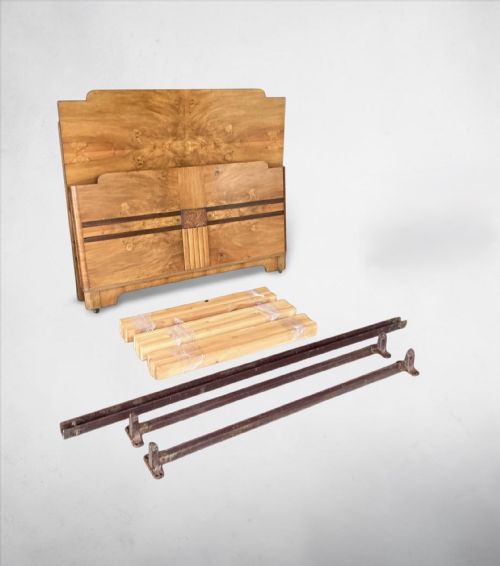
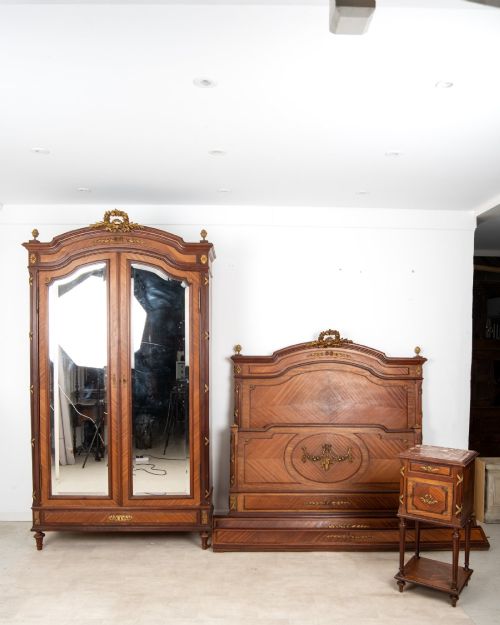
The selections span distinct historical tastes ranging from early nineteenth century examples through Louis XVI style, French Renaissance Revival, and Louis XV taste. Later pieces embrace the flowing lines of French Art Nouveau and the geometric precision of Art Deco.
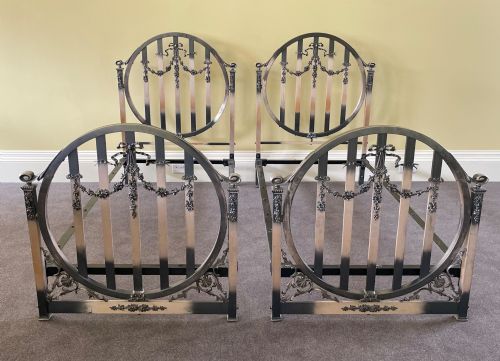
You are most likely to encounter walnut double bedsteads from around eighteen ninety alongside king size variants in mahogany, fruitwood, and brass square tube construction. Regional variations such as Breton carved cherry and pieces featuring burr walnut veneer also appear.
Materials and construction
These bedsteads utilise a variety of traditional timbers including walnut, mahogany, fruitwood, kingwood, and cherry, frequently enhanced with burr walnut and burr veneers. Cabinetmakers applied parquetry patterns and detailed decorative carving to the wooden surfaces.
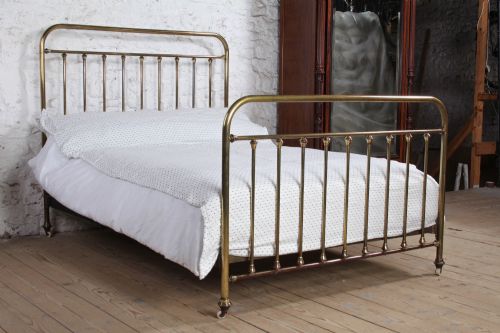
Metal alternatives feature prominently, utilising cast iron and all brass square tube construction to form rigid headboards and footboards. Some bespoke suites integrate marble tops into accompanying nightstands for a unified bedroom ensemble.
Retail Price Guide 2026
Typical UK retail prices for french bedstead, calculated from the Sellingantiques database of over a million retail prices indexed since 2003. This retail price guide relies exclusively on Sellingantiques data; no external sources or auction records are used, so the figures do not describe the wider market.
Listings feature walnut, mahogany, fruitwood, and brass alongside specialised veneers like burr walnut.
Assessing quality and execution
The distinction between standard production and exceptional quality lies in the selection of timbers and the precision of surface decoration. Highly regarded examples employ choice burr veneers and intricate parquetry that demonstrate advanced cabinetmaking skill.
Structural ambition separates simpler iron frames from substantial hardwood and brass constructions. The integration of period specific ornamental details, from classical Louis XVI taste motifs to hand carved regional woodwork, determines the overall character of the piece.
Constantin Potheau
The French Bedstead Glossary
- Bedstead
- A framework supporting a mattress and box spring, distinguishing the complete structure from a loose mattress. It typically incorporates a headboard, footboard, and side rails.
- Parquetry
- Geometric wood mosaic work used for decorative flooring or furniture surfaces. Makers arrange contrasting timber veneers in repeating patterns.
- Burr veneer
- Thin slices of wood cut from tree growths containing distorted grain patterns. This material creates highly figured, decorative surfaces on prominent panels.
- Side irons
- Metal rails connecting the headboard and footboard of a bed frame. They provide the necessary lateral support for modern mattress bases.
- Louis XVI Style
- A neoclassical design movement characterised by straight lines, symmetry, and classical restraint. It draws inspiration from ancient Greek and Roman forms.
Frequently Asked Questions
Will a french antique bedstead fit modern mattresses?
Many historical French beds were built to continental sizing standards that differ slightly from standard British dimensions. Adjustments to side rails or custom mattress fabrication may be necessary for a precise fit.
Consulting the specific internal dimensions listed for each bedstead ensures proper alignment with contemporary bedding components.
How do I assemble an antique bed frame?
Most antique wooden and metal bed frames utilise standard slot in tenons or bolt through iron brackets. These mechanical joints connect the headboard and footboard securely to the side irons without complex tools.
Care should be taken during assembly to tighten fixings evenly while protecting finished timber and brass surfaces from accidental scratching.
What styles are common in French beds?
The inventory reflects major design movements including Louis XV and Louis XVI tastes, alongside nineteenth century Renaissance Revival. Art Deco and Art Nouveau examples introduce geometric or organic motifs from the early twentieth century.
Regional pieces like Breton carved cherry frames offer distinct folkloric detailing compared to polished urban cabinetwork.
How should I care for timber and brass beds?
Wooden surfaces benefit from occasional application of quality beeswax to nourish the grain and maintain a natural lustre. Avoid placing timber furniture in direct sunlight or near strong heat sources to prevent veneer splitting.
Brass and cast iron components require only gentle dusting with a soft cloth, avoiding abrasive metal polishes that can strip protective historical lacquers.