



Framed Oil Canvas Portrait
A framed oil canvas portrait brings centuries of character into a room, capturing sitters from the seventeenth, eighteenth, and nineteenth centuries.
What They Are
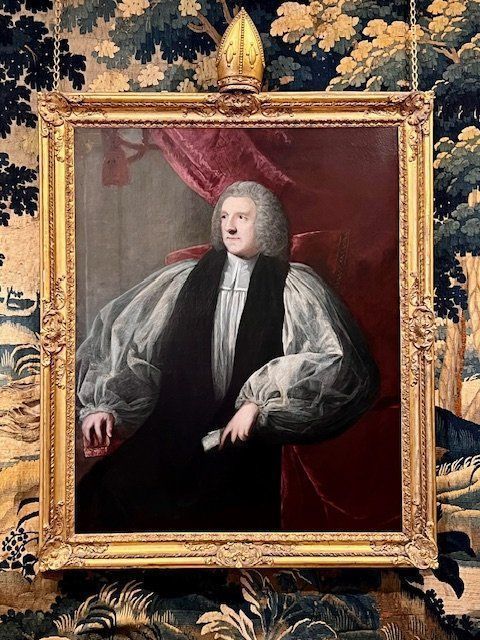
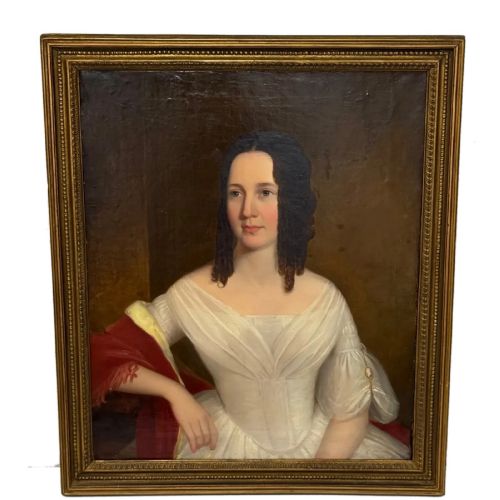
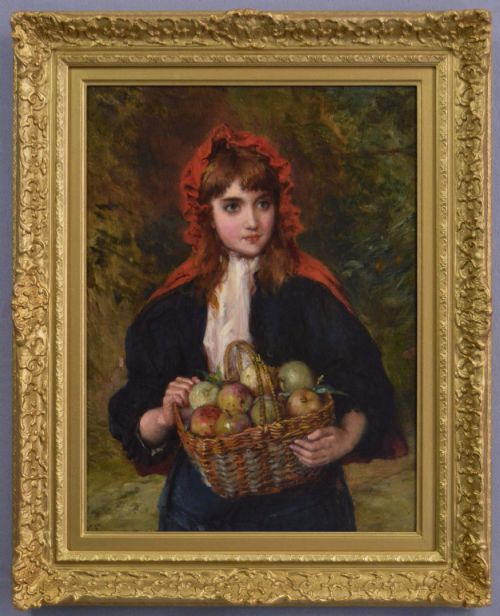
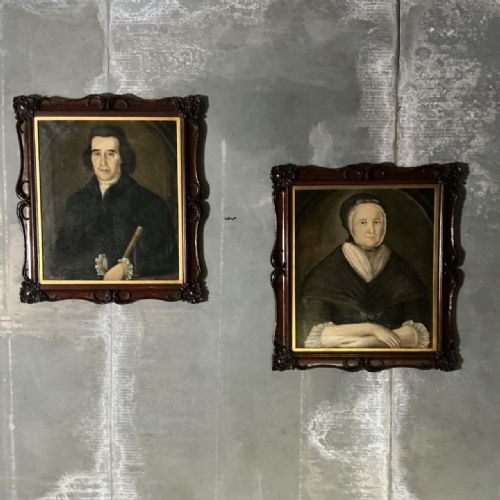
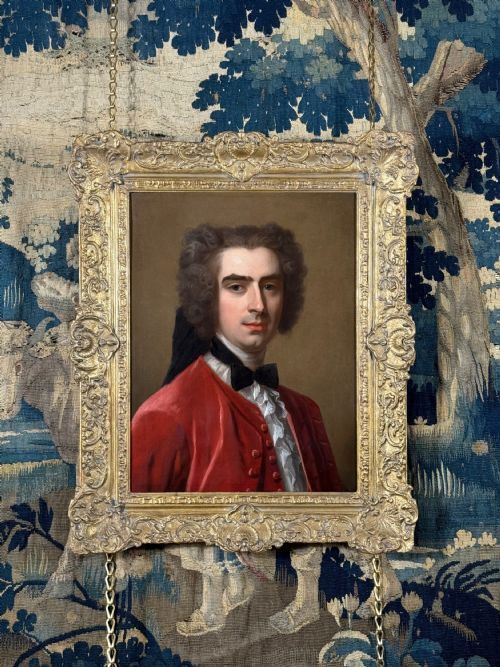
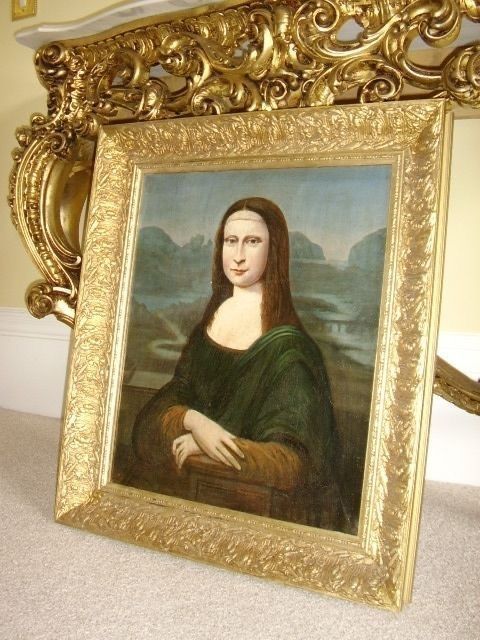
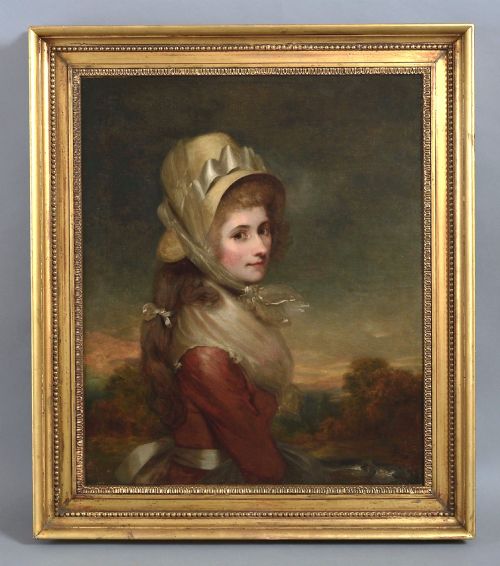
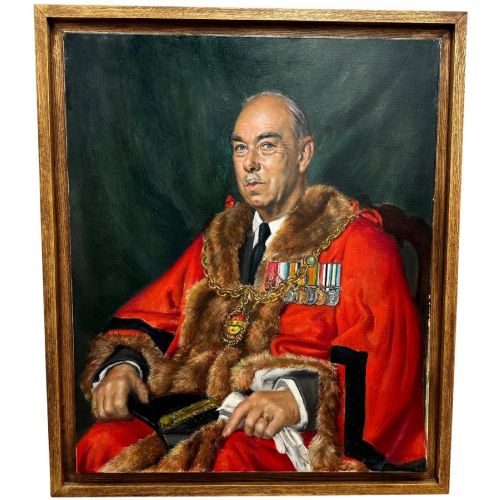
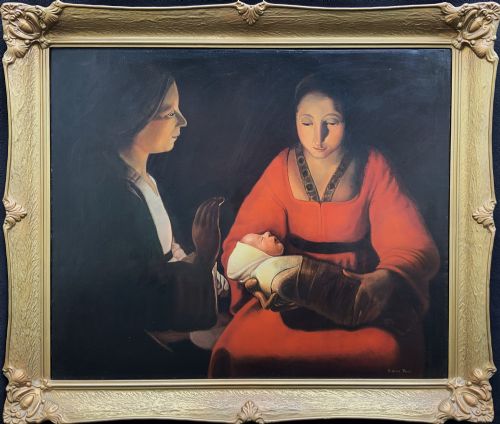
A framed oil canvas portrait presents likenesses of sitters ranging from Dutch Old Masters and Regency aristocrats to nineteenth-century gentlemen and Victorian ladies. You will frequently encounter works originating from English and Scottish schools, alongside pieces spanning the seventeenth, eighteenth, and nineteenth centuries. These paintings capture subjects in various settings, from intimate head studies to depictions including riding crops, dogs, or church landscapes.
The subjects rendered in these works encompass princes, clerics, family groups, and self-portraits by artists such as Gladys Marguerite Baker and Joseph Highmore. Such paintings bridge historical eras, offering direct visual contact with past generations through traditional portraiture formats. Collectors select these pieces to anchor a room with tangible history and established artistic convention.
How They Were Made
Artists applied oil paint directly onto woven canvas supports, sometimes utilising wooden boards as backing for stability over the decades. Pigments were built in layers to achieve depth in clothing, skin tones, and background details, following the academic techniques of the period.
The surrounding enclosures are primarily constructed from wood, frequently finished with giltwood mouldings designed to complement the visual weight of the canvas. These frames range from simple wooden profiles to ornate decorative gilt designs appropriate to Georgian, Regency, and later periods.
Retail Price Guide 2026
Typical UK retail prices for framed oil canvas portrait, calculated from the Sellingantiques database of over a million retail prices indexed since 2003. This retail price guide relies exclusively on Sellingantiques data; no external sources or auction records are used, so the figures do not describe the wider market.
A gentleman portrayed with his riding crop and dog proves that antique sitters rarely trusted painters without including their best friends.
What Varies in Quality
The distinction between standard works and exceptional examples rests upon the anatomical precision of the hands and face, as well as the artist's ability to render light across textiles. Skilled brushwork captures the specific texture of lace bonnets, white ruffs, and velvet coats with convincing volume and presence.
The integrity of the original canvas surface and the harmony of the accompanying period frame contribute significantly to the standing of a piece. Works that retain their early stretcher frames and untouched paint layers command greater interest among serious collectors.
Gladys Marguerite Baker·Joseph Highmore·Vincent Galloway·Moses Vanderbank
The Framed Oil Canvas Portrait Glossary
- Oil on canvas
- A painting technique using pigments bound in a drying oil, applied to a stretched woven fabric support. This combination allows for rich colour blending and durability over centuries.
- Giltwood frame
- A wooden structure coated with gold leaf or gilt finish, designed to house and display a painting. These frames often reflect the decorative style of the era in which they were made.
- Dutch Golden Age
- A period in Dutch history spanning the seventeenth century noted for exceptional achievements in painting. Portraits from this time exhibit rigorous draftsmanship and dramatic use of light.
- Regency
- A British historical period characterised by distinct neoclassical styles in art, architecture, and furnishings. Portraits from this era often feature specific sartorial details and refined palettes.
- Old Master
- A term applied to European painters of skill working before the nineteenth century. These artists established foundational techniques in portrait and landscape composition.
Frequently Asked Questions
How do I date an oil portrait?
Dating relies heavily on the sitter's costume, hairstyle, and the construction methods of both the canvas and the frame. Examining the tacking margins and the type of wood used behind the canvas offers further clues.
Comparative analysis with documented works by known schools or signed examples helps narrow the decade of creation. Expert assessment of pigment types can also confirm the historical period.
Where should I hang an antique portrait?
These portraits suit traditional living spaces, libraries, or hallways where they can be displayed at eye level. They benefit from placement away from direct sunlight and excessive heat sources.
Pairing historical portraits with contemporary or traditional interior schemes creates a striking visual contrast. Proper wall anchoring ensures the heavy giltwood frames remain secure.
What is an English School portrait?
The designation English School refers to works produced by artists working within Britain whose specific individual identities remain unrecorded. These paintings reflect the prevailing portraiture conventions of their respective centuries.
Such works demonstrate regional techniques and stylistic traits typical of British artistic production. They offer insight into the broader culture of portrait commission during periods like the Georgian and Victorian eras.
How do I care for canvas art?
Maintenance involves keeping the painting in a stable environment with moderate humidity and temperature levels. Dust should be removed gently from the canvas surface and frame using a soft, dry brush.
Professional conservators should handle any cleaning of the paint layer or repair of the canvas support. Avoiding moisture prevents warping of the wooden stretcher bars and degradation of the oil pigments.