
Equestrian Portrait Painting
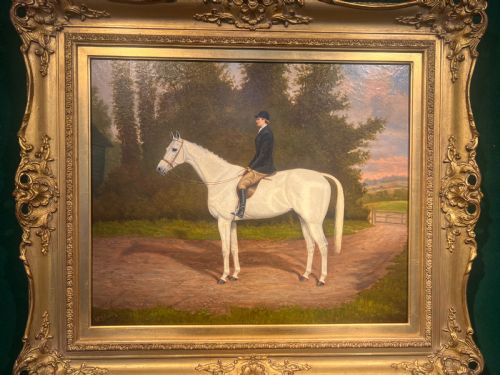
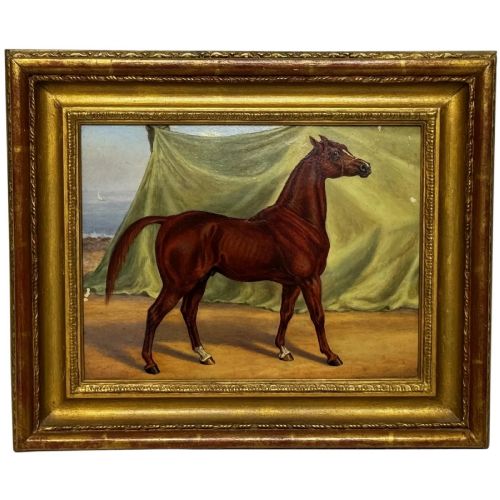
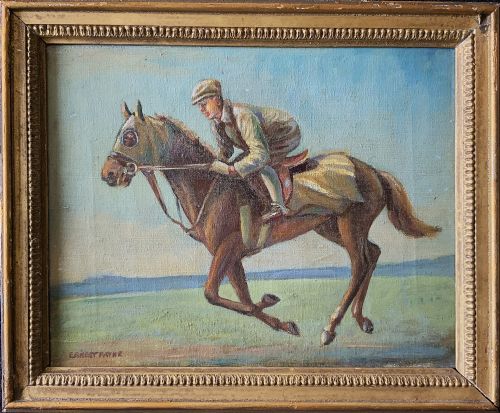
An equestrian portrait painting captures the power and presence of horses, ranging from nineteenth-century racehorses to Victorian hunters.
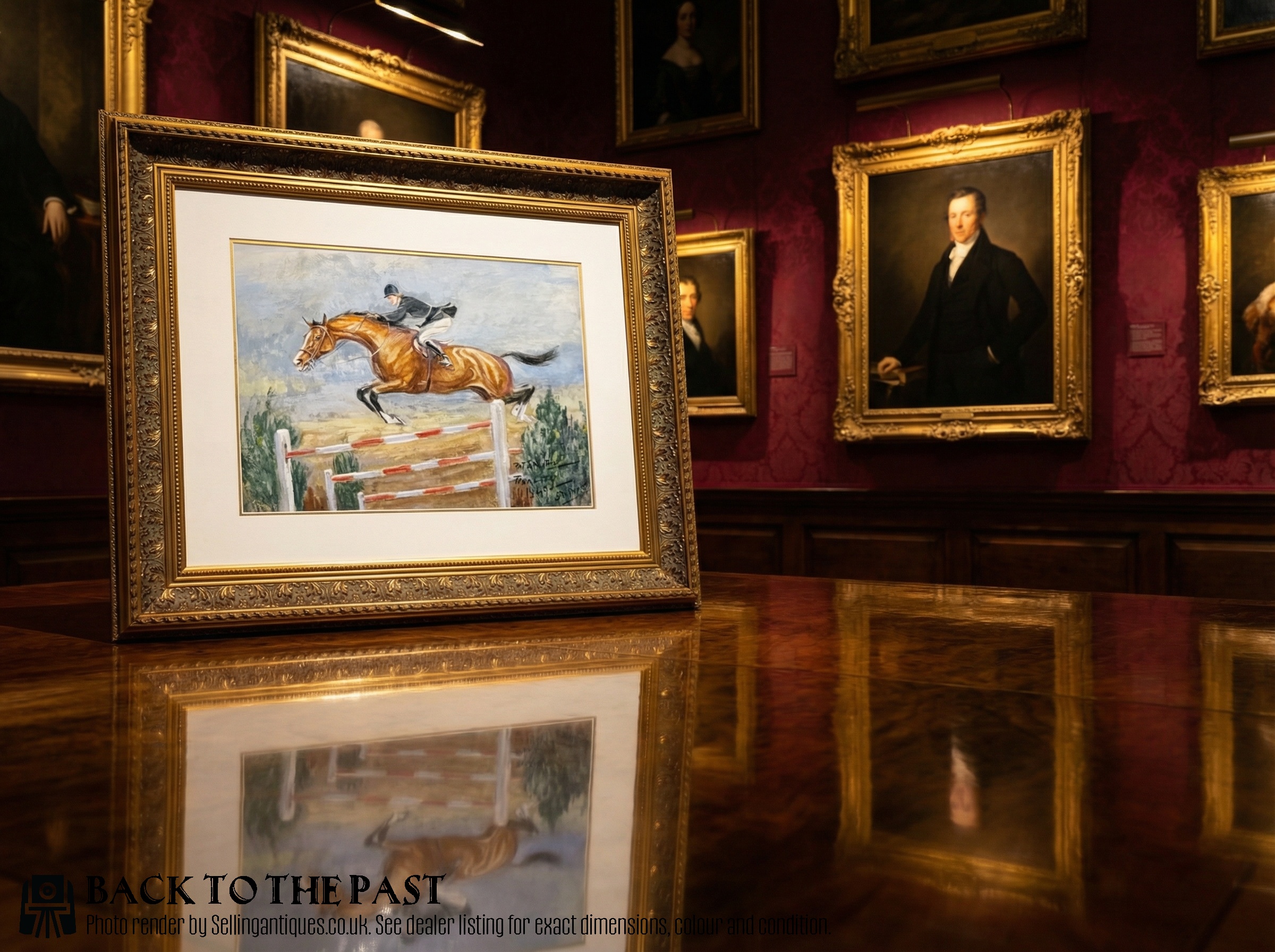
Equestrian Portrait Painting
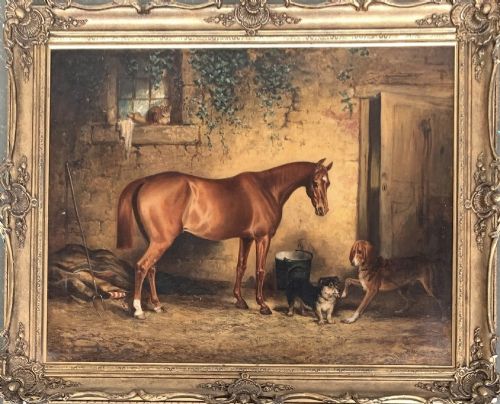
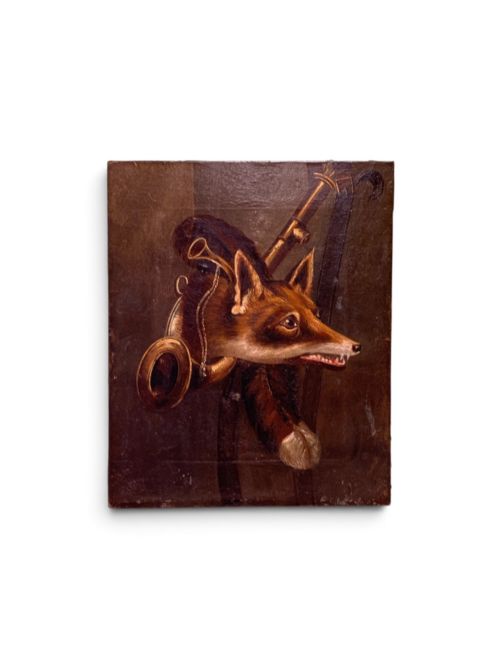
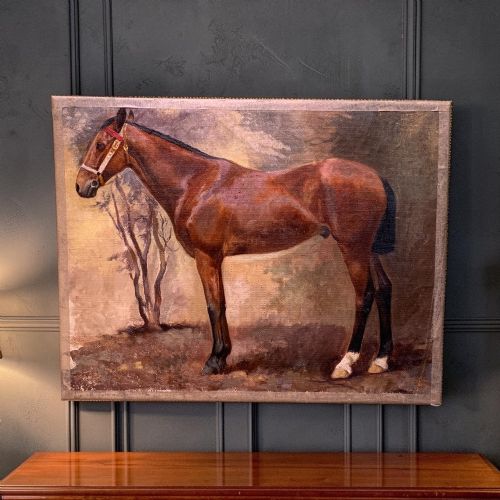
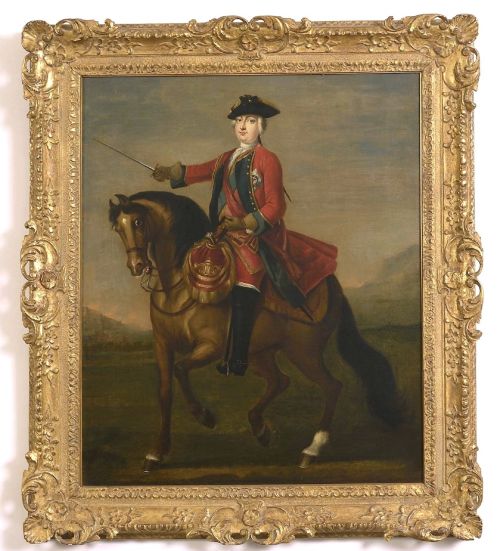
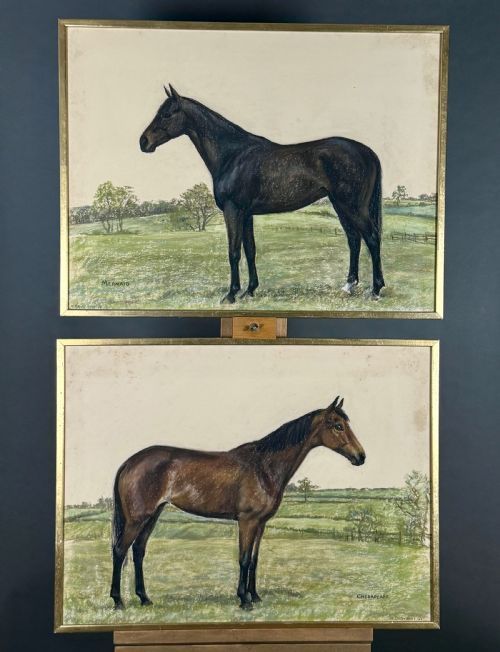
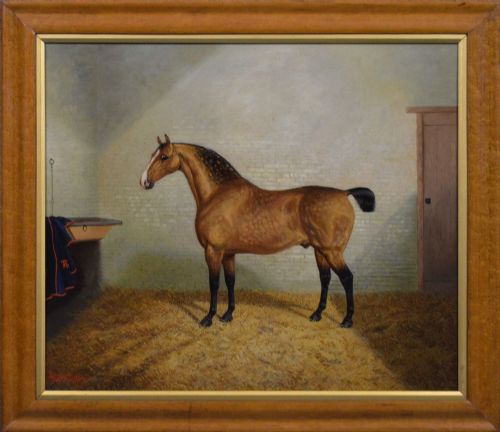
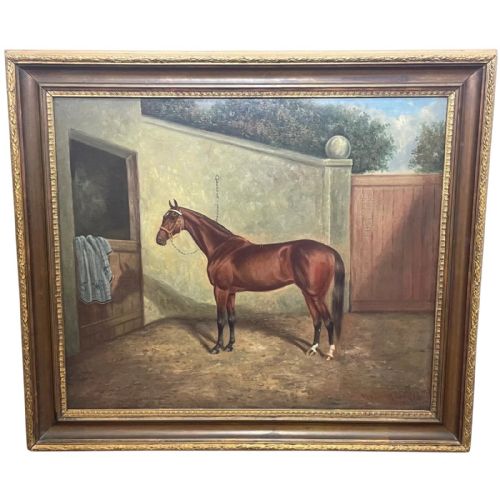
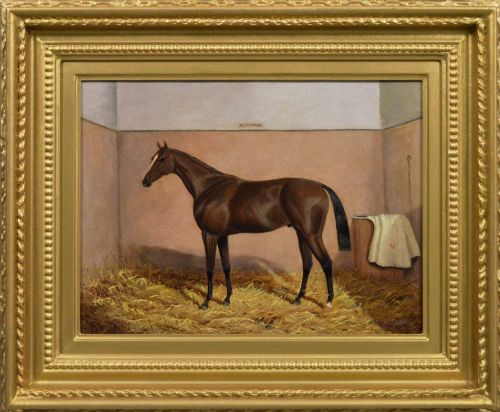
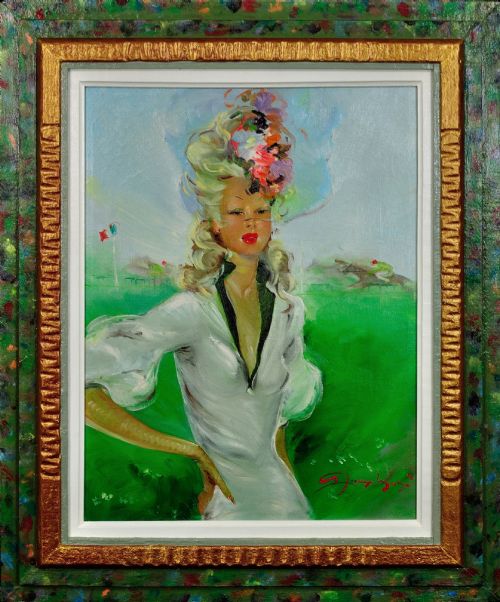
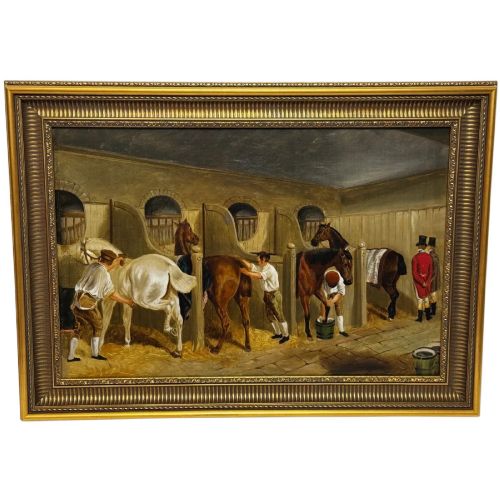
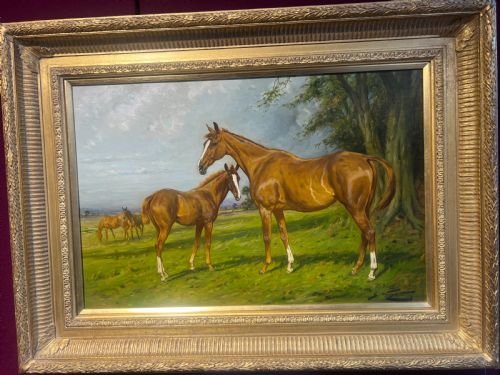
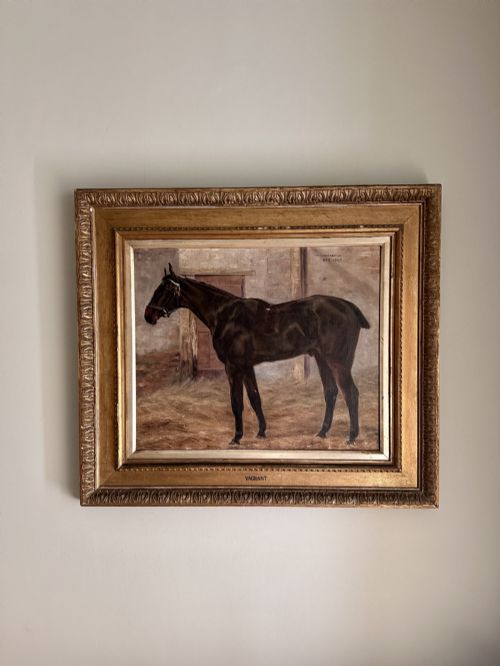
An equestrian portrait painting focuses on the depiction of horses, often rendered as specific named animals, racehorses, or hunters within landscapes and stables. These works frequently record notable winners from the turf, alongside military figures and domestic mounts.
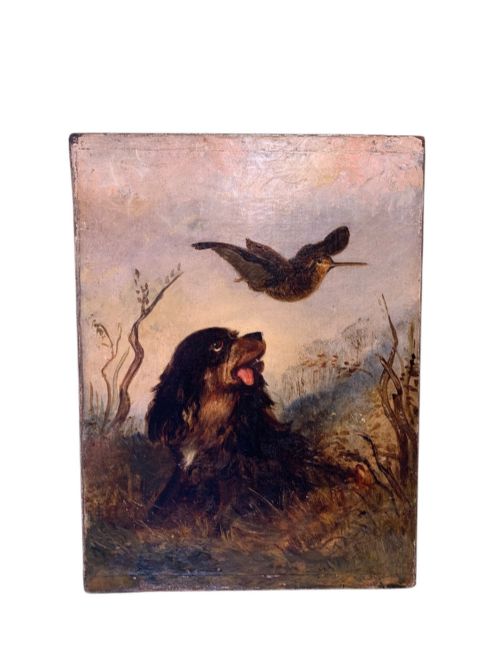
The selections available span from the eighteenth century through the Victorian era and into the mid-twentieth century, with nineteenth-century examples appearing most frequently. Canvas, wood, and panel provide the primary supports for oils, while pastel and watercolour also occur.
Makers and named artists range from regional painters to established practitioners of sporting art, working within British and French traditions. Subjects include specific animals such as Spion Kop and Flying Fox, alongside studies of grey mares, bay hunters, and stable scenes.
Materials and technique
Artists utilised oil paint on canvas or wood panel, building up rich coats of pigment to render the musculature, coat sheen, and colouring of the animals. Giltwood frames frequently house these canvases, providing a formal border that complements the traditional subject matter.
Pastel on paper and watercolour also appear among the methods, offering softer textures for studies of horses and associated sporting subjects. Brushwork varies from tight, detailed anatomical depiction to freer handling in landscape backgrounds.
Equestrian Portrait Painting Retail Price Guide 2026
Typical asking prices for equestrian portrait painting among the pieces listed under this phrase on Sellingantiques today, from the lower quarter to the upper quarter. They describe what is for sale here now, not the wider market.
The listings span from the eighteenth century to the mid-twentieth century, executed in oil, pastel, and watercolour.
What separates the range
Anatomical precision and the accurate rendering of equine movement separate skilled depictions from routine works. The handling of light on a horse's coat and the integration of the animal within its landscape setting dictate the visual success of the piece.
Provenance and documentation regarding the identity of the horse or the artist elevate certain works, as seen in pieces recording named racecourse winners or documented collections. The quality of the original framing, such as period giltwood, further influences the overall character of the piece.
Henry Barraud·John Wootton·Thomas Hudson·Albert Clark·Fred Fitzpatrick·Ernest Payne·John Alfred Wheeler·Thomas Walker Bretland·John Ferneley Senior
The Equestrian Portrait Painting Glossary
- Canvas
- A heavy woven fabric stretched across a wooden frame to serve as a support for oil painting. It provides a flexible and durable surface that has been utilised by artists for centuries.
- Giltwood
- Wood carved and coated with a thin layer of gold leaf or metallic gilt. This material is standard for traditional picture frames enclosing fine art.
- Oil paint
- A slow-drying medium consisting of pigments suspended in a drying oil, typically linseed oil. It allows for smooth blending and deep, saturated colour variation.
- Sporting art
- A genre of art depicting recreation, hunting, racing, and animals. It holds a significant place in British artistic tradition from the eighteenth century onward.
- Provenance
- The documented history of ownership of a work of art. A clear record adds context to the piece by tracing its path through past collections.
Equestrian Portrait Painting: Frequently Asked Questions
What is an equestrian portrait painting?
An equestrian portrait painting is a work of fine art dedicated to representing a horse, often recording a specific animal, champion racehorse, or hunter.
These pieces document the significance of horses in sporting, military, and domestic life across past centuries.
How do I identify the period of a horse painting?
Period identification relies on examining the materials, canvas preparation, framing style, and the clothing or landscape details surrounding the subject.
Signed works or legible inscriptions on the reverse often provide direct dates or the names of the artist and horse.
Were these paintings made as portraits of specific horses?
Many works record named animals, such as famous racecourse winners, derby victors, or prized hunters belonging to notable estates.
Owners commissioned artists to capture the exact likeness and conformation of their most valued mounts.
How should I care for an antique oil painting?
Antique oil paintings require stable environmental conditions away from direct sunlight, excessive heat, and sudden humidity fluctuations.
Dusting should be done gently with a soft, dry brush, avoiding any liquid cleaners on the paint surface or canvas.