


Artist Self Portrait Painting
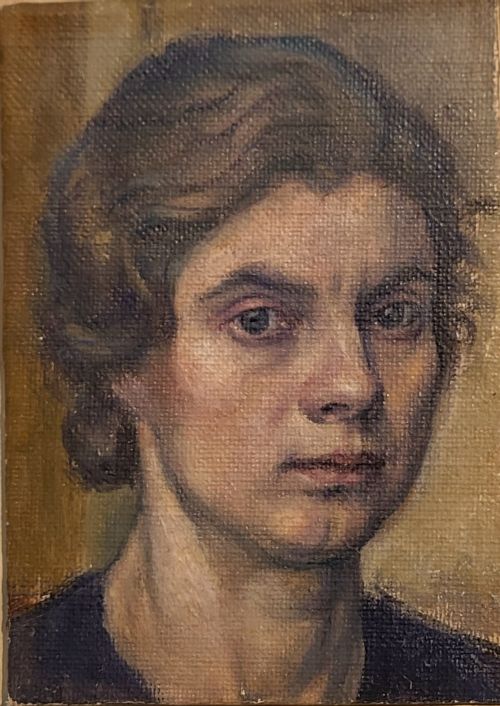
An artist self portrait painting captures the maker's own gaze, offering a direct encounter with the creator through oil on canvas.
Artist Self Portrait Painting
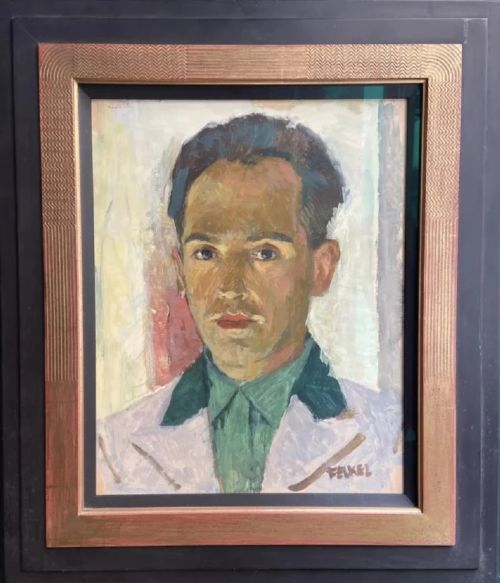
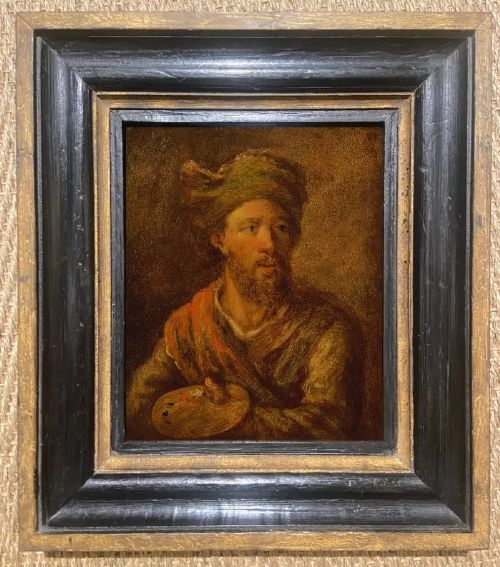
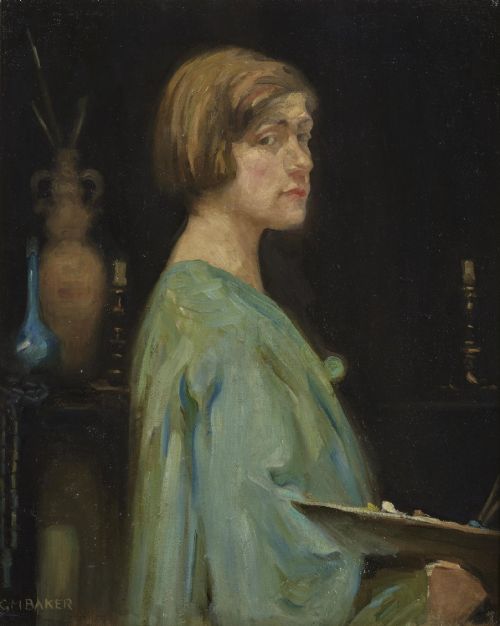
An artist self portrait painting is a canvas where the maker turns the brush upon themselves, capturing their own likeness across centuries. These works range from the 17th Century British School to 20th Century Realism, Expressionism and Modern British pieces.
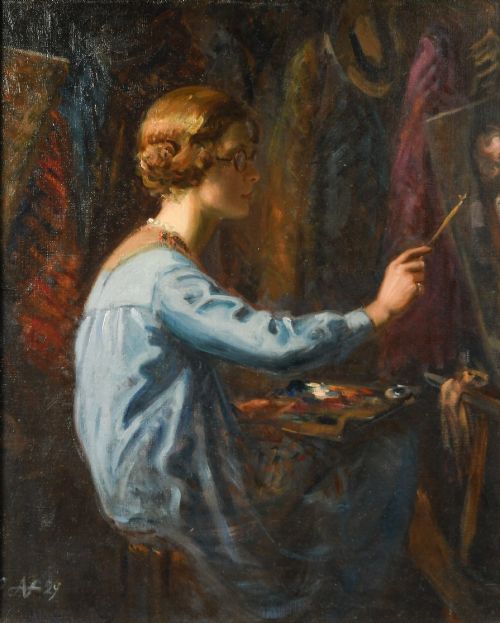
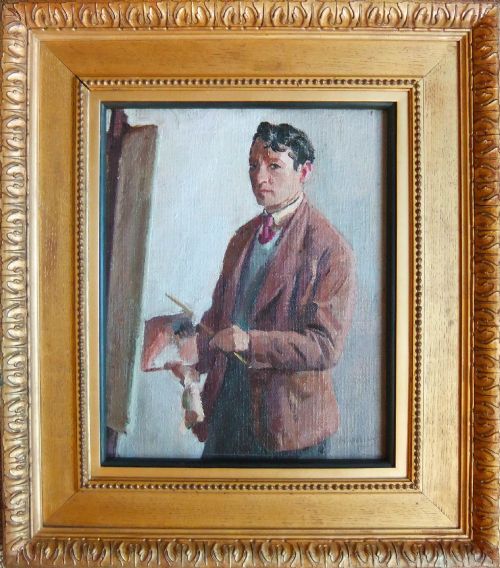
The most common examples on this page are 20th-century works executed in oil on canvas or canvas on wood, often depicting the artist at work with tools like the easel or palette. Examples span academic realism, en grisaille and mid-century styles.
Earlier periods are also represented, including 18th-century depictions such as John Raphael Smith's self-portrait at age twenty-three. Each piece provides a historical record of the painter's appearance and technique during a specific era.
How they were made
These works are executed primarily in oil paint upon canvas or wood panels, allowing for rich texture and layered brushwork. Some compositions incorporate metallic leaf or gold leaf to highlight specific elements within the scene.
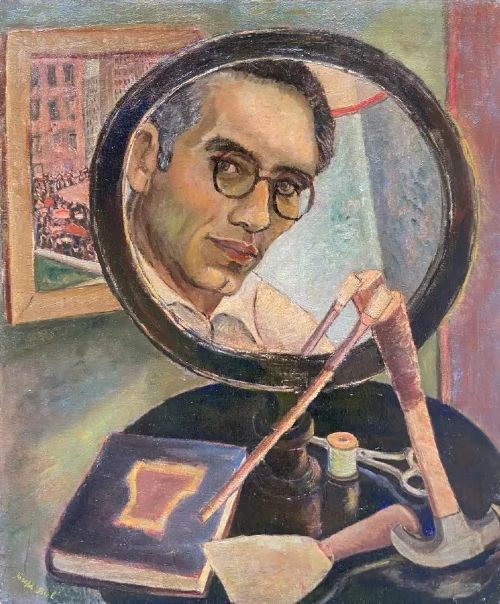
Techniques range from the monochrome restraint of en grisaille to the expressive visible brushstrokes of mid-century expressionism and realism. Artists utilised mirrors to capture their own likeness, often depicting themselves in the act of painting.
Joseph Biel painted himself peering into a mirror, ensuring the artist's tools were as much a part of the composition as his own face.
What varies in quality
Quality in an artist self portrait painting lies in the psychological depth of the likeness and the confidence of the brushwork. Works by named painters such as Ronald Ossory Dunlop or Alexandre-Louis Martin demonstrate distinct mastery of form and light compared to anonymous school pieces.
The handling of the medium - whether through precise academic realism or looser expressionist strokes - dictates the visual impact of the canvas. Condition of the oil paint and canvas substrate also distinguishes well-preserved examples from those requiring conservation.
Carl Felkel·Joseph Biel·Gladys Marguerite Baker·Philip Naviasky·Alexandre-Louis Martin·Ronald Ossory Dunlop·Edwin Marsh·John Raphael Smith
The Artist Self Portrait Painting Glossary
- En grisaille
- A painting executed entirely in shades of grey or neutral monochrome. This technique was frequently utilised to imitate sculpture or for preparatory studies.
- Academic realism
- A style of painting produced under the influence of European academies of art. It emphasises precise rendering, smooth finishes and traditional compositional rules.
- Expressionism
- A modernist movement where artists sought to express emotional experience rather than physical reality. It is characterised by distorted forms and bold, visible brushstrokes.
- Metallic leaf
- Thin sheets of metal hammered into ultra-thin plates for application onto surfaces. Gold leaf is the most traditional variant found on historical artworks.
- Oil on canvas
- A painting medium where pigments are bound with drying oils, applied to a stretched fabric support. This combination offers durability and rich colour blending.
Artist Self Portrait Painting: Frequently Asked Questions
How do I date a self portrait painting?
Dating relies on stylistic evidence, artist signatures, costume and the materials used such as canvas and stretcher construction. Examining auction records and biographical dates of the painter narrows the creation period.
Many works carry a specific year in the title or signature, while unsigned school pieces are attributed by their stylistic adherence to movements like 17th Century British or 20th Century Realism.
Why did artists paint themselves?
Artists painted themselves to experiment with techniques, record their appearance without paying a model and explore personal psychology. These works served as advertisements of skill for potential patrons.
Many choose to depict themselves with artist's tools like palettes and easels to declare their profession and status within the studio environment.
What is an en grisaille portrait?
An en grisaille portrait is rendered entirely in grey monochromatic tones rather than full colour. This technique highlights form, shadow and draughtsmanship above all else.
Artists utilised this method to achieve a sculptural effect on the canvas, focusing purely on tonal values and heroic or dramatic lighting.
How should I hang an oil painting?
Hang oil paintings away from direct sunlight, heating vents and high humidity areas to protect the canvas and paint layers. Stable indoor temperatures prevent the wood stretcher and canvas from warping.
Use secure picture hooks rated for the weight of the frame and ensure the wall fixings are anchored properly into brick or studwork.