

Antique Painting with Dog
When you search for an antique painting with dog, you enter a centuries-old tradition of portraiture and genre scenes capturing the bond between humans and their canine companions.
Antique Painting with Dog
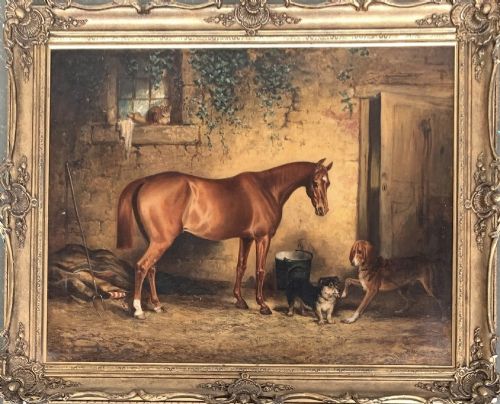
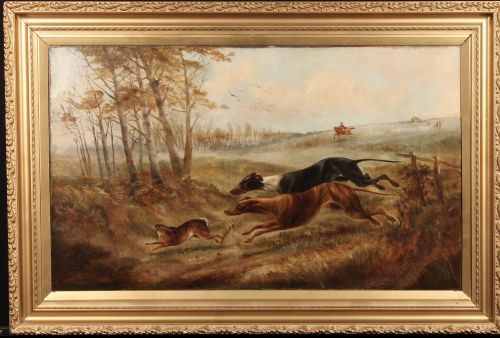
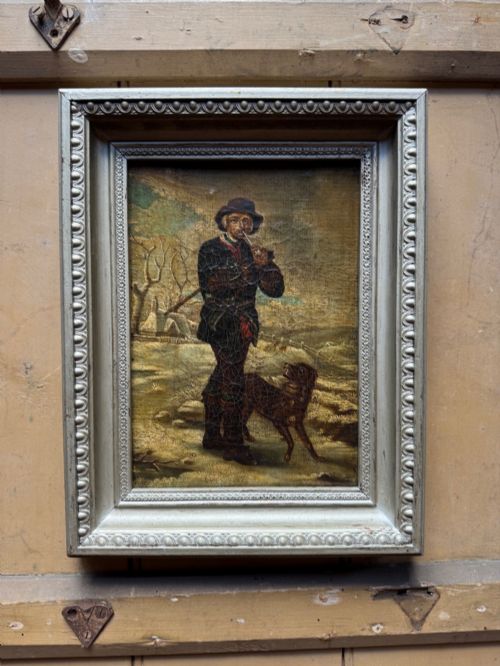
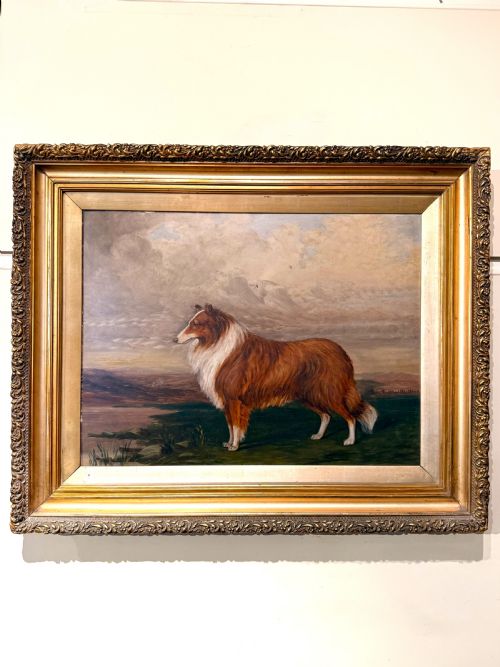
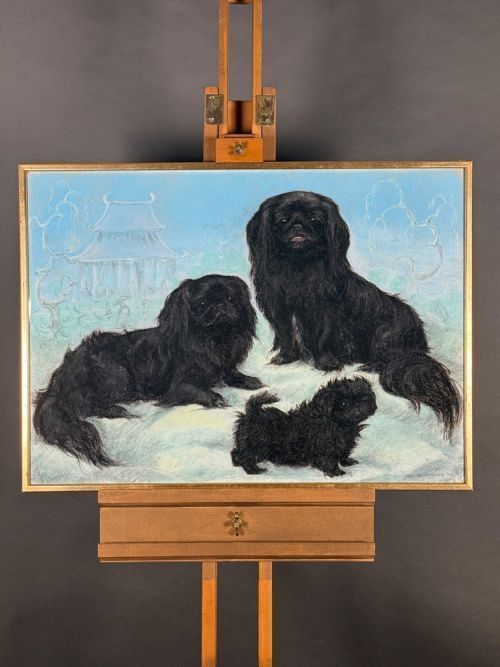
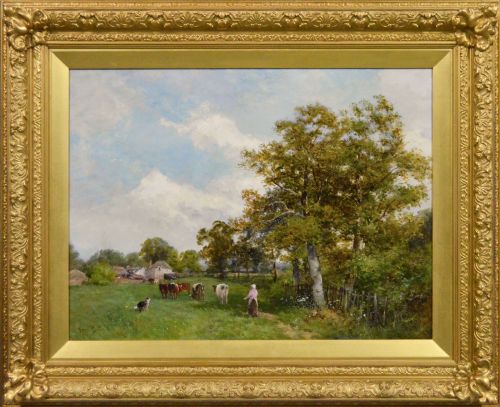
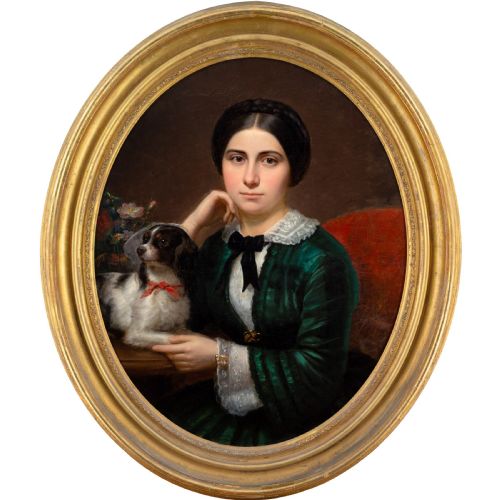
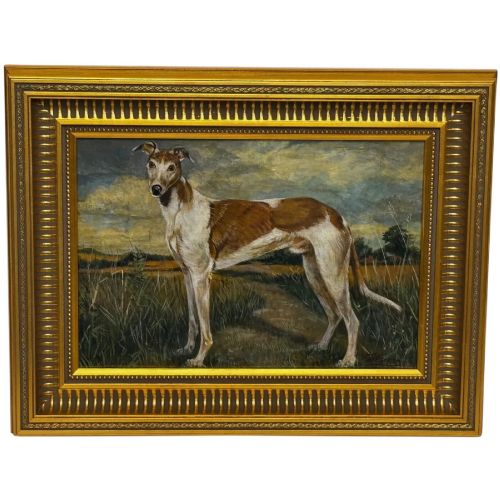
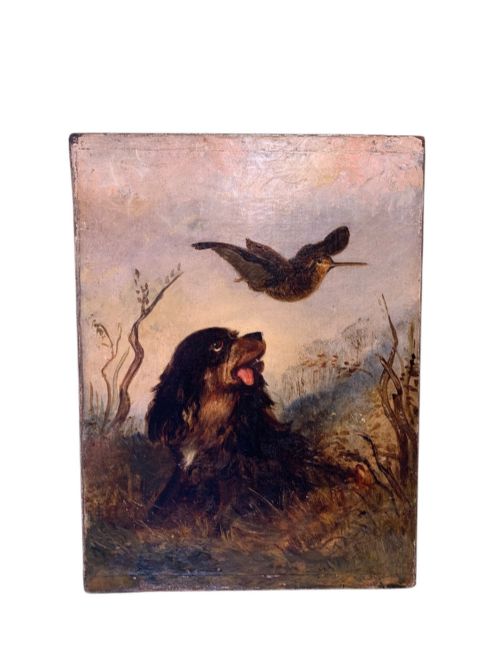
An antique painting with dog brings together portraiture, sporting art and genre scenes spanning from the seventeenth century through to the Edwardian period. These works place animals alongside children, country gentlemen, peasants and equestrian riders, recording domestic pets and working gun dogs alike.
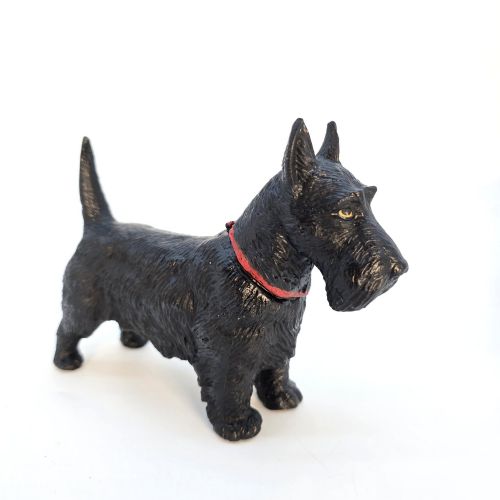
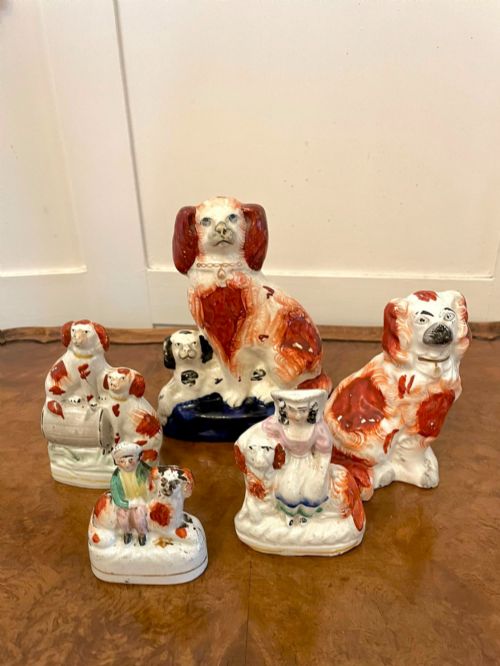
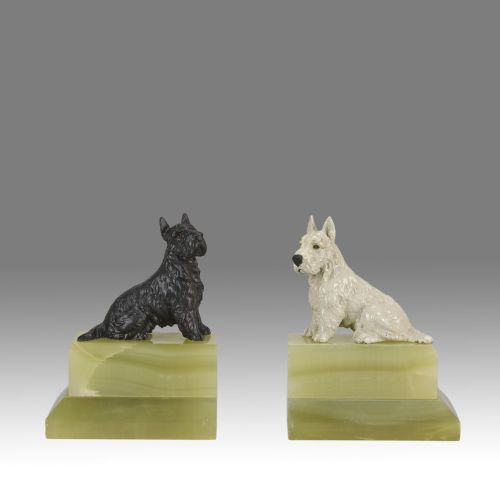
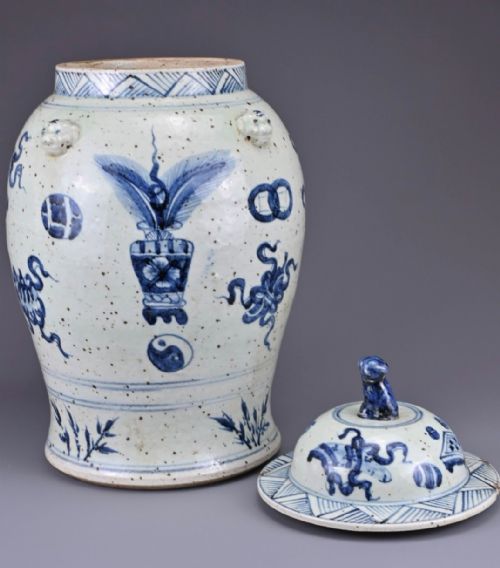
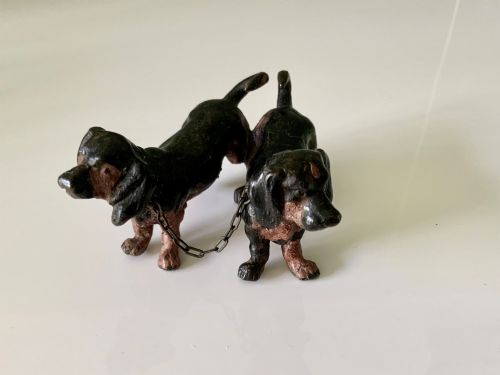
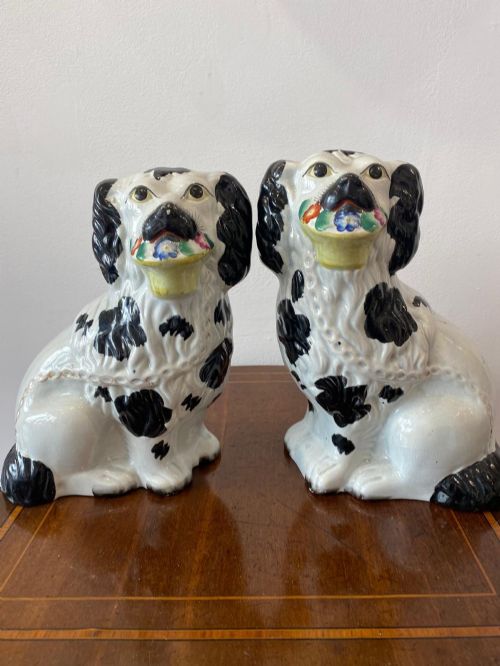
The selections on this page appear primarily as oil on canvas or delicate watercolours, housed within period frames of gilded wood or simple timber. Alongside traditional framed canvases, buyers encounter wooden sculptures, bronzes and ceramic jars that incorporate animal motifs.
Origins range from formal British and French school portraits to provincial folk art and naive works. Whether depicting a solitary spaniel outside a country house or a stately hunting party, these pieces preserve social history through the lens of animal companionship.
How they were made
Artists relied upon oil paint applied to stretched canvas or wooden panels, building up layers of pigment to capture the texture of fur and fabric. Watercolours on paper offered a lighter medium, frequently utilised for intimate interior scenes and charming portraits.
Support materials included sturdy wooden stretchers, giltwood frames and heavy paper sheets, often protected behind glass. Sculptural pieces employed cast bronze with cold-painted finishes or carved solid wood, reflecting the diverse methods makers used to render animal forms.
Listings feature oil on canvas, watercolours on paper, and wood panels spanning from the seventeenth century to the mid-twentieth century.
What varies in quality
The distinction between standard works and exceptional pieces lies in the anatomical accuracy of the animals and the expressive depth of the human subjects. Master portraitists achieved lifelike textures in coats and luminous depth in landscapes, whereas naive or provincial pieces relied on charm and simplicity.
Condition and preservation heavily influence the standing of a piece, including the stability of the original canvas, the presence of stable craquelure, and the integrity of period frames. Works attributed to recognised artists or established schools command attention through documented provenance and superior brushwork.
John Sargent Noble·Samuel Raven·John Horsburgh·John Alfred Wheeler·Mary Beale·Henri Schouten·John Constable·Thomas Beach·Richard Waitt·George Cole·Charles Bilger Spalding·Arthur Claude Strachan·Frank Owen Salisbury·George Romney·Richard Buckner·Thomas Blinks·David W Haddon
The Antique Painting with Dog Glossary
- Provenance
- The documented history of ownership of an artwork, tracing its lineage from the artist's studio to the present market. A clear provenance authenticates the attribution of the piece.
- Genre painting
- A style of art depicting scenes from everyday life, often featuring ordinary people engaged in common activities. These works frequently include domestic animals and farmyard settings.
- Craquelure
- The fine network of minute cracks formed on the surface of old paintings as oil paint ages and hardens over time. It serves as an indicator of age in canvas and panel works.
- Naive art
- A category of visual art created by a person who lacks formal training in standard academic techniques. These paintings are characterised by a childlike perspective and direct application of colour.
- Giltwood
- Wood that has been coated with a thin layer of gold leaf or gold paint. Frames constructed from this material were standard for fine portraiture during the Victorian and Georgian eras.
Antique Painting with Dog: Frequently Asked Questions
What periods do these dog paintings come from?
The listings span several centuries, with particular concentrations in the Georgian, Victorian and Edwardian eras. Earlier works from the seventeenth century also appear alongside mid-twentieth-century pieces.
Collectors find both formal academic canvases and provincial folk art spanning these diverse historical periods.
How were dogs portrayed in historical art?
Canines appeared as cherished pets resting on laps, faithful gun dogs accompanying hunters, and working animals in pastoral landscapes. Artists integrated them into portraits to signal social status, loyalty and domestic harmony.
Working dogs such as spaniels, setters and terriers frequently shared the composition with their owners.
How do I care for an antique oil painting?
Keep paintings away from direct sunlight, high humidity and dramatic temperature fluctuations that can warp canvas or wood panels. Dust the surface gently with a soft, dry brush without applying pressure.
Avoid using water or liquid cleaners on aged oil paint or delicate giltwood frames.
How do I distinguish naive art from fine art?
Fine art from established schools demonstrates formal mastery of perspective, human anatomy and light manipulation. Naive art uses simplified proportions and flat perspectives, prioritising narrative charm over academic rules.
Both styles hold distinct appeal for collectors depending on their aesthetic preference.