


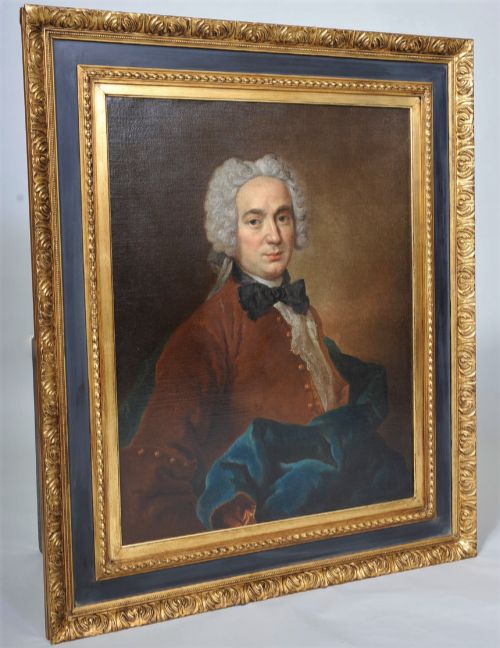
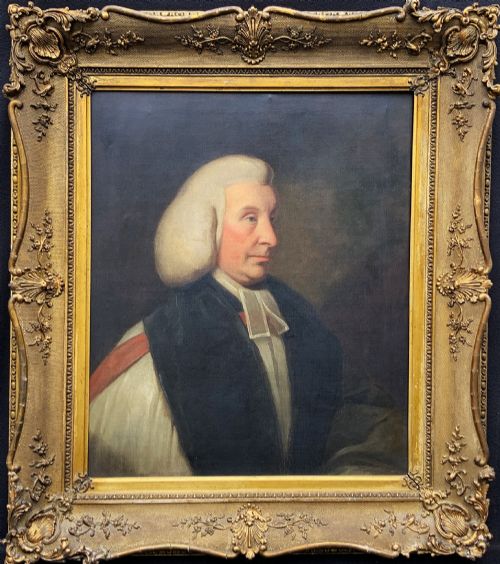
Original Portrait Art
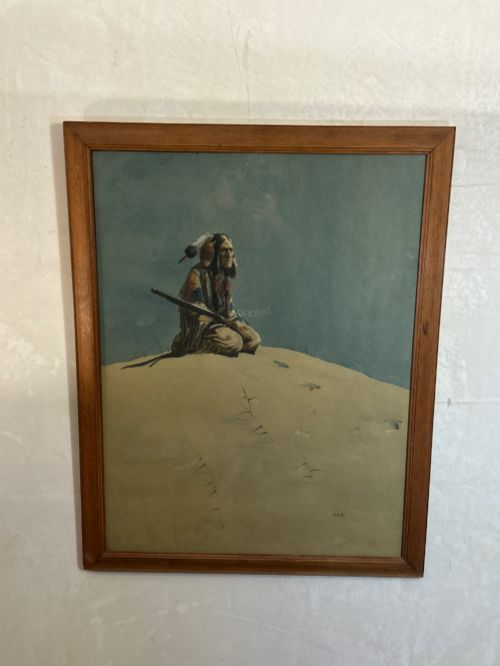
Original antique portrait art brings centuries of individual likenesses, character studies and social history directly into domestic spaces.
Original Portrait Art
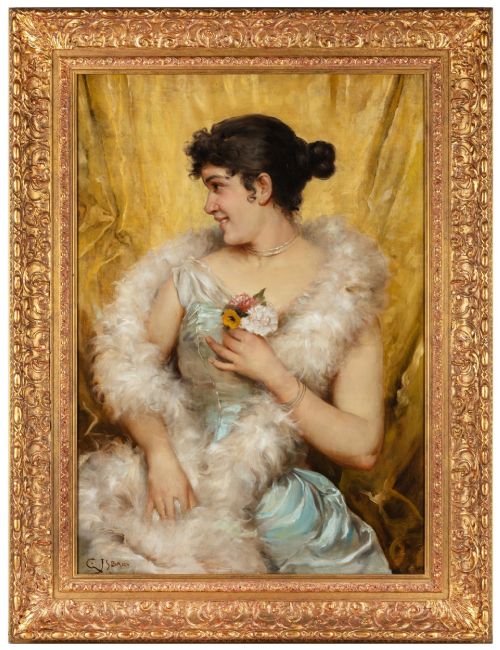
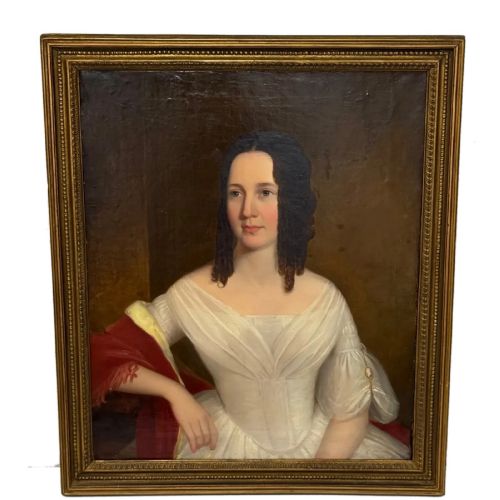
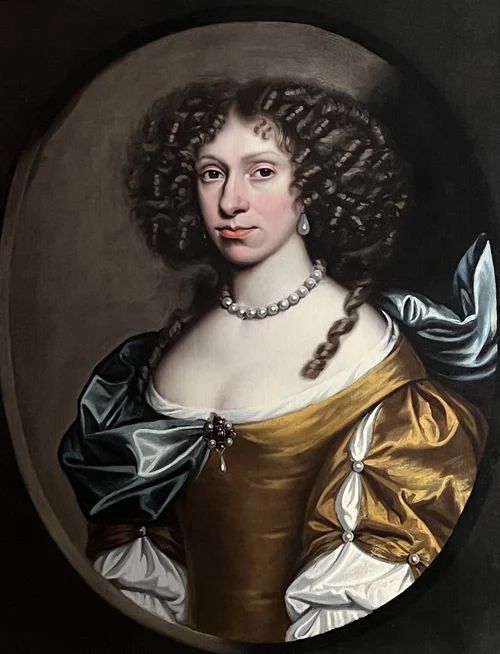
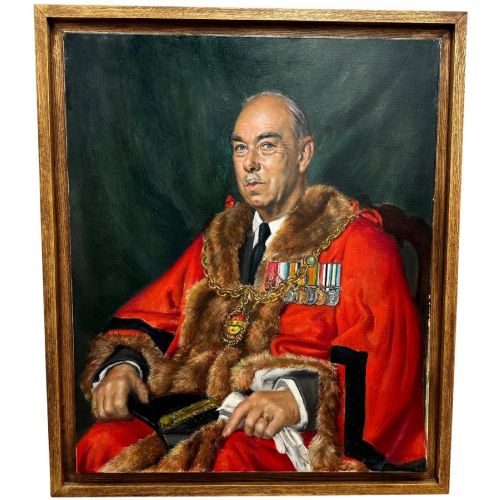
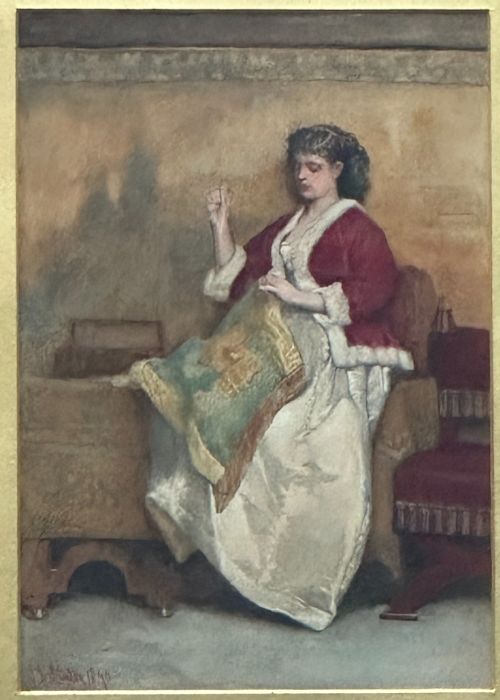
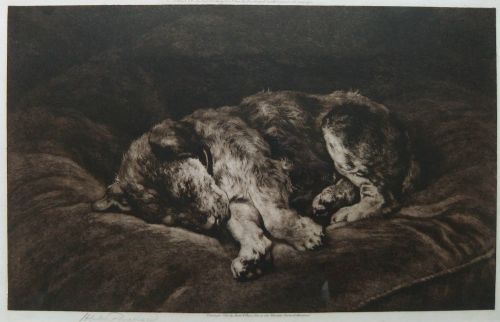
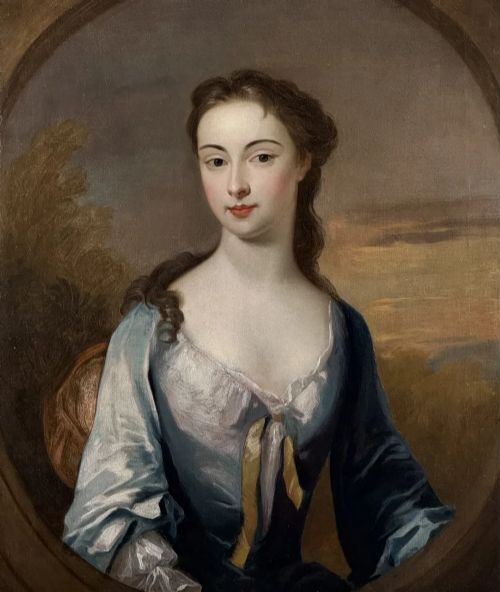
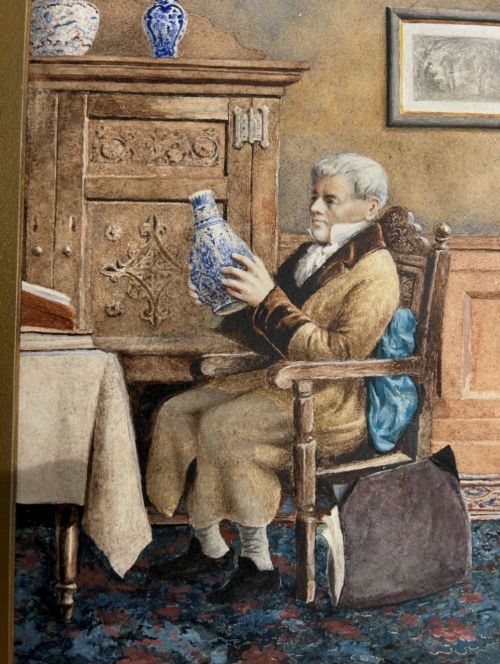
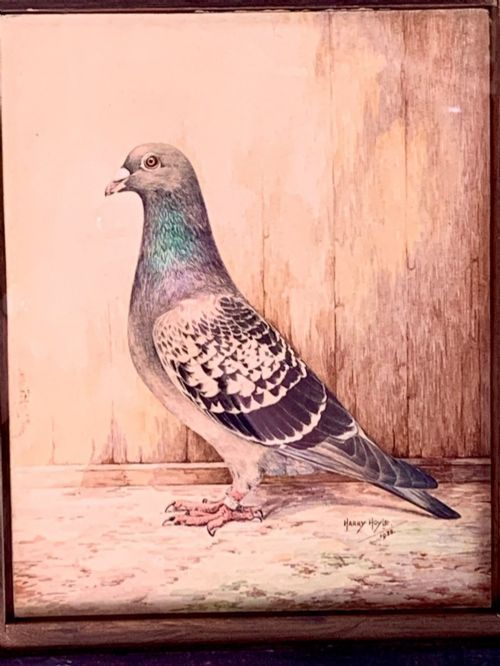
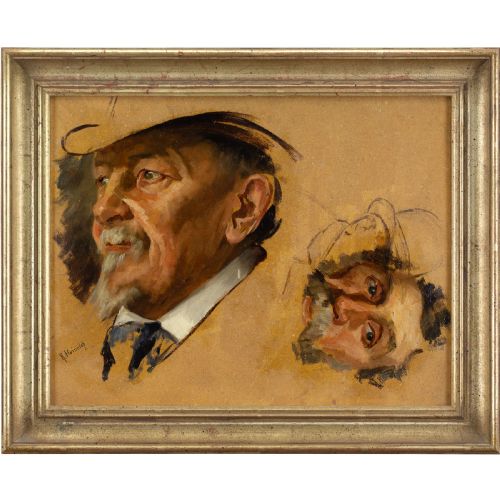
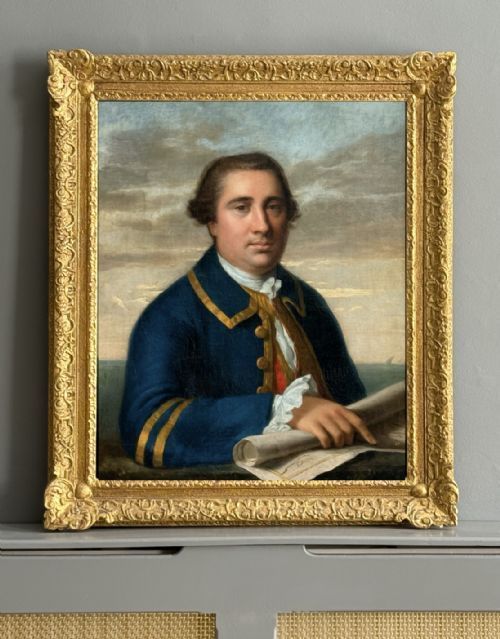
Original antique portrait art captures specific historical figures, nobility, everyday sitters and animals through mediums ranging from early oils to pastels and watercolours.
Buyers encounter works spanning from the seventeenth century through the Georgian and Regency eras into the Victorian period and twentieth-century modernism.
Formats vary widely from intimate cabinet paintings and drawings on paper to large framed canvases intended as statement pieces.
Materials and methods of execution
Artists painted primarily in oil on canvas or wood panel, applying pigment to build depth of tone, fabric texture and facial expression.
Works on paper utilise watercolour, gouache, pastel, pencil, ink, drypoint and engraving techniques, often mounted behind glass within wooden or giltwood frames.
The listings span from the seventeenth century to the mid-twentieth century, featuring oils, watercolours, pastels and engravings.
Distinctions in quality and execution
Works by documented academic painters command attention through superior draughtsmanship, compositional balance and psychological depth compared to standard provincial studio output.
Eugène Verboeckhoven·Joseph Clover·David Scougall·Bernard Hailstone·Sir James Dromgole Linton·Herbert Dicksee·John Hayls·Charles Jervas·Henry Stacy Marks·John Hassall·Lemuel Francis Abbott·Herskind·Vittorio Reggianini·Kurt Meyer-Eberhardt·Albert Clark·Margaret Sarah Carpenter·John Opie·Adelaïde Salles-Wagner·Max Kaltenmoser·James Howe·Jacobus Howbraken·Richard Houston·Antoine Pesne·Carl Felkel·Herbert Ashwin Budd
The Original Portrait Art Glossary
- Oil on Canvas
- A painting medium where pigments bound in drying oil are applied to stretched fabric. This technique allowed artists to achieve rich colours and subtle gradations of light.
- Pastel
- A dry medium consisting of powdered pigment and a binder rolled into sticks. Applied to paper or board, it produces velvety textures and delicate flesh tones.
- Giltwood
- Wood carved and coated with gold leaf or gold paint. It frequently forms the decorative surface of period frames.
- Drypoint
- A printmaking process where an artist scratches a design directly onto a metal plate with a sharp needle. This method creates characteristic soft, velvety burrs in the printed lines.
- Mezzotint
- A tonal printmaking method on copper where the plate is roughened evenly and scraped down to create areas of light and shade. It produces rich, dark tones particularly suited to portraiture.
Original Portrait Art: Frequently Asked Questions
How do I identify the period of a portrait?
Dating relies primarily on the sitter's costume, hairstyle, collar fashion and framing style. Comparing these elements with documented examples from specific decades helps establish a reliable timeline.
Signatures, artist attribution labels, or inscriptions on the reverse of the canvas or stretcher provide additional historical confirmation.
Are all portraits painted from life?
Many formal works required multiple sittings in an artist's studio, though artists also produced informal studies, sketches and posthumous portraits from existing likenesses or photographs.
Sketches and watercolours often capture a more immediate, candid quality than grand commissioned oil paintings.
How should I hang and light antique portraits?
These works require stable indoor environments away from direct sunlight and excessive humidity to protect pigments, paper supports and wooden frames.
Directional picture lights or balanced ambient room lighting accentuate the brushwork and tonal depth without causing thermal damage to the paint surface.
What is the difference between an oil painting and a pastel portrait?
Oil paintings utilise fluid paint on canvas or panel, offering robust durability and deep colour saturation. Pastels consist of dry pigment sticks applied to paper, creating a matte surface that requires glass protection.
Both mediums offer distinct visual textures that reflect the preferences of different eras and individual artists.