





Framed Maritime Art
Framed maritime art brings the movement of open water and the history of navigation directly onto the wall through period paintings and works on paper.
Framed Maritime Art
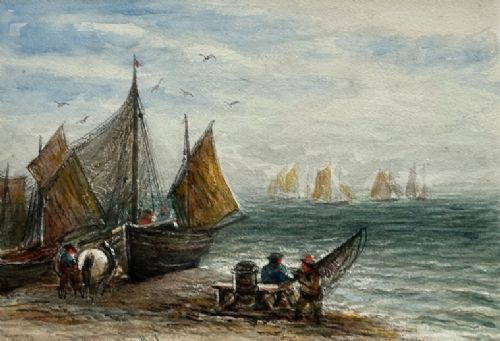
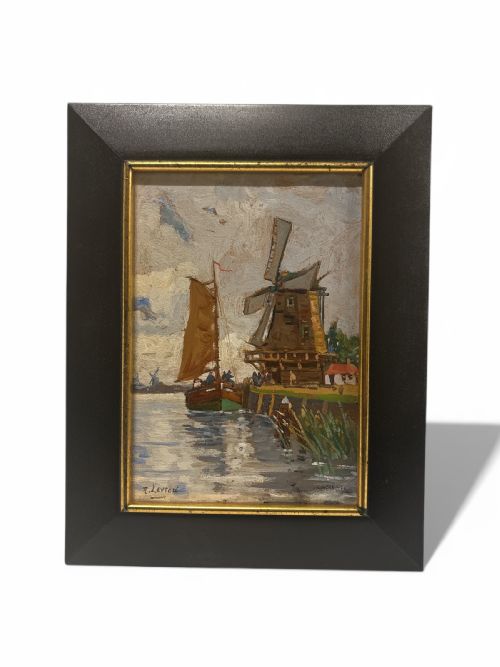
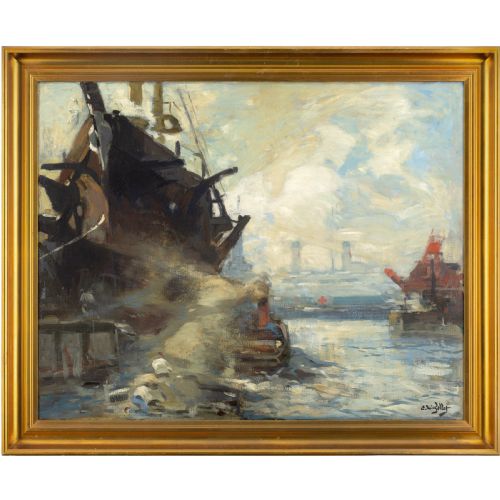
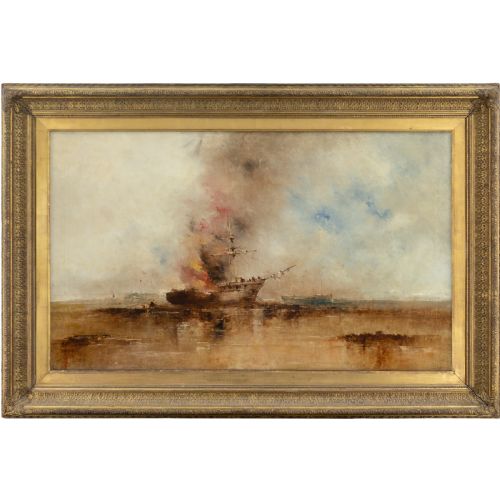
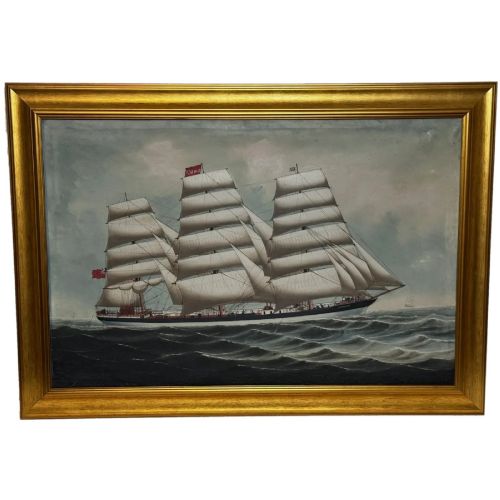
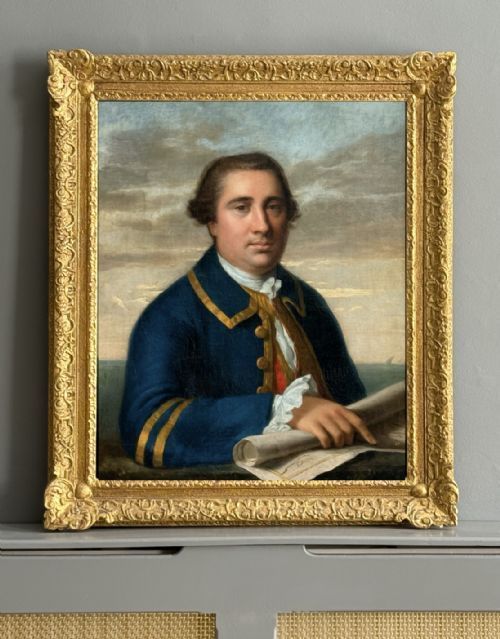
When you search for framed maritime art, you encounter a diverse selection of works spanning several centuries, capturing ships, harbours, and coastal scenes. The category ranges from finely detailed nineteenth-century watercolours and oils to twentieth-century depictions of naval vessels and mercantile shipping.
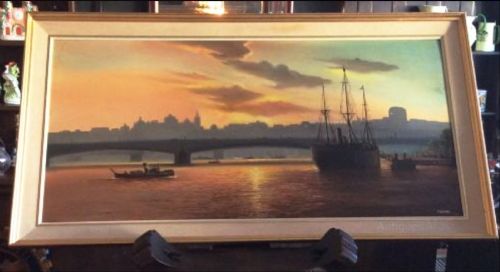
You are most likely to meet nineteenth-century and Edwardian pieces on this page, including traditional British coastal scenes, bustling river Thames views, and dramatic storm depictions. These works frequently record specific vessels, historic ports, and maritime architecture using conventional painterly techniques of their respective eras.
Materials and construction
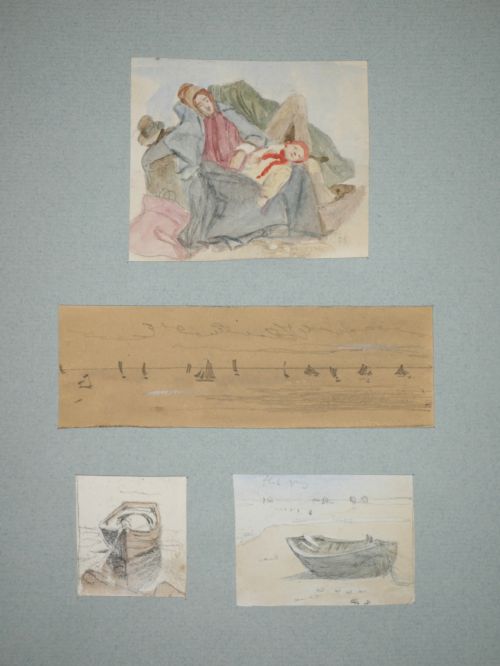
The works rely upon traditional artist materials such as oil paint applied to canvas or board, alongside watercolours and gouache on paper. Painters utilise these mediums to render the changing light on water, the texture of billowing sails, and the atmospheric haze of coastal ports.
Framing forms an integral part of the presentation, utilising wood and gilt wood surrounds that protect the delicate paper or canvas surfaces. Many pieces retain period framing that complements the era of the artwork itself.
Framed Maritime Art Retail Price Guide 2026
Typical asking prices for framed maritime art among the pieces listed under this phrase on Sellingantiques today, from the lower quarter to the upper quarter. They describe what is for sale here now, not the wider market.
Portrayals range from calm harbour scenes and coastal townscapes to dramatic storms and naval engagements involving historic ships.
Factors determining quality
Quality rests upon the artist's command of light, perspective, and maritime anatomy, particularly the accurate rigging and proportions of vessels. Works by listed painters with established exhibition records demonstrate superior draughtsmanship and atmospheric depth compared to anonymous student pieces.
The preservation of the paint or paper surface dictates the overall standard of a piece, as does the integrity of the original mount and frame. Strong composition and a convincing sense of movement separate standard topographical records from exceptional artistic achievements.
James Orrock·Eugène-Louis Gillot·William McAlpine·Reginald Arthur Borstel·Lemuel Francis Abbott·Charles Edward Dixon·Eric Tufnell·William Banks Fortescue·John Rose Miles·James Kay·Frank Watson Wood·William Broome·Bernard Gribble·Bonaventura Peeters·Frank William Scarbrough·Peter Brannan·Francis Moltino·Paul Bret·Bernard Benedict Hemy·Thomas Creswick
The Framed Maritime Art Glossary
- Seascape
- A work of art depicting the sea, coastal views, or marine subjects. These pieces focus primarily on the expanse of water and atmospheric conditions.
- Woolwork
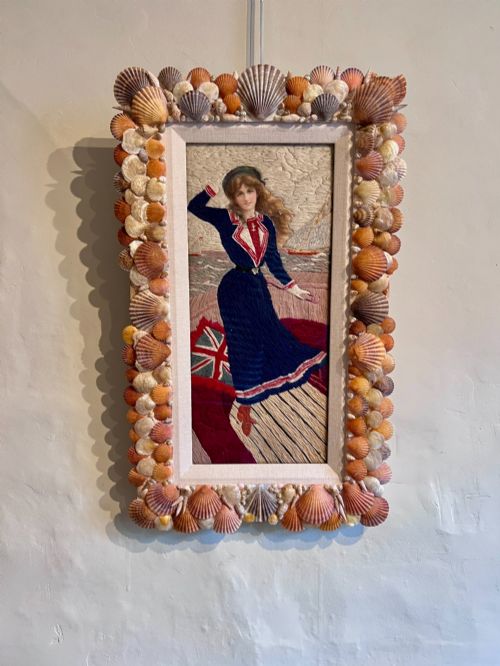
- A textile picture created using various wool stitches on canvas, often depicting sailing ships and maritime scenes by nineteenth-century sailors.
- Gouache
- An opaque watercolour paint that dries to a matte finish, allowing for dense colour application and fine illustrative detail.
- Gilt wood
- Wood coated with a thin layer of gold leaf or metallic paint, commonly found on traditional picture frames from the eighteenth and nineteenth centuries.
Framed Maritime Art: Frequently Asked Questions
How do I identify the age of a painting?
Examine the materials, support structure, and framing style for clues consistent with specific historic periods. Signatures, inscriptions on the reverse, and stylistic conventions of the era also provide reliable dating indicators.
Historical context regarding the depicted ships or naval engagements helps narrow down the probable creation window. Professional framing and stretcher construction further support accurate period attribution.
How should I hang and protect these artworks?
Keep framed pieces away from direct sunlight and sources of extreme temperature fluctuation to protect fragile watercolours and oil paints. Stable indoor humidity prevents the warping of wooden panels and canvas stretchers.
Ensure that hanging hardware is securely anchored into wall studs to support the weight of heavier gilt wood frames. Professional picture hooks suited to the specific weight of the frame provide the safest display method.
What is the difference between marine art and landscape art?
Marine art focuses primarily on ships, shipping, naval battles, and the open sea as the central subject matter. Landscape art concentrates on terrestrial views, countryside, and inland scenery without maritime elements.
Coastal art often bridges the two categories by including shorelines, harbours, and beaches alongside watercraft. The presence of nautical architecture and vessels defines the distinct character of maritime pieces.