


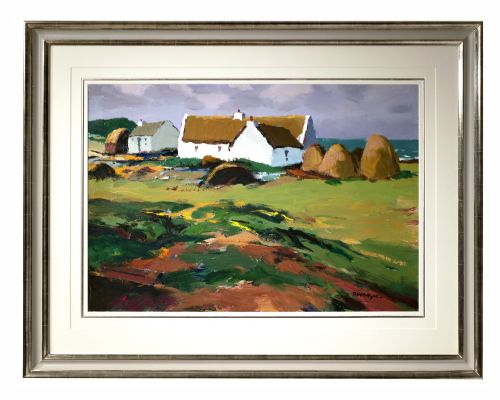
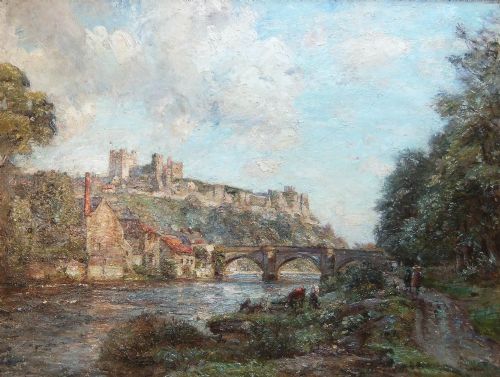
Framed Impasto Oil Artwork
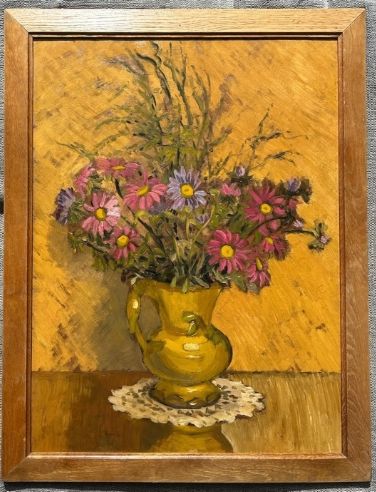
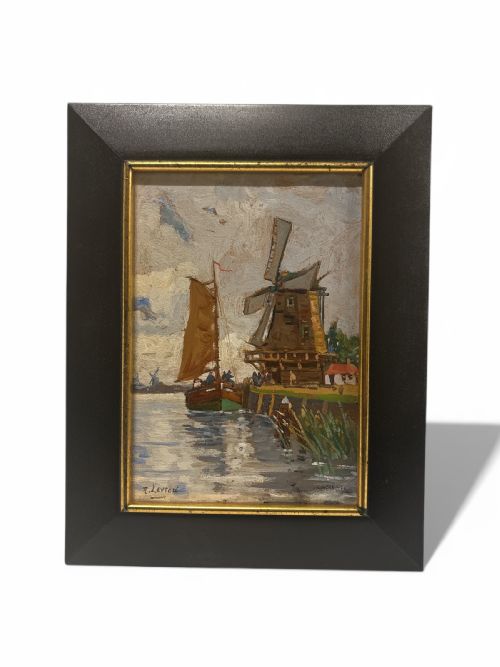
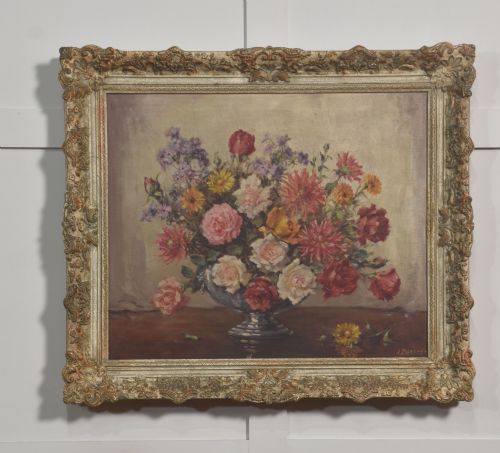
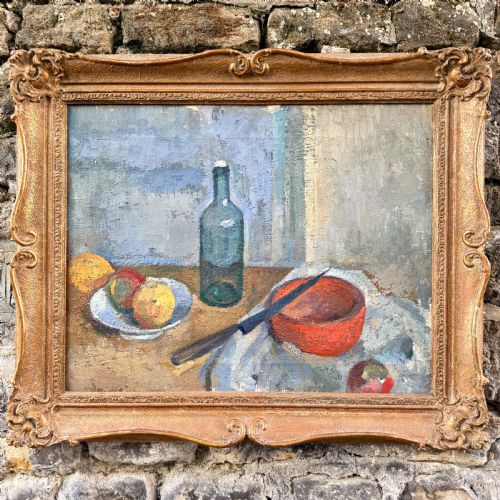
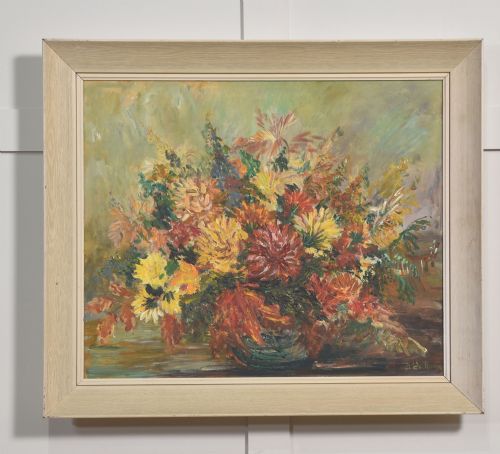
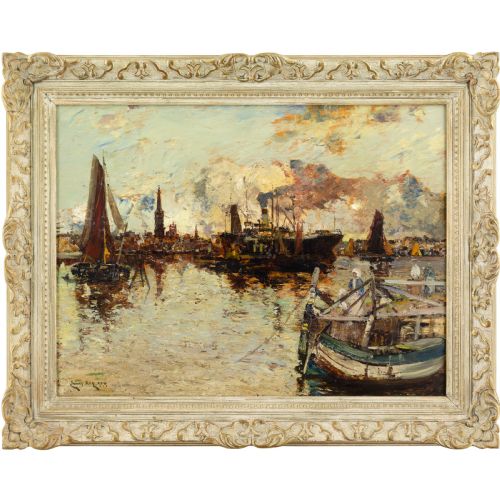
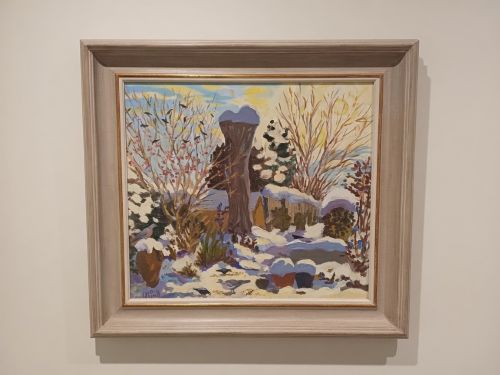
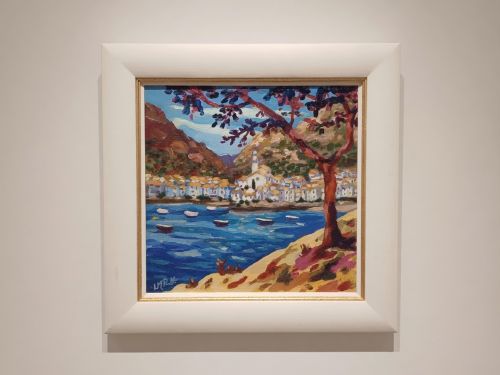
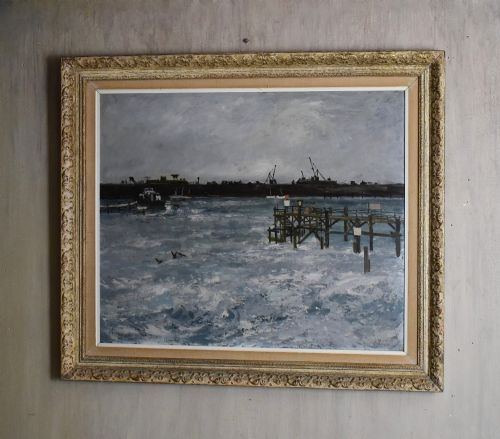
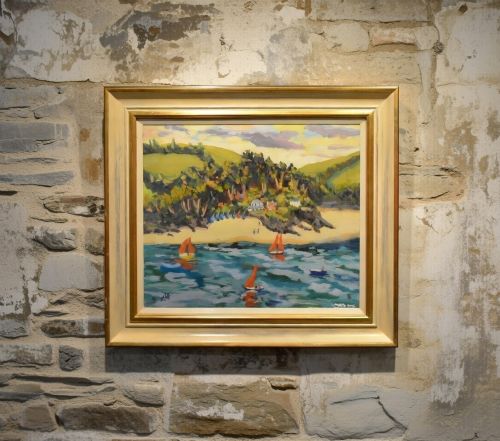
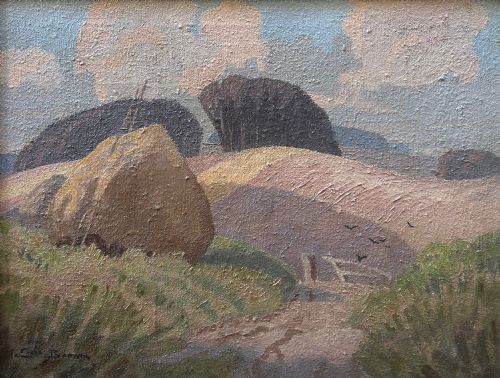
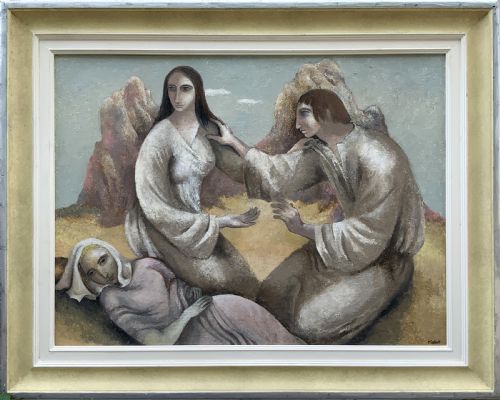
Framed impasto oil artwork brings thick pigment and rich texture to the wall, offering tactile depth that draws the eye across coastal views and quiet still lifes.
Framed Impasto Oil Artwork
A framed impasto oil artwork is a painting executed with heavy layers of pigment that stand proud of the surface, catching the light and creating a sculptural quality. When searching for framed impasto oil artwork, collectors encounter twentieth-century pieces spanning early twentieth-century harbour scenes to mid-century modern cityscapes and floral studies.
The selections on this page showcase works produced across several decades, including the 1920s, 1930s, 1940s, 1950s, and 1960s. These pieces range from intimate still lifes in vases to expansive marine views and expressionist horse racing scenes.
Origin points vary across British, French, and international studios, reflecting diverse regional movements such as Post-Impressionism and Modern British styles. Canvas and board serve as the primary supports, almost universally housed within period wooden and gilt frames.
How they were made
Artists built up the surface using oil paint applied thickly with a brush or palette knife, leaving pronounced ridges and strokes that dry with a substantial physical relief. This pigment rests on woven canvas or rigid wooden board, providing the necessary structural strength to support heavy layers of oil medium.
The surrounding frames consist of wood, frequently finished with gilt leaf or painted surfaces designed to complement the dense texture of the painted canvas within. Painters allowed the slow-drying oil to cure completely before securing the work into its housing.
Materials across the listings include oil paint applied to canvas and board, housed in wood and gilt frames spanning the twentieth century.
What varies in quality
The distinction between ordinary and exceptional work lies in the confidence of the knife or brush handling, where deliberate application creates light and shadow within the paint surface itself. Masterful layering gives a sense of space and movement, whereas lesser works remain flat despite the presence of thick paint.
Cohesion between the artwork and its frame plays a significant part, as period frames tailored to the specific tonal palette enhance the overall visual weight. The clarity of the artist's composition and the preservation of the original pigment without excessive surface cracking determine the standing of each piece.
Kenneth Cozens·R Leyton·I Berezny·D L Williams·James Kay·Lucy Pratt·Peter Brannan·Eric Brown·Christine Nesbit·Donald McIntyre·Herbert Royle·Lilian Colbourn·Ronald Ossory Dunlop·Elisabeth Bardon·Helen Layfield Bradley·Jean-Baptiste Olive·Raymond Picque·James Fry·Gaetan Dumas·Gabriel Dauchot·Cecil Rochfort D'Oyly-John·Caroline Burnett·Baruch Shalom Oskotsky
The Framed Impasto Oil Artwork Glossary
- Impasto
- A technique where paint is laid onto a canvas in very thick areas, usually thick enough that the brush or painting-knife strokes are visible. This method adds a three-dimensional tactile quality to the surface.
- Oil paint
- A type of slow-drying paint that consists of particles of pigment suspended in a drying oil, commonly linseed. It allows for rich colour depth and smooth blending.
- Gilt
- Covered thinly with gold leaf or gold paint. This finish frequently appears on period frames to accent the artwork.
- Board
- A rigid flat sheet of wood or composite material used as a painting support instead of stretched canvas. It provides a firm foundation for heavy pigment applications.
- Post-Impressionism
- An art movement that developed from about 1880 to 1910, extending Impressionism while rejecting its limitations. Artists sought greater emotional expression and structural clarity.
Framed Impasto Oil Artwork: Frequently Asked Questions
What periods do these paintings come from?
The selection spans the early twentieth century through to the late mid-century, with strong representation from the 1920s, 1930s, 1940s, 1950s, and 1960s.
These dates align with modernist movements and mid-century impressionism across British and European studios.
Are all pieces supplied with frames?
Most works arrive in their original or period-appropriate wooden and gilt frames, which were selected or built to house the thick canvas securely.
Checking individual listings confirms whether a specific gilt or wooden surround accompanies the artwork.
How should I care for thick oil paint?
Keep textured works out of direct sunlight and away from damp environments to protect the integrity of the oil medium and the wooden support.
Dust the raised surface gently with a soft, dry brush without applying pressure to the impasto ridges.
What subjects are most common?
Coastal landscapes, harbour scenes, floral still lifes in vases, and abstract cityscapes appear frequently throughout the collection.
Figurative portraits and winter village scenes also feature among the mid-century works.