

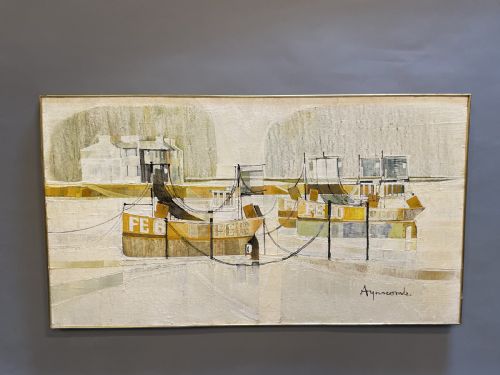


Impasto Coastal Painting
Impasto coastal painting captures maritime light and sea air through thick, textured applications of pigment on canvas or board.
Impasto Coastal Painting
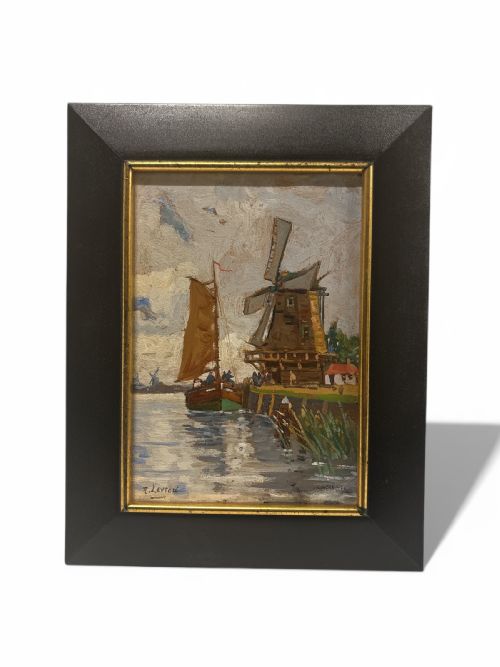
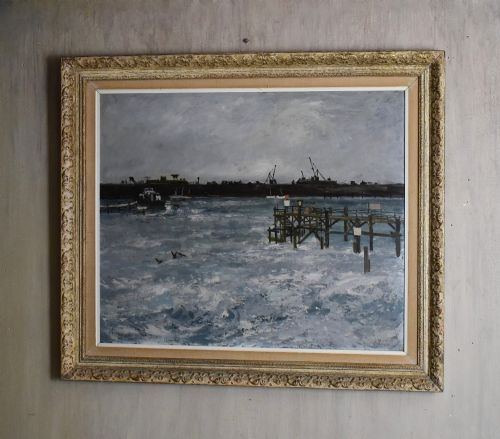
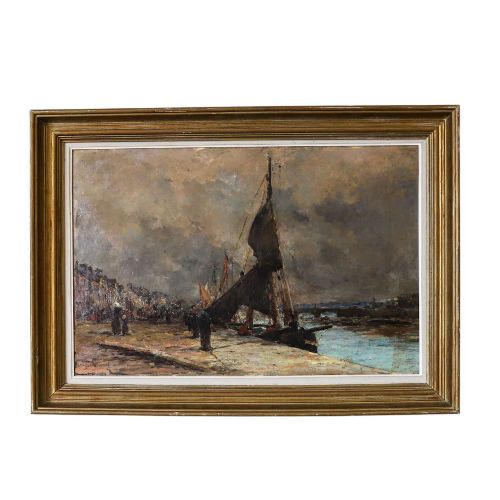
When searching for an impasto coastal painting, you encounter works spanning the nineteenth century through the mid-twentieth century and beyond. These pieces depict harbours, estuaries, and seaside scenes from British and European coastal locations.
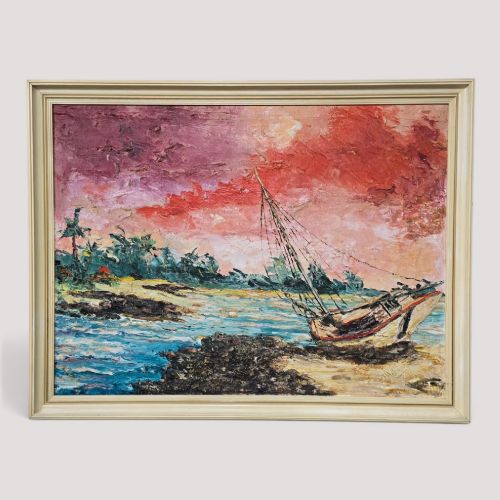
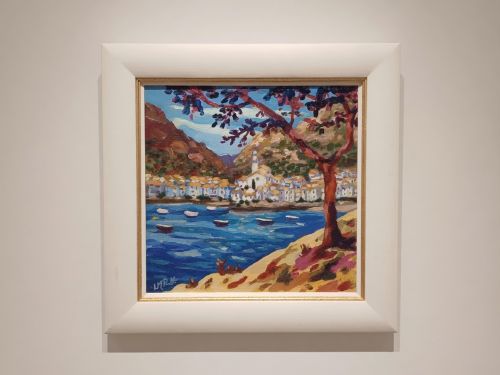
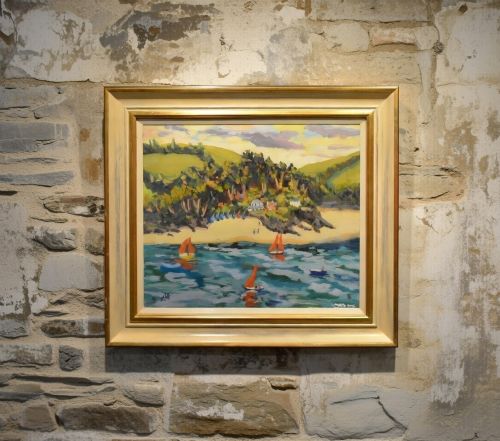
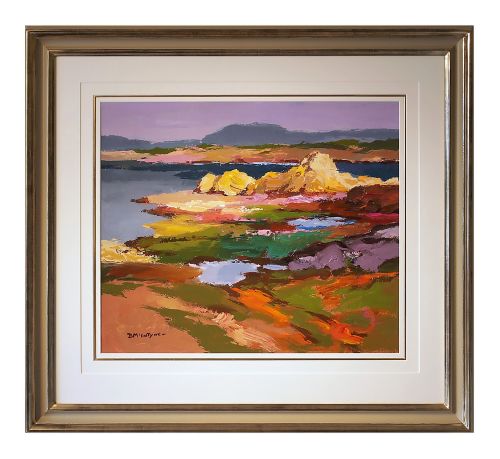
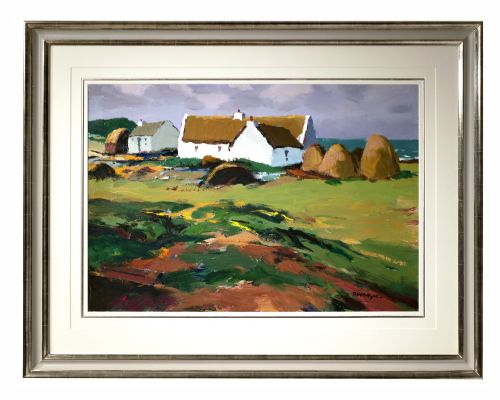
The version most commonly met on this page is the mid-twentieth century British or French modernist oil painting. Such works utilise impressionist and post-impressionist styles to render water, boats, and shorelines with heavy brushwork.
Canvases and wooden boards form the primary supports for these coastal subjects. Artists apply oil paint densely to create tactile surfaces that project from the picture plane.
How they were made
Painters build these coastal scenes using oil paint applied thickly with hog-bristle brushes or palette knives. This technique leaves raised ridges and distinct tool marks that catch the light and describe the movement of water and wind.
Supports consist primarily of stretched canvas or rigid wooden board, sometimes framed in gilt wood. The physical buildup of pigment gives the surface a sculptural quality that differs from flat glazing.
Listings feature oil paintings on canvas and board spanning the Edwardian era through the mid-twentieth century and later.
What varies in quality
The success of an impasto coastal painting depends upon the confidence and economy of the brushwork. Masterly handling places thick pigment purposefully to suggest foam, sails, and masonry without overworking the surface.
Compositional balance and the control of tone separate stronger works from weaker examples. A successful painting uses thick texture to serve the light and structure of the scene rather than applying pigment merely for its own sake.
Donald McIntyre·Jean-Baptiste Olive·Peter Brannan·Helen Layfield Bradley·James Fry
The Impasto Coastal Painting Glossary
- Impasto
- Paint applied thickly to a canvas or board, standing out in relief from the surface. This technique allows the physical marks of the brush or palette knife to remain visible.
- Post-Impressionism
- An artistic movement developing roughly between the late nineteenth century and the early twentieth century. Artists extended impressionist techniques while rejecting its limitations for more expressive forms.
- Estuary
- The tidal mouth of a large river where the tide meets the current. These locations provided marine artists with varied subjects involving shipping, mudflats, and changing light.
- Gilt frame
- A wooden picture surround covered with gold leaf or metallic gilt gesso. Many period maritime oils retain their original moulded frames.
Impasto Coastal Painting: Frequently Asked Questions
How do I care for impasto oil paintings?
Keep these works out of direct sunlight and away from rapid temperature fluctuations to protect the wooden supports and canvas. Dust the textured surface very gently with a dry, soft brush.
Avoid using damp cloths or cleaning solutions on thick oil pigment. Professional conservators should handle any deeper cleaning or repairs.
Are these paintings usually framed?
Many pieces arrive in period wooden frames, often with gilt finishes suited to mid-century aesthetics. These surrounds help protect the edges of the canvas or board.
Some collectors choose to retain the original frames for historical context, while others select alternative mouldings to suit their interior spaces.
How can I tell the period of a coastal painting?
Examine the stretcher bars, backing materials, and framing techniques alongside the stylistic markers of the brushwork. Mid-century works often feature distinct modernist or impressionist interpretations of British and French ports.
Signatures, exhibition labels, and artist dates recorded on the reverse provide further confirmation of the decade of creation.
What subjects appear most often in these works?
Harbours, fishing ports, estuaries, and rocky shorelines dominate the maritime scenes. Locations range from British coastal towns in Cornwall and Wales to French ports along the Mediterranean and Brittany.
Boats, sails, and coastal architecture frequently anchor the composition amidst open expanses of water and sky.