
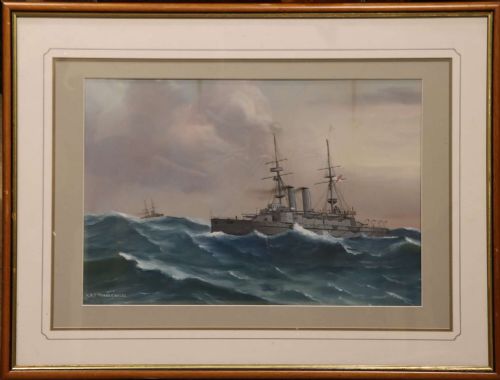
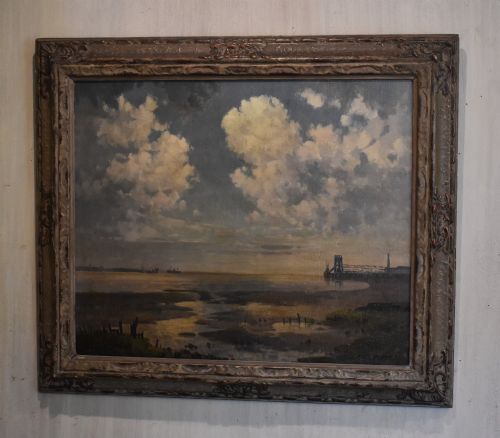
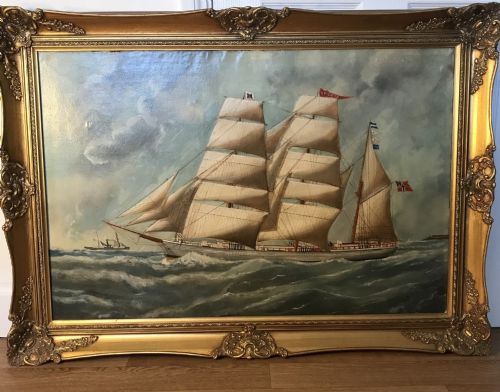
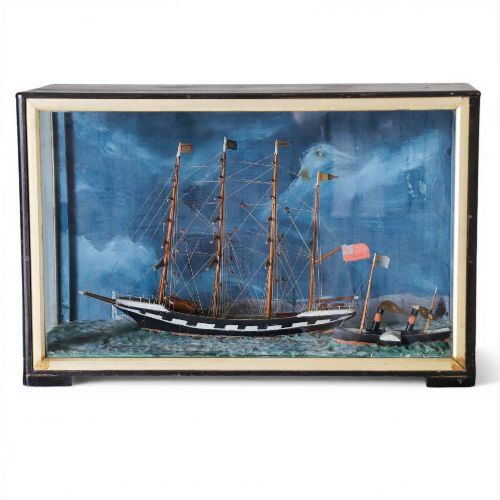


Wooden Framed Seascape
These wooden framed seascape pieces bring the movement and depth of the coast straight into the room.
Wooden Framed Seascape
A wooden framed seascape captures the open water, coastlines, and harbour scenes across various painting and printing mediums. When searching this phrase, a buyer encounters works spanning the nineteenth and twentieth centuries, framed in timber.
The selections range from detailed maritime dioramas and shadow boxes to Impressionist oil paintings and watercolours. Victorian marine art and Edwardian depictions of steamships sit alongside mid-century abstract interpretations.
Origin points stretch from British and Welsh shores to French harbours and Norwegian waters. The wooden frames themselves form an integral part of the presentation, matching the period of the artwork within.
How they were made
Artists worked primarily with oil paint and watercolour on canvas and paper surfaces. Layers of oil pigment built up rich textures for stormy seas and coastal light, while watercolours offered softer washes for atmospheric harbour views.
Makers housed these artworks in timber frames under glass for works on paper or exposed canvas for oil paintings. Three-dimensional maritime shadow boxes and dioramas combined carved wooden elements with painted backgrounds.
Listings feature wood, glass, canvas, paper, and oil paint across nineteenth and twentieth-century periods.
What varies in quality
The distinction lies in the handling of light, brushwork, and maritime detail by the artist. Named painters and documented hands demonstrate a stronger grasp of perspective, vessel rigging, and coastal atmosphere.
The integrity and period match of the wooden frame influence the overall cohesion of the piece. Well-preserved surfaces on both the canvas and the timber housing separate standard decorative items from collectible works.
Clive Browne·F Corpuz·Edward Matthew Elliott·Raymond Picque·William Lee Hankey·Gustave De Bréanski·W Collard·Robert Macaulay Stevenson
The Wooden Framed Seascape Glossary
- Oil on canvas
- Pigments bound in a drying oil applied to stretched woven fabric. This medium allows for deep colour saturation and visible brush texture.
- Maritime shadow box
- A three-dimensional display case enclosing model ships or coastal dioramas. These pieces often feature layered painted backgrounds behind carved wooden vessels.
- British Impressionism
- A painting style focusing on light and everyday subjects rather than strict academic detail. Artists working in this manner captured transient effects of weather and water.
- Watercolour painting
- Pigments suspended in a water-based solution applied to paper. This technique produces translucent washes and delicate coastal scenes.
- Aquatint
- A printmaking technique that produces tonal areas resembling watercolour washes. Printers used this method to create multi-plate coastal views.
Wooden Framed Seascape: Frequently Asked Questions
What periods do these seascapes come from?
The pieces span from the early nineteenth century through the Edwardian era and into the mid-twentieth century. Styles shift from Victorian marine art to Impressionism and Post-Impressionism.
Dates and attributions depend on the signatures, framing materials, and subject matter recorded in each individual listing.
How should I hang a wooden framed seascape?
Select a wall with stable humidity away from direct sunlight to protect both the timber frame and the pigments. Ensure the wall fixings match the weight of the specific frame and glass.
Allow sufficient clearance around the piece so the wooden moulding frames the view effectively within the room.
Are all the frames original to the paintings?
Many works retain their period wooden frames, which reflect the framing conventions of their respective decades. Some pieces feature later or replacement surrounds chosen to complement the artwork.
Checking the build and wood type helps determine whether the housing aligns with the era of the painting.
What subjects appear besides ships?
Artists painted low tide harbour scenes, coastal cliffs, and fishing villages alongside naval vessels and schooners. Locations range from St Ives and Aberffraw Bay to Honfleur in Normandy.
These varied viewpoints capture both working ports and quiet coastal stretches across Britain and Europe.